


Door to Door Shipping China Global UAE: The 2025 Logistics Guide
Managing international trade requires a reliable logistics partner to navigate complex global supply chains effectively. Choosing Global China Forwarder ensures your cargo moves efficiently through every stage of the journey from origin to destination. Our specialized door to door shipping china global uae service streamlines the entire process by handling everything from the manufacturer to your final doorstep.
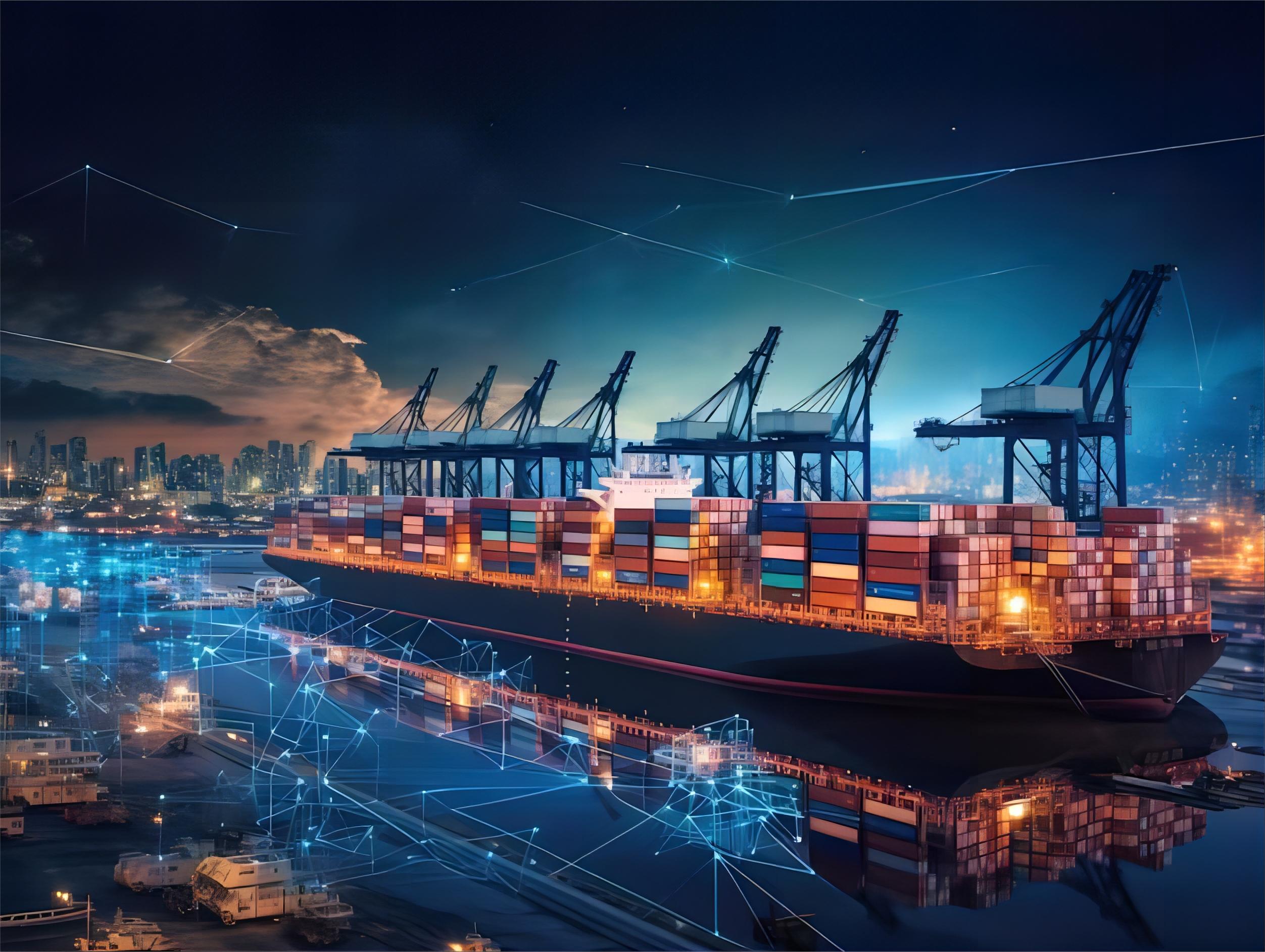
How Does Door to Door Shipping China Global UAE Work?
The process begins with a comprehensive evaluation of your cargo requirements and pickup location in China. Consequently, our team coordinates with suppliers to arrange for the collection of goods from factories or warehouses. This initial stage is crucial for ensuring that all items are properly packed and labeled for international transit.
Once the goods are collected, they are transported to a central consolidation hub for inspection and documentation. Additionally, we handle all export customs formalities required by Chinese authorities to prevent any delays at the port of departure. This seamless coordination reduces the administrative burden on your business significantly.
International transit follows the successful clearance of goods, utilizing either air or sea freight depending on your timeline. Meanwhile, our tracking systems provide real-time updates on the location and status of your shipment. We ensure that every milestone is met with precision and professional care.
Upon arrival in the UAE, the final stage involves import customs clearance and last-mile delivery to your specified address. Therefore, you do not need to worry about local transport or regulatory compliance in Dubai, Abu Dhabi, or other emirates. Our end-to-end solution provides complete peace of mind for importers.
What Are the Main Benefits of Door to Door Logistics?
One of the primary advantages of this service is the elimination of multiple intermediaries in the shipping process. Instead of managing different carriers and agents, you have a single point of contact for the entire journey. This simplicity leads to better communication and fewer opportunities for errors or misunderstandings.
Cost efficiency is another significant benefit that businesses enjoy when choosing integrated logistics solutions. Furthermore, by consolidating services, we can often negotiate better rates with carriers and local transport providers. These savings are passed directly to you, making your supply chain more competitive in the market.
Security and risk management are enhanced when a single provider oversees the cargo from start to finish. Additionally, we implement strict cargo handling protocols to minimize the risk of damage or loss during transit. Professional oversight ensures that your products arrive in the same condition they left the factory.
Time savings allow your team to focus on core business activities rather than logistics management. Consequently, you can allocate resources toward marketing and sales while we handle the complexities of international shipping. This efficiency is vital for maintaining a fast-moving inventory cycle.
How Does Door to Door Shipping Compare to Other Options?
Choosing between different transport modes requires an understanding of both cost and speed for your specific cargo. For instance, express service offers the fastest delivery for smaller packages but comes at a premium price point. Businesses must evaluate their specific needs based on inventory turnover and budget constraints.
Standard port-to-port shipping requires the importer to handle local transport and customs separately at both ends. In contrast, door-to-door services include these steps in a single package, reducing hidden costs and logistical headaches. This comprehensive approach is generally more suitable for small to medium-sized enterprises.
While direct routes might cost slightly more, they save significant time compared to transshipment options through third countries. Moreover, the reduced handling during direct transit lowers the risk of cargo damage. We provide objective analysis to help you choose the most viable alternative for your route.
| Air Freight | 4.50 – 8.50 per kg | 3-7 Days | High-value goods |
| Sea Freight LCL | 90 – 160 per CBM | 20-30 Days | Small volumes |
| Sea Freight FCL | 1,300 – 2,400 | 20-30 Days | Bulk shipments |
| Express Service | 6.50 – 11.00 per kg | 2-5 Days | Urgent samples |

Which Option Should You Choose?
Budget priority dictates that sea freight is the most logical choice for non-urgent, large-volume shipments. However, if speed is your primary concern, air freight is the only way to meet tight deadlines for product launches. You should consider the value of your goods relative to the shipping cost before making a final decision.
Volume thresholds often determine when it is more economical to switch from LCL to a full container. For example, shipments exceeding 15 cubic meters usually benefit from FCL pricing and security. Our experts can calculate the most cost-effective break-even point for your specific cargo volume.
Perishable items or highly sensitive electronics require the specialized handling and speed of air transport. On the other hand, durable goods like furniture or machinery are perfectly suited for the longer transit times of ocean freight. Always assess the physical characteristics of your products alongside your delivery schedule.
What Factors Influence Shipping Costs from China to UAE?
Fuel prices fluctuate constantly, directly affecting the surcharges applied by major shipping lines and airlines. Additionally, seasonal demand peaks during the months leading up to major holidays, causing rates to spike significantly. Planning your shipments during off-peak periods can lead to substantial cost savings for your business.
Container availability in major Chinese ports like Ningbo or Shanghai also impacts the overall market pricing. Furthermore, port congestion in transshipment hubs can lead to unexpected delays and additional storage fees. We monitor these trends closely to provide the most accurate and up-to-date quotes for our clients.
Market data suggests that rates typically increase by 15 to 25 percent during the August to October peak season. Therefore, securing bookings in advance is a critical strategy for maintaining stable logistics expenses. Note: Freight rates are subject to change based on fuel costs, carrier capacity, and seasonal demand. Contact us for a current quote tailored to your specific shipment.
Essential Customs Documentation for UAE Imports
Navigating the regulatory landscape in the Middle East involves precise documentation and strict compliance with local laws. Working with a professional customs brokerage helps prevent costly delays at the port of entry. Ensure all HS codes are correctly classified to avoid penalties or cargo seizures.
The commercial invoice must clearly state the value, description, and origin of the goods being imported. In addition, a detailed packing list is required to verify the contents of each box or pallet during inspection. These documents form the basis of the customs declaration process in the UAE.
Certificates of origin are often necessary to benefit from specific trade agreements or to comply with local regulations. Moreover, certain products like food or chemicals may require additional permits from health or environmental authorities. Proper preparation is the key to a smooth and efficient clearance experience.
Understanding Transit Times for Different Freight Modes
Ocean transport from major Chinese ports to Jebel Ali or Khalifa Port typically takes between 18 and 28 days. However, this timeline can vary based on the specific carrier and whether the route is direct or involves transshipment. We provide detailed schedules to help you plan your inventory levels accurately.
Air transport offers a much faster alternative, with most shipments arriving in the UAE within 3 to 7 days. This includes the time required for export processing, flight duration, and import clearance at the destination airport. Consequently, air freight is the preferred choice for time-sensitive supply chains.
Delivery schedules are also influenced by the efficiency of the last-mile transport provider within the UAE. Furthermore, during periods of high volume, customs processing times may increase slightly at major entry points. We work with the most reliable local partners to ensure your goods reach their final destination promptly.
Managing the Supply Chain: Tips for UAE Importers
Ocean transport is the backbone of global trade, especially for heavy machinery and raw materials. You can utilize sea freight to move large quantities of goods at a fraction of the cost of air transport. This method is ideal for businesses looking to maximize their profit margins on bulky items.
On the other hand, air freight is indispensable for high-value electronics or urgent replacement parts. Consequently, many companies use a mix of both modes to balance their logistics expenses and service levels. Developing a hybrid strategy can provide both flexibility and cost control.
Inventory management plays a crucial role in determining which shipping method is most appropriate at any given time. Additionally, maintaining a safety stock can help mitigate the impact of transit delays or supply chain disruptions. Always communicate clearly with your forwarder about your stock requirements and sales forecasts.
Case Studies: Real-World Shipping Scenarios
Case Study 1: Electronics Shipment. Route: Shenzhen, China to Dubai, UAE. Cargo: LED Display Panels, 6 CBM, 1,400 kg. Method: Air Freight via major carrier. Cost Breakdown: Air Freight USD 7,200, Origin Charges USD 350, Customs Clearance USD 200. Total Landed Cost: USD 7,750. Timeline: Booking to delivery took 6 days. Key Insight: High-value electronics required the speed and security of air transit to meet a project deadline.
Case Study 2: Furniture Import. Route: Ningbo, China to Abu Dhabi, UAE. Cargo: Home Furniture, 20GP Container. Method: Sea Freight FCL. Cost Breakdown: Ocean Freight USD 1,850, Origin Charges USD 400, Destination Charges USD 550, Customs Duties USD 900. Total Landed Cost: USD 3,700. Timeline: Total door-to-door transit was 28 days. Key Insight: Sea freight provided the necessary volume capacity at an economical rate for bulky consumer goods.
Case Study 3: Spare Parts Distribution. Route: Shanghai, China to Sharjah, UAE. Cargo: Industrial Machinery Parts, 1.5 CBM LCL. Method: Sea Freight LCL. Cost Breakdown: Ocean Freight USD 180, Local Charges USD 300, Customs USD 150. Total Landed Cost: USD 630. Timeline: Door-to-door in 32 days. Key Insight: LCL was the most cost-effective method for a shipment too large for express but too small for a full container.
Final Thoughts on Door to Door Shipping
Successfully navigating the complexities of door to door shipping china global uae requires a combination of expert knowledge and reliable partnerships. By understanding the various freight modes and cost factors, you can make informed decisions that benefit your bottom line. Furthermore, professional management of customs and documentation ensures that your cargo moves without unnecessary delays.
Whether you are importing electronics, furniture, or industrial parts, our integrated services provide the flexibility you need to grow. Consequently, choosing a dedicated logistics provider allows you to focus on your customers while we handle the heavy lifting. Start optimizing your supply chain today with our proven shipping solutions.
Ready to streamline your logistics?
Ready to simplify your international logistics? Our comprehensive door to door solutions provide the reliability and transparency your business deserves. Contact us today for a personalized quote and experience seamless door to door shipping china global uae. Send Inquiry: https://globalchinaforwarder.com/contact-us/
Request Quote