
China Freight Forwarder International: Complete 2025 Logistics Guide
Navigating the complexities of global trade requires more than just a carrier; it demands a strategic partnership. If you are looking to streamline your logistics, working with a reliable china freight forwarder international like Global China Forwarder ensures your cargo moves efficiently from factory floor to final destination. Many businesses face significant hurdles including rising shipping costs and unpredictable delivery schedules. This guide provides comprehensive solutions to help you overcome these challenges and optimize your international shipping operations.

Why You Need a China Freight Forwarder International Today
Managing international logistics involves coordinating multiple parties, from local trucking companies to global ocean carriers. Consequently, a professional forwarder acts as your single point of contact to simplify the entire process. They possess the local knowledge required to navigate Chinese export regulations and port procedures effectively. Furthermore, these experts leverage established relationships with carriers to secure competitive freight rates that individual shippers rarely access.
Reliability remains the most critical factor when selecting a logistics partner for your business. For instance, a seasoned forwarder can anticipate potential delays caused by port congestion or seasonal peaks. They provide real-time tracking and proactive communication to keep your supply chain moving without interruption. Additionally, they offer value-added services such as cargo insurance and quality inspections at the origin.
Cost optimization is another significant advantage of partnering with a specialist in the Chinese market. By consolidating shipments or recommending alternative routes, they help you reduce the total landed cost of your goods. Indeed, the right strategy can save your business thousands of dollars annually in unnecessary fees. Therefore, investing in a professional partnership is a strategic move for long-term growth.
How Does Sea Freight Compare to Other Shipping Options?
Choosing the right transport mode is essential for balancing speed and budget in your shipping strategy. While sea freight is the most economical choice for large volumes, it requires careful planning due to longer transit times. On the other hand, air freight offers unmatched speed but comes at a significantly higher price point. Understanding these trade-offs allows you to make informed decisions based on your specific cargo needs.
Ocean transport remains the backbone of international trade, especially for heavy or bulky items. However, shippers must choose between Full Container Load (FCL) and Less than Container Load (LCL) based on their volume. For shipments over 15 CBM, FCL is generally more cost-effective and offers better security. Conversely, LCL allows smaller businesses to share container space and only pay for the volume they use.
Below is a detailed comparison of the primary shipping methods available from China to global destinations. This data reflects market conditions as of early 2025.
| Shipping Method | Cost Range | Transit Time | Best For |
|---|---|---|---|
| Sea Freight (FCL) | $1,500 – $5,500 | 14 – 40 Days | Bulk goods and large volumes |
| Air Freight | $5.00 – $12.00/kg | 3 – 7 Days | High-value or urgent cargo |
| Rail Freight | $2,000 – $4,000 | 18 – 25 Days | Europe-bound heavy shipments |
| Express Service | $8.00 – $15.00/kg | 2 – 5 Days | Small parcels and samples |

Understanding Air Freight for Time-Sensitive Cargo
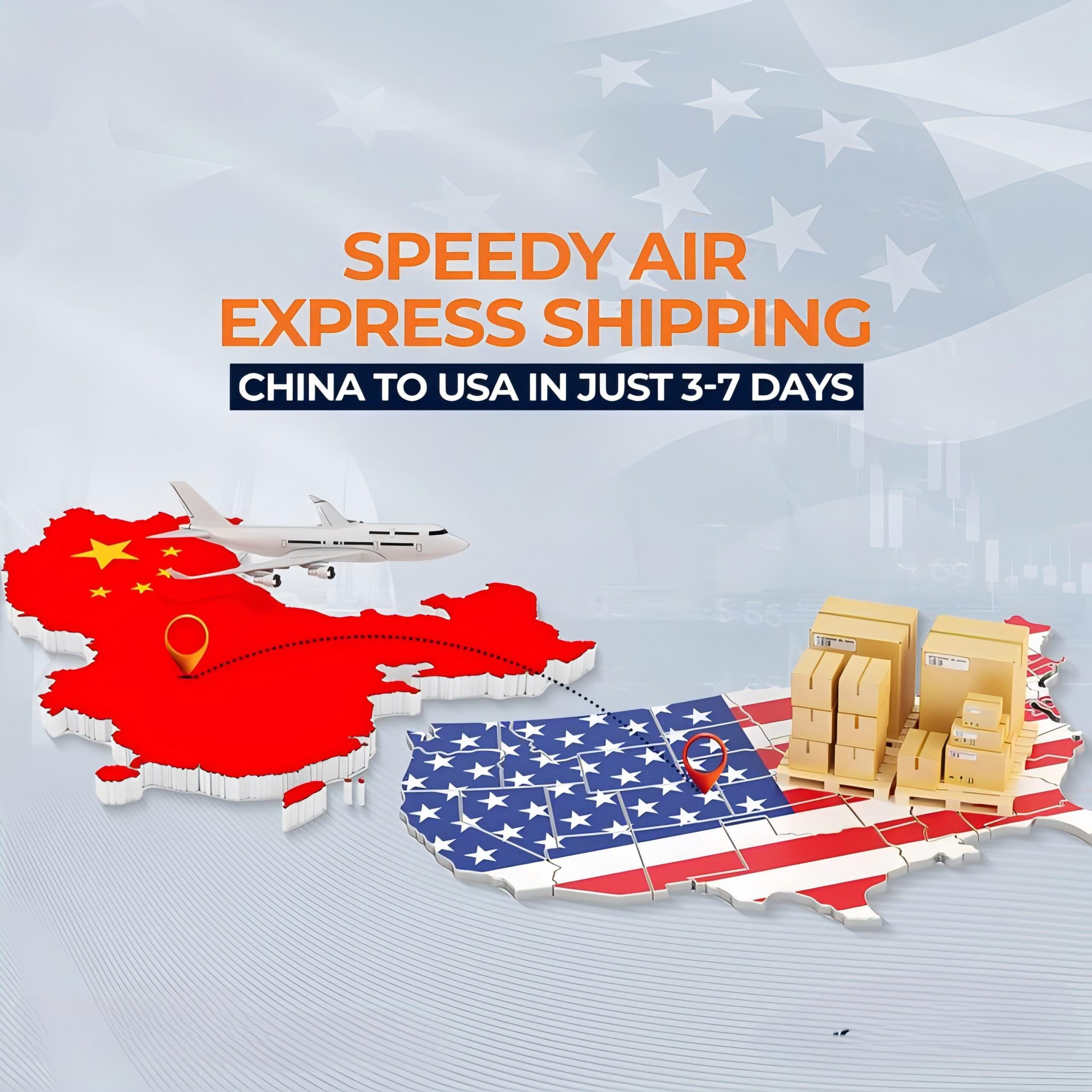
When your business requires rapid replenishment, air freight becomes the most viable solution. This method is particularly popular for electronics, fashion, and perishable goods that lose value over time. Moreover, the high frequency of flights ensures that your cargo can be dispatched almost daily from major hubs like Shanghai or Shenzhen. Consequently, you can maintain lower inventory levels and respond quickly to market demands.
Security is another major benefit of choosing air transport for your international shipments. Airports maintain strict access controls and advanced surveillance, which significantly reduces the risk of theft or damage. Additionally, the shorter transit time means less handling and exposure to environmental elements compared to sea routes. Therefore, many high-value brands prefer this method despite the higher logistics costs involved.
Note: Freight rates are subject to change based on fuel costs, carrier capacity, and seasonal demand. Contact us for a current quote tailored to your specific shipment.
Case Study 1: Shipping Electronics from Shenzhen to Hamburg
Route: Shenzhen, China to Hamburg, Germany. Cargo: Consumer Electronics, 65 CBM, 12,000 kg. Container: 1 x 40HQ. Shipping Method: Sea Freight (FCL) via Major Carrier. Port of Loading: Shenzhen (Yantian). Port of Discharge: Hamburg. Route Type: Direct.
Cost Breakdown: Ocean Freight: $3,850. Origin Charges: $450. Destination Charges: $600. Customs and Duties: $1,200. Total Landed Cost: $6,100. Timeline: Booking to Loading: 3 days. Sea Transit: 32 days. Customs Clearance: 2 days. Total Door-to-Door: 38 days.
Key Insight: By choosing a direct route during the Q1 stabilization period, the client avoided transshipment delays in Singapore. This saved approximately 6 days of transit time. Utilizing door to door service also reduced the administrative burden on the importer. Typical rates as of early 2025 suggest that direct routes remain 10% more expensive but offer significantly better reliability.
Case Study 2: Air Freight Delivery to New York
Route: Shanghai, China to New York (JFK), USA. Cargo: High-end Apparel, 2.5 CBM, 480 kg. Shipping Method: Air Freight. Airline: Cathay Pacific. Port of Loading: Shanghai Pudong (PVG). Port of Discharge: New York (JFK). Route Type: Express.
Cost Breakdown: Air Freight Charge: $4,320. Fuel and Security Surcharges: $380. Customs Brokerage: $150. Delivery to Warehouse: $250. Total Landed Cost: $5,100. Timeline: Pickup to Flight: 1 day. Air Transit: 18 hours. Customs Clearance: 1 day. Total Door-to-Door: 4 days.
Key Insight: The client opted for air freight to meet a seasonal launch deadline. Although the cost was higher than sea freight, the speed allowed them to capture peak market prices. Market data suggests that for shipments under 500kg with high margins, air freight provides a superior return on investment compared to slow ocean transit.
Which Option Should You Choose for Your Business?
Deciding on the best shipping method requires an analysis of your budget, cargo type, and urgency. If your primary goal is to minimize shipping costs and you have lead times exceeding 45 days, sea freight is the clear winner. However, if you are shipping samples or urgent replacements, express services are worth the investment. Transitioning between methods based on seasonal demand can also help balance your logistics spend over the fiscal year.
Volume thresholds often dictate the most economical choice for many importers. For instance, once a shipment exceeds 100kg, air freight becomes more cost-effective than express couriers. Similarly, when a shipment reaches 15 CBM, booking a 20GP container often costs less than paying for LCL space. Consequently, calculating these break-even points is a vital part of supply chain management.
Hybrid solutions offer a middle ground for businesses that need a balance of speed and cost. Sea-air combinations involve shipping goods by sea to a hub like Dubai and then flying them to the final destination. This approach can save up to 40% in costs compared to pure air freight while being twice as fast as sea freight. Without a doubt, exploring these creative logistics trends can give your business a competitive edge.
Essential Customs Brokerage and Documentation Requirements
Navigating the legal requirements of international trade is often the most daunting task for new importers. Every shipment requires a set of mandatory documents including a Commercial Invoice, Packing List, and Bill of Lading. Furthermore, specific products may require certificates of origin or safety compliance documents like MSDS for batteries. Failing to provide accurate paperwork can result in costly delays and port storage fees.
Professional customs brokerage services ensure that your goods are classified correctly under the Harmonized System (HS) codes. This classification determines the duty rates and taxes you must pay upon arrival. Additionally, brokers can identify opportunities for duty drawbacks or trade agreement exemptions. Therefore, expert guidance in this area is essential for maintaining compliance and minimizing expenses.
Below is a checklist of the most common documents required for international shipping from China.
| Document Name | Purpose | Required By |
|---|---|---|
| Commercial Invoice | Details transaction value and cargo description | Customs / Bank |
| Packing List | Specifies weight, dimensions, and packaging | Carrier / Customs |
| Bill of Lading | Acts as a title to the goods and transport contract | Carrier / Importer |
| Certificate of Origin | Verifies where the goods were manufactured | Customs |
Strategies to Reduce International Shipping Costs
Reducing your logistics expenses requires a proactive approach to planning and negotiation. One effective strategy is to consolidate multiple small orders from different suppliers into a single container. This reduces the number of fixed origin charges and improves your bargaining power with carriers. Moreover, choosing the right Incoterms, such as FOB (Free On Board), gives you more control over the freight rates and carrier selection.
Optimizing your packaging can also lead to significant savings, especially for air and LCL shipments where volume determines the price. By reducing excess space in boxes and using lightweight materials, you can lower the chargeable weight of your cargo. Additionally, booking your shipments at least 2-3 weeks in advance allows you to secure lower rates before peak season price hikes. These small adjustments can cumulatively save a significant portion of your annual budget.
For businesses selling on platforms like Amazon, utilizing specialized Amazon FBA logistics services is highly recommended. These services are tailored to meet the strict labeling and delivery requirements of Amazon fulfillment centers. Consequently, you avoid the risk of rejected shipments and additional handling fees. Indeed, a forwarder who understands the nuances of FBA can be a game-changer for your e-commerce success.
Mastering Global Trade with the Right Partner
In conclusion, choosing a professional china freight forwarder international is the most effective way to manage the complexities of modern logistics. By understanding the differences between sea, air, and rail freight, you can align your shipping strategy with your business goals. Remember to account for transit times, customs requirements, and seasonal market fluctuations when planning your imports.
Global China Forwarder remains committed to providing transparent, efficient, and cost-effective solutions for businesses of all sizes. Whether you are shipping a single pallet or a hundred containers, our expertise ensures your success in the global marketplace. Start your journey toward a more resilient supply chain today by partnering with industry experts who prioritize your growth.
Ready to streamline your logistics?
Ready to optimize your supply chain with a trusted china freight forwarder international? Contact Global China Forwarder today for a customized quote and expert logistics advice.
Request Quote