

China Warehouse Fulfillment Service for Amazon: 2026 Strategy Guide
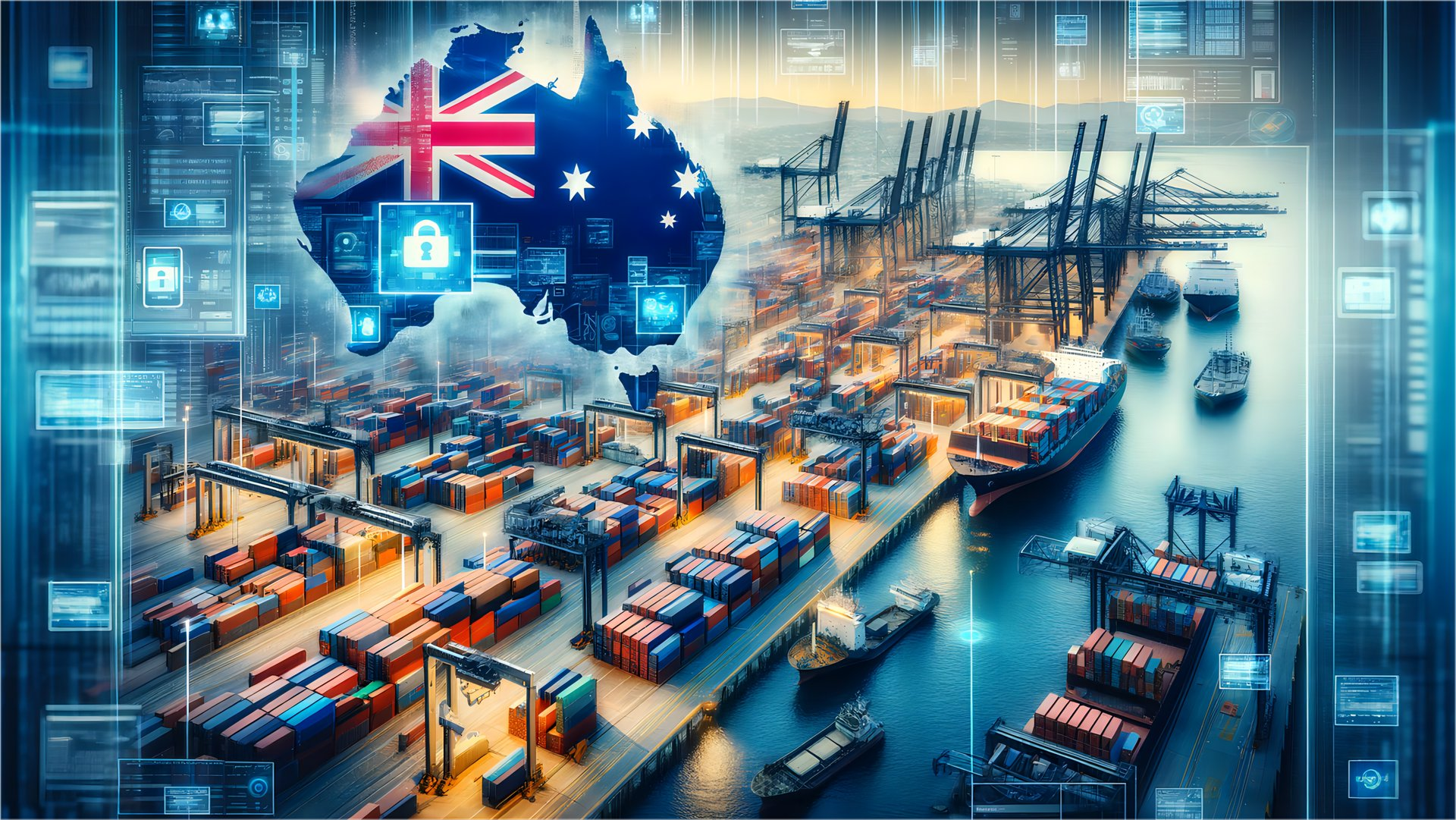
Managing an e-commerce business requires a seamless integration of sourcing and logistics to maintain a competitive edge. Utilizing a china warehouse fulfillment service for amazon allows sellers to inspect, prep, and consolidate inventory before it ever leaves Asia. This strategic approach reduces the risk of Amazon rejections and significantly lowers long-term storage fees by keeping bulk stock closer to the manufacturing source. As we move through 2026, savvy entrepreneurs are increasingly moving their quality control and labeling processes upstream to China to optimize their global supply chains.
Why Choose a China Warehouse Fulfillment Service for Amazon?
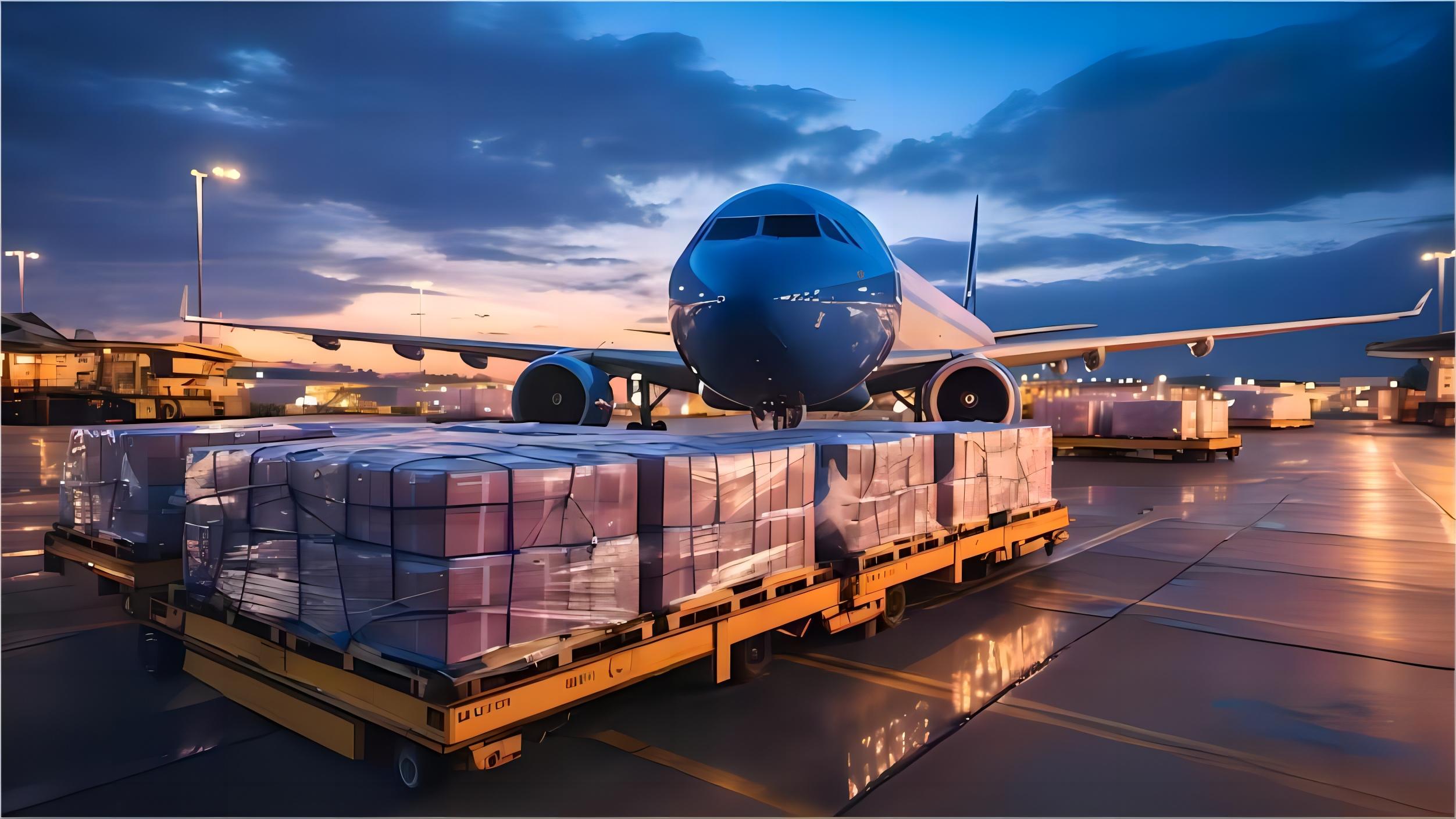
Implementing a centralized hub for your inventory in China offers unparalleled flexibility in managing stock levels across multiple international marketplaces. Consequently, sellers can respond more quickly to demand shifts without the high costs associated with domestic warehousing in the US or Europe. By using a professional Amazon FBA prep partner, you ensure that every unit meets strict compliance standards before shipping.
Moreover, the ability to consolidate shipments from various suppliers into a single container significantly reduces per-unit shipping costs. This consolidation process is essential for maintaining healthy margins in an increasingly crowded marketplace. Furthermore, local warehouses in China can perform intensive quality inspections that are far more cost-effective than hiring third-party inspectors for individual factory visits.
Additionally, the 2026 logistics landscape rewards those who minimize transit friction through early intervention. When you identify product defects at the source, you avoid the nightmare of paying for international freight on unsellable goods. Therefore, the warehouse acts as a critical gatekeeper in your quality assurance protocol.
How Does FBA Prep in China Save You Money?
Labor costs for specialized tasks like kitting, bundling, and labeling remain significantly lower in China compared to Western fulfillment centers. For example, a complex multi-pack assembly that might cost two dollars per unit in the US can often be completed for a fraction of that in a Shenzhen facility. This direct cost saving goes straight to your bottom line, allowing for more aggressive marketing spend.
In addition to labor savings, you can avoid the dreaded FBA inventory placement fees by shipping floor-loaded or palletized goods directly to the specific regions Amazon dictates. Meanwhile, the warehouse can store your bulk surplus at rates that are often 70 percent lower than Amazon’s monthly storage fees. This allows you to maintain a lean inventory profile within the Amazon ecosystem while having a deep reserve ready for rapid replenishment.
Specifically, many sellers are now utilizing ‘drip-feeding’ strategies where small, frequent shipments are sent to FBA. This keeps the IPI score high and prevents overstocking penalties. Consequently, the China warehouse serves as the primary engine for this just-in-time inventory model.
Comparing Shipping Methods for Amazon Sellers
Choosing the right transportation mode is a balance between speed, cost, and the nature of your cargo. While sea freight remains the backbone of global trade for large volumes, it requires careful planning to account for longer transit times. On the other hand, air freight provides the velocity needed for high-value electronics or seasonal fashion launches.
Market data suggests that in early 2026, sea freight rates have stabilized, making it the most economical choice for shipments exceeding 2 CBM. However, for smaller parcels or urgent restocks, express services are often the only viable path to avoid ‘out of stock’ status. To summarize the options, we have provided a detailed comparison below.
| Method | Avg Cost (per kg/CBM) | Transit Time | Best For |
|---|---|---|---|
| Sea Freight (LCL) | $150 – $300 per CBM | 25-40 Days | Heavy/Bulky Goods |
| Air Freight | $4.50 – $7.00 per kg | 5-10 Days | Urgent Restocks |
| Express Courier | $7.00 – $12.00 per kg | 3-5 Days | Small Samples/High Value |
| Rail Freight | $100 – $180 per CBM | 18-25 Days | Europe-bound Cargo |
How Does China Warehouse Fulfillment Compare to Other Shipping Options?
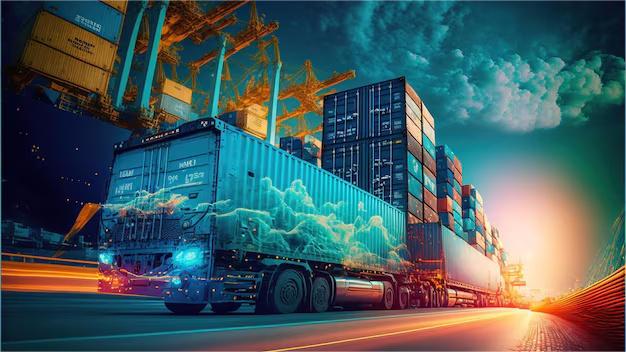
Direct-from-factory shipping might seem simpler, but it often leads to catastrophic labeling errors and packaging damage that Amazon will not tolerate. In contrast, using a dedicated fulfillment hub ensures that every box is weighed, measured, and labeled according to the latest 2026 FBA requirements. This middle step is the difference between a smooth check-in and a month-long inventory discrepancy.
While some sellers prefer using a domestic 3PL in their home country, this often results in double-handling fees. You pay to ship to the domestic 3PL, pay for prep, and then pay again to ship to Amazon. By completing these tasks in China, you streamline the movement of goods and reduce the total number of touches in the supply chain.
Indeed, the hybrid approach of storing bulk in China and shipping via DDP (Delivered Duty Paid) services is the most efficient model for mid-sized brands. This method provides the control of a private warehouse without the massive overhead of international leases.
| Shipping Strategy | Cost Range | Transit Time | Limitations |
|---|---|---|---|
| Direct Factory to FBA | Low | Variable | High Error Risk |
| China Hub to FBA | Moderate | Optimized | Requires 3PL Partner |
| Domestic 3PL to FBA | High | Fast (Local) | Expensive Storage |
| Hybrid Sea-Air | Medium | 15-20 Days | Complex Tracking |
Which Option Should You Choose?
Your decision should be based primarily on your current inventory turnover and profit margins. If your budget is the priority and you have a high-volume, low-margin product, sea freight combined with a China warehouse is the only way to remain profitable. Conversely, if you are launching a new product and need to test the market quickly, air freight or express shipping is the better choice despite the higher cost.
For cargo type considerations, fragile items or electronics benefit greatly from the extra palletization and protective wrapping provided by a China fulfillment center. Meanwhile, for volume thresholds, once you exceed 15 CBM, you should transition from LCL to FCL (Full Container Load) to maximize your shipping spend. Always consider the seasonal fluctuations; for instance, rates typically increase 15-25% during the August-October peak season.
Note: Freight rates are subject to change based on fuel costs, carrier capacity, and seasonal demand. Contact us for a current quote tailored to your specific shipment.
Case Study 1: Scaling a Private Label Brand
Route: Shenzhen, China to Los Angeles, USA. Cargo: Ergonomic Office Chairs, 22 CBM, 4,500 kg. Container: 1 x 20GP. Shipping Method: Sea Freight (Matson Clipper).
Cost Breakdown: Ocean Freight: $2,100. Origin Charges: $450. Destination Charges: $600. Customs and Duties: $1,200. Total Landed Cost: $4,350.
Timeline: Booking to Loading: 3 days. Sea Transit: 12 days. Customs Clearance: 2 days. Total Door-to-Door: 22 days. Key Insight: Using a premium sea service like Matson allowed the seller to avoid port congestion while keeping costs 60% lower than air freight. Based on Q3 2025 market rates.

Case Study 2: Rapid Restocking via Air Freight
Route: Ningbo, China to Hamburg, Germany. Cargo: Smart Home Sensors, 1.5 CBM, 400 kg. Shipping Method: Air Freight (Standard).
Cost Breakdown: Air Freight: $2,600. Origin Charges: $200. Destination Charges: $350. Customs and Duties: $800. Total Landed Cost: $3,950.
Timeline: Booking to Loading: 2 days. Air Transit: 3 days. Customs Clearance: 1 day. Total Door-to-Door: 8 days. Key Insight: The seller utilized customs brokerage experts to clear goods in 24 hours, preventing an out-of-stock event during a Prime Day promotion. Typical rates as of early 2026.
Navigating Customs and Compliance in 2026
Customs regulations are constantly evolving, particularly regarding battery-operated devices and textile products. Therefore, having a partner who understands the nuances of HTS codes and import duties is vital. A door to door service often includes these complexities in a single quote, providing peace of mind for the importer.
Furthermore, ensuring that your commercial invoice and packing list are perfectly aligned with the physical goods in the China warehouse prevents costly inspections at the border. Consequently, the warehouse team acts as your final line of defense against documentation errors. In addition, they can help navigate the specific requirements for different regions, such as North America or Europe.
According to industry benchmarks, over 30 percent of customs delays are caused by simple paperwork discrepancies. By centralizing fulfillment and documentation in one location, you significantly reduce the likelihood of these setbacks. Indeed, professional logistics management is as much about data accuracy as it is about moving boxes.
The Future of Amazon Logistics Starts in China
To summarize, leveraging a china warehouse fulfillment service for amazon is no longer an optional luxury but a necessity for scaling brands in 2026. By moving quality control, labeling, and consolidation to the source, you gain better control over your inventory and significantly reduce landed costs. This strategic shift allows you to focus on marketing and brand growth while leaving the logistical heavy lifting to experts.
As market trends continue to favor speed and compliance, the integration of a professional China-based hub will remain a cornerstone of successful e-commerce operations. Whether you are shipping via sea, air, or rail, the foundation of a solid supply chain is built in the warehouse. Take the next step in your business journey by optimizing your logistics today.
Need a tailored shipping solution?
Ready to streamline your Amazon supply chain and reduce overhead? Contact Global China Forwarder today for a comprehensive quote on our china warehouse fulfillment service for amazon and see how we can optimize your 2026 shipping strategy. Visit our website to get started.