


China to UAE Door to Door Logistics: 2026 Shipping Guide | Top 5 Shipping Options for China to UAE Door to Door Logistic
Navigating the complexities of international trade requires a partner who understands the nuances of global supply chains. If you are looking to streamline your operations, choosing Global China Forwarder ensures your cargo moves efficiently from the factory floor directly to your warehouse. This comprehensive guide explores the essential aspects of China to UAE door to door logistics, helping you overcome common shipping challenges while maximizing your profitability in the 2026 market.
✦What Is China to UAE Door to Door Logistics?
Door to door logistics represents a seamless shipping solution where the freight forwarder manages the entire journey of the goods. Consequently, the process begins at the supplier’s location in China and ends at the recipient’s specified address in the United Arab Emirates. This method eliminates the need for the importer to coordinate multiple transport legs or handle complex port procedures.
Moreover, this all-inclusive service typically covers pickup, international transit, customs clearance, and final mile delivery. Businesses often prefer this model because it simplifies the supply chain and provides a single point of accountability. In the 2026 logistics landscape, technology integration has further enhanced visibility, allowing for real-time tracking from origin to destination.
Additionally, choosing a professional provider helps mitigate risks associated with damaged cargo or documentation errors. Since the forwarder handles every step, they can optimize the route and select the most reliable carriers. This comprehensive approach is particularly beneficial for small to medium enterprises that may lack dedicated logistics departments.
Furthermore, door to door services are highly adaptable to different cargo types, ranging from small parcels to full container loads. Whether you are importing electronics from Shenzhen or textiles from Guangzhou, this service provides a tailored solution. Ultimately, it allows business owners to focus on sales and marketing rather than the technicalities of freight movement.

Benefits of Choosing Door to Door Services for Your Business
One of the primary advantages of this shipping model is the significant reduction in administrative burden for the importer. Instead of communicating with separate trucking companies, sea carriers, and customs brokers, you only deal with one entity. Therefore, communication becomes more streamlined and the likelihood of misunderstandings decreases significantly.
Cost predictability is another major benefit that attracts many international traders. Most door to door quotes are comprehensive, covering all foreseeable expenses such as terminal handling charges and delivery fees. As a result, companies can calculate their landed costs more accurately and maintain better control over their profit margins.
Efficiency in transit time is often improved because the forwarder synchronizes each stage of the journey. For instance, local trucking in the UAE is scheduled to coincide with the arrival of the vessel or aircraft. This proactive planning prevents unnecessary delays at the port or airport warehouses, ensuring faster delivery to the end customer.
Security is also enhanced throughout the transport process. Because the same logistics partner oversees the entire movement, there is better oversight of cargo handling. Consequently, the risk of loss or theft during transshipment is minimized, providing peace of mind for high-value shipments.
How Does Sea Freight Compare to Other Shipping Options?
When evaluating your transportation strategy, sea freight remains the most popular choice for large-scale imports. It offers the best balance between capacity and cost, especially for bulky items or high-volume orders. In 2026, ocean carriers have improved their schedules, offering more direct routes from major Chinese ports to Jebel Ali and Khalifa Port.
However, the primary trade-off for the lower cost is the longer transit time compared to air transport. While sea freight may take several weeks, it allows for the transport of hazardous materials and oversized cargo that air freight cannot accommodate. Meanwhile, the development of eco-friendly vessels has made sea transport a more sustainable option for environmentally conscious brands.
Indeed, for shipments exceeding 2 cubic meters, sea freight is almost always more economical than air options. Businesses can choose between Full Container Load (FCL) for maximum security or Less than Container Load (LCL) to save money on smaller volumes. This flexibility ensures that companies of all sizes can access international markets effectively.
| Shipping Method | Cost Range | Transit Time | Best For | Limitations |
|---|---|---|---|---|
| Sea Freight (FCL) | $2,200 – $3,500 per 40HQ | 22 – 30 Days | Bulk goods, high volume | Slowest transit time |
| Sea Freight (LCL) | $150 – $280 per CBM | 25 – 35 Days | Small business inventory | Higher risk of handling |
| Air Freight | $4.50 – $7.50 per kg | 3 – 7 Days | Urgent, high-value items | Expensive for heavy items |
| Express Service | $8.50 – $13.00 per kg | 2 – 4 Days | Samples, documents | Highest cost per unit |
The Role of Air Freight in Urgent China to UAE Shipments
For businesses dealing with time-sensitive products, air freight provides an unparalleled advantage. In the fast-paced UAE market, being the first to stock a new product can be the difference between success and failure. Consequently, many electronics and fashion retailers rely on air transport to maintain their competitive edge.
Furthermore, air transport offers superior security and a much lower risk of damage during transit. The shorter duration of the journey means that goods spend less time in the supply chain, reducing the need for heavy packaging. Therefore, while the freight rate is higher, you might save on packaging materials and insurance premiums.
Interestingly, the UAE serves as a major global aviation hub, with Dubai International Airport and Al Maktoum International handling massive cargo volumes. This infrastructure ensures that flights from Chinese hubs like Shanghai, Shenzhen, and Hong Kong arrive daily. As a result, customs clearance for air cargo is often expedited, allowing for same-day or next-day delivery after arrival.

Step-by-Step Process of Door to Door Shipping
The journey begins with a detailed consultation to determine the specific needs of your door to door shipment. Initially, the forwarder collects the goods from the supplier’s warehouse in China, ensuring all export documentation is in order. This first leg is crucial for setting the pace for the rest of the logistics chain.
Next, the cargo is transported to the port of loading where it undergoes export customs clearance. Once cleared, the goods are loaded onto the vessel or aircraft for their international transit. During this phase, the logistics provider monitors the shipment’s progress and provides regular updates to the client.
Upon arrival in the UAE, the forwarder manages the import customs clearance process, paying any necessary duties and taxes on behalf of the importer. Subsequently, the goods are transferred to a local delivery vehicle for the final journey to your doorstep. This structured approach ensures that every hurdle is cleared before it can cause a delay.
Understanding UAE Customs and Import Regulations in 2026
Navigating UAE customs requires a deep understanding of local laws and the Sabre system for product registration. Every shipment must be accompanied by a commercial invoice, packing list, and certificate of origin. Additionally, certain goods such as food products, medical devices, and cosmetics require specific approvals from relevant ministries.
Fortunately, the UAE government has implemented digital initiatives to streamline the customs process. In 2026, the integration of blockchain technology has made document verification faster and more secure. Nevertheless, any discrepancy in the paperwork can still lead to significant fines or cargo seizures, making expert guidance essential.
Standard customs duties in the UAE are typically 5% of the CIF value for most goods, though some items are exempt. On the other hand, ‘sin taxes’ apply to products like tobacco and energy drinks, which can be as high as 100%. Understanding these costs upfront is vital for maintaining a healthy bottom line.
| Document Name | Required For | Purpose | Issuer |
|---|---|---|---|
| Commercial Invoice | All Shipments | Value verification | Supplier |
| Packing List | All Shipments | Content verification | Supplier |
| Certificate of Origin | All Shipments | Trade agreement check | Chamber of Commerce |
| Bill of Lading | Sea Freight | Title of goods | Shipping Line |
Which Option Should You Choose for Your Business?
Choosing the right logistics strategy depends on your budget, cargo volume, and required delivery speed. If you are shipping more than 15 cubic meters of goods, FCL sea freight is usually the most cost-effective choice. However, for smaller shipments under 200kg, air freight or express services might offer better value when considering total lead time.
Budget-conscious importers should prioritize sea freight and plan their inventory well in advance to account for longer transit times. In contrast, those with high-value or perishable items must opt for air transport despite the higher costs. We recommend analyzing your sales cycles to determine when speed outweighs the expense of premium shipping.
Hybrid solutions, such as sea-air shipping via transit hubs, can offer a middle ground for those seeking a balance. This approach saves approximately 40% in costs compared to pure air freight while being significantly faster than traditional sea routes. Evaluating these alternatives ensures you remain agile in the dynamic UAE marketplace.
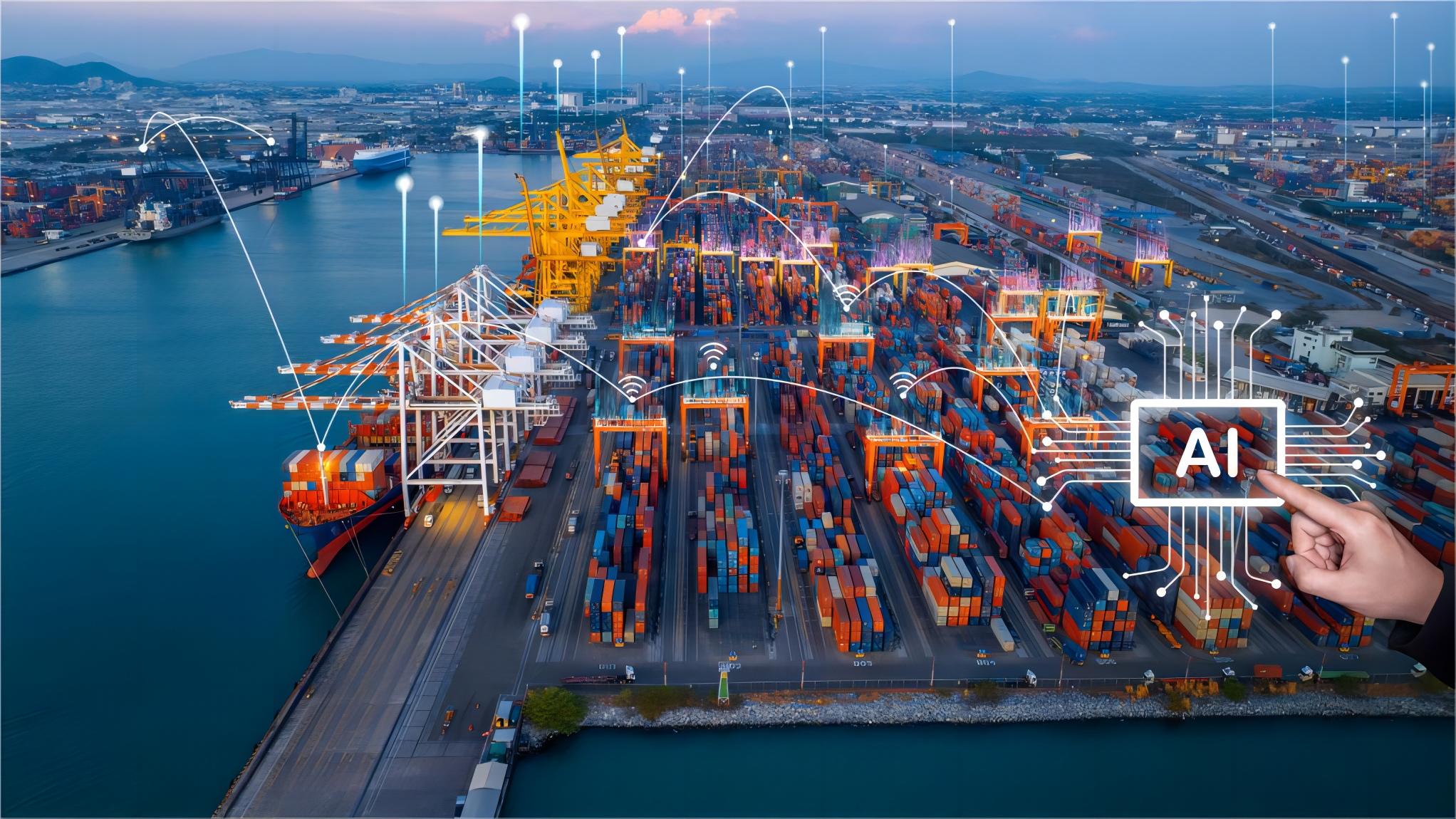
Case Studies: Real-World Logistics Solutions
To illustrate the effectiveness of our services, let us look at some recent successful shipments handled in early 2026.
Case Study 1: Electronics Distribution Route: Shenzhen, China to Dubai, UAE Cargo: Smart Home Devices, 8 CBM, 1,400 kg Container: LCL (Less than Container Load) Shipping Details: – Carrier: Major Ocean Carrier – Port of Loading: Shenzhen – Port of Discharge: Jebel Ali – Route Type: Direct Cost Breakdown: – Ocean Freight: $1,650 – Origin/Destination Charges: $550 – Customs & Duties: $1,200 – Total Landed Cost: $3,400 Timeline: – Booking to Loading: 3 days – Sea Transit: 22 days – Customs Clearance: 2 days – Total Door-to-Door: 27 days Key Insight: By using LCL, the client maintained stock levels without the high cost of air freight during a non-peak period.
Case Study 2: Industrial Machinery Route: Shanghai, China to Abu Dhabi, UAE Cargo: CNC Machine Parts, 450 kg Shipping Method: Air Freight Shipping Details: – Carrier: Emirates SkyCargo – Port of Loading: Shanghai Pudong – Port of Discharge: Abu Dhabi International – Route Type: Direct Cost Breakdown: – Air Freight: $2,475 ($5.50/kg) – Origin/Destination Charges: $350 – Customs & Duties: $950 – Total Landed Cost: $3,775 Timeline: – Booking to Loading: 1 day – Air Transit: 1 day – Customs Clearance: 1 day – Total Door-to-Door: 4 days Key Insight: Urgent machinery parts were delivered in under a week, preventing a costly production line shutdown for the UAE client.
Strategies for Reducing Logistics Expenses
Reducing your shipping costs starts with optimizing your packaging to minimize wasted space and weight. Since freight rates are often calculated based on volumetric weight, compact packaging can lead to significant savings. Additionally, consolidating multiple small orders into a single shipment helps you take advantage of better rates for higher volumes.
Negotiating with your suppliers for FOB (Free on Board) terms allows you to have more control over the shipping process. By choosing your own forwarder, you can access competitive market rates rather than relying on the supplier’s potentially inflated shipping costs. This transparency is vital for long-term financial planning in international trade.
Utilizing an express service for samples and urgent documents can also save money in the long run by avoiding full-scale freight costs for small items. Furthermore, staying informed about seasonal fluctuations allows you to book shipments during off-peak windows when rates are lower. Planning your major imports outside of the pre-Chinese New Year rush can save you up to 20% on freight costs.
Finally, for businesses selling on global platforms, Amazon FBA logistics services can streamline the fulfillment process. These specialized services ensure your products meet all platform requirements, reducing the risk of rejected shipments and additional storage fees. Efficient logistics is not just about moving goods; it is about protecting your bottom line.
Mastering Your China to UAE Door to Door Logistics
In summary, successful international trade between China and the UAE depends on a reliable and efficient logistics strategy. By understanding the benefits of door to door services, you can significantly reduce the complexity and risk associated with global shipping. Whether you choose the speed of air freight or the economy of sea freight, the key is to work with a partner who understands the 2026 market dynamics.
As we have explored, staying informed about customs regulations and shipping trends is essential for any modern business. China to UAE door to door logistics provides the flexibility and security needed to thrive in today’s competitive environment. Start planning your next shipment with confidence and watch your business reach new heights in the Middle East.
Ready to simplify your supply chain? Contact our expert team today to receive a personalized quote for your China to UAE door to door logistics needs. Visit our inquiry page to get started with a free consultation and discover how we can optimize your shipping costs for 2026. See: https://globalchinaforwarder.com/contact-us/
Request Quote