
China to UK Freight Forwarder Sea Air Shipping Service: 2026 Guide
Managing international logistics requires a precise balance of speed, cost, and reliability to maintain a healthy bottom line. Global China Forwarder provides specialized solutions for businesses navigating the complex trade lanes between Asian manufacturing hubs and British ports. This comprehensive guide explores how a professional China to UK freight forwarder sea air shipping service can streamline your 2026 supply chain operations while reducing overhead costs. Without a doubt, selecting the right transit method is the most critical decision for any UK-based importer seeking a competitive edge in today’s volatile market.
✦
Understanding the China to UK Shipping Landscape in 2026
Global trade dynamics have evolved significantly as we enter 2026, with new environmental regulations and technological advancements shaping the logistics industry. Furthermore, the maritime routes from China to the United Kingdom have faced various shifts due to changing port capacities and fuel price fluctuations. Importers must now account for these variables when planning their annual inventory cycles to avoid unexpected delays.
Consequently, working with an experienced partner has become more vital than ever for maintaining consistent product availability. Many businesses are moving away from single-mode transport in favor of diversified strategies that mitigate risks associated with port congestion or air space shortages. Indeed, the integration of real-time tracking and AI-driven route optimization has transformed how a China to UK freight forwarder sea air shipping service operates.
Meanwhile, the UK’s regulatory environment continues to demand strict compliance with safety and environmental standards for all imported goods. Therefore, understanding the nuances of the current market is the first step toward building a resilient and cost-effective supply chain. By staying informed about 2026 logistics trends, you can make data-backed decisions that protect your profit margins and satisfy your customers.
How Does Sea Freight Compare to Other Shipping Options?
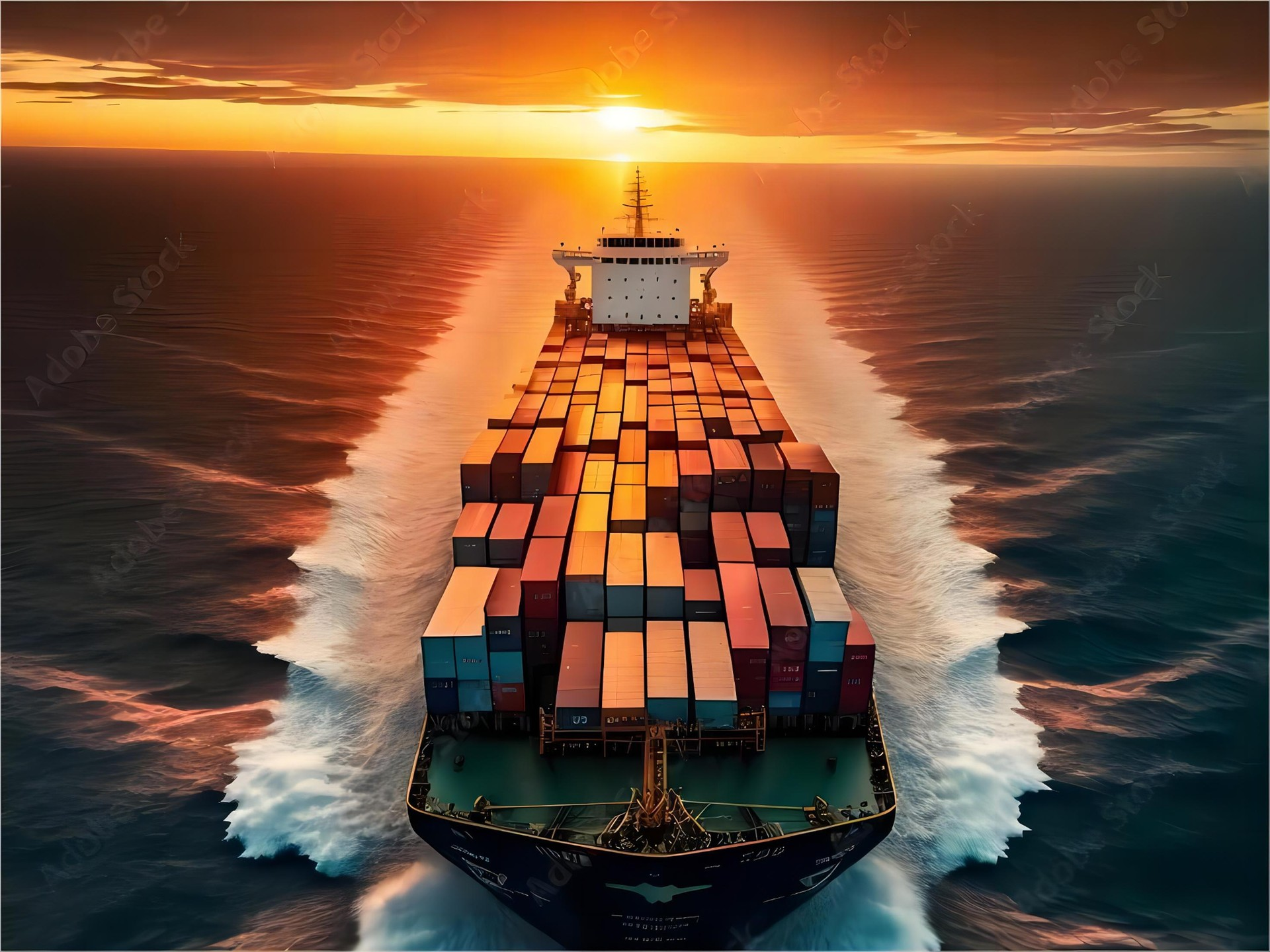
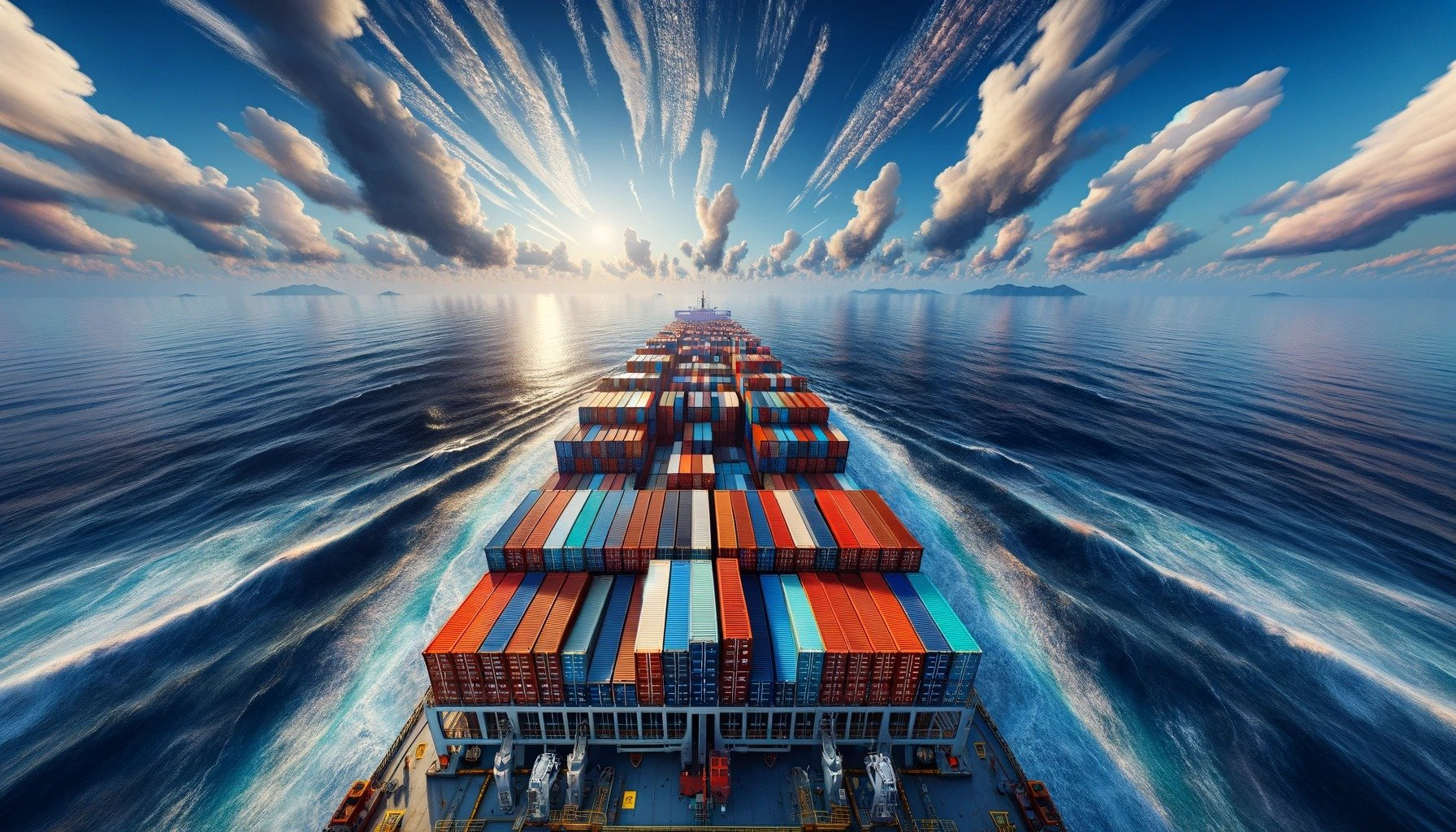
Choosing the right transportation method involves analyzing your specific cargo volume, budget constraints, and required delivery dates. For most large-scale shipments, sea freight remains the most economical choice despite longer transit times compared to other modes. Moreover, ocean transport offers the highest capacity for oversized or heavy items that would be prohibitively expensive to send by air.
However, air freight provides a necessary alternative for high-value electronics or seasonal fashion items that require rapid turnaround times. In contrast, rail freight has emerged as a popular middle-ground solution for those seeking faster speeds than sea without the high costs of air transport. Each method presents unique trade-offs that must be evaluated based on the specific needs of your business and the nature of your products.
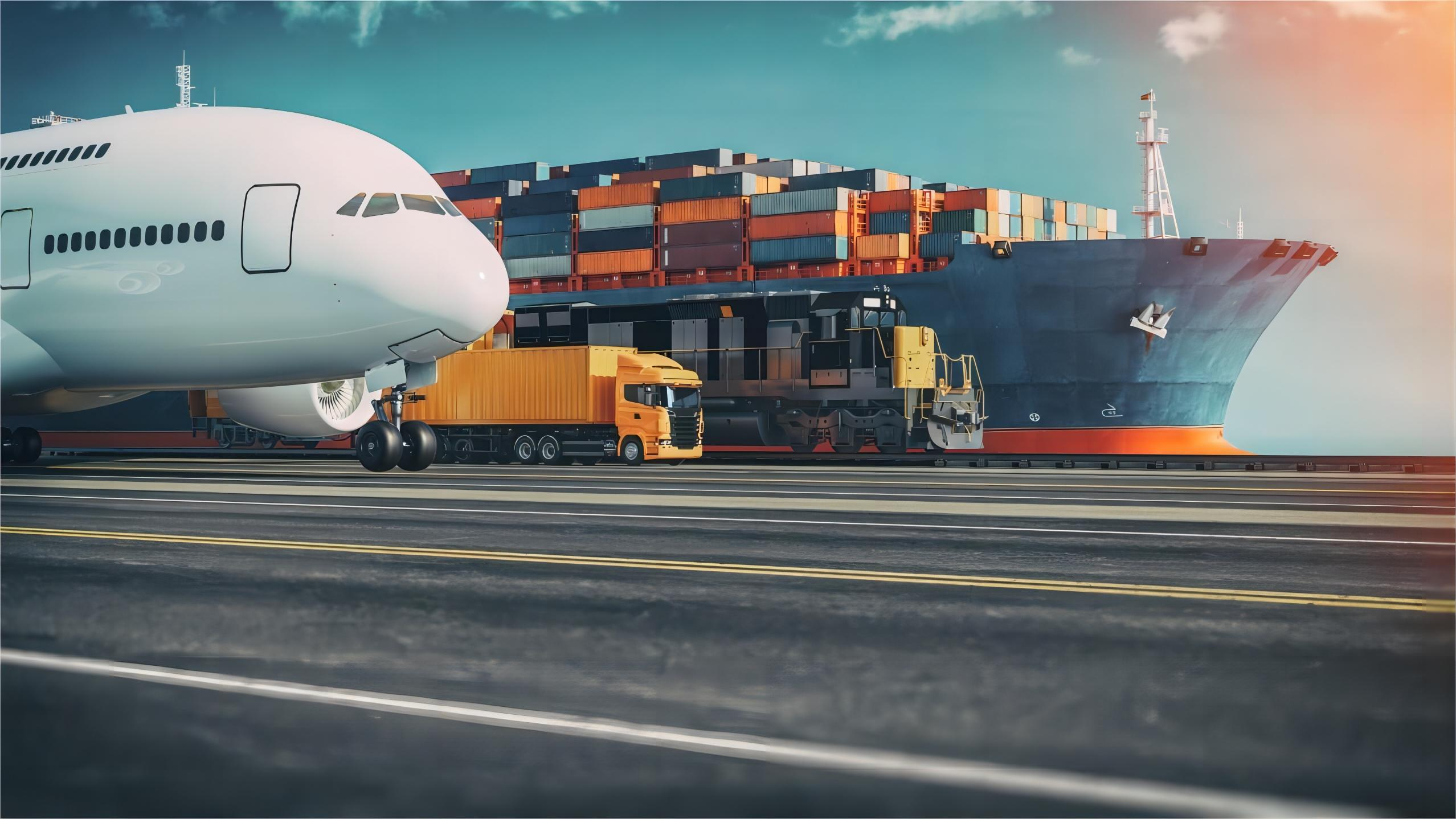
As a result, a multi-modal approach often provides the best results for complex inventory requirements. For instance, you might use sea freight for your core stock while reserving air freight for urgent restocks or product launches. This flexibility ensures that you are never left with empty shelves during peak shopping seasons in the UK.
| Shipping Method | Cost Range | Transit Time | Best For |
|---|---|---|---|
| Sea Freight (FCL) | $3,200 – $4,500 per 40HQ | 30-38 Days | Bulk goods, large volume |
| Air Freight | $4.50 – $7.50 per kg | 5-8 Days | High-value, urgent cargo |
| Rail Freight | $150 – $250 per CBM | 18-22 Days | Mid-range budget and speed |
| Express Service | $8.00 – $12.00 per kg | 3-5 Days | Samples and small parcels |
What are the Benefits of a China to UK Freight Forwarder Sea Air Shipping Service?
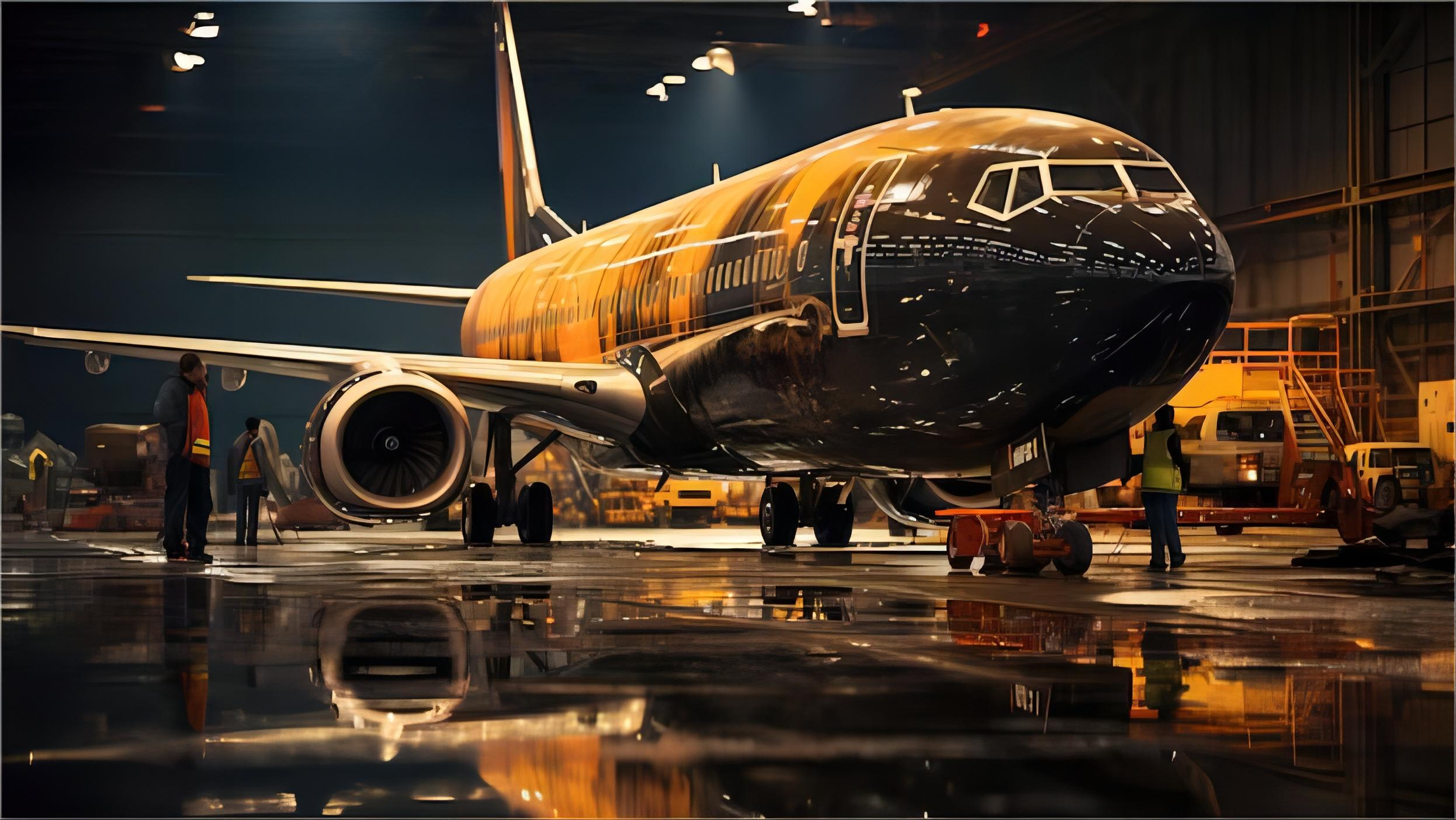
Utilizing a specialized air freight service for your UK imports ensures that your most time-sensitive goods bypass the lengthy maritime routes. Additionally, professional forwarders have established relationships with major airlines, which allows them to secure space even during the busy Q4 peak season. This reliability is essential for maintaining a lean inventory model and responding quickly to market trends.
Furthermore, sea-air hybrid solutions are becoming increasingly popular for businesses looking to optimize their logistics spend. These services typically involve shipping goods by sea from China to a transit hub like Dubai, followed by air transport to London or Manchester. Consequently, you can achieve a significant reduction in transit time compared to pure sea freight while saving up to 40% compared to direct air freight.
Indeed, the primary advantage of these services lies in their ability to adapt to your specific timeline. For example, if a production delay in China threatens your UK launch date, your forwarder can quickly pivot from sea to air to recover the lost time. This strategic flexibility is a hallmark of a high-quality China to UK freight forwarder sea air shipping service.
Navigating the Costs: 2026 Freight Rate Analysis
Understanding the components of your shipping quote is essential for accurate financial planning and price setting. Freight rates are influenced by several factors, including bunker adjustment factors (BAF), currency fluctuations, and seasonal demand spikes. Additionally, local charges at both the origin and destination ports can significantly impact the total landed cost of your goods.
Moreover, the 2026 market has seen a stabilization of rates after the disruptions of previous years, though fuel surcharges remain a variable concern. Therefore, it is always advisable to request a detailed breakdown of all fees to avoid hidden costs. For instance, port handling fees and documentation charges should be clearly outlined in your initial agreement with the forwarder.
Note: Freight rates are subject to change based on fuel costs, carrier capacity, and seasonal demand. Contact us for a current quote tailored to your specific shipment. Without a doubt, comparing quotes from multiple providers can help you identify the most competitive rates available in the current market.
| Container Type | Port of Loading | Port of Discharge | Est. Rate Range |
|---|---|---|---|
| 20GP FCL | Shenzhen / Ningbo | Felixstowe / Southampton | $2,000 – $2,800 |
| 40HQ FCL | Shanghai / Qingdao | London Gateway | $3,500 – $4,500 |
| LCL (per CBM) | Any Major Port | Any UK Port | $90 – $140 |
The Role of Customs Brokerage in UK Imports
Navigating the complexities of HMRC regulations is often the most challenging aspect of international trade for UK businesses. A professional customs brokerage service ensures that your paperwork is filed correctly and that you are paying the correct amount of VAT and duties. Furthermore, they can help you identify potential duty relief schemes or trade agreements that may apply to your specific products.
Consequently, errors in documentation can lead to costly delays at the border or even the seizure of your goods by authorities. To avoid these risks, your forwarder will manage the preparation of commercial invoices, packing lists, and certificates of origin. Indeed, having an expert handle these details allows you to focus on your core business activities while your cargo moves smoothly through the UK border.
Additionally, the post-Brexit landscape has introduced new requirements for goods entering the UK from outside the EU. Therefore, staying updated on the latest customs procedures is vital for any successful import operation. For example, understanding the difference between various HS codes can save your business thousands of pounds in unnecessary duty payments over time.
Is Rail Freight a Viable Alternative for Your UK Shipments?
For companies seeking a balance between speed and cost, rail freight offers a compelling alternative to traditional sea and air modes. The Silk Road rail link connects major Chinese industrial hubs directly to European terminals, with onward transport to the UK via short-sea shipping or the Eurotunnel. Moreover, rail transport is often cited as a more environmentally friendly option compared to air freight, appealing to eco-conscious brands.
However, transit times for rail can be affected by border crossings and gauge changes along the route. Despite these factors, rail remains significantly faster than sea freight, typically reaching the UK in about 20 to 25 days. As a result, many importers use rail for mid-value goods like machinery parts or consumer electronics that are too heavy for air but too urgent for sea.

In addition, rail freight rates are generally more stable than ocean freight, which can fluctuate wildly based on global shipping conditions. Consequently, incorporating rail into your logistics strategy can provide greater budget predictability for your annual shipping expenses. For instance, during periods of high ocean freight volatility, rail often becomes the most reliable choice for consistent delivery schedules.
Streamlining Deliveries with Door to Door Solutions
Choosing a door to door service simplifies the entire logistics chain by providing a single point of contact from the factory floor to your warehouse. This comprehensive approach eliminates the need for you to coordinate between multiple trucking companies, warehouses, and port agents. Furthermore, it provides greater visibility into the status of your shipment at every stage of the journey.
Moreover, door-to-door services often include final-mile delivery, which is frequently the most complex part of the process in congested UK urban areas. Therefore, your forwarder will arrange for a local courier or haulage company to deliver your goods directly to your specified address. Indeed, this level of service is particularly beneficial for small to medium-sized enterprises that may not have dedicated logistics departments.
Consequently, you can save significant time and administrative effort by outsourcing the entire process to a professional China to UK freight forwarder sea air shipping service. For example, if you are shipping goods to multiple UK locations, your forwarder can manage the distribution and ensure that each site receives its inventory on time. This end-to-end management is a key driver of operational efficiency.
Strategic Considerations for Amazon FBA Sellers
Selling on Amazon UK requires a specialized logistics approach to meet the platform’s strict receiving requirements and labeling standards. An experienced Amazon FBA shipping partner understands these nuances and can prepare your goods for immediate acceptance at fulfillment centers. Furthermore, they can help you manage inventory levels to avoid both stockouts and excessive long-term storage fees.
Additionally, many forwarders offer prep services in China, such as labeling, kitting, and quality inspections, before the goods ever leave the country. This proactive approach reduces the risk of Amazon rejecting your shipment due to non-compliance with their packaging guidelines. Consequently, you can maintain a high seller rating and ensure that your products are available for Prime delivery as soon as they arrive in the UK.
Meanwhile, choosing the right shipping method for FBA depends heavily on your product’s sales velocity and weight. For instance, high-demand items might be sent via air to keep up with rapid turnover, while bulkier, slower-moving goods are better suited for sea freight. Without a doubt, a tailored FBA shipping strategy is essential for maximizing your profitability on the Amazon platform.
Realistic Case Studies for UK Shipments
Case Study 1: High-Value Electronics Distribution. Route: Shenzhen, China to London, UK. Cargo: 500kg of premium headphones. Method: Air Freight. Ocean Freight: N/A. Origin/Destination Charges: $450. Customs and Duties: $1,200. Total Landed Cost: $4,650. Timeline: 6 days door-to-door. Key Insight: Air freight was chosen to meet a strict product launch deadline, ensuring the client captured early market demand.
Case Study 2: Home Furniture Retailer. Route: Ningbo, China to Felixstowe, UK. Cargo: 68 CBM (1x40HQ Container) of wooden dining sets. Method: Sea Freight (FCL). Ocean Freight: $3,850. Origin/Destination Charges: $900. Customs and Duties: $2,100. Total Landed Cost: $6,850. Timeline: 36 days door-to-door. Key Insight: FCL sea freight provided the lowest cost per unit, allowing the retailer to maintain competitive pricing in the UK market.
Case Study 3: Industrial Component Supply. Route: Shanghai, China to Birmingham, UK. Cargo: 5 CBM of precision valves. Method: Rail Freight (LCL). Rail Freight: $1,100. Origin/Destination Charges: $350. Customs and Duties: $600. Total Landed Cost: $2,050. Timeline: 22 days door-to-door. Key Insight: Rail freight offered a 14-day time saving over sea freight at a fraction of the cost of air, perfectly balancing urgency and budget.
Which Option Should You Choose? Decision Framework
Selecting the optimal shipping method requires a clear understanding of your business priorities and the specific characteristics of your cargo. If your primary goal is to minimize costs and your lead times allow for a month of transit, sea freight is almost always the superior choice. However, if you are shipping perishable goods or high-value items that depreciate quickly, the speed of air freight justifies the higher expense.
Moreover, consider the volume of your shipment when deciding between FCL and LCL sea freight. For shipments over 15 CBM, booking a full 20GP container is often more cost-effective than paying for individual cubic meters in a shared container. Consequently, consolidating your orders can lead to significant savings over the long term. Therefore, analyzing your shipping patterns is essential for identifying consolidation opportunities.
In addition, always factor in the total landed cost rather than just the freight rate. This includes duties, taxes, insurance, and local handling fees that can vary significantly between different ports and transport modes. For instance, while air freight has a higher initial rate, it may reduce your insurance and warehousing costs due to the shorter time spent in transit. Use this framework to evaluate every shipment and optimize your 2026 logistics strategy.
Mastering Your UK Import Strategy
In conclusion, navigating the trade routes between China and the United Kingdom requires a strategic approach that balances cost, speed, and reliability. By leveraging a professional China to UK freight forwarder sea air shipping service, you can overcome the challenges of international logistics and ensure your goods arrive safely and on time. Whether you choose the economy of sea freight, the speed of air cargo, or the balance of rail, having an expert partner like Global China Forwarder is the key to success.
Furthermore, staying informed about market trends and regulatory changes in 2026 will allow you to adapt your strategy as conditions evolve. Remember to prioritize total landed costs and consider multi-modal solutions to maximize your efficiency. With the right planning and a trusted logistics provider, your business can thrive in the competitive UK market, turning your supply chain into a powerful engine for growth.