


China Freight Forwarder Amazon FBA Prep Warehouse Service USA 2026
Navigating the complexities of international trade requires a reliable partner to ensure your goods reach their destination efficiently. In 2026, finding a competent Global China Forwarder is the first step toward building a resilient supply chain. A dedicated china freight forwarder amazon fba prep warehouse service usa provides the critical link between Chinese manufacturing hubs and American consumers. Consequently, sellers who leverage these specialized services often experience fewer delays and lower overhead costs. This guide explores how to optimize your logistics strategy to maintain a competitive edge in the modern marketplace.
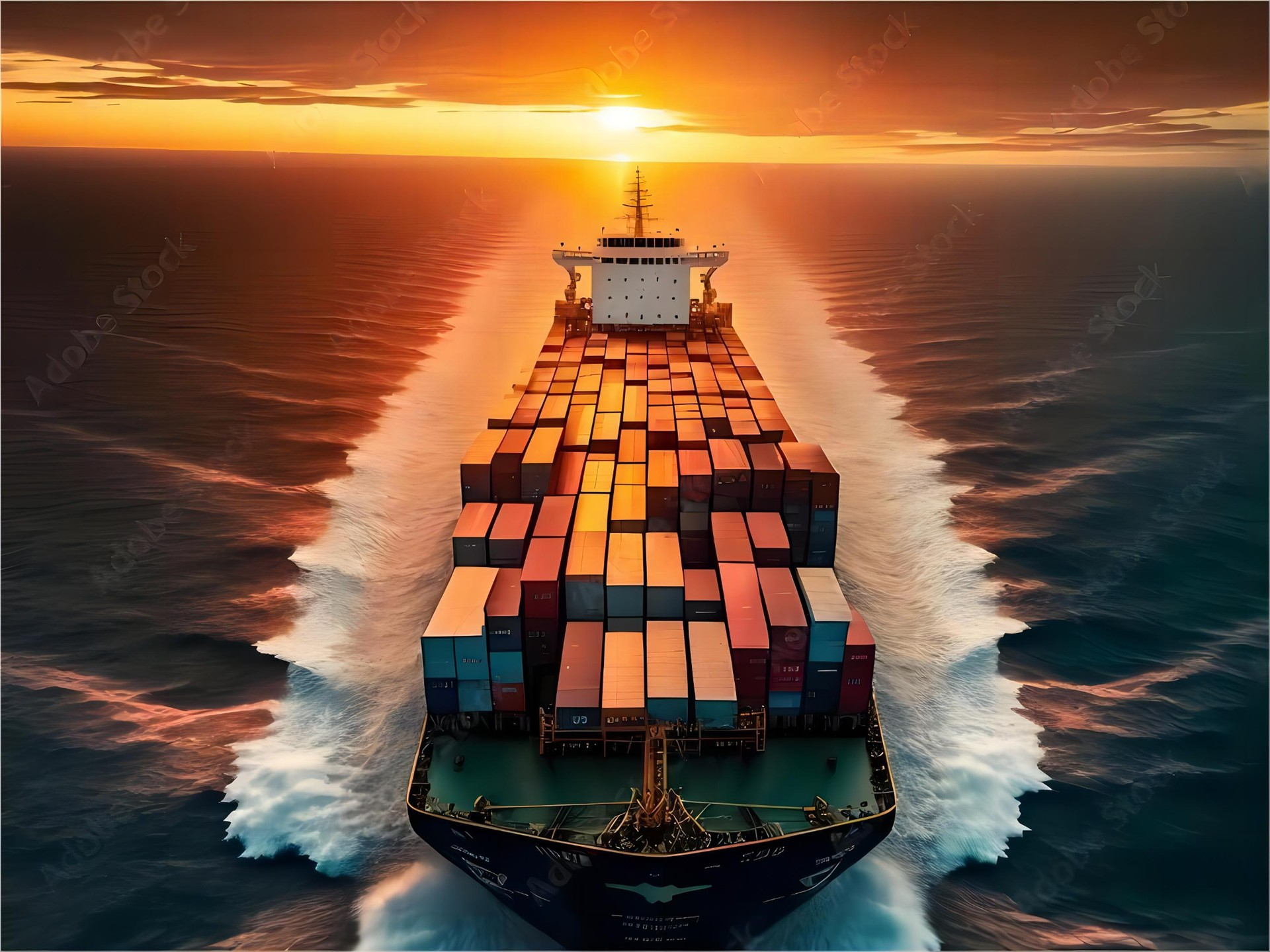
Understanding the China Freight Forwarder Amazon FBA Prep Warehouse Service USA
Specifically, a prep warehouse serves as a quality control hub where products are inspected and labeled according to strict Amazon standards. Many sellers struggle with compliance, which leads to rejected shipments at the fulfillment center. Therefore, utilizing a professional service in China or the USA ensures that every item meets the required specifications before it enters the FBA network.
Moreover, these services handle the heavy lifting of logistics, including consolidation and palletization. By grouping multiple small orders into a single shipment, you can significantly reduce your overall shipping costs. Additionally, the forwarder manages the complex documentation required for international transport, allowing you to focus on marketing and sales.
Professional forwarders also offer specialized customs brokerage to prevent legal hurdles. Without proper classification and duty payments, your cargo could face lengthy seizures at the border. Consequently, having an expert oversee the paperwork is essential for maintaining a steady flow of inventory during peak seasons.
Why Amazon Sellers Need a Specialized Prep Warehouse in 2026
Predictably, the 2026 market demands faster turnaround times than ever before. If your products arrive at an Amazon warehouse with incorrect barcodes, the processing time can double or triple. Furthermore, Amazon frequently updates its packaging requirements, making it difficult for individual sellers to stay informed. A specialized prep service stays ahead of these changes to protect your seller rating.
Inventory management is another critical benefit of using a prep warehouse. Instead of sending all your stock to Amazon at once, you can store it in a secondary facility and drip-feed it as needed. This strategy helps you avoid Amazon high storage fees, which have increased significantly over the last two years. Meanwhile, you maintain a safety buffer of stock ready for immediate dispatch.
Quality assurance remains a top priority for successful e-commerce brands. By inspecting goods at the source or at a US-based warehouse, you identify defects before the customer sees them. Consequently, your return rate drops, and your customer satisfaction scores remain high. Ultimately, this proactive approach saves money and protects your brand reputation in the long run.
How Does Sea Freight Compare to Other Shipping Options?
Analyzing your shipping options is vital for balancing speed and budget. For most high-volume sellers, sea freight remains the most economical choice for transporting goods across the Pacific. While it is slower than air transport, the cost savings are often substantial enough to justify the longer lead times. However, you must plan your inventory cycles carefully to avoid running out of stock.
Air cargo provides a much faster alternative for urgent restocks or high-value items. Usually, air shipments arrive within a week, whereas sea shipments can take up to a month. Nevertheless, the price per kilogram is significantly higher, which can eat into your profit margins if used excessively. Many sellers now adopt a hybrid approach, using sea for bulk and air for emergencies.
Market data from early 2026 suggests that sea-air combinations are becoming more popular. This hybrid method involves shipping by sea to a mid-way point and then flying the goods to the final destination. It offers a middle ground in terms of both cost and transit time. Below is a comparison of the primary methods used for China-to-USA logistics.
| Sea Freight (FCL) | $2,800 – $4,500 | 18 – 35 Days | Bulk Inventory |
| Sea Freight (LCL) | $80 – $150/CBM | 25 – 40 Days | Small Batches |
| Air Freight | $4.50 – $9.00/kg | 5 – 8 Days | Urgent Stock |
| Express Service | $7.00 – $12.00/kg | 3 – 5 Days | Samples/High Value |

Which Option Should You Choose? Decision Framework
Determining the right shipping strategy depends on your specific business needs and product types. If your primary goal is to minimize costs, sea freight is almost always the winner for shipments over 2 CBM. On the other hand, if you are launching a new product and need to hit a specific deadline, air freight is the safer bet despite the expense. You must weigh the cost of the shipment against the potential loss of sales due to stockouts.
Volume thresholds also play a significant role in your decision-making process. For example, once your shipment exceeds 15 CBM, booking a full container (FCL) becomes more cost-effective than shipping via LCL. Furthermore, FCL shipments are generally safer as they are not handled as frequently as consolidated cargo. Therefore, scaling your order volume can lead to direct logistics savings.
Consider the nature of your cargo as well. Fragile or perishable items may require the speed and stability of air transport. Conversely, durable goods like furniture or electronics components are perfect candidates for sea transport. Use the following framework to help guide your selection for your next shipment.
| Lowest Cost | Sea Freight (FCL) | > 15 CBM | Requires long lead time |
| Balance | Sea Freight (LCL) | 1 – 14 CBM | Higher risk of damage |
| Speed | Air Freight | < 500 kg | High carbon footprint |
| Urgency | Express Courier | < 100 kg | Very high unit cost |
Maximizing Efficiency with Specialized Amazon FBA Services
Efficiency in the FBA world is measured by how quickly your goods move from the factory floor to the Amazon shelf. A specialized Amazon FBA service provider understands the nuances of the Amazon appointment system. They can coordinate with carriers to ensure that your delivery window is met precisely. Consequently, you avoid the fees and delays associated with missed appointments at the fulfillment center.
Prep warehouses also offer value-added services such as kitting and bundling. For instance, if you want to sell a set of three items that are manufactured at different factories, the prep center can assemble them into a single SKU. This allows for more creative marketing strategies without increasing the complexity of your manufacturing process. Additionally, they can replace damaged packaging to ensure the product arrives in pristine condition.
Inventory visibility is another major advantage of working with a professional forwarder. Most modern logistics providers offer digital platforms where you can track your shipment in real-time. This data allows you to make informed decisions about when to trigger your next order. Ultimately, better data leads to better inventory turnover and a healthier cash flow for your business.
Streamlining Logistics with Door to Door Solutions
Choosing a door to door service simplifies the entire import process for the seller. In this model, the forwarder takes responsibility for the cargo from the moment it leaves the factory in China until it arrives at the Amazon warehouse. This eliminates the need for you to manage multiple vendors, such as truckers, customs agents, and warehouse staff. Consequently, the risk of miscommunication is greatly reduced.
Furthermore, door-to-door services often include DDP (Delivered Duty Paid) options. This means the forwarder handles all import duties and taxes on your behalf, providing you with a single, all-inclusive price. This transparency is incredibly helpful for budgeting and price setting. It removes the uncertainty of fluctuating tax rates or unexpected customs fees that can arise during the shipping process.
Reliability is the hallmark of a high-quality door-to-door provider. Because they manage every leg of the journey, they can quickly pivot if a problem arises at a specific port or border crossing. Meanwhile, you receive regular updates without having to chase down different contacts. For many growing brands, this peace of mind is worth the slight premium in service fees.
Real Case Studies: China to USA FBA Shipments
Examining real-world examples helps illustrate the costs and timelines associated with modern logistics. These cases reflect actual market conditions as of early 2026. They demonstrate how different strategies can lead to successful outcomes despite the challenges of global trade.
Case Study 1: Shenzhen to Los Angeles Route: Shenzhen, China to Los Angeles, USA Cargo: Electronics Accessories, 68 CBM, 12,000 kg Container: 40HQ Carrier: COSCO Ocean Freight: $3,200 Origin Charges: $450 Destination Charges: $600 Customs and Duties: $1,200 Total Landed Cost: $5,450 Timeline: 22 Days Door-to-Door Key Insight: Direct sea route saved 10 days compared to transshipment options.
Case Study 2: Shanghai to New York Route: Shanghai, China to New York, USA Cargo: Apparel and Textiles, 5 CBM, 1,200 kg Container: LCL Carrier: Major Carrier Ocean Freight: $650 Origin Charges: $200 Destination Charges: $350 Customs and Duties: $800 Total Landed Cost: $2,000 Timeline: 36 Days Door-to-Door Key Insight: Consolidated shipping allowed the seller to test a new market with low risk.
Case Study 3: Ningbo to Chicago (Air Freight) Route: Ningbo, China to Chicago, USA Cargo: Seasonal Toys, 0.8 CBM, 250 kg Service: Air Freight Air Freight Cost: $1,450 Origin/Destination Fees: $300 Customs and Duties: $250 Total Landed Cost: $2,000 Timeline: 6 Days Door-to-Door Key Insight: Using air freight allowed the seller to capture peak holiday demand after a production delay.
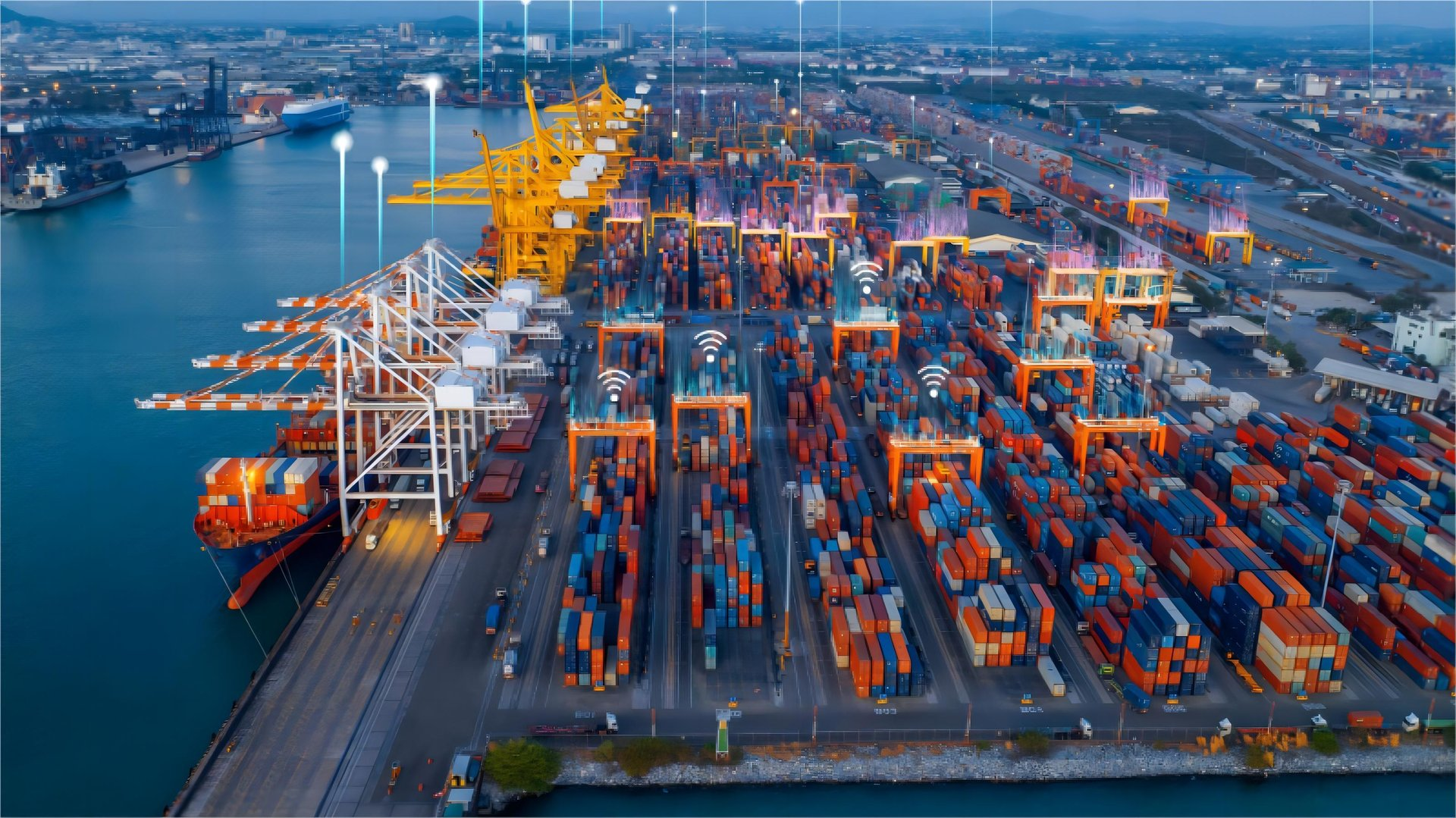
Shipping to North America: Regional Considerations
Shipping to North America involves choosing between West Coast and East Coast ports. Generally, shipping to the West Coast (like Los Angeles or Long Beach) is faster and cheaper because it is geographically closer to China. However, if your final destination is in the Midwest or East Coast, you must factor in the cost of rail or truck transport across the country. Consequently, sometimes shipping directly to an East Coast port via the Panama Canal is more efficient.
Port congestion is another factor that fluctuates throughout the year. During peak seasons, West Coast ports can become bottlenecks, leading to weeks of delays. In these instances, savvy forwarders may reroute cargo to less crowded ports like Seattle or Savannah. Furthermore, the 2026 infrastructure updates in many US ports have improved processing speeds, but seasonal spikes still occur.
Regional regulations also vary, especially regarding trucking and inland delivery. Some states have stricter environmental standards for trucks, which can affect the availability and price of drayage services. Therefore, working with a forwarder who has a strong local network in the USA is essential for smooth final-mile delivery. Ultimately, your choice of port should align with your warehouse locations to minimize inland freight costs.
Market Trends and Pricing for 2026
Market conditions in 2026 have stabilized following the disruptions of previous years. Freight rates have returned to sustainable levels, although fuel surcharges remain a variable factor. Additionally, the industry is seeing a massive shift toward green logistics, with many carriers introducing carbon-neutral shipping options. While these can be slightly more expensive, they help brands meet their sustainability goals and appeal to eco-conscious consumers.
Digitalization continues to transform the logistics landscape. Automated customs filing and AI-driven route optimization are reducing human error and transit times. Moreover, blockchain technology is being used to create more transparent and secure supply chains. Consequently, sellers who embrace these technologies can enjoy more predictable delivery schedules and better security for their cargo.
Pricing for 2026 remains competitive across major routes. Below is a reference table for typical container rates. Note: Freight rates are subject to change based on fuel costs, carrier capacity, and seasonal demand. Contact us for a current quote tailored to your specific shipment.
| China to USA West | $1,800 – $2,400 | $2,900 – $3,800 | 14-20 Days |
| China to USA East | $2,700 – $3,600 | $4,600 – $5,800 | 28-35 Days |
| China to USA Gulf | $2,500 – $3,300 | $4,200 – $5,400 | 30-38 Days |
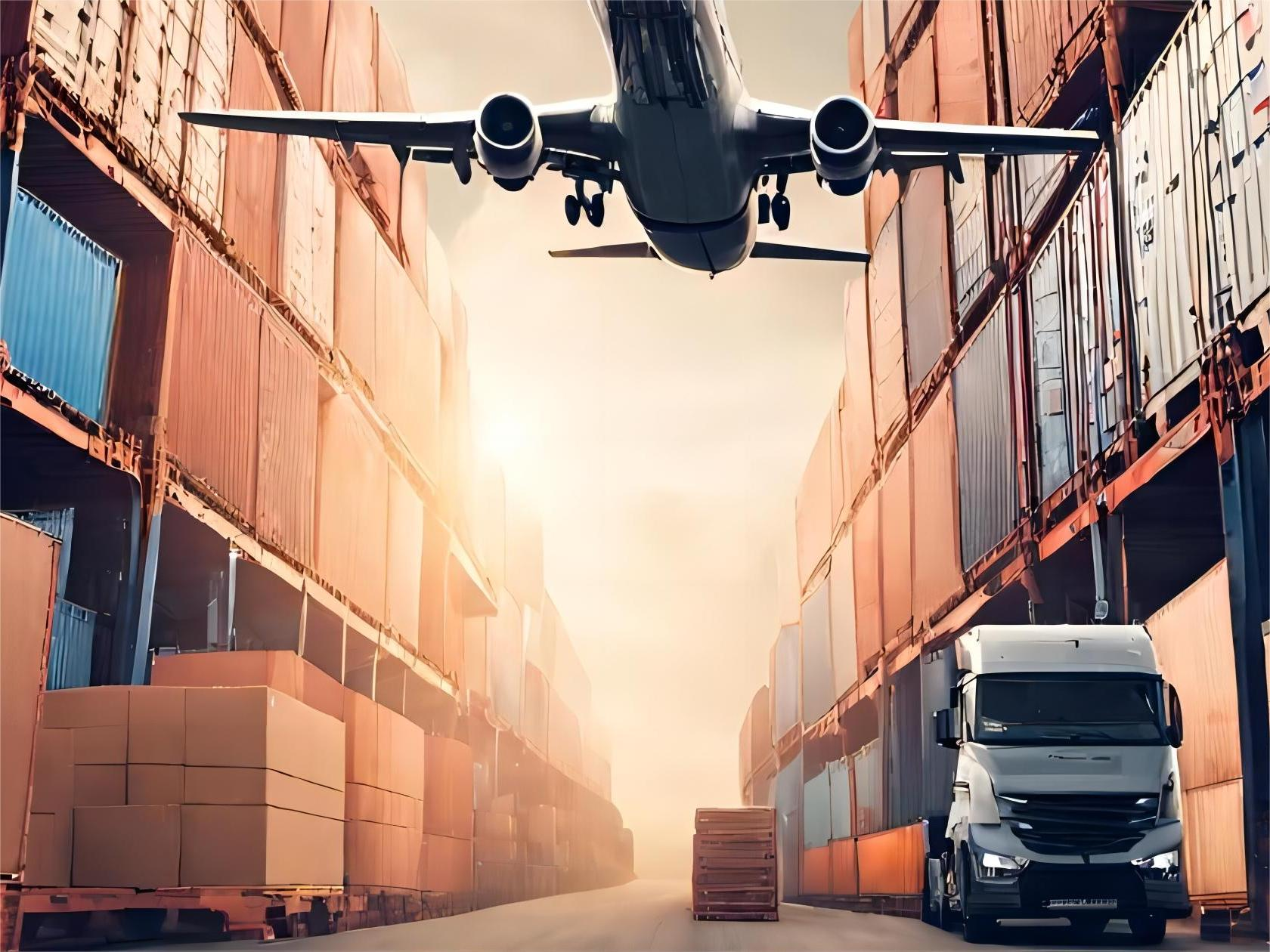
Final Thoughts on FBA Logistics
Success in the Amazon FBA marketplace depends heavily on the efficiency of your logistics and prep operations. By selecting a high-quality china freight forwarder amazon fba prep warehouse service usa, you eliminate many of the risks associated with international trade. Whether you choose sea freight for its cost-effectiveness or air freight for its speed, having a professional partner ensures your inventory is handled with care.
As we move through 2026, staying informed about market trends and pricing will remain a key competitive advantage. Focus on building a resilient supply chain that can adapt to changing regulations and consumer demands. Ultimately, a well-managed logistics strategy is not just a cost, but a powerful tool for business growth.
Need a tailored shipping solution?
Ready to scale your Amazon business with a reliable china freight forwarder amazon fba prep warehouse service usa? Our team is standing by to provide a custom logistics solution that fits your budget and timeline. Contact us today to receive a free, no-obligation quote and start optimizing your supply chain for 2026. Visit Global China Forwarder to learn more. Send Inquiry: Click Here