


Sea Freight China 2026 Singapore: Complete Logistics Guide
Planning your logistics for sea freight china 2026 singapore requires a deep understanding of evolving trade lanes and maritime regulations. As a leading Global China Forwarder, we help businesses navigate the complexities of international shipping with ease. This guide explores the future of the China-Singapore route, providing actionable insights for importers and exporters aiming for efficiency and cost-effectiveness in the coming years.
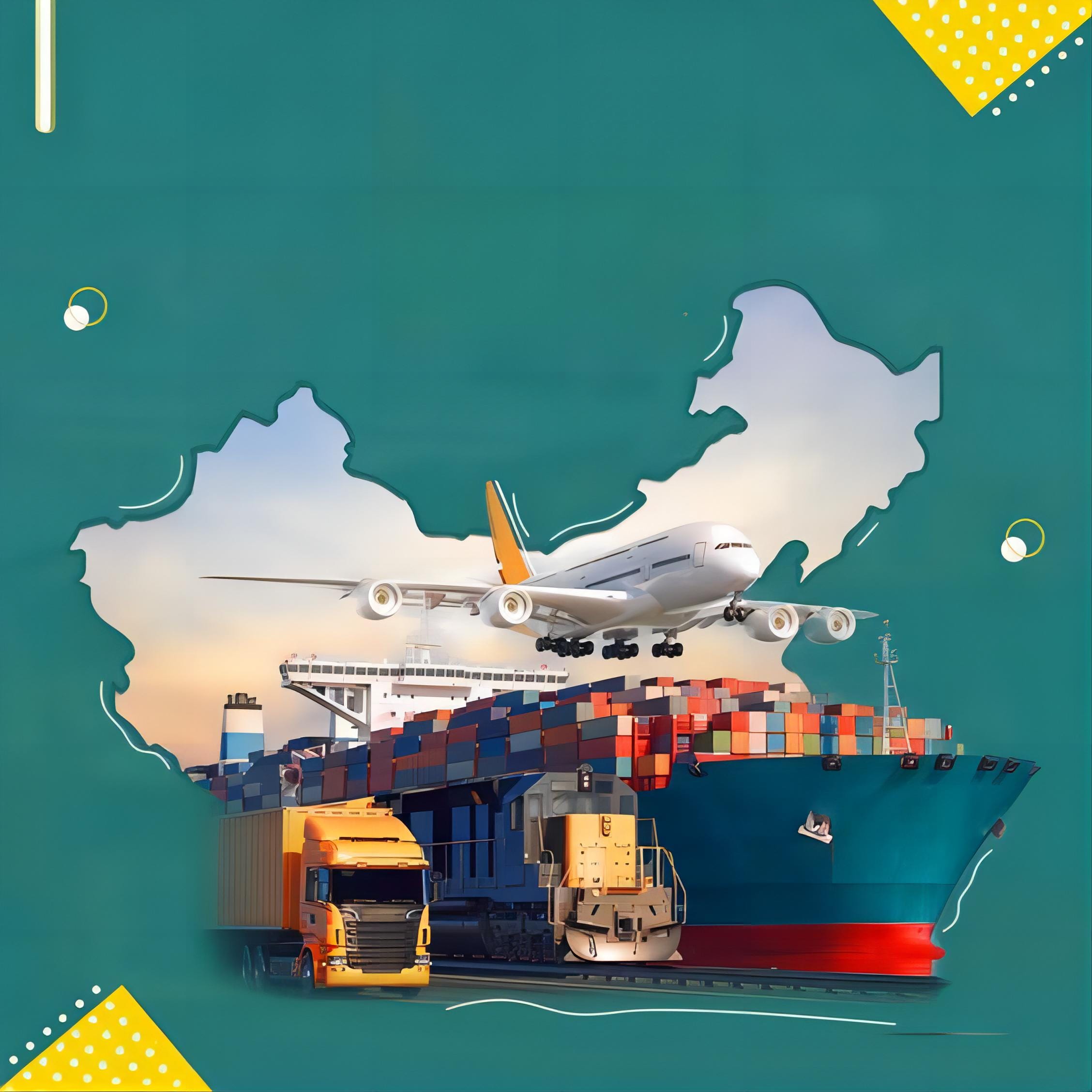
The Future Outlook for Sea Freight China 2026 Singapore
Projecting the landscape of sea freight involves analyzing current infrastructure investments and digital transformation trends. Furthermore, the maritime industry is shifting toward greener technologies, which will likely influence fuel surcharges and vessel availability by 2026. Consequently, shippers must prepare for a market that prioritizes sustainability alongside traditional speed and reliability metrics.
Moreover, the trade relationship between China and Singapore continues to strengthen through regional agreements and port expansions. Therefore, businesses should expect more streamlined customs procedures but must remain vigilant about fluctuating global economic conditions. Indeed, staying informed about these logistics trends is essential for maintaining a competitive edge in the Southeast Asian market.
Additionally, technological advancements in tracking and cargo management will redefine how we view the supply chain. Meanwhile, port efficiency in both Shanghai and Singapore is expected to reach new heights due to automation. Accordingly, the predictability of shipping schedules will improve, allowing for better inventory management and reduced lead times for all types of cargo.
How Does Sea Freight Compare to Other Shipping Options?
Evaluating different transportation modes is critical when deciding on the most effective way to move goods across borders. While air freight offers unmatched speed for urgent deliveries, it comes at a significantly higher price point. However, sea freight remains the backbone of global trade due to its ability to handle massive volumes at a fraction of the cost.
For instance, a standard 40HQ container can hold a vast amount of inventory that would be prohibitively expensive to ship by plane. Nevertheless, express services are still vital for small parcels or time-sensitive documents that need to arrive within a few days. In contrast, sea transport provides a balanced approach for bulk commodities and manufactured goods.
Furthermore, hybrid solutions like sea-air combinations are becoming more popular for those seeking a middle ground in terms of cost and speed. Without a doubt, the choice depends on your specific budget, timeline, and the nature of your products. Please refer to the table below for a detailed comparison of common shipping methods for the China to Singapore route.
| Shipping Method | Cost Range | Transit Time | Best For |
|---|---|---|---|
| Sea Freight | $800 – $2,200 | 10 – 18 Days | Bulk Goods |
| Air Freight | $4.50 – $8.50/kg | 3 – 5 Days | High Value |
| Express Service | $7.00 – $12.00/kg | 1 – 3 Days | Urgent Samples |
| Rail Freight | N/A | N/A | Not Applicable |
FCL vs LCL: Optimizing Your Cargo Volume
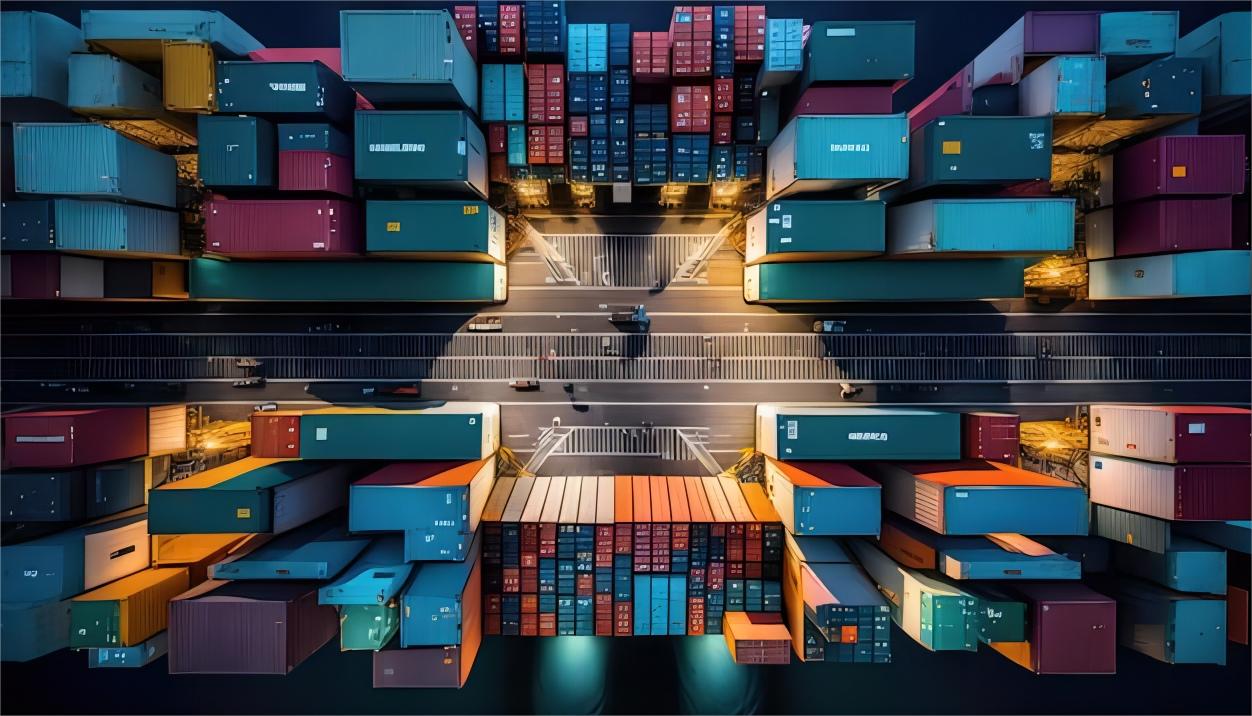
Choosing between Full Container Load (FCL) and Less than Container Load (LCL) is a primary decision for any importer. Specifically, FCL is ideal for large shipments that can fill an entire 20ft or 40ft container, offering better security and faster handling. Conversely, LCL allows multiple shippers to share space in a single container, making it a cost-effective choice for smaller volumes.
Additionally, many businesses utilizing Amazon FBA find LCL particularly useful for maintaining consistent stock levels without over-investing in inventory. However, LCL involves more handling at consolidation centers, which can slightly increase the risk of delays or damage. Therefore, proper packaging and labeling become even more critical when sharing container space with other cargo.
Moreover, the pricing structure for LCL is typically based on cubic meters, whereas FCL is a flat rate per container. Consequently, if your shipment exceeds 15 cubic meters, it is often more economical to book a full 20GP container even if it is not completely full. To summarize, analyzing your monthly volume and delivery schedule will help you determine the most efficient loading method.
Major Ports and Transit Times for 2026
Understanding the transit times between major Chinese hubs and Singapore is vital for accurate supply chain planning. For example, shipments departing from Shenzhen or Guangzhou typically arrive faster than those originating from northern ports like Qingdao or Tianjin. Specifically, the direct route from South China to Singapore is one of the busiest and most efficient in the world.
Indeed, most major carriers offer multiple weekly sailings, providing flexibility for your delivery schedule. Nevertheless, seasonal factors such as the Lunar New Year or peak shipping seasons in Q4 can lead to port congestion and longer wait times. Accordingly, we recommend booking your space at least two to three weeks in advance during these busy periods.
Furthermore, the Port of Singapore remains a global leader in transshipment, meaning your cargo might be moved to different vessels if its final destination is beyond the city-state. However, for direct imports, the clearance process is remarkably swift thanks to advanced digital systems. As a result, the total door-to-door time is often shorter than many other international routes.
| Origin Port | Discharge Port | Average Transit | Route Type |
|---|---|---|---|
| Shenzhen | Singapore | 4 – 6 Days | Direct |
| Shanghai | Singapore | 7 – 10 Days | Direct |
| Ningbo | Singapore | 8 – 11 Days | Direct |
| Qingdao | Singapore | 12 – 15 Days | Transshipment |
Analyzing Sea Freight China 2026 Singapore Cost Factors
Calculating the total landed cost of your goods involves more than just the ocean freight rate. For instance, you must account for fuel adjustment factors, currency adjustment factors, and various port handling charges at both ends. Additionally, maritime fuel surcharges are expected to fluctuate as the industry transitions to more expensive low-carbon fuels by 2026.
Moreover, insurance premiums should never be overlooked, as they protect your investment against unforeseen maritime perils. Consequently, a comprehensive quote should include all local charges to avoid hidden surprises upon arrival. For example, terminal handling charges (THC) and documentation fees are standard costs that must be factored into your budget.
Indeed, working with a transparent forwarder ensures that you receive a detailed breakdown of all expenses. Therefore, always request an itemized quote that covers the journey from the factory gate to your warehouse. Note: Freight rates are subject to change based on fuel costs, carrier capacity, and seasonal demand. Contact us for a current quote tailored to your specific shipment.
Realistic Case Studies for China to Singapore Routes
Examining real-world examples provides a clearer picture of what to expect during the shipping process. Below are two scenarios based on typical market conditions and logistical requirements for this trade lane.
Case Study 1: Electronics from Shenzhen to Singapore. Route: Shenzhen, China to Singapore. Cargo: Consumer Electronics, 12 CBM, 2,500 kg. Method: LCL Sea Freight. Total Cost: $1,150. Timeline: 8 days door-to-door. Key Insight: Using LCL allowed the client to maintain lean inventory while benefiting from frequent sailings out of Shenzhen.
Case Study 2: Home Appliances from Ningbo to Singapore. Route: Ningbo, China to Singapore. Cargo: Kitchen Appliances, 40HQ Container. Method: FCL Sea Freight. Total Cost: $2,400. Timeline: 14 days door-to-door. Key Insight: Booking FCL provided maximum security for fragile goods and simplified the offloading process at the destination warehouse.
Based on Q3 2024 market rates, these examples reflect the efficiency and cost-effectiveness of the route. However, please remember that individual results may vary based on specific cargo requirements and current market volatility.

Which Option Should You Choose? Decision Framework
Selecting the right shipping strategy depends on prioritizing your business needs across several key dimensions. If budget is your primary concern, sea freight is almost always the superior choice for shipments over 100 kilograms. On the other hand, if you are launching a new product and need it in the market immediately, air freight might justify the extra expense.
Furthermore, consider the volume thresholds when switching between LCL and FCL. For instance, once your shipment reaches approximately 15 to 18 cubic meters, the cost of a full 20GP container often becomes lower than the per-CBM rate of LCL. Additionally, FCL reduces the risk of damage since the container is loaded and sealed at the origin and only opened at your destination.
To summarize, you should choose sea freight when you have lead times of at least three weeks and your goods are not highly perishable. In contrast, use express or air services for high-value items where the cost of capital tied up in transit exceeds the savings of ocean transport. Ultimately, a balanced logistics strategy often involves a mix of these methods to optimize both cost and speed.
Navigating Customs and Documentation Requirements
Managing the paperwork correctly is the most effective way to prevent delays and additional storage fees at the port. Specifically, you will need a commercial invoice, a detailed packing list, and a Bill of Lading for every shipment. Moreover, professional customs brokerage services are invaluable for ensuring compliance with Singapore’s strict import regulations.
Additionally, certain products may require specific permits or certificates of origin to qualify for preferential tariff rates under trade agreements. Therefore, checking the HS codes for your products well in advance is a critical step in the preparation process. Consequently, this prevents incorrect duty declarations and potential fines from customs authorities.
Indeed, Singapore is known for its efficient customs environment, but accuracy remains paramount. Meanwhile, the implementation of digital trade documents is expected to become the standard by 2026, further speeding up the clearance process. Accordingly, ensuring your supplier provides clear and accurate data is the foundation of a smooth import experience.
Value-Added Logistics and Door to Door Services
Implementing a door to door service can significantly simplify your operations by consolidating all steps under one provider. This approach covers everything from the initial pickup at the Chinese factory to the final delivery at your doorstep in Singapore. Furthermore, it eliminates the need for you to coordinate with multiple local trucking companies and warehouse operators.
In addition, many forwarders offer value-added services such as cargo inspection, palletizing, and short-term storage. For example, if you are sourcing from multiple suppliers, a consolidation service can gather all items into a single shipment to reduce costs. Nevertheless, you should ensure that your provider has a robust network in both countries to maintain visibility throughout the journey.
Consequently, using a single point of contact improves communication and reduces the likelihood of information being lost between different parties. Therefore, businesses looking to scale their operations often prefer integrated logistics solutions. Without a doubt, the convenience of a managed service allows you to focus more on sales and marketing rather than the minutiae of freight movement.
Risk Management and Insurance in 2026
Protecting your cargo against loss or damage is a fundamental aspect of professional logistics management. While modern container ships are incredibly safe, the unpredictable nature of the sea means that accidents can still happen. Furthermore, General Average is a maritime law concept where all stakeholders share the losses of a voyage, making cargo insurance an absolute necessity.
Additionally, you should review the terms of your insurance policy to ensure it covers the full replacement value of your goods plus shipping costs. For instance, some basic policies might have exclusions for certain types of electronics or fragile items. Consequently, discussing your specific needs with your forwarder will help you secure the right level of coverage.
Moreover, investing in high-quality packaging and container tracking technology can further mitigate risks. Meanwhile, as we move toward 2026, more insurers are offering real-time monitoring as part of their premium packages. Accordingly, having data on the temperature, humidity, and location of your cargo provides peace of mind and evidence in the event of a claim.
Mastering Your Sea Freight Strategy for 2026
Navigating the complexities of sea freight china 2026 singapore requires a proactive approach to planning and a deep understanding of market trends. By choosing the right shipping method, optimizing your cargo volume, and ensuring accurate documentation, you can significantly reduce costs and improve delivery reliability.
Successfully managing your logistics involves staying informed about port operations and leveraging the expertise of a trusted freight forwarder. Whether you are shipping bulk industrial goods or small retail orders, the strategies outlined in this guide will help you build a resilient and efficient supply chain for the years to come.
Ready to streamline your logistics?
Optimizing your sea freight china 2026 singapore strategy is easy with the right partner. Contact us today to receive a customized quote and discover how our expert team can streamline your supply chain for the future. Visit our website to learn more about our comprehensive shipping solutions and start your next shipment with confidence. Send Inquiry: https://globalchinaforwarder.com/
Request Quote