

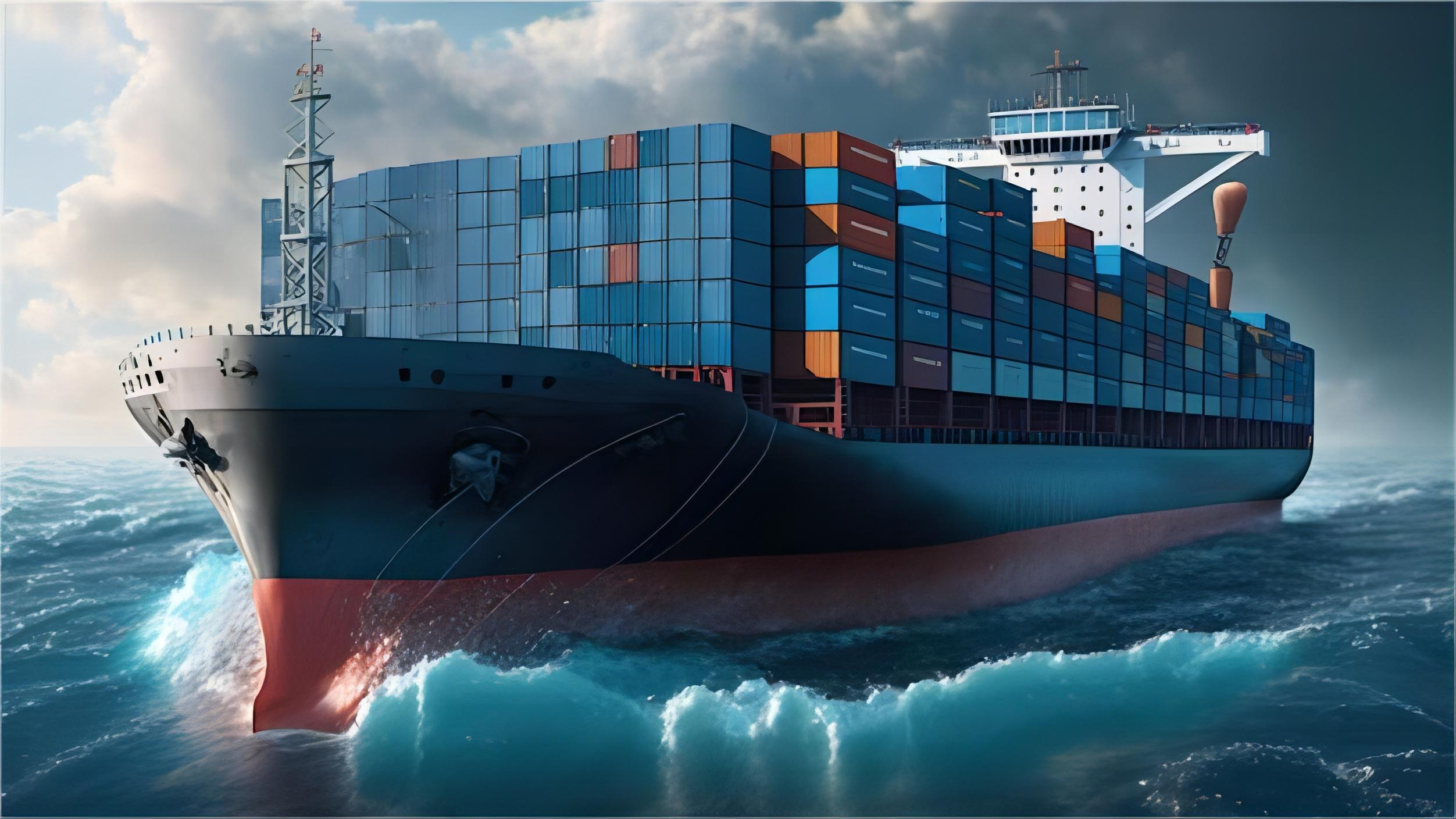
How Much Is Shipping Fee from China to Nigeria: A 2026 Cost Anatomy Guide
Determining how much is shipping fee from China to Nigeria requires moving beyond simple base-freight quotes to analyze the full spectrum of destination accessorials and regulatory levies. Many procurement teams face unexpected invoice shocks when base rates exclude mandatory port charges, bunker adjustments, and local handling fees that inflate the final landed cost. Working with a transparent partner like Global China Forwarder allows importers to secure itemized, all-in structures that mitigate these financial risks before cargo ever leaves the origin gate. This 2026 guide provides the analytical framework to audit individual line items, manage surcharge volatility, and protect your margin discipline throughout the entire transit process.
Key Takeaways
A standard 40HQ container provides a cost-efficient capacity of 65–70 CBM for general containerized cargo.
A 20GP container is best utilized for heavy, high-density freight with a capacity limit of 26–28 CBM.
Air freight chargeable weight is calculated as the greater of actual weight or volumetric weight (L×W×H cm / 6,000).
Total landed costs must account for a 15–25% variance caused by BAF, GRI, and destination port handling surcharges.
What Core Components Make Up China to Nigeria in 2026?
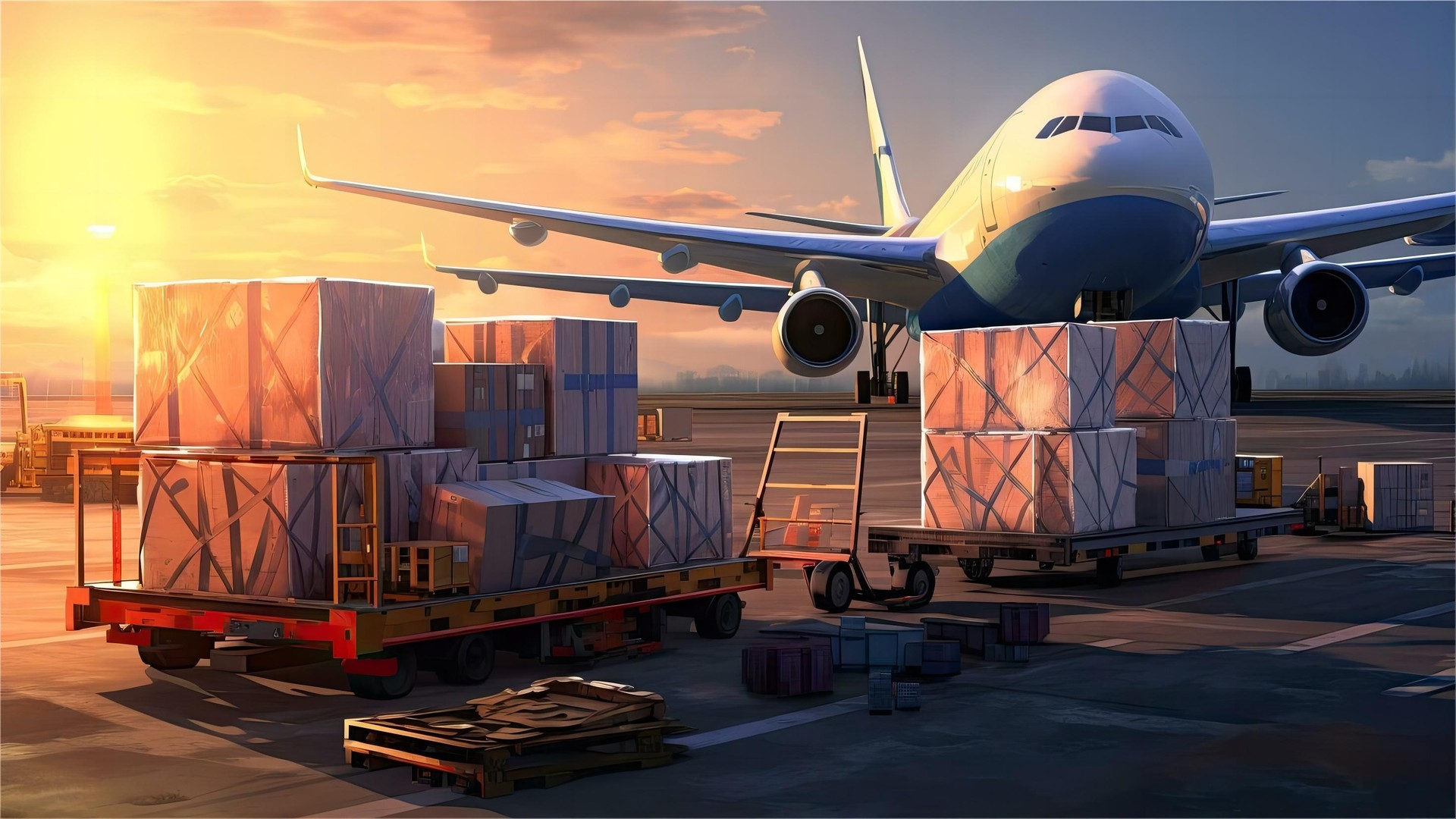
The fundamental cost of shipping from China to Nigeria is comprised of an origin-to-destination freight rate, which acts as the foundation for the entire landed-cost model. This base rate typically covers the ocean carriage between major hubs like Yantian or Shanghai and the primary Nigerian ports, but it rarely represents the full expenditure an importer will realize upon arrival. Understanding the difference between the base freight and the total cost involves accounting for origin port charges, documentation fees, and the specific equipment costs associated with the chosen container size or LCL configuration.
In the current 2026 market, shippers must distinguish between ‘port-to-port’ pricing and ‘door-to-door’ logistics solutions to ensure no operational stage is left unbudgeted. While a port-to-port quote might appear lower, it excludes the critical inland drayage, destination handling, and administrative filings required to move cargo from the Nigerian port to your warehouse. Failure to define these parameters at the onset leads to significant budget overruns, particularly when third-party logistics providers apply variable surcharges that are not captured in the initial booking agreement.
To maintain budget integrity, procurement managers should request an itemized breakdown that separates base freight from mandatory surcharges such as BAF (Bunker Adjustment Factor) and PSS (Peak Season Surcharge). By focusing on the total landed cost rather than the base rate, importers gain visibility into the actual financial commitment required for international trade. This proactive approach ensures that every dollar spent is accounted for, preventing the common trap of selecting a provider based on a deceptively low base rate that lacks essential service components.
Field note: Request all-in quotes specifically.
Common mistake: Ignoring destination handling fees.
Risk alert: Market volatility in BAF can add 10% to costs overnight.
All-In vs Itemized Billing: Which Quote Structure Fits Your Budget?
Choosing between an all-in quote and an itemized bill is a strategic decision that depends largely on your company’s appetite for financial transparency and administrative overhead. An all-in quote provides a single, simplified figure that covers the entire journey, which is ideal for businesses seeking predictable costs and reduced invoice processing time. However, this convenience often comes at a premium, as forwarders include a buffer to cover the volatility of the surcharges and fees that they are absorbing on your behalf during the transit period.
Conversely, itemized billing offers granular visibility into every cost component, allowing you to identify exactly where your freight spend is allocated. While this approach is more administratively intensive, it empowers importers to negotiate specific line items and challenge discrepancies when actual charges differ from initial estimates. For high-volume importers or those managing complex supply chains, itemized billing is generally the preferred choice as it facilitates better data collection and more accurate cost analysis for future procurement cycles and budget planning.
Ultimately, the best choice depends on whether your priority is administrative simplicity or granular cost control. If you opt for itemized billing, ensure that your contract includes clear definitions for each surcharge type, preventing ambiguity when invoices are processed. Regardless of the structure chosen, the key to successful cost management is ensuring that both parties have a shared understanding of what the quote includes and what specific events or conditions could trigger additional, unforeseen charges during the movement of your cargo.
Field note: Itemized billing is better for long-term spend analysis.
Common mistake: Assuming ‘all-in’ covers every possible eventuality.
Risk alert: Hidden ‘agent fees’ are common in non-itemized bills.
Strategic Gateway Routing for Nigeria Cargo
Strategic gateway routing is essential for optimizing transit times and controlling costs when shipping from China to Nigeria. The choice of origin port—whether it is Yantian, Shekou, Ningbo-Zhoushan, or Shanghai—can significantly impact the availability of direct sailings and the overall freight rate. By aligning your cargo readiness with the specific vessel schedules of these major hubs, you can avoid unnecessary dwell time and reduce the likelihood of missing critical cut-off dates, which often trigger penalty fees or forced shipment delays.
Destination routing into Nigeria is equally critical, as port infrastructure and terminal efficiency vary greatly across the region. Importers must evaluate the capacity and congestion levels of their preferred destination ports to determine the most cost-effective entry point for their specific cargo types. Routing via a less congested, secondary port might offer lower terminal handling charges, but it could also lead to longer inland delivery times or higher trucking costs, creating a trade-off that needs to be carefully modeled before a final routing decision is reached.
Successful routing strategy involves continuous monitoring of carrier performance and port conditions, as disruptions can occur with little warning. By maintaining a flexible approach to gateway selection and working with a forwarder that has deep, on-the-ground experience in both Chinese and Nigerian ports, businesses can navigate these complexities effectively. This proactive management of the transit route ensures that cargo moves as efficiently as possible, minimizing the cost impact of delays and maximizing the overall reliability of the international supply chain.
| Route Leg | Typical Dwell | Congestion Risk | Optimization Tip |
|---|---|---|---|
| China Export Port | 2-4 Days | Moderate | Book 14 days out |
| Ocean Transit | 25-35 Days | Low | Use direct services |
| Nigeria Port Arrival | 5-10 Days | High | Pre-clear customs |
| Inland Delivery | 2-5 Days | Moderate | Secure truck early |
Field note: Always check current port congestion status.
Common mistake: Picking a port based solely on distance.
Risk alert: Port strikes or equipment shortages can halt all movement.
End-to-End Transit Milestones and Dwell Times
Managing end-to-end transit times requires a detailed understanding of the various milestones involved in moving cargo from a Chinese factory to a Nigerian warehouse. These milestones include the initial pickup, export customs clearance, vessel loading, ocean transit, destination port discharge, customs release, and finally, the inland delivery to the consignee. Each of these steps represents a potential point of delay, and effective coordination between all parties is necessary to ensure that the cargo moves smoothly without significant dwell time at any stage of the process.
Dwell time is particularly critical at the destination port, where delays in customs clearance or trucking availability can lead to substantial demurrage and detention charges. To mitigate these risks, importers should ensure that all documentation is accurate and submitted well before the cargo arrives. By pre-clearing customs and having transport arrangements finalized in advance, businesses can significantly reduce the window during which their cargo sits at the terminal, thereby avoiding the costly fees that quickly accumulate when containers exceed their allowed free time.
Tracking these milestones through a dedicated freight management system provides the visibility needed to intervene when delays occur. Proactive communication with your logistics provider regarding any potential hurdles—such as document errors or transport shortages—allows for timely adjustments and keeps the supply chain moving. By treating transit as a series of well-coordinated events rather than a single black-box process, importers can achieve greater predictability and reduce the overall landed cost by eliminating unnecessary wait times and associated penalties.
Field note: Use a digital tracking platform for real-time visibility.
Common mistake: Waiting until arrival to initiate customs.
Risk alert: Demurrage fees can exceed the value of low-cost goods.
How Do Duty, GST/VAT, and Broker Fees Enter the True Landed Cost?
Duty, VAT, and broker fees are often the most misunderstood components of the true landed cost, yet they frequently account for a substantial portion of the total investment. Import duties are determined by the HS code of the product and the applicable tariff rates set by the destination country’s government, which makes accurate classification absolutely vital. An incorrect HS code can lead to overpayment of duties or, worse, penalties for undervaluation and potential seizure of goods by customs authorities, making professional classification support an essential investment.
In addition to duties, VAT or other local consumption taxes must be calculated and paid upon entry, which can significantly impact your cash flow if not properly integrated into your landed-cost model. Broker fees, while appearing as a minor administrative cost, are necessary to ensure compliance with complex customs regulations and to facilitate the timely release of your goods. These costs should be clearly identified and included in your pre-shipment financial planning to ensure that the final landed cost does not exceed your budget and that your business remains in compliance with all relevant regulations.
To manage these levies effectively, importers should work with experienced customs brokers who understand the specific regulatory environment in Nigeria. By performing a comprehensive landed-cost analysis that includes these taxes and fees, businesses can avoid the shock of unexpected customs bills and price their products competitively in the local market. Taking the time to understand the duty structure and tax obligations early in the procurement process is a fundamental step in ensuring the overall financial viability of your China to Nigeria import operations.
| Cost Component | Typical Assessment Base | Who Usually Pays | Planning Note |
|---|---|---|---|
| CIF / customs value | Goods value + freight + insurance (as declared) | Importer of record | Wrong valuation drives duty and VAT/GST miscalc |
| Import duty / tariff | % of customs value by HS chapter | Importer / DDP seller (by Incoterms) | Confirm HS binding before award |
| VAT / GST / sales tax | Duty-paid value (or local statutory base) | Importer / fiscal representative | Registration and reclaim rules vary by market |
| Customs broker / clearance fee | Per entry or per shipment band | Importer / nominating party | Separates from freight; exams add extras |
| Exam / storage / disbursement | Event-driven (exam, demurrage, advance) | Importer / broker client account | Often outside base ocean/truck quote |
Field note: HS code accuracy is the priority.
Common mistake: Misclassifying goods to reduce duty.
Risk alert: Customs audits can lead to retroactive duty bills.
VAT, EORI, and Destination Clearance Windows on This Lane
Compliance on the China to Nigeria lane is heavily dependent on the accuracy and completeness of the documentation submitted to both export and import authorities. The primary documents required include the commercial invoice, packing list, and the bill of lading, each of which must precisely reflect the contents, value, and origin of the cargo. Any discrepancies between these documents can trigger a customs hold, leading to significant delays and potential fines, which underscores the necessity of a meticulous document review process before any shipment is finalized.
Beyond these core documents, specific import certificates or permits may be required depending on the nature of the cargo, such as food items, electronics, or industrial machinery. Failure to obtain these necessary approvals prior to shipping is a common error that can result in the cargo being denied entry or requiring costly re-exportation. Importers must proactively verify the regulatory requirements for their specific products with their forwarder to ensure that every necessary document is prepared and submitted in full compliance with Nigerian import regulations.
Maintaining a standardized document checklist for every shipment is a simple yet highly effective way to prevent compliance failures and ensure a seamless transit process. By assigning responsibility for each document to specific team members or service partners, businesses can ensure that nothing is overlooked and that all filings are completed within the required deadlines. This rigorous approach to documentation not only streamlines the customs process but also provides a clear audit trail that is essential for long-term compliance and risk management in international trade.
Field note: Keep digital copies of all final documents.
Common mistake: Inconsistent descriptions between invoice and B/L.
Risk alert: Customs will reject documents with minor errors.
Capacity Disruptions, GRI, and Peak-Season Management
Capacity disruptions and General Rate Increases (GRI) are recurring realities in the global ocean freight market that can severely impact your shipping budget. During peak seasons, when demand for space exceeds available vessel capacity, carriers often implement GRI to maximize revenue, which can lead to rapid, significant increases in freight rates. Shippers who are not prepared for these fluctuations often find themselves at the mercy of the market, forced to pay whatever price is necessary to secure space for their time-sensitive cargo, which can rapidly erode profit margins.
Effective peak-season management requires advanced planning and a willingness to commit to space allocations well before the busy period begins. By working closely with your freight forwarder to forecast volume and secure space in advance, you can buffer against the worst of the rate volatility and ensure that your cargo remains a priority for the carrier. This strategic approach to capacity planning is essential for maintaining supply chain continuity and avoiding the premiums that are inevitably associated with last-minute bookings during high-demand windows.
Furthermore, maintaining a diversified carrier strategy can offer protection against individual carrier capacity issues or sudden service disruptions. By spreading your volume across multiple carriers or services, you reduce your dependence on a single provider and gain greater leverage when negotiating rates and terms. This resilience, combined with a proactive approach to monitoring market trends and communicating with your logistics partner, allows you to navigate the challenges of peak seasons and capacity constraints with greater stability and cost control.
Field note: Book early; secure space 3+ weeks in advance.
Common mistake: Leaving booking until the last minute.
Risk alert: GRI implementations can occur on short notice.
Decision Framework
By volume: Quote per CBM/kg must state whether origin CFS, ocean/air, and destination THC are included in the base rate structure.
By speed: Faster modes raise surcharge stack—always compare total landed costs against lead-time requirements rather than base-rate comparisons alone.
By cargo profile: DG, oversized, or high-duty HS chapters shift accessorial and duty lines materially; verify HS codes prior to booking.
Real-World Corridor Case Studies
An importer moved mixed cartons on a scoped international lane. The forwarder aligned commercial invoice, packing list, and the destination national import declaration before mainhaul departure.
A distributor routed equipment components with early broker coordination so destination release and final-mile delivery stayed inside free-time windows.
Landed-Cost Action Plan for China to Nigeria
Securing a predictable cost structure for shipping from China to Nigeria requires an analytical focus on the total landed cost rather than just the base ocean freight. By auditing every surcharge, understanding the impact of HS-driven duties, and maintaining rigorous documentation standards, you can effectively navigate the complexities of this trade lane.
If you are ready to stabilize your supply chain and eliminate invoice shocks, a comprehensive review of your current freight agreements is the first step. Document your excluded accessorials in advance and partner with a provider that prioritizes transparent, itemized billing to protect your import margins throughout 2026.
Process and Checkpoints
Scope & Incoterm Capture
Define EXW/FOB/DDP scope and confirm exactly what the quote must include.
Line-Item Rate Build
Separate base freight, surcharges, customs, and delivery bands in your audit.
Duty & Tax Estimate
Apply HS-driven duty and destination tax assumptions based on local law.
Scenario Comparison
Compare at least two modes or service levels with the same scope.
Quote Validation
Reconcile packing list weights and volumes against the quoted bands.
Award & Booking
Lock the awarded lane and document all excluded accessorials in writing.
Confirm the right route for your shipment
Need a line-item landed-cost breakdown? Share your commercial value, HS code, CBM/weight, Incoterms, and destination zip for an all-in comparison.
Request a route reviewFrequently Asked Questions
What is the Importer of Record (IOR) role under DDP door delivery?
The IOR is legally responsible for entry filings, duties, and compliance; without one, cargo can be seized.
Which fees are often excluded from headline DDP quotes?
Customs exams, liftgate/residential delivery, and storage during tax review frequently sit outside base DDP.
How does HS code misclassification change the all-in DDP duty line?
Wrong HS chapters can raise duty rates materially and trigger amendments, exams, or bond issues.
When should buyers request a continuous bond instead of single-entry bonds?
High-frequency or high-value importers usually need a continuous bond to avoid per-shipment shortfalls.
What happens if destination customs holds a DDP shipment for exam?
Exam fees plus yard or rail-terminal storage accrue until release—even when freight and duties were prepaid under DDP.
How can shippers control demurrage, detention, or terminal storage after a customs hold?
Pre-lodge entry data, keep HS/value packs audit-ready, and escalate broker responses inside free time before last-mile trucks are dispatched.
Freight rates and surcharges fluctuate due to market demand and fuel costs; always request an itemized quote for your specific shipment.
This guide is for informational purposes only and does not constitute binding legal, tax, or customs advice.
Benchmarks reflect standard 2026 practice for the China to Nigeria trade lane.