


China to South Africa Sea Freight Cost Per Container: 2026 Guide
Understanding the china to south africa sea freight cost per container is essential for any business operating between these two major trading hubs. As we move into 2026, the logistics landscape has shifted, offering new opportunities and challenges for importers. Consequently, staying informed about current market rates ensures you remain competitive in a demanding global economy. Navigating these costs requires a deep dive into container types, port fees, and seasonal fluctuations that define the modern supply chain.

What is the Average China to South Africa Sea Freight Cost Per Container?
Determining the exact price for shipping requires looking at several variables that fluctuate weekly. Currently, the market has stabilized after the disruptions of previous years, leading to more predictable pricing structures for 2026. Moreover, businesses should expect to pay different rates depending on whether they utilize a 20-foot or 40-foot container.
Freight rates for a standard 20GP container typically range between $1,500 and $2,200 depending on the departure port. Meanwhile, the larger 40HQ containers often cost between $2,800 and $3,800 for the same route. Therefore, calculating the cost per unit of your cargo is vital for accurate financial forecasting.
Industry benchmarks suggest that rates are most favorable during the second quarter of the year. Conversely, the peak season leading up to the year-end holidays often sees a 20% increase in base ocean freight costs. Indeed, booking at least four weeks in advance can help mitigate these seasonal price spikes.
Note: Freight rates are subject to change based on fuel costs, carrier capacity, and seasonal demand. Contact us for a current quote tailored to your specific shipment.
| Container Type | Average Cost (USD) | Capacity (CBM) | Best For |
|---|---|---|---|
| 20GP | $1,500 – $2,200 | 33 CBM | Heavy, dense goods |
| 40GP | $2,500 – $3,500 | 67 CBM | General merchandise |
| 40HQ | $2,800 – $3,800 | 76 CBM | Light, bulky items |
Factors Influencing the China to South Africa Sea Freight Cost Per Container
Several external forces dictate how carriers set their prices for the South African route. Primarily, fuel surcharges, often referred to as Bunker Adjustment Factors (BAF), remain a significant portion of the total invoice. Additionally, the choice of sea freight service provider can influence the final price through varying service levels and speed.
Port congestion in major hubs like Durban or Cape Town can lead to unexpected surcharges or demurrage fees. Furthermore, currency exchange rate volatility between the USD, CNY, and ZAR affects the landed cost of goods. Specifically, importers must account for terminal handling charges at both the origin and destination ports.
Logistics trends in 2026 show an increased focus on sustainability, leading some carriers to implement green surcharges for low-emission vessels. Consequently, choosing a modern fleet might carry a slight premium but offers better reliability and environmental compliance. Nevertheless, the base ocean freight remains the most substantial component of your total expenditure.
How Does Sea Freight Compare to Other Shipping Options?
Comparing different transport modes is necessary to ensure your logistics strategy aligns with your business goals. While sea freight is the most economical for large volumes, it is significantly slower than air or express alternatives. Furthermore, the cost-benefit analysis often depends on the total weight and urgency of the shipment.
Air freight remains the go-to solution for high-value electronics or urgent spare parts despite the higher cost. On the other hand, sea freight provides the necessary scale for furniture, machinery, and bulk textiles. Therefore, many businesses adopt a hybrid approach, using sea for stock replenishment and air for urgent orders.
Alternative strategies include using sea-air combinations via transshipment hubs to balance cost and speed. For instance, shipping by sea to a regional hub and then by air to South Africa can save 30% compared to direct air freight. Ultimately, the china to south africa sea freight cost per container offers the best value for shipments exceeding 15 cubic meters.
| Method | Cost Range | Transit Time | Best For |
|---|---|---|---|
| Sea Freight | $1,500 – $3,800 | 25 – 40 Days | Large volumes |
| Air Freight | $5.00 – $9.00/kg | 5 – 10 Days | Urgent cargo |
| Express | $8.00 – $15.00/kg | 3 – 6 Days | Small parcels |
Major Shipping Routes and Transit Times to South Africa
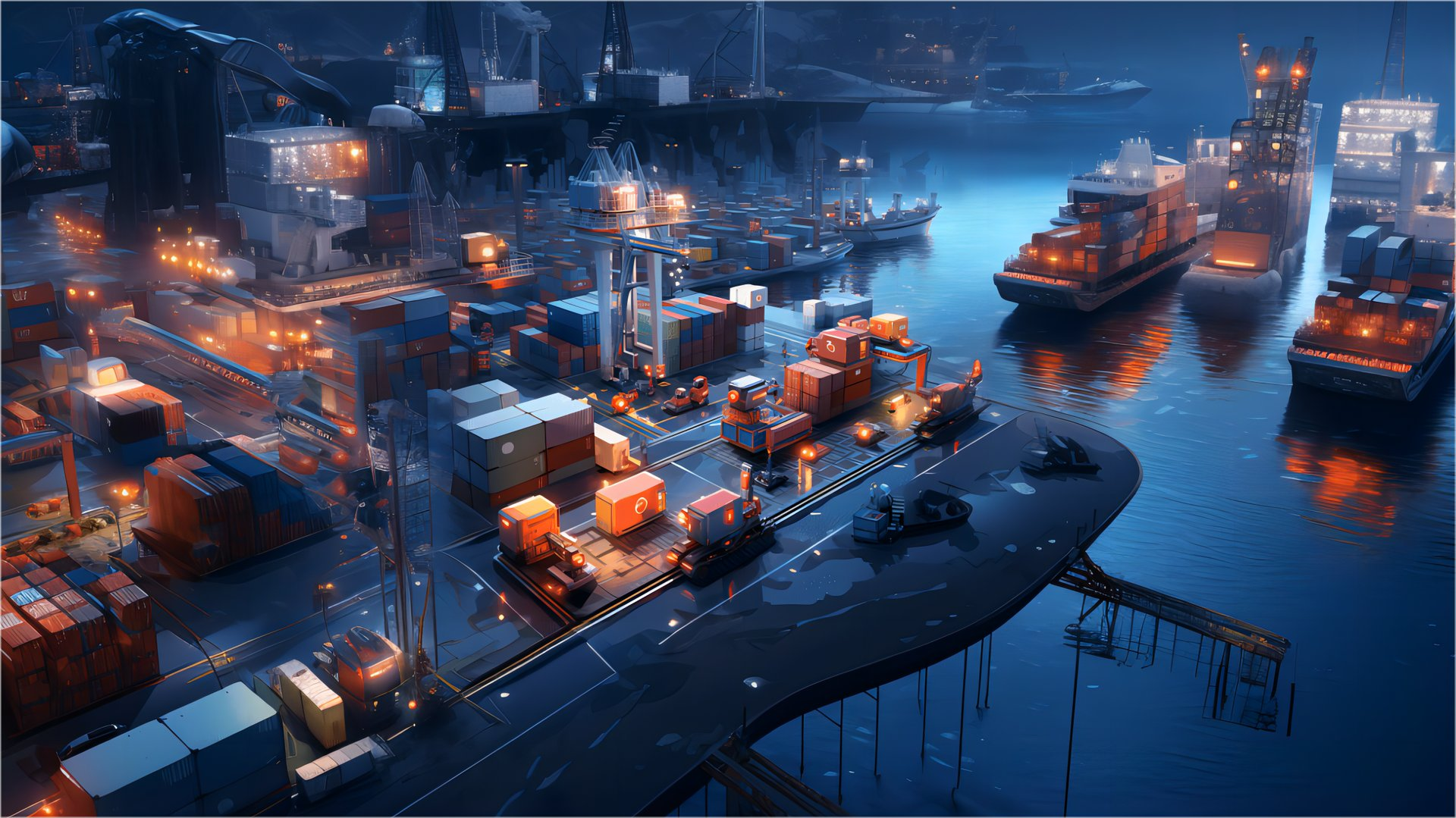
Shipping from China typically originates from massive ports like Shanghai, Ningbo, Shenzhen, or Qingdao. Each port offers different sailing schedules and transit times depending on the carrier and the specific South African destination. Naturally, direct sailings are faster but may command a higher price than transshipment routes.
Durban serves as the primary gateway for the majority of containerized cargo entering Southern Africa. Because it handles the highest volume, it often features the most frequent sailings from Chinese ports. Additionally, transit times to Durban usually range from 22 to 30 days depending on the point of origin.
Cape Town and Port Elizabeth are essential alternatives for cargo destined for the Western or Eastern Cape regions. Although these routes might take slightly longer, they reduce inland haulage costs for local deliveries. Consequently, selecting the port of discharge closest to your final destination is a critical cost-saving measure.
| Origin Port | Destination Port | Direct (Days) | Transshipment (Days) |
|---|---|---|---|
| Shenzhen | Durban | 22 – 25 | 30 – 35 |
| Shanghai | Cape Town | 28 – 32 | 38 – 45 |
| Ningbo | Port Elizabeth | 26 – 30 | 35 – 40 |
Navigating Customs and Documentation for South African Imports
Efficiently managing paperwork is vital to avoid delays that can quickly inflate your total shipping costs. Every shipment requires a commercial invoice, packing list, and a bill of lading as the primary set of documents. Moreover, utilizing a professional customs brokerage service ensures compliance with the South African Revenue Service (SARS).
Importers must also verify if their specific goods require additional permits or certificates of origin. For example, certain textiles or electronic components may be subject to anti-dumping duties or specific safety standards. Therefore, performing a pre-shipment document audit can prevent costly port storage fees.
Customs duties in South Africa are calculated based on the FOB value of the goods and the relevant HS code. Additionally, a Value Added Tax (VAT) of 15% is typically applied to the landed cost. Indeed, understanding these tax implications is just as important as knowing the china to south africa sea freight cost per container.
Real-World Case Studies for China-South Africa Logistics
Case Study 1: Electronics from Shenzhen to Durban
Route: Shenzhen, China to Durban, South Africa. Cargo: Consumer electronics, 65 CBM, 12,000 kg. Container: 40HQ. Shipping Details: Direct service via a major carrier. Port of Loading: Shenzhen. Port of Discharge: Durban. Cost Breakdown: Ocean Freight: $3,100; Origin Charges: $450; Destination Charges: $600; Total Landed Cost: $4,150 (excluding duties). Timeline: 24 days sea transit; 32 days total door-to-door. Key Insight: Choosing a direct route saved 8 days compared to transshipment, which was critical for product launch deadlines.
Case Study 2: Industrial Machinery from Ningbo to Cape Town
Route: Ningbo, China to Cape Town, South Africa. Cargo: CNC Machinery, 28 CBM, 18,000 kg. Container: 20GP. Shipping Details: Transshipment via Singapore. Port of Loading: Ningbo. Port of Discharge: Cape Town. Cost Breakdown: Ocean Freight: $1,850; Origin Charges: $400; Destination Charges: $550; Total Landed Cost: $2,800. Timeline: 35 days sea transit; 45 days total door-to-door. Key Insight: Utilizing a 20GP for heavy machinery optimized the weight-to-cost ratio, though transshipment added 10 days to the schedule.

Which Option Should You Choose? Decision Framework
Selecting the right shipping strategy depends on your specific business priorities and cargo characteristics. If your primary goal is budget optimization, sea freight remains the undisputed leader for large volumes. Conversely, if you are shipping small quantities, door to door LCL services might be more appropriate.
Speed priority dictates a move toward express service or air freight for smaller, high-value items. However, for most retail and industrial goods, the cost savings of sea freight outweigh the longer transit times. Consequently, planning your inventory cycles around a 40-day lead time is a best practice for 2026.
Cargo type also plays a role in the decision-making process. For instance, businesses selling on platforms like Amazon should consider specialized Amazon FBA logistics to handle the unique requirements of South African fulfillment centers. Ultimately, a balanced logistics portfolio often yields the most reliable results.
Mastering Your China to South Africa Shipping Strategy
Successfully managing the china to south africa sea freight cost per container requires a combination of early planning and market intelligence. By understanding the differences between FCL and LCL, and choosing the right ports, you can significantly reduce your overhead. Furthermore, staying updated on 2026 trends and customs requirements ensures a smooth import process.
Reliability and transparency are the cornerstones of a successful international trade operation. Whether you are a small business or a large corporation, the right logistics partner can turn shipping challenges into competitive advantages. Start optimizing your China to South Africa route today to secure your profit margins for the year ahead.
Need a tailored shipping solution?
Optimizing your supply chain starts with accurate data and reliable partners. If you are looking to minimize your china to south africa sea freight cost per container while ensuring timely delivery, our team is ready to help. Contact Global China Forwarder today for a personalized quote and expert logistics advice tailored to your 2026 business goals. Visit our website to request your free freight analysis now.