

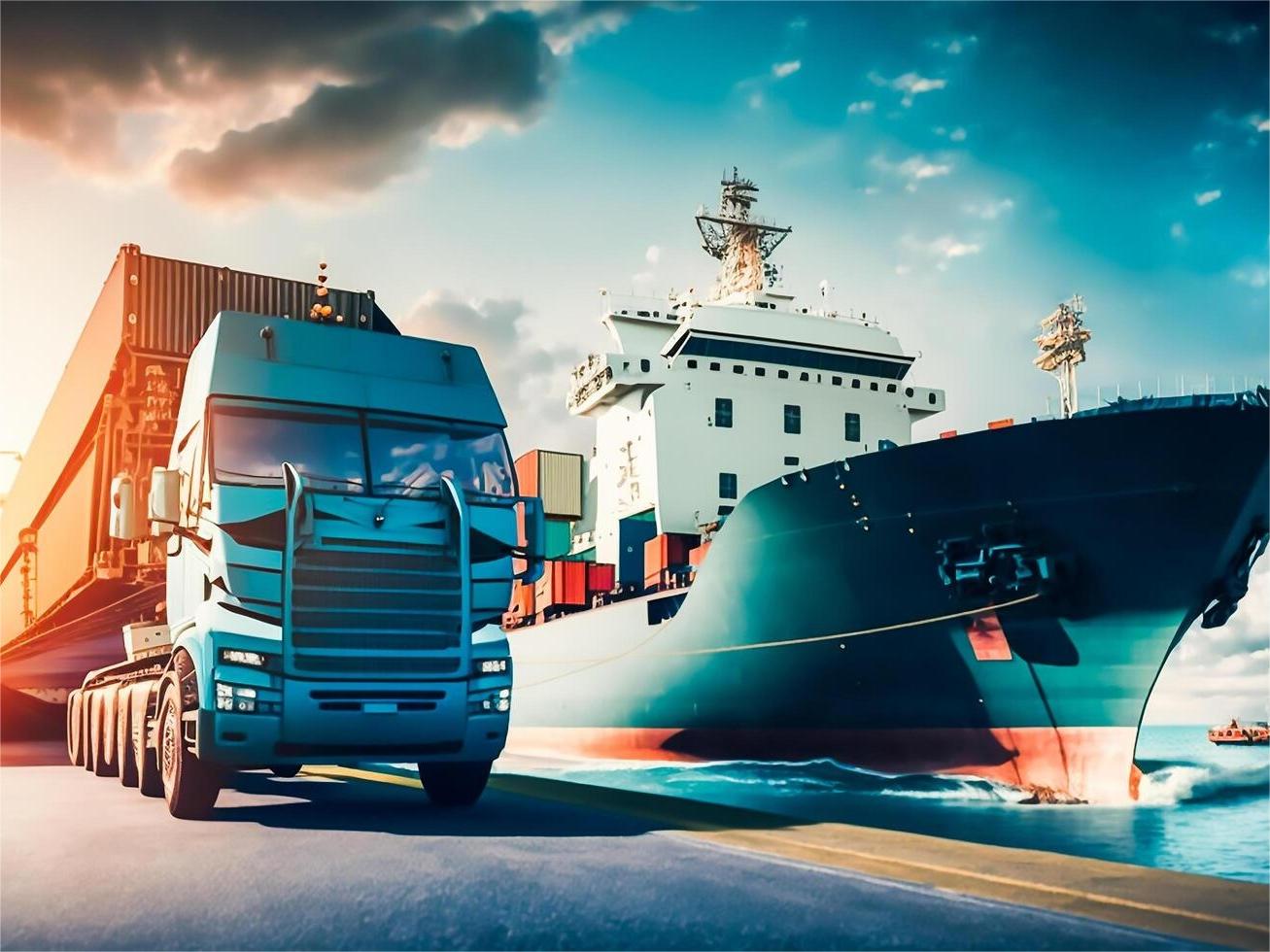
China to South Africa Air Freight Sea Freight Logistics Company Service 2026
Navigating the complexities of international trade requires a reliable partner to manage your supply chain efficiently. For businesses seeking a professional China to South Africa air freight sea freight logistics company service, understanding the current 2026 market landscape is crucial for success. Consequently, choosing the right transportation mode can significantly impact your delivery speed and overall operational costs in the Southern African region.
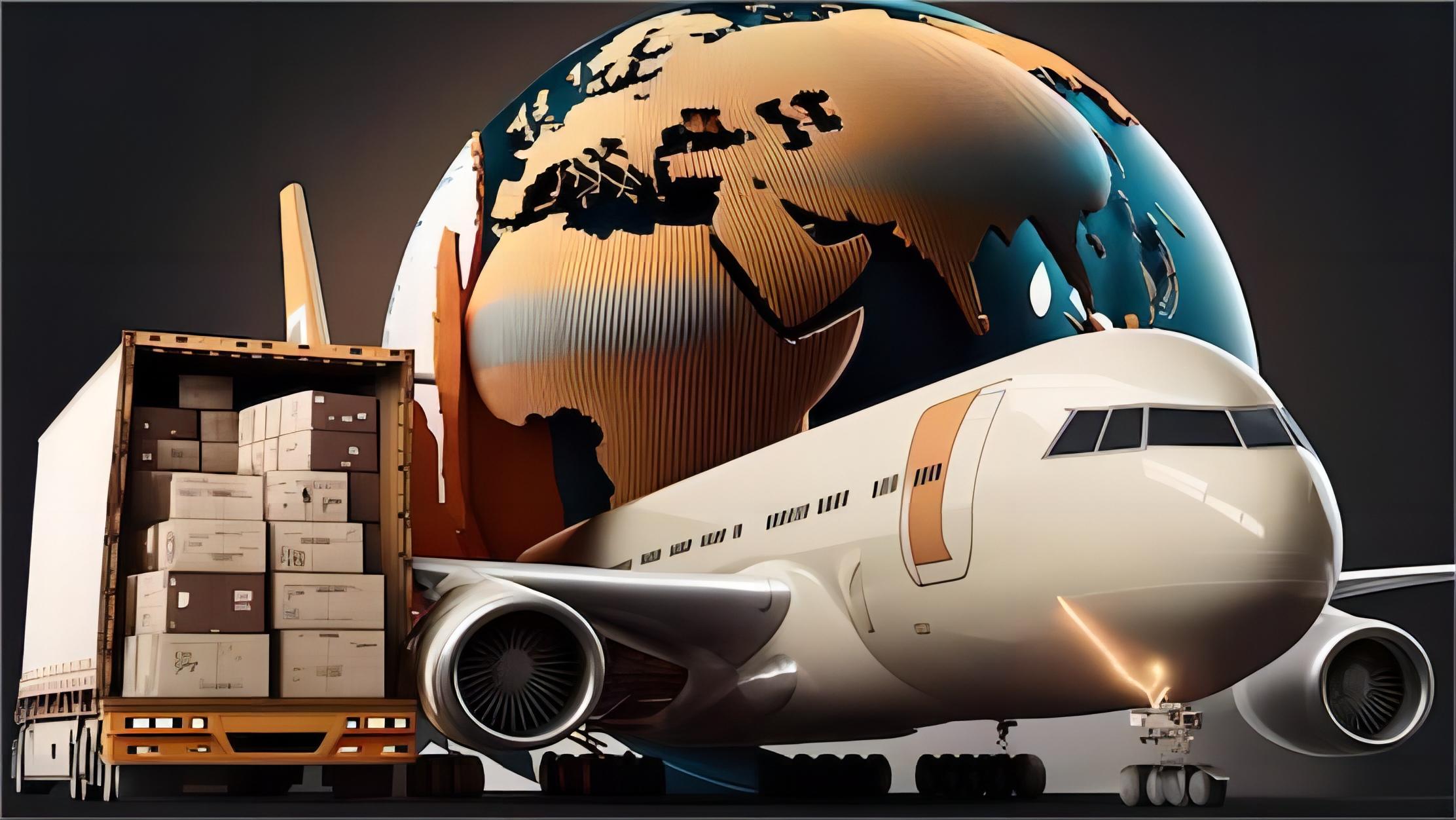
How to Choose the Best China to South Africa Air Freight Sea Freight Logistics Company Service?
Selecting a logistics provider involves more than just comparing the lowest available rates. Shippers must evaluate the company’s experience with South African customs regulations and their network within major Chinese ports. Moreover, a dedicated provider ensures that your cargo moves through the supply chain without unnecessary delays or hidden fees.

Reliability remains the most significant factor when moving high-value goods across the ocean or through the air. You should prioritize companies that offer real-time tracking and transparent communication throughout the transit process. Furthermore, verify that the forwarder has a physical presence or strong partnerships in both China and South Africa to handle local logistics issues.
Cost-effectiveness is another vital consideration for modern importers. While price is important, the value of inclusive services like cargo insurance and proper documentation cannot be overstated. Indeed, a professional service will help you navigate the specific challenges of the Durban and Cape Town ports during peak 2026 seasons.
Experience with specific product categories often differentiates a standard forwarder from an elite logistics partner. Whether you are shipping electronics, machinery, or textiles, your chosen company must understand the unique handling requirements for your cargo. Consequently, this specialized knowledge prevents damage and ensures compliance with South African safety standards.
Air Freight vs Sea Freight: A Comprehensive Comparison for 2026
Deciding between air and sea transport depends heavily on your budget and the urgency of the shipment. Air freight offers unparalleled speed for time-sensitive inventory, while sea freight provides the most economical solution for large volumes. In addition, the 2026 market has seen a stabilization of rates, making both options viable for different business needs.
Transit times for sea freight typically range from 25 to 40 days depending on the specific port of loading in China. In contrast, air cargo can reach major South African hubs like Johannesburg in as little as 5 to 8 days. Therefore, businesses must weigh the cost of faster delivery against the potential loss of sales due to stockouts.
Environmental impact is also becoming a key decision factor for many global corporations. Sea freight remains the greener option with a lower carbon footprint per ton of cargo moved. Nevertheless, air freight is indispensable for perishable goods or high-tech components that require rapid market entry.
| Transit Time | 25 to 40 Days | 5 to 10 Days | Sea: Bulk / Air: Urgent |
| Cost Range | Low to Moderate | High | Sea: Budget / Air: Speed |
| Weight Limits | High (Containers) | Moderate (Pallets) | Sea: Heavy / Air: Light |
| 2026 Reliability | High (Stable Routes) | Very High | Both: Reliable |
Exploring Sea Freight Options for Large Volume Shipments
Utilizing sea freight is the standard approach for most industrial and commercial goods moving from China to South Africa. This method allows for the transport of massive volumes at a fraction of the cost of air transport. Specifically, shippers can choose between Full Container Load (FCL) and Less than Container Load (LCL) based on their cargo size.
Full Container Load (FCL) is ideal for businesses that have enough goods to fill a 20ft or 40ft container. This option provides better security and faster handling since the container is dedicated to a single consignee. Additionally, FCL shipping rates from China to Durban have remained competitive throughout early 2026.
Less than Container Load (LCL) serves smaller businesses that do not require an entire container. In this scenario, your goods share space with other shippers, and you only pay for the volume you use. However, keep in mind that LCL might involve slightly longer transit times due to the consolidation and deconsolidation processes at the ports.
Major ports like Shanghai, Ningbo, and Shenzhen serve as the primary exit points for South Africa-bound vessels. Upon arrival, the Port of Durban handles the majority of container traffic, followed by Cape Town and Ngqura. Consequently, your logistics provider must be adept at managing the scheduling between these major international hubs.
Why Air Freight is the Preferred Choice for Urgent Cargo
Choosing air freight is essential when your business model relies on just-in-time inventory or rapid replenishment. High-value items such as smartphones, medical equipment, and fashion apparel often travel by air to minimize the risk of theft and damage. Moreover, the reduced transit time significantly improves cash flow by shortening the cycle from purchase to sale.
Air cargo rates are calculated based on either actual weight or volumetric weight, whichever is higher. Shippers should optimize their packaging to reduce volume and save on costs. For instance, using lightweight but durable materials can lower the overall freight bill without compromising the safety of the contents.
Johannesburg’s OR Tambo International Airport acts as the main gateway for air shipments entering South Africa. From there, goods can be distributed to Pretoria, Durban, or Cape Town via local road networks. Indeed, a well-organized air logistics strategy ensures that your products reach the shelf much faster than any maritime alternative.
How Does Sea Freight Compare to Other Shipping Options?
Comparing sea freight to alternative methods reveals unique advantages and trade-offs for different shipping scenarios. While sea freight is the most common, hybrid solutions like sea-air or express services offer middle-ground options. Specifically, businesses must evaluate these alternatives when standard routes face congestion or when budgets are tight.
Sea-air combinations involve shipping goods by sea to a hub like Dubai or Mauritius, followed by an air leg to South Africa. This strategy can save up to 40 percent in costs compared to pure air freight while being twice as fast as pure sea freight. On the other hand, it requires more complex documentation and careful synchronization of schedules.
Express courier services are the fastest possible way to move small parcels or documents. While the cost per kilogram is the highest, the convenience of a single point of contact and guaranteed delivery times is often worth the premium. For shipments under 100 kilograms, express services frequently outperform traditional air freight in both speed and ease of use.
| Sea Freight (FCL) | 3,200 to 4,800 USD | 30 to 40 Days | Slowest speed |
| Air Freight | 5.00 to 8.50 USD/kg | 5 to 10 Days | High cost |
| Sea-Air Hybrid | 3.00 to 4.50 USD/kg | 15 to 22 Days | Complex handling |
| Express Service | 9.00 to 14.00 USD/kg | 3 to 5 Days | Small parcels only |
Which Option Should You Choose? Decision Framework
Determining the best shipping method requires a clear understanding of your business priorities and cargo characteristics. If your primary goal is cost reduction and you are moving bulky items, sea freight is the clear winner. Conversely, if you are launching a new product or responding to an urgent market demand, air freight is the necessary choice.
Volume thresholds often dictate the switch between shipping methods. For shipments smaller than 0.5 cubic meters, express or air freight is usually more economical than LCL sea freight. However, once your volume exceeds 2 cubic meters, the cost savings of sea freight become too significant to ignore for most businesses.
Cargo type considerations also play a major role in the decision-making process. Fragile or perishable items benefit from the smooth and fast transit of air travel. Meanwhile, durable goods like furniture, construction materials, and heavy machinery are perfectly suited for the long journey in a shipping container.

Navigating Customs Brokerage and Door to Door Logistics
Successful importing involves more than just transportation; it requires seamless customs brokerage to avoid legal hurdles. South African customs (SARS) have strict requirements for documentation, including commercial invoices, packing lists, and certificates of origin. Professional brokers ensure that your goods are classified correctly under the Harmonized System (HS) codes to prevent overpaying duties.
Implementing a door to door service simplifies the entire process by managing every step from the factory in China to your warehouse in South Africa. This integrated approach reduces the risk of communication gaps between different service providers. Furthermore, it provides a single point of accountability for your entire shipment.
Local delivery within South Africa can be challenging due to infrastructure variations and security concerns. A reliable logistics partner will use vetted trucking companies to ensure that the final leg of the journey is as safe as the international transit. Consequently, you can focus on your core business while the experts handle the physical movement of your inventory.
Case Studies: Real-World Logistics Success Stories
Case Study 1: High-Volume Electronics Distribution. A Johannesburg-based retailer needed to move 1,200kg of high-end tablets from Shenzhen. By choosing air freight, they achieved a total door-to-door time of 7 days, allowing them to hit a crucial holiday sales window. The total landed cost was higher than sea freight, but the rapid turnover resulted in a 30 percent increase in seasonal profit.
Case Study 2: Industrial Machinery for Cape Town Manufacturing. A factory required a new production line consisting of heavy machinery weighing 18 tons. We utilized a 40HQ container via sea freight from Ningbo to Cape Town. The transit took 34 days, and by managing the customs clearance in advance, we avoided any port storage fees, saving the client over 2,000 USD in potential penalties.
Case Study 3: Small Business Stock Replenishment. A boutique owner in Durban used LCL sea freight to import 3 CBM of artisanal home decor from Guangzhou. This allowed the business to maintain diverse stock without the high cost of air freight. The shipment was consolidated with other cargo, resulting in a very low shipping rate of 120 USD per cubic meter, which kept their retail prices competitive.
Strategies to Reduce Your Shipping Costs in 2026
Optimizing your logistics budget starts with better planning and cargo consolidation. By grouping multiple small orders into a single LCL or FCL shipment, you can take advantage of bulk shipping rates. Additionally, booking your space at least two weeks in advance helps you secure lower rates before carrier capacity tightens.
Negotiating with your suppliers for better Incoterms can also lead to significant savings. For example, buying on FOB (Free on Board) terms allows you to choose your own forwarder and control the shipping costs, rather than relying on the supplier’s potentially inflated rates. Moreover, using a professional express service for samples before committing to large orders prevents costly mistakes.
Regularly reviewing your packaging design can lead to unexpected cost reductions. Reducing the dimensions of your boxes even by a few centimeters can sometimes move your shipment into a lower weight bracket for air freight. Indeed, every small adjustment contributes to a more efficient and profitable international supply chain.
Final Thoughts on China to South Africa Logistics
Mastering the route from China to South Africa requires a strategic balance between speed, cost, and reliability. Whether you choose the rapid delivery of air cargo or the economical scale of sea freight, having a professional logistics partner is the key to navigating the 2026 market. By understanding the various shipping modes and alternative strategies, you can ensure your goods arrive safely and on time.
Reliable China to South Africa air freight sea freight logistics company service providers offer more than just transport; they provide peace of mind. As global trade continues to evolve, staying informed about transit times, customs regulations, and cost-saving opportunities will keep your business competitive. Start planning your next shipment today to take advantage of the most efficient logistics solutions available.

Need a tailored shipping solution?
Maximize your business potential with a tailored China to South Africa air freight sea freight logistics company service. Our team of experts is ready to optimize your supply chain and provide competitive 2026 rates for all your shipping needs. Contact Global China Forwarder today to receive a comprehensive quote and experience hassle-free international logistics. Visit our website or send an inquiry to get started with your next shipment.
Frequently Asked Questions
What is the typical transit time for sea freight from China to South Africa?
Sea freight usually takes between 25 and 40 days. This depends on the port of origin in China and whether the ship goes directly to Durban, Cape Town, or Port Elizabeth. Weather and port congestion can also influence the schedule.
How much does air freight cost per kg from China to South Africa in 2026?
In 2026, air freight rates typically range from 5.00 to 8.50 USD per kilogram. Prices fluctuate based on fuel surcharges, seasonal demand, and the specific volume of the cargo. Larger shipments often qualify for better per-kg rates.
Which South African port is best for importing goods from China?
The Port of Durban is the primary gateway for most imports due to its extensive infrastructure and rail links to Johannesburg. However, Cape Town is often better for cargo destined for the Western Cape region to save on local transport.
What documents are required for customs clearance in South Africa?
Essential documents include the Commercial Invoice, Packing List, Bill of Lading or Air Waybill, and an Import Permit for certain goods. A Certificate of Origin may also be required to determine applicable duties and taxes.
Is it better to use FCL or LCL for sea freight?
FCL is better for shipments larger than 15 cubic meters as it offers more security and faster handling. LCL is a cost-effective choice for smaller shipments where you only pay for the specific space your goods occupy.
Can I track my shipment from China to South Africa?
Yes, professional logistics companies provide tracking numbers that allow you to monitor your cargo’s progress in real-time. This includes updates on departure, transit milestones, and arrival at the destination port or airport.
Do I need cargo insurance for international shipping?
While not mandatory, cargo insurance is highly recommended to protect your investment against loss or damage during transit. The cost is usually a small percentage of the total cargo value and provides significant peace of mind.
How do I calculate the volumetric weight for air freight?
Volumetric weight is calculated by multiplying the length, width, and height of the package in centimeters and dividing by 6000. Carriers charge based on the higher value between the actual weight and this volumetric weight.