

China to Nigeria Sea Freight Container Shipping Cost Service: 2026 Guide
Navigating the complexities of the Global China Forwarder network is essential for businesses seeking a reliable china to nigeria sea freight container shipping cost service. As trade volumes between these two nations continue to expand in 2026, understanding the nuances of logistics is paramount for maintaining a healthy bottom line. Consequently, this guide provides a deep dive into pricing, transit times, and strategic planning for your cargo. Many importers struggle with fluctuating rates and port delays, but with the right information, these hurdles become manageable. Therefore, we will analyze the current market landscape to help you optimize your supply chain efficiently.

What Defines the China to Nigeria Sea Freight Container Shipping Cost Service?
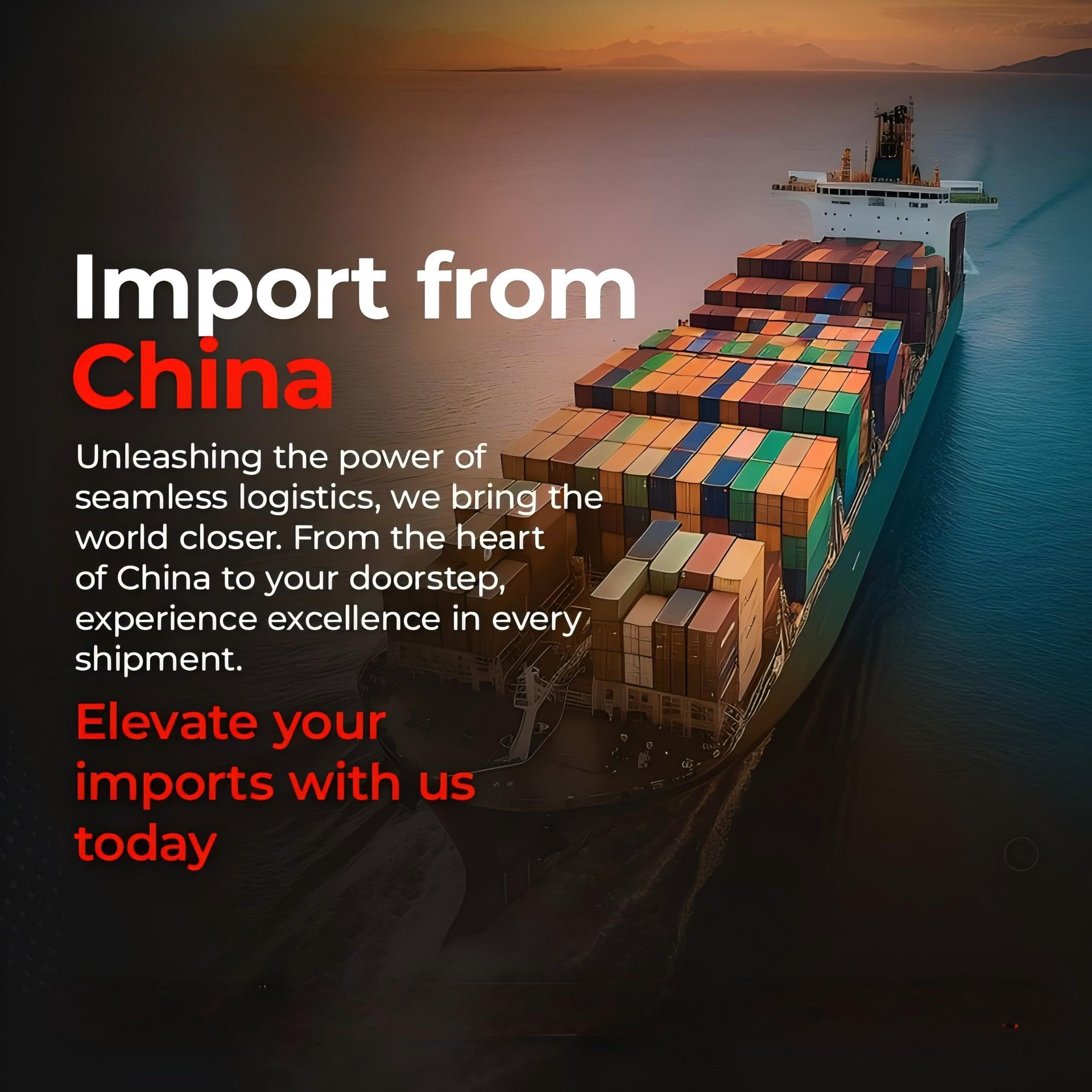
Specifically, the china to nigeria sea freight container shipping cost service encompasses the total expenditure required to transport goods via ocean vessels. This service includes base freight rates, fuel surcharges, and various local handling fees at both origin and destination ports. Indeed, ocean transport remains the most cost-effective method for bulk commodities and large-scale manufacturing equipment. In 2026, the logistics sector has seen significant technological advancements, allowing for better tracking and more predictable scheduling.
Moreover, the cost is not a static figure but rather a dynamic variable influenced by global oil prices and carrier capacity. When you choose a professional shipping service, you are paying for more than just space on a ship; you are investing in expertise. For example, experienced forwarders can navigate the complex maritime routes that connect major Chinese hubs like Shanghai or Ningbo to Nigerian ports such as Apapa or Tin Can Island. Consequently, selecting a high-quality service provider ensures that your goods arrive safely and within a reasonable timeframe.
Furthermore, many businesses now look for integrated solutions that handle every step of the journey. This approach minimizes the risk of communication breakdowns between different service providers. As a result, importers can focus on their core business activities while the logistics experts manage the transit details. Without a doubt, a comprehensive sea freight service is the backbone of the China-Nigeria trade corridor, supporting everything from retail goods to heavy infrastructure materials.
How Much Does it Cost to Ship a Container to Nigeria in 2026?
Determining the exact cost requires an analysis of current market trends and seasonal demand. Generally, shipping a 20-foot container (20GP) is cheaper than a 40-foot high cube (40HQ), but the latter offers better value per cubic meter. For instance, as of early 2026, rates have stabilized following the supply chain disruptions seen in previous years. Nevertheless, prices can spike during peak periods like the months leading up to the holiday season.
Additionally, local charges in Nigeria can significantly impact the final landed cost. These include terminal handling charges, documentation fees, and mandatory government levies. Therefore, importers must factor in these additional expenses when calculating their total budget. It is also important to note that inland haulage from the port to the final warehouse in cities like Abuja or Kano adds another layer of cost. Accordingly, a transparent breakdown from your freight forwarder is essential for accurate financial planning.
To provide a clearer picture, let us look at the industry average rates for major routes. These figures are based on Q1 2026 market data and represent port-to-port ocean freight. Note: Freight rates are subject to change based on fuel costs, carrier capacity, and seasonal demand. Contact us for a current quote tailored to your specific shipment.
| Shanghai to Lagos | $2,600 – $3,300 | $4,300 – $5,600 | 35-45 Days |
| Shenzhen to Lagos | $2,500 – $3,100 | $4,100 – $5,300 | 32-40 Days |
| Ningbo to Onne | $2,800 – $3,500 | $4,500 – $5,800 | 38-48 Days |
| Qingdao to Lagos | $2,750 – $3,400 | $4,400 – $5,700 | 40-50 Days |
Why Choose FCL Over LCL for Your Nigeria Shipments?
Choosing between Full Container Load (FCL) and Less than Container Load (LCL) depends heavily on your shipment volume. If you have enough cargo to fill at least 70% of a container, FCL is usually the more economical choice. This is because FCL offers a flat rate for the entire container, regardless of how much weight is inside, provided it stays within legal limits. In contrast, LCL rates are calculated per cubic meter, which can become expensive for larger volumes.
Furthermore, FCL provides a higher level of security for your goods. Since the container is sealed at the point of origin and only opened at the destination, the risk of damage or theft is greatly reduced. On the other hand, LCL involves consolidating your goods with those of other shippers, which requires more handling at the consolidation warehouse. Consequently, FCL is often preferred for fragile or high-value items. Consider sea freight FCL options if you want to minimize transit risks.
However, LCL remains a vital tool for small and medium-sized enterprises that do not have the inventory to fill a whole container. It allows these businesses to maintain a steady flow of goods without the high capital outlay required for FCL. Meanwhile, logistics providers have improved consolidation techniques in 2026, making LCL more efficient than ever before. Indeed, the choice depends on your specific inventory needs and budget constraints.
How Does Sea Freight Compare to Other Shipping Options?
While the china to nigeria sea freight container shipping cost service is popular, it is not the only way to move goods. For urgent shipments, air freight is the go-to solution. Although air transport is significantly faster, it comes at a much higher price point. For instance, shipping a ton of electronics by air might cost five times more than by sea. Therefore, air freight is typically reserved for perishables, medical supplies, or high-end electronics.
Another alternative is the hybrid sea-air solution, which balances cost and speed. In this scenario, goods are shipped by sea to a transit hub like Dubai and then flown to Lagos. This method can save about 40% of the time compared to pure sea freight while remaining cheaper than direct air freight. Moreover, for businesses selling on international platforms, using Amazon FBA logistics can streamline the distribution process within Nigeria and beyond.
When deciding which method to use, you must weigh the cost against the urgency of the delivery. If your supply chain can handle a 40-day lead time, sea freight is unbeatable in terms of cost. However, if a stockout will result in significant revenue loss, the higher cost of air freight may be justified. Below is a detailed comparison of the primary shipping methods available for the China-Nigeria route in 2026.
| Sea Freight (FCL) | $2,500 – $5,800 | 35-50 Days | Bulk & Heavy Goods |
| Air Freight | $5.50 – $9.00/kg | 5-9 Days | Urgent & High-Value |
| LCL Sea Freight | $80 – $150/CBM | 40-55 Days | Small Shipments |
| Express Courier | $12.00 – $18.00/kg | 3-5 Days | Samples & Documents |
Real Case Studies: China to Nigeria Logistics in 2026
To illustrate how the china to nigeria sea freight container shipping cost service works in practice, let us examine two real-world scenarios from the past year. These cases highlight the importance of planning and choosing the right container type for specific cargo needs.
Case Study 1: Electronics from Shenzhen to Lagos. Route: Shenzhen, China to Lagos, Nigeria. Cargo: Consumer Electronics, 25 CBM, 8000 kg. Container: 40GP. Shipping Details: Carrier: COSCO, Port of Loading: Shenzhen, Port of Discharge: Apapa, Route Type: Direct. Cost Breakdown: Ocean Freight: $3,900, Origin Charges: $450, Destination Charges: $600, Customs and Duties: $1,200. Total Landed Cost: $6,150. Timeline: Booking to Loading: 5 days, Sea Transit: 38 days, Customs Clearance: 6 days, Total Door-to-Door: 49 days. Key Insight: Early booking during the Q3 peak season saved the client 15% on freight rates.
Case Study 2: Industrial Machinery from Ningbo to Onne. Route: Ningbo, China to Onne, Nigeria. Cargo: Spare Parts and Machinery, 12 CBM, 5000 kg. Container: LCL. Shipping Details: Carrier: Maersk, Port of Loading: Ningbo, Port of Discharge: Onne, Route Type: Transshipment via Singapore. Cost Breakdown: Ocean Freight: $1,440 ($120/CBM), Origin Charges: $300, Destination Charges: $550, Customs and Duties: $900. Total Landed Cost: $3,190. Timeline: Booking to Loading: 7 days, Sea Transit: 45 days, Customs Clearance: 8 days, Total Door-to-Door: 60 days. Key Insight: Utilizing LCL allowed the small manufacturer to maintain stock without paying for an empty 20GP container.
What Documents Are Required for Nigeria Customs Clearance?
Navigating Nigerian customs requires meticulous attention to documentation. The most critical document is the Form M, which must be processed through the Nigerian Single Window Trade Portal. Without a valid Form M, your goods cannot be legally imported. Additionally, a Pre-Arrival Assessment Report (PAAR) is required for the final clearance of the goods. Professional customs brokerage services are highly recommended to handle these complexities.
Furthermore, you must provide a Bill of Lading, a Commercial Invoice, and a Packing List. The Commercial Invoice should clearly state the value of the goods to ensure correct duty calculation. In 2026, the Nigerian Customs Service has moved toward more digital inspections, but physical examinations still occur frequently. Therefore, ensuring that your packing list matches the actual contents of the container is vital to avoid heavy fines or seizures.
Moreover, certain products require specialized certificates. For instance, manufactured goods often need a SONCAP certificate from the Standards Organisation of Nigeria. Food and drug products require NAFDAC registration. Consequently, failing to secure these documents before the ship arrives will lead to expensive demurrage charges at the port. Always verify the specific requirements for your cargo type well in advance of the shipping date.
How to Reduce Your China to Nigeria Shipping Costs?
Reducing your china to nigeria sea freight container shipping cost service expenses starts with optimizing your packaging. By minimizing wasted space inside the container, you can fit more goods and reduce the cost per unit. Additionally, consolidating multiple small orders into one FCL shipment is a proven strategy for saving money. Many importers in 2026 are also using data analytics to predict when freight rates will be at their lowest.
On the other hand, choosing the right port of discharge can also save you money. While Lagos ports are the busiest, they often suffer from congestion, leading to higher storage fees. In contrast, ports like Onne or the newer Lekki Deep Sea Port might offer faster turnaround times and lower local handling costs depending on your final destination. For those needing a hands-off approach, door to door services can often negotiate better bulk rates with carriers than individual shippers can.
Lastly, building a long-term relationship with a reliable freight forwarder can lead to better pricing and priority space during peak seasons. Carriers are more likely to offer competitive rates to regular customers. Moreover, staying informed about logistics trends and regulatory changes in Nigeria will help you avoid unexpected costs. Indeed, a proactive approach to logistics management is the most effective way to keep your shipping budget under control.
Which Option Should You Choose for Your Business?
Ultimately, the best shipping option depends on your specific business priorities. If your primary goal is to minimize costs and you have high-volume cargo, sea freight FCL is the clear winner. This method provides the lowest cost per unit and the highest level of cargo security. However, you must be prepared for the longer transit times associated with ocean travel. For businesses with tight margins, the savings from sea freight are often the difference between profit and loss.
Conversely, if you are testing a new product or have limited storage space, LCL shipping offers the flexibility you need. It allows you to import smaller quantities more frequently, which helps in maintaining a lean inventory. In 2026, many e-commerce sellers prefer this method to manage their cash flow more effectively. Nevertheless, you should always compare the total landed cost of LCL versus a partially filled FCL container, as the latter can sometimes be cheaper once all fees are included.
For urgent or high-value items, do not hesitate to use air freight or express services. While the cost is higher, the speed can give you a significant competitive advantage in the Nigerian market. Specifically, in sectors like fashion or technology, being the first to market is often worth the extra shipping expense. By analyzing your budget, timeline, and cargo type, you can select the shipping strategy that best supports your business growth.
Mastering Your Nigeria Shipping Strategy
In conclusion, managing the china to nigeria sea freight container shipping cost service requires a blend of strategic planning and market awareness. By understanding the differences between FCL and LCL, and by staying informed about customs requirements, you can significantly improve your importing efficiency. Furthermore, leveraging the expertise of a professional forwarder helps mitigate risks and ensures your cargo reaches its destination safely.
As we move through 2026, the logistics landscape will continue to evolve with new technologies and infrastructure projects like the Lekki Deep Sea Port. Staying adaptable and proactive will remain the key to success for Nigerian importers. Whether you are shipping heavy machinery or retail goods, the right sea freight strategy will provide a solid foundation for your business operations in the years to come.
Need a tailored shipping solution?
Ready to optimize your supply chain with a reliable china to nigeria sea freight container shipping cost service? Contact Global China Forwarder today for a personalized quote and expert guidance on your next shipment. Our team is standing by to help you navigate 2026 logistics challenges with ease. Visit our website to learn more and start your shipping journey now.