


China to Nigeria Cargo Shipping Container Sea Freight Rates: 2026 Guide
Navigating the complexities of international trade requires a deep understanding of Global China Forwarder logistics and current market trends. Specifically, businesses must analyze china to nigeria cargo shipping container sea freight rates to maintain a competitive edge in 2026. This guide provides a comprehensive breakdown of costs, timelines, and strategic alternatives for your supply chain needs. Consequently, importers can make informed decisions that balance speed and cost-effectiveness effectively.
Understanding China to Nigeria Cargo Shipping Container Sea Freight Rates in 2026
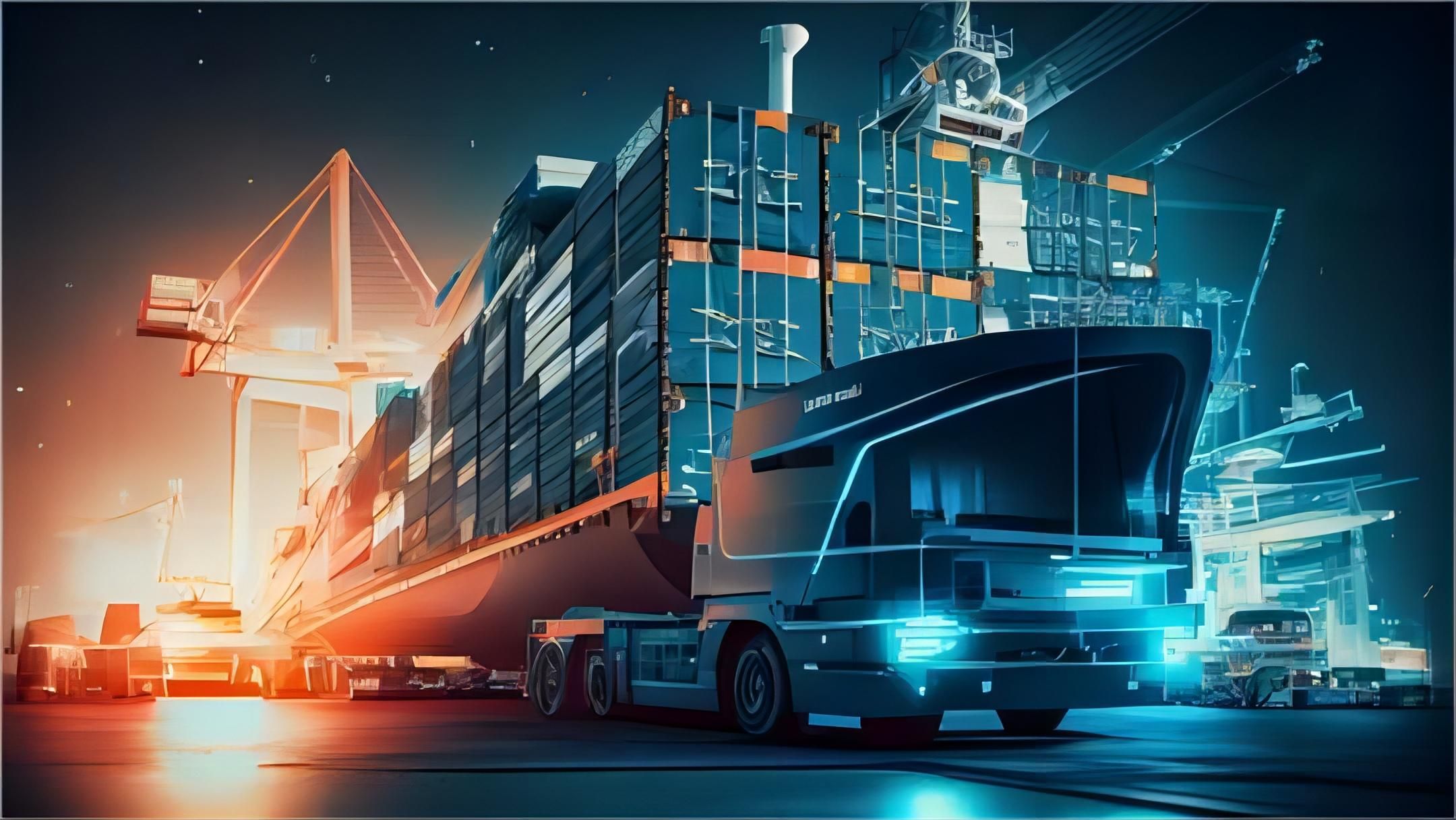
Current market conditions in 2026 show a stabilization of prices following the logistical shifts of previous years. Choosing sea freight remains the most economical method for transporting heavy machinery and bulk consumer goods. However, several variables influence the final quote you receive from a freight forwarder.
Freight rates are generally divided into Full Container Load (FCL) and Less than Container Load (LCL) categories. For a 20GP container, prices currently range between 3,200 and 4,800 USD depending on the departure port. Meanwhile, 40HQ containers often command rates between 5,500 and 7,200 USD during standard seasons.
Moreover, the introduction of the Lekki Deep Sea Port has significantly improved vessel turnaround times. This infrastructure development has led to more predictable delivery schedules for major importers in the region. Therefore, planning your shipments around these modern hubs can reduce overall landed costs.
Key Factors Influencing Your Shipping Costs
Fuel surcharges, often referred to as Bunker Adjustment Factors (BAF), fluctuate based on global oil prices. Additionally, seasonal demand spikes during the pre-Christmas period and before the Lunar New Year typically drive prices upward. Without a doubt, booking your space at least four weeks in advance can help mitigate these sudden price hikes.
Currency exchange rates between the Yuan and the Naira also play a pivotal role in total expenditure. Furthermore, port congestion in Lagos ports like Apapa and Tincan Island can lead to unexpected demurrage and detention fees. To summarize, local logistical challenges often contribute as much to the final price as the ocean freight itself.
How Does Sea Freight Compare to Other Shipping Options?
Analyzing all available transport modes is essential for optimizing your supply chain. While sea freight offers the lowest cost per unit, it requires the longest lead time. In contrast, other methods provide speed at a significant premium.
For instance, large shipments of industrial parts are best suited for ocean transit. However, urgent inventory replenishment might require a hybrid approach. It is important to weigh the value of your goods against the cost of transit time.
| Shipping Method | Cost Range | Transit Time | Best For |
|---|---|---|---|
| Sea Freight | $3,500 – $7,000 | 35-50 Days | Bulk & Heavy Goods |
| Air Freight | $5.50 – $9.50/kg | 5-10 Days | Urgent Electronics |
| Express Service | $11.00 – $16.00/kg | 3-6 Days | Small Samples |
| Sea-Air Hybrid | $3.00 – $5.00/kg | 18-25 Days | Mid-value items |
FCL vs LCL: Choosing the Right Container Option
Full Container Load (FCL) provides exclusive use of a 20ft or 40ft container. Consequently, this method is ideal for businesses moving more than 15 cubic meters (CBM) of cargo. It offers better security and faster handling since the container remains sealed until it reaches its destination.
On the other hand, Less than Container Load (LCL) allows you to pay only for the space you use. This is perfect for smaller businesses or trial shipments. Nevertheless, LCL shipments often face longer transit times due to the consolidation and deconsolidation processes at the ports.
Major Ports and Transit Times for Nigeria Cargo
Shipping from major Chinese hubs like Ningbo, Shanghai, or Shenzhen to Lagos typically takes 35 to 45 days. Direct routes are faster but often come with a higher price tag compared to transshipment routes via Singapore or Colombo. Indeed, choosing the right port of loading can save you both time and money.
Nigerian ports are currently undergoing modernization to handle larger vessels. Port Harcourt and Onne are excellent alternatives for cargo destined for the eastern parts of Nigeria. Accordingly, importers should consult with their logistics partner to determine the most efficient discharge point for their specific warehouse location.
Customs Brokerage and Documentation Requirements
Efficient customs brokerage is the backbone of a successful import operation in Nigeria. You must ensure all paperwork, including the Bill of Lading, Commercial Invoice, and Packing List, is perfectly accurate. Failure to comply with the Standards Organisation of Nigeria (SONCAP) requirements can lead to severe penalties.
Furthermore, the Pre-Arrival Assessment Report (PAAR) is a mandatory document for clearing goods. Navigating the Form M process requires attention to detail and early submission. For this reason, many successful traders outsource this task to experienced professionals to avoid costly delays at the wharf.
Realistic Case Studies: Shipping from China to Lagos
Examining real-world scenarios helps in understanding the actual landed cost of goods. These examples reflect typical 2026 market conditions and common cargo types.
Case Study 1: Furniture Import to Tincan. Route: Ningbo to Lagos Tincan. Cargo: Home furniture, 26 CBM. Container: 20GP. Ocean Freight: $3,850. Origin Charges: $450. Destination Charges: $900. Total Transit: 44 days. Key Insight: Booking during the off-peak season saved the client $600 compared to Q4 rates.
Case Study 2: Industrial Machinery to Onne. Route: Shanghai to Onne Port. Cargo: Textile machinery, 58 CBM. Container: 40HQ. Ocean Freight: $6,400. Customs and Duties: $4,200. Total Landed Cost: $11,850. Total Transit: 48 days. Key Insight: Direct sailing to Onne avoided the congestion surcharges commonly found in Lagos ports.
Alternative Strategies and Cost-Saving Tips
For shipments that are too heavy for air freight but too urgent for standard sea transit, consider sea-air solutions. This hybrid model involves shipping by sea to a hub like Dubai and then flying the cargo to Nigeria. As a result, you can cut transit time by 50% while keeping costs manageable.
Another effective strategy is cargo consolidation. By combining multiple small orders from different suppliers into one FCL shipment, you significantly reduce the per-unit shipping cost. Additionally, using an express service for your original documents can prevent port storage charges while waiting for paperwork to arrive.
Door to Door Services: Simplifying the Supply Chain
Many modern importers prefer door to door services to eliminate the stress of local logistics. This all-inclusive model covers everything from the factory floor in Guangzhou to the warehouse in Kano or Abuja. Indeed, it provides a single point of contact and a predictable total cost.
While the upfront quote for door-to-door might seem higher, it often saves money by avoiding hidden fees. For example, local trucking and terminal handling charges are already factored in. Consequently, businesses can focus on sales and marketing rather than worrying about port clearance hurdles.
Which Option Should You Choose?
Budget priority: If your main goal is cost reduction, sea freight FCL is the undisputed winner for large volumes. Speed priority: For high-value electronics that need to hit the market fast, air freight is the only viable choice. Cargo type: Heavy machinery must go by sea, whereas small samples should utilize express courier services.
Note: Freight rates are subject to change based on fuel costs, carrier capacity, and seasonal demand. Contact us for a current quote tailored to your specific shipment.
Mastering Your Shipping Strategy from China to Nigeria
Securing the best china to nigeria cargo shipping container sea freight rates requires a blend of early planning, correct documentation, and choosing the right logistics partner. By understanding the differences between FCL and LCL, and monitoring 2026 market trends, you can significantly reduce your overhead.
Whether you are importing industrial equipment or consumer electronics, the key to success lies in transparency and efficiency. Always consider the total landed cost rather than just the ocean freight rate. Start your journey today by partnering with a forwarder that understands the unique landscape of the Nigerian market.
Need a tailored shipping solution?
Ready to optimize your supply chain with competitive china to nigeria cargo shipping container sea freight rates? Contact our expert team today to receive a customized quote that meets your budget and timeline. Send Inquiry: Visit https://globalchinaforwarder.com/ to get started with your 2026 shipping plan.