

China to Kenya Freight Forwarding Amazon FBA Shipping Service: 2026 Guide
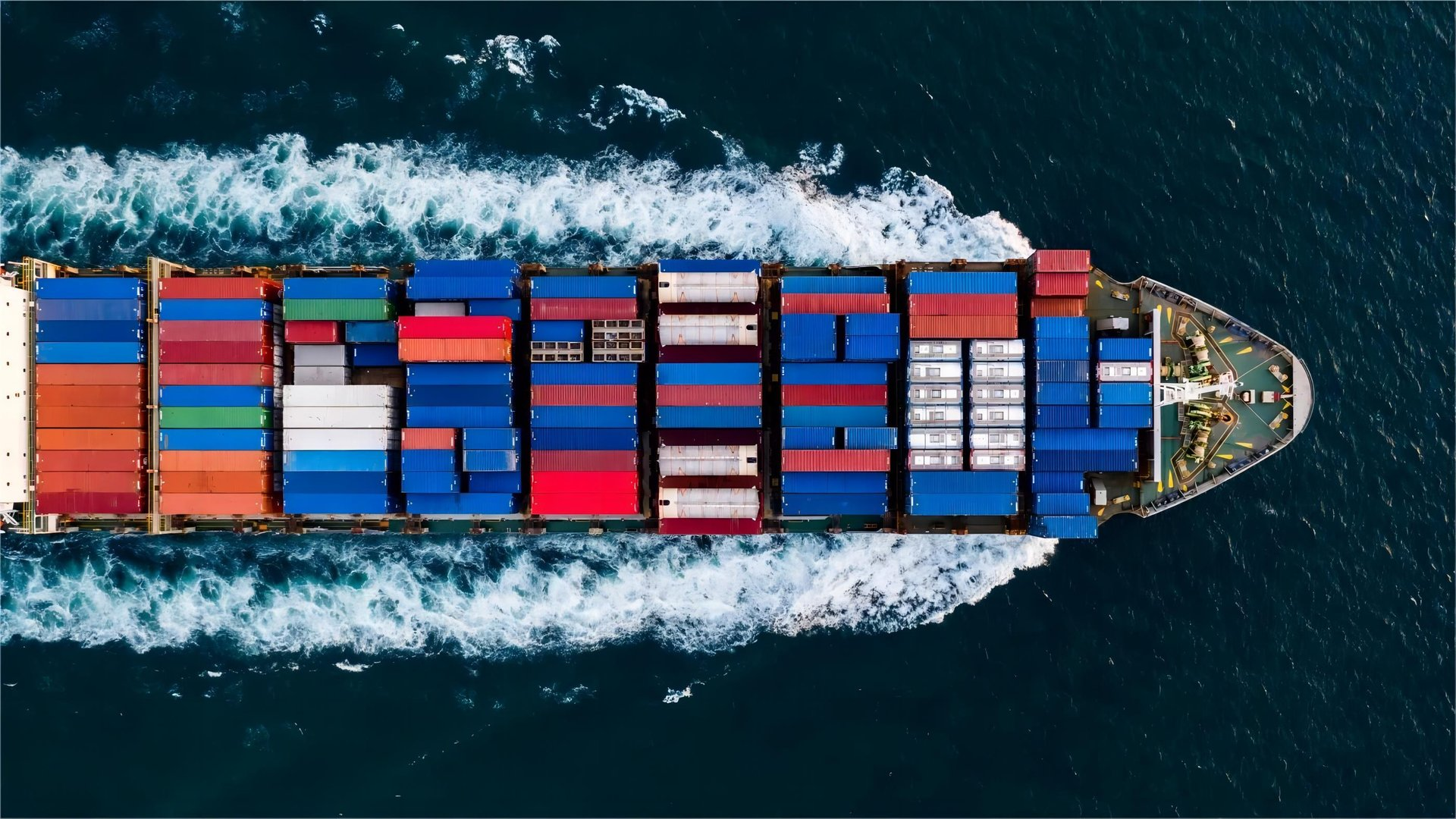
China to Kenya freight forwarding Amazon FBA shipping service serves as the critical link for e-commerce entrepreneurs looking to tap into the expanding East African digital marketplace. At Global China Forwarder, we provide specialized logistics solutions that simplify the complex journey from manufacturing hubs in Shenzhen or Ningbo to fulfillment centers in Nairobi. Consequently, this comprehensive guide explores the most efficient shipping methods, current 2026 market rates, and essential customs strategies to ensure your inventory arrives safely and on schedule.
Why Specialized China to Kenya Freight Forwarding Amazon FBA Shipping Service Matters
Navigating the logistics landscape between China and Kenya involves more than just selecting a carrier. Because Amazon FBA has strict requirements for packaging, labeling, and delivery windows, using a dedicated Amazon FBA service is essential for maintaining your seller performance metrics. Furthermore, specialized forwarders understand the nuances of the Port of Mombasa and the Inland Container Depot in Nairobi, which are pivotal for timely distribution.
Moreover, the logistical environment in 2026 has seen a shift toward integrated digital tracking and greener shipping options. Consequently, businesses that leverage modern forwarding services benefit from real-time visibility and reduced carbon footprints. Indeed, choosing the right partner allows you to focus on marketing and sales while the complex movement of goods is handled by professionals who understand both Chinese export laws and Kenyan import regulations.
How Does China to Kenya Freight Forwarding Compare to Other Shipping Options?
Selecting the right shipping method requires an objective analysis of speed, cost, and cargo volume. While many sellers instinctively choose the cheapest option, the trade-offs in transit time and inventory turnover can significantly impact profitability. Therefore, we have compiled a detailed comparison of the primary shipping strategies available for the China-Kenya route in 2026.
In addition to standard sea and air routes, hybrid solutions like sea-air combinations are gaining popularity for their balance of cost and speed. However, direct express services remain the gold standard for high-value electronics or urgent restocks. Meanwhile, traditional sea freight continues to dominate for bulky items and large-scale inventory replenishment due to its unmatched cost-efficiency for high-volume shipments.
| Shipping Method | Cost Range | Transit Time | Best For | Limitations |
|---|---|---|---|---|
| Sea Freight (FCL) | $2,200 – $4,500 | 30 – 40 Days | Bulk Inventory | Slowest transit |
| Air Freight | $5.00 – $9.50/kg | 5 – 8 Days | High-Value Goods | Weight limits |
| Express Service | $9.00 – $16.00/kg | 3 – 5 Days | Samples/Urgent | Highest cost |
| LCL Sea Freight | $80 – $150/CBM | 35 – 45 Days | Small Batches | Handling risks |

China to Kenya Freight Forwarding Amazon FBA Shipping Service: Sea vs Air
Understanding the fundamental differences between sea freight and air freight is crucial for strategic planning. As of early 2026, sea freight rates have stabilized, making it the most viable option for sellers moving large quantities of home goods or textiles. For example, a 20GP container from Shanghai to Mombasa currently costs between $2,200 and $2,800 depending on the carrier and seasonal demand.
On the other hand, air freight offers a significant competitive advantage when speed is the priority. Although the cost per kilogram is substantially higher, the reduced transit time allows for faster reinvestment of capital. Furthermore, air cargo is subject to less handling, which often results in lower insurance premiums and a reduced risk of damage for fragile items. Consequently, many Amazon sellers utilize a split-shipping strategy, sending a small portion of stock via air and the remainder via sea.
| Container Type | Estimated Cost | Transit Time | Route |
|---|---|---|---|
| 20GP Container | $2,200 – $2,800 | 32 Days | Shanghai to Mombasa |
| 40HQ Container | $3,800 – $4,600 | 35 Days | Ningbo to Mombasa |
| LCL (per CBM) | $95 – $130 | 38 Days | Shenzhen to Nairobi |
| Air (per kg) | $5.50 – $7.00 | 6 Days | Guangzhou to JKI |
Navigating Customs Brokerage and Kenya Import Regulations
Customs compliance remains one of the most challenging aspects of shipping to Kenya. Because the Kenya Revenue Authority (KRA) and the Kenya Bureau of Standards (KEBS) enforce strict Pre-Export Verification of Conformity (PVoC) programs, missing documentation can lead to heavy fines. Therefore, engaging an experienced customs brokerage partner is vital to ensure all Certificate of Conformity (CoC) documents are in order before the cargo leaves China.
Additionally, the implementation of the Integrated Customs Management System (iCMS) in Kenya has streamlined the clearance process but requires precise digital filing. Consequently, any discrepancy between the commercial invoice and the actual cargo can trigger a physical inspection, leading to costly storage fees at the port. Indeed, proactive preparation of the packing list, bill of lading, and import declaration form is the best way to avoid these common pitfalls.
Essential Documentation Checklist
Sellers must ensure that every shipment is accompanied by a comprehensive set of documents. Specifically, the commercial invoice must clearly state the unit price, total value, and country of origin. Furthermore, the packing list should detail the dimensions and weight of each individual carton to facilitate easy verification by customs officials. Finally, the Bill of Lading or Air Waybill serves as the title to the goods and must be handled with extreme care.
Case Studies in China to Kenya Freight Forwarding Amazon FBA Shipping Service
Reviewing real-world scenarios provides valuable insight into the practical application of logistics strategies. These cases reflect typical market conditions and pricing as of early 2026. By analyzing these examples, sellers can better estimate their own landed costs and transit expectations for various product categories.
Case Study 1: Consumer Electronics from Shenzhen to Nairobi. A client shipped 12 CBM of high-value electronics via LCL sea freight. The cargo originated in Shenzhen and was discharged at Mombasa before being transported by rail to the Nairobi Inland Container Depot. Total landed cost, including duties and origin charges, amounted to $2,750 with a door-to-door transit time of 36 days. This method saved the client approximately 55 percent compared to air freight options.
Case Study 2: Fast Fashion Restock from Guangzhou to Nairobi. An Amazon seller needed to replenish stock for a seasonal sale and opted for air freight. The shipment consisted of 450 kg of apparel. By utilizing a direct flight from Guangzhou to Jomo Kenyatta International Airport, the goods were cleared and delivered to the warehouse in just 6 days. While the cost was $2,900, the speed allowed the seller to capture peak market demand and avoid stockouts.
Case Study 3: Home Decor via 40HQ Container from Ningbo. A large-scale importer moved a full 40HQ container of furniture and home accessories. The ocean freight was $4,300, and the total transit took 34 days. By using a door to door service, the client avoided the hassle of coordinating multiple local transporters in Kenya. This integrated approach ensured the cargo reached the final destination without any break-bulk issues.
Which Shipping Option Should You Choose for Kenya?
Choosing the right logistics path depends on your specific business priorities and cargo characteristics. If your primary goal is budget optimization and you are moving more than 15 CBM, sea freight (FCL) is almost always the superior choice. However, if you are shipping lightweight, high-margin items like jewelry or specialized electronics, the speed of air freight justifies the additional expense. Moreover, for shipments between 1 and 10 CBM, LCL sea freight offers a balanced middle ground.
Sellers should also consider the seasonal nature of freight rates. For instance, prices typically increase by 15 to 25 percent during the peak season from August to October as retailers prepare for end-of-year sales. Consequently, booking your shipments at least 3 to 4 weeks in advance during these periods is a critical cost-saving strategy. Furthermore, always request a comprehensive quote that includes all destination charges to avoid unexpected ‘hidden’ costs upon arrival in Mombasa.
Alternative Strategies and Cost-Saving Tips
Implementing alternative strategies can further enhance your supply chain efficiency. For example, consolidating multiple small orders from different Chinese suppliers into a single LCL shipment can significantly reduce origin handling fees. Additionally, choosing to ship to the Port of Mombasa and using the Standard Gauge Railway (SGR) to Nairobi is often faster and more secure than traditional road transport. This hybrid land-sea approach has become a standard for savvy 2026 importers.
Another effective tactic involves optimizing your packaging to reduce volumetric weight. Since air freight and express services charge based on the higher of actual weight or volumetric weight, minimizing empty space in your cartons can lead to substantial savings. Furthermore, always ensure your labels are Amazon-compliant before the goods leave China to avoid expensive re-labeling services in Kenya. Note: Freight rates are subject to change based on fuel costs, carrier capacity, and seasonal demand. Contact us for a current quote tailored to your specific shipment.
Final Thoughts on Kenya FBA Logistics
Mastering the China to Kenya freight forwarding Amazon FBA shipping service is a journey that requires constant adaptation to market trends and regulatory changes. By understanding the differences between sea and air freight, preparing meticulous documentation, and choosing the right logistics partner, you can build a resilient and profitable e-commerce business. Remember that consistency in your supply chain is the foundation of customer satisfaction and long-term success in the Kenyan market.
Get Your Shipping Quote Today
Maximize your profit margins and streamline your supply chain with our expert China to Kenya freight forwarding Amazon FBA shipping service. Contact our team today to receive a customized quote and discover how our 2026 logistics solutions can grow your business. Send Inquiry to get started.
Request Quote