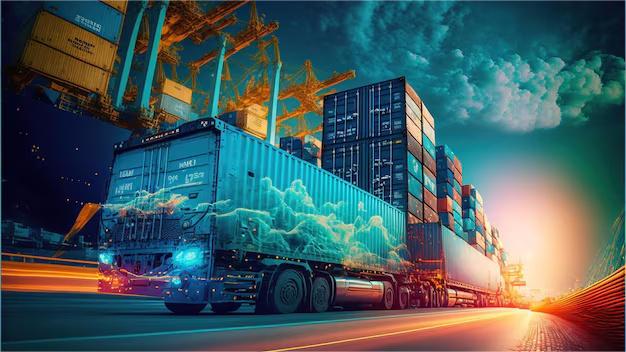


China to Germany Customs Clearance Service: 2026 Import Guide
“Navigating the complexities of international trade requires a reliable Global China Forwarder to handle logistics. Utilizing a professional china to germany customs clearance service ensures your goods bypass delays and enter the European market smoothly. This guide provides essential insights into the latest 2026 regulations and cost-saving strategies for your supply chain.”
Why You Need a China to Germany Customs Clearance Service
❖Professional customs brokerage services are vital for businesses looking to scale their operations in the European Union. Consequently, failing to comply with specific German regulations can lead to expensive storage fees or even cargo seizure.
Moreover, the landscape of international trade is constantly evolving with new environmental and security protocols. Indeed, having a dedicated partner ensures that your HS code classification China is accurate, preventing overpayment of duties.
Additionally, a specialized service manages the communication between Chinese exporters and German authorities. Therefore, you can focus on your core business while experts handle the technicalities of VAT clearance Germany and security filings.
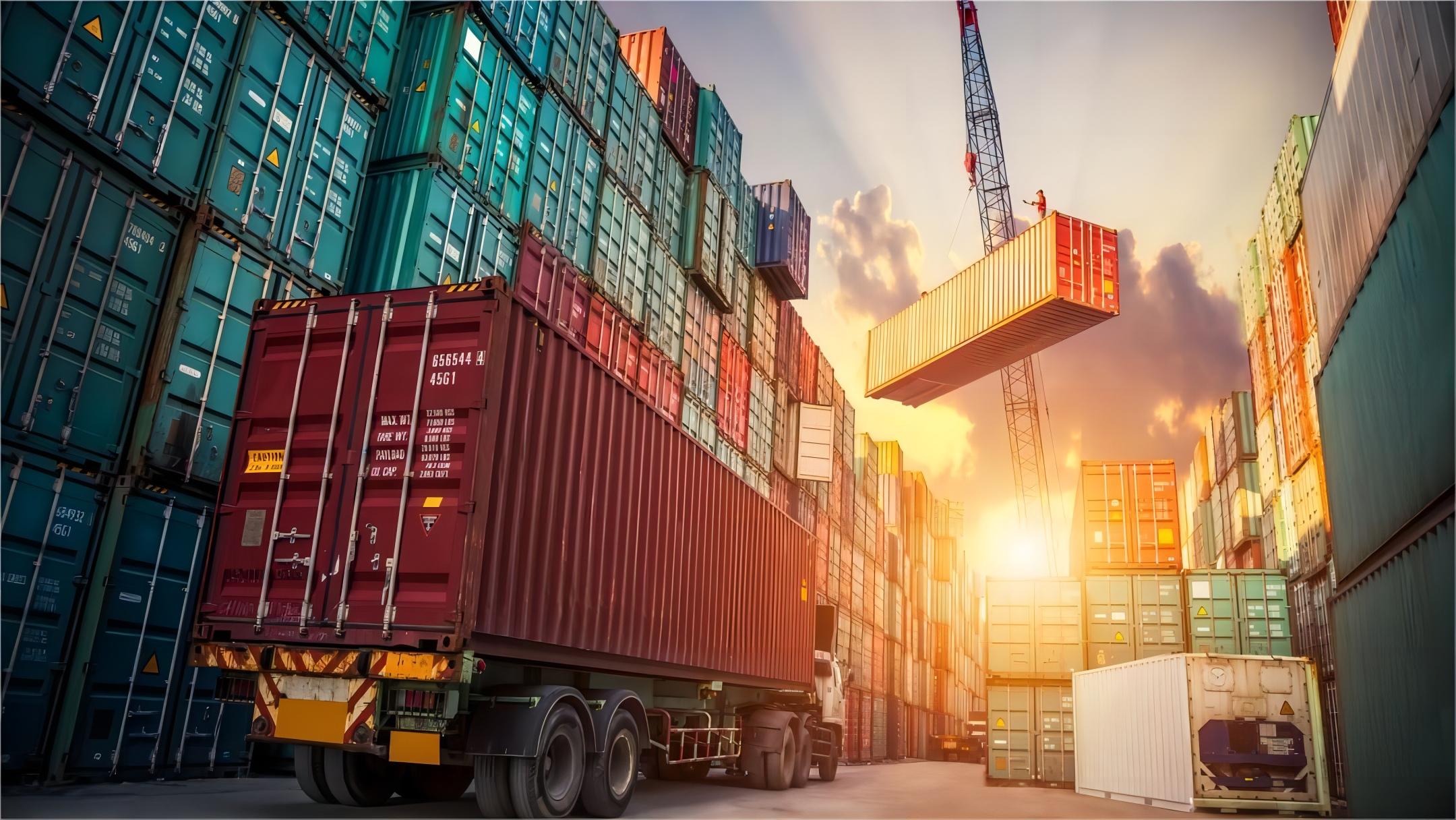
Essential Documentation for German Import in 2026
❖Essential paperwork forms the backbone of a successful china to germany customs clearance service. For instance, the Commercial Invoice must clearly state the transaction value and item descriptions to satisfy German tax authorities.
Meanwhile, the Packing List provides detailed information about the weight, dimensions, and quantity of the cargo. As a result, customs officers can quickly verify the contents of your shipment during random inspections.
Furthermore, sea freight documentation Germany requires a Bill of Lading, which serves as both a receipt and a contract of carriage. Without a doubt, missing or incorrect documents are the primary cause of transit delays in 2026.
| Document Name | Required By | Purpose | Criticality |
|---|---|---|---|
| Commercial Invoice | Customs/Tax | Value verification | High |
| Packing List | Terminal/Customs | Cargo verification | High |
| EORI Number | Zoll (Customs) | Importer ID | Mandatory |
| Certificate of Origin | Customs | Duty preference | Optional |
The Role of the EORI Number
Every business importing into Germany must complete an EORI number registration. Consequently, this unique identification number allows the customs office to track shipments across the EU electronic system.
Specifically, your EORI number must be active before the shipment arrives at a German port. Otherwise, the cargo will remain stuck in a bonded warehouse, incurring daily storage costs.
Understanding 2026 Import Duties and VAT
❖Calculating import duties from China to Germany involves analyzing the specific HS code for your products. For example, electronics often carry different tariff rates compared to textiles or industrial machinery.
Additionally, the German Value Added Tax (VAT) of 19 percent is typically applied to the landed cost of the goods. Nevertheless, certain businesses may qualify for VAT deferment schemes to improve their cash flow.
Consequently, working with a knowledgeable agent helps you navigate these financial obligations efficiently. Indeed, the right strategy can significantly reduce your total landed cost for 2026 shipments.
How Does Sea Freight Compare to Other Shipping Options?
❖Comparing different logistics modes is essential for optimizing your budget and delivery schedule. While sea freight remains the most economical choice for bulk cargo, it requires the longest transit time.
On the other hand, air freight provides unmatched speed for high-value or urgent items. However, the costs are significantly higher, making it less suitable for low-margin products.
Alternatively, rail freight offers a middle ground, providing faster delivery than the ocean at a lower cost than air. Therefore, choosing the right method depends on your specific inventory needs and market demand.
| Shipping Method | Cost Range | Transit Time | Best For |
|---|---|---|---|
| Sea Freight (FCL) | $3,000 – $4,200 | 30-40 Days | Bulk goods |
| Air Freight | $5.50 – $9.00/kg | 5-8 Days | Urgent cargo |
| Rail Freight | $1,800 – $2,500 | 18-22 Days | Mid-size loads |
| Express | $9.00 – $14.00/kg | 3-5 Days | Small samples |
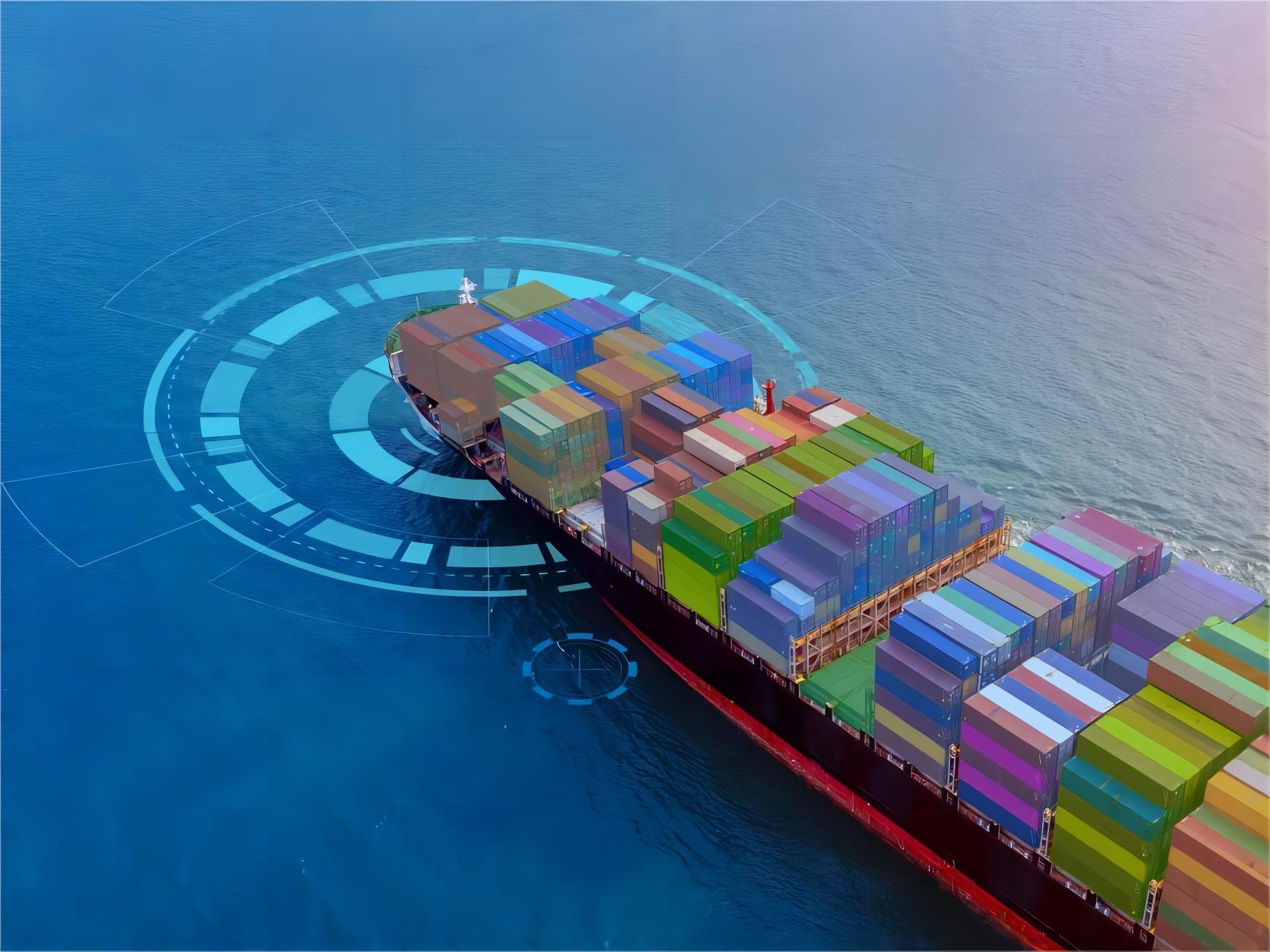
Real-World Case Studies for China-Germany Routes
❖Case Study 1: High-Volume Electronics Distribution. Route: Shenzhen to Hamburg. Cargo: 500 units of smart home devices, 68 CBM, 12,000 kg. Container: 40HQ. Shipping Details: Carrier: COSCO. Port of Loading: Shenzhen. Port of Discharge: Hamburg. Route Type: Direct. Cost Breakdown: Ocean Freight: $3,850. Origin Charges: $420. Destination Charges: $550. Customs and Duties: $4,200. Total Landed Cost: $9,020. Timeline: Booking to Loading: 4 days. Sea Transit: 33 days. Customs Clearance: 2 days. Total Door-to-Door: 39 days. Key Insight: Early EORI validation prevented potential delays at the Hamburg terminal.
Case Study 2: Industrial Machinery Parts. Route: Ningbo to Munich. Cargo: Precision tools, 4 CBM, 850 kg. Container: LCL. Shipping Details: Carrier: Major LCL Consolidator. Port of Loading: Ningbo. Port of Discharge: Hamburg. Route Type: Transshipment via Singapore. Cost Breakdown: Ocean Freight: $320. Origin Charges: $150. Destination Charges: $280. Customs and Duties: $1,100. Total Landed Cost: $1,850. Timeline: Booking to Loading: 5 days. Sea Transit: 38 days. Customs Clearance: 3 days. Total Door-to-Door: 46 days. Key Insight: Accurate HS code classification China saved the client 4 percent on import duties.
Which Option Should You Choose?
❖Choosing the right logistics path requires a balanced evaluation of speed, cost, and cargo sensitivity. For instance, if your priority is minimizing expenses, sea freight FCL is the undisputed winner for large volumes.
Furthermore, a door to door service is ideal for businesses that prefer a hands-off approach. This comprehensive solution covers everything from factory pickup in China to final delivery in Germany.
In contrast, if you are shipping small quantities, LCL or express services might be more cost-effective. Consequently, you should analyze your monthly volume thresholds before committing to a specific shipping strategy.
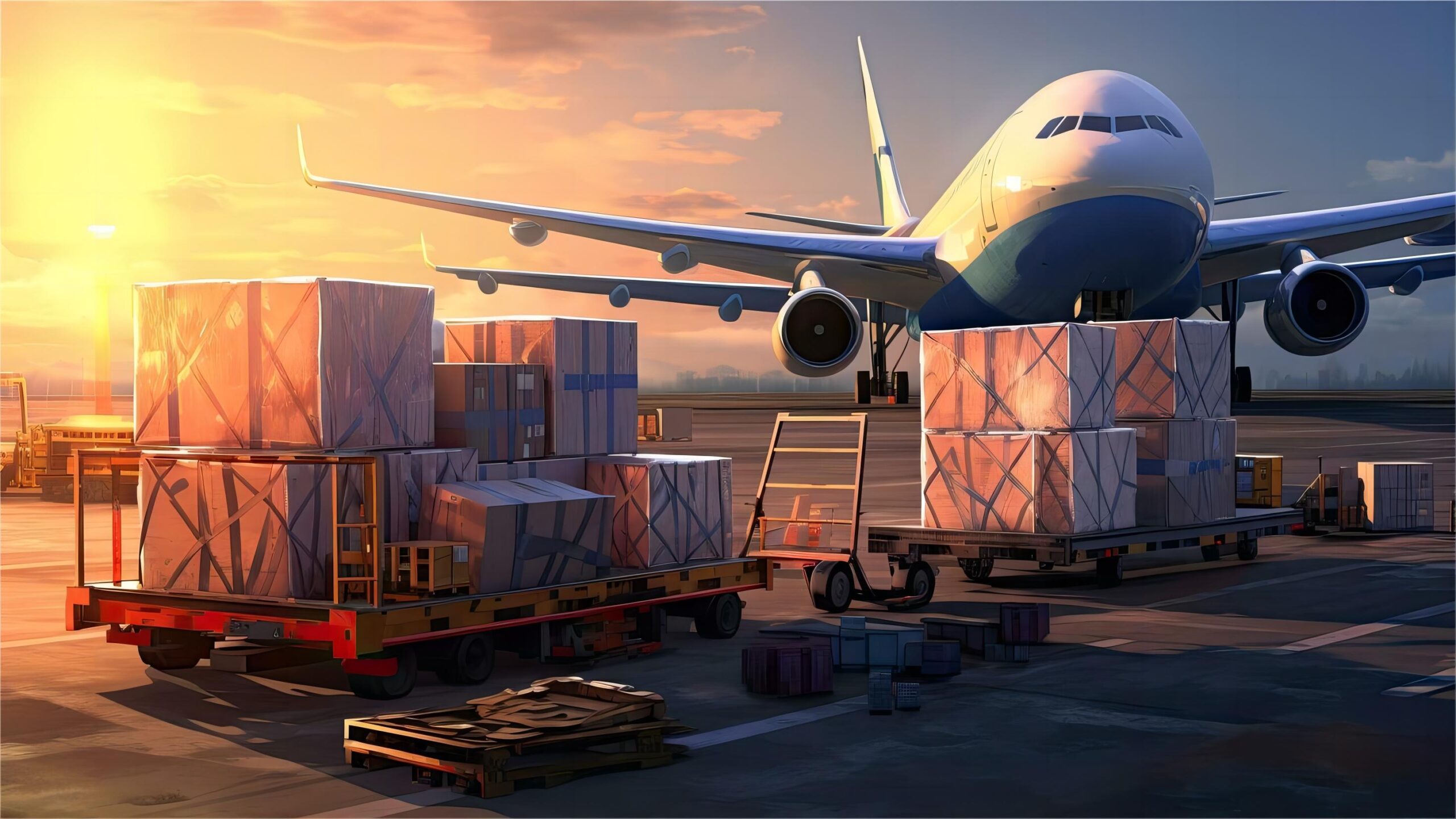
Cost-Saving Strategies for 2026 Logistics
❖Implementing smart strategies can significantly lower your expenses when using a china to germany customs clearance service. For example, consolidating multiple small shipments into a single FCL container reduces per-unit costs.
Moreover, booking your shipments at least 3-4 weeks in advance allows you to secure better rates from carriers. Indeed, last-minute bookings during peak seasons like Q4 often result in a 20-30 percent price premium.
Additionally, consider DDP shipping China to Germany to simplify your accounting. This method includes all duties and taxes in the upfront price, providing better predictability for your retail pricing.
Common Pitfalls in Customs Clearance
❖Avoiding common mistakes is crucial for maintaining a smooth supply chain between China and Germany. Specifically, incorrect HS codes are a frequent cause of customs audits and heavy fines.
Furthermore, under-declaring the value of goods to save on taxes is a risky practice that German authorities monitor closely. As a result, such actions can lead to blacklisting and permanent delays for your future imports.
Meanwhile, failing to account for German holidays can disrupt your delivery schedule. Therefore, always check the local calendar in both China and Germany when planning your logistics timeline.
Mastering Your Germany Import Strategy
To summarize, successfully importing goods requires a deep understanding of the china to germany customs clearance service landscape. From securing an EORI number to choosing the right freight mode, every detail impacts your bottom line.
By partnering with experienced professionals, you can navigate the 2026 regulatory environment with confidence. Stay proactive, document everything accurately, and your German market entry will be a resounding success.
Ready to streamline your logistics?
Ensure your business stays ahead of the competition with our expert china to germany customs clearance service. Contact our team today for a customized quote and let us handle the complexities of your 2026 international logistics. Visit Global China Forwarder to start your inquiry.
Request Quote