


China to Egypt Freight Forwarding Logistics Company International Shipping Guide 2026
Navigating the complexities of global trade requires a reliable partner for your supply chain needs in 2026. Finding a professional china to egypt freight forwarding logistics company international shipping expert ensures your cargo reaches Port Said or Sokhna without unnecessary delays. This comprehensive guide explores the best routes, current costs, and strategic approaches for importing goods into Egypt efficiently. Whether you are moving small electronics or industrial machinery, understanding the logistics landscape is essential for maintaining your competitive edge in the Egyptian market.

Why Choose a China to Egypt Freight Forwarding Logistics Company International Shipping Expert?
Selecting a specialized partner provides you with the local knowledge necessary to navigate Egyptian customs and port regulations. Moreover, these companies offer tailored solutions that balance speed and cost-effectiveness for various cargo types. Consequently, businesses can avoid the common pitfalls associated with international documentation and compliance issues.
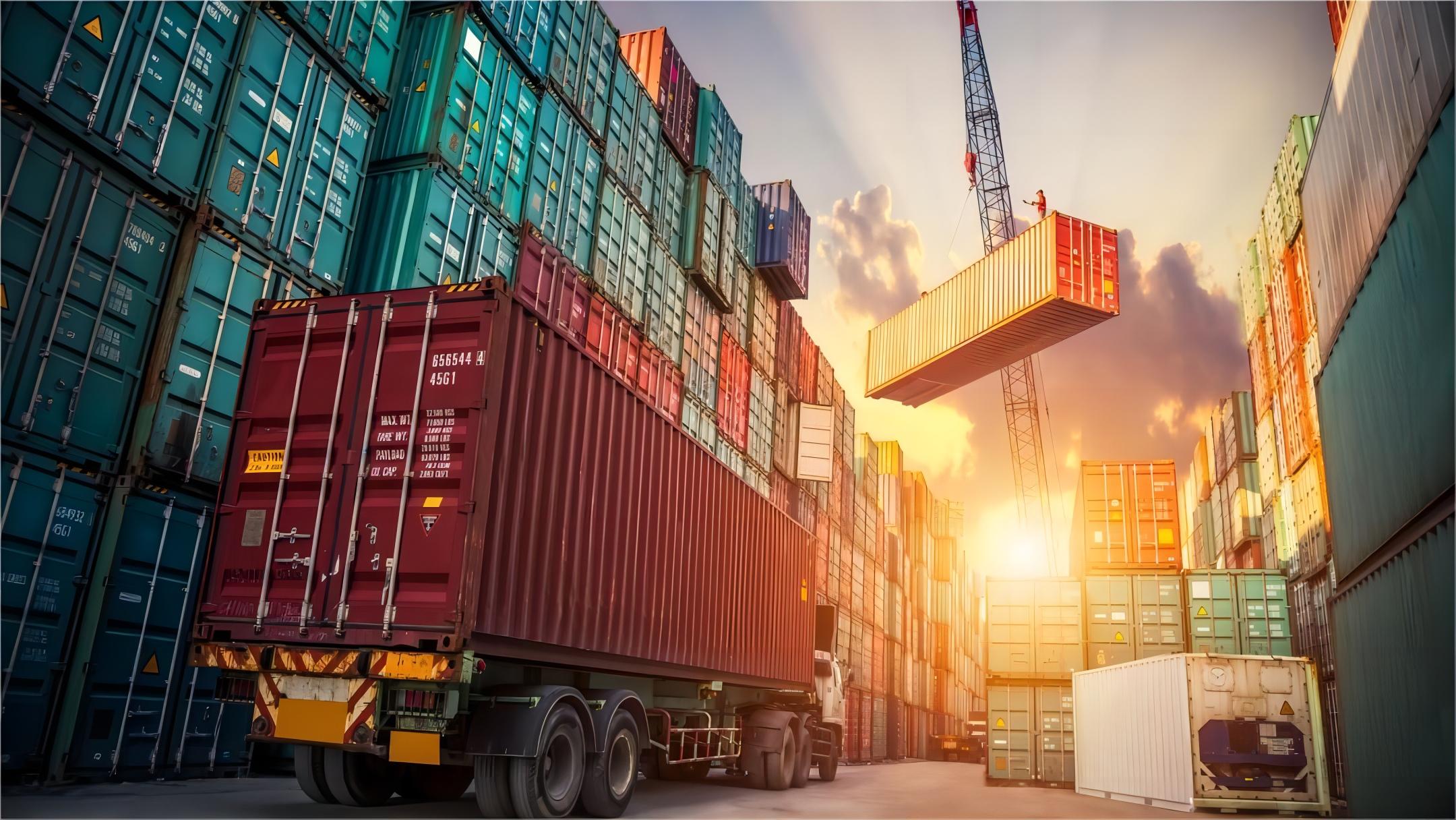
Reliable freight forwarders maintain strong relationships with major carriers to secure better rates for their clients. In addition, they provide real-time tracking and dedicated support throughout the transit process. Therefore, your business can focus on growth while the logistics experts handle the heavy lifting of global transportation.
Choosing sea freight remains the most popular choice for large-scale shipments due to its significant cost advantages. Furthermore, experienced forwarders can optimize your container loading to maximize space and reduce overall expenses. Indeed, a strategic approach to ocean transport is vital for high-volume importers in 2026.
How Does Sea Freight Compare to Other Shipping Options?
Ocean transport serves as the backbone of trade between Chinese manufacturing hubs and Egyptian ports. However, it is important to compare this method against faster alternatives like air or express services to determine the best fit for your timeline. Specifically, sea freight offers the lowest cost per unit but requires significantly longer transit times compared to other modes.
Transitioning from air to sea can save your business thousands of dollars on large consignments. On the other hand, urgent shipments might necessitate a faster approach despite the higher price tag. As a result, many companies utilize a hybrid strategy to manage their inventory levels effectively while controlling logistics budgets.
Market data suggests that ocean freight rates have stabilized in early 2026 after previous disruptions in the Red Sea region. Nevertheless, seasonal demand during the third quarter can still lead to price spikes and equipment shortages. Accordingly, booking your shipments at least three to four weeks in advance is highly recommended for all sea routes.
| Shipping Method | Cost Range | Transit Time | Best For | Limitations |
|---|---|---|---|---|
| Sea Freight (FCL) | $2,800 – $4,500 | 30 – 40 Days | Bulk Goods | Longest Transit |
| Sea Freight (LCL) | $80 – $150/CBM | 35 – 45 Days | Small Volumes | Consolidation Delay |
| Air Freight | $4.50 – $8.00/kg | 5 – 8 Days | High Value | Expensive |
| Express Service | $9.00 – $15.00/kg | 3 – 5 Days | Samples/Docs | Weight Limits |
Air Freight Solutions for Urgent Egyptian Shipments
Urgent delivery requirements often make air freight the most viable solution for high-value or perishable cargo. For example, electronics manufacturers frequently use air transport to meet strict product launch deadlines in Cairo. Additionally, the security level at airports is generally higher than at sea ports, reducing the risk of theft or damage.
Costs for air transport are calculated based on either actual weight or volumetric weight, whichever is greater. To summarize, this means that lightweight but bulky items can be surprisingly expensive to ship via plane. For instance, a shipment of light plastic components may cost more than a dense pallet of metal parts of the same weight.
Utilizing express service is another alternative for time-sensitive documents or small parcels. Meanwhile, standard air freight remains the preferred choice for shipments weighing over 100 kilograms. Consequently, choosing the right air service level depends entirely on your specific weight and urgency requirements.
Understanding Customs Brokerage and Egyptian Import Regulations
Navigating the Egyptian customs landscape requires precise documentation and an understanding of the Advanced Cargo Information (ACI) system. Professional customs brokerage services ensure that all filings are completed accurately before the cargo arrives. Furthermore, failure to comply with these digital filing requirements can result in heavy fines or cargo rejection at the port.
Importers must provide a commercial invoice, packing list, and a certificate of origin for every shipment. Additionally, certain products like chemicals or telecommunications equipment require special permits from Egyptian ministries. Therefore, verifying these requirements during the planning phase is crucial for a smooth clearance process.
Working with an experienced broker helps you identify the correct HS codes for your products to avoid overpaying duties. In contrast, incorrect classification can lead to lengthy inspections and additional storage fees at the terminal. Indeed, expert guidance in this area is often the difference between a successful shipment and a logistics nightmare.
| Document Type | Purpose | Required For | Source |
|---|---|---|---|
| ACI Number | Pre-registration | All Sea Shipments | Nafeza System |
| Commercial Invoice | Value Declaration | All Shipments | Exporter |
| Packing List | Cargo Details | All Shipments | Exporter |
| COO | Origin Proof | Duty Preference | Chamber of Commerce |
Door to Door Logistics from China to Egypt
Managing the entire supply chain from the factory floor to the final warehouse is simplified through door to door services. This comprehensive solution includes pickup, international transit, customs clearance, and final mile delivery. Consequently, it removes the burden of coordinating multiple vendors and allows for a single point of accountability.
Small business owners particularly benefit from this model as it provides a predictable total landed cost. Moreover, the forwarder handles all the logistical hurdles, including trucking in both China and Egypt. As a result, you receive your goods directly at your doorstep without having to visit the port or deal with local transporters.
Note: Freight rates are subject to change based on fuel costs, carrier capacity, and seasonal demand. Contact us for a current quote tailored to your specific shipment. Industry average for this route suggests that door-to-door services are approximately 15 percent more expensive than port-to-port but offer significantly higher convenience.
Which Shipping Option Should You Choose?
Determining the best logistics strategy involves weighing your budget against your required delivery speed. If you are prioritizing low costs and have a flexible timeline, sea freight is undoubtedly the most suitable choice. On the other hand, if your inventory is low and you need immediate restocking, air freight is the necessary investment.
Volume thresholds also play a major role in the decision-making process for international trade. For shipments under 1 CBM, express services often provide the best value when considering total door-to-door costs. However, once your volume exceeds 15 CBM, booking a full 20GP container becomes more economical than using LCL services.
Cargo type considerations must not be overlooked during the selection process. For example, hazardous materials or oversized machinery may only be eligible for specific types of sea transport. Therefore, you should consult with your logistics provider to ensure your cargo complies with all safety and size regulations for the chosen route.

Real-World Case Studies for 2026 Shipments
Case Study 1: High-Tech Electronics Delivery. Route: Shenzhen, China to Cairo, Egypt. Cargo: Smartphones and tablets, 4 CBM, 1,200 kg. Shipping Method: Air Freight. Total Landed Cost: $7,800. Sea Transit: N/A (6 days total). Key Insight: Using air freight allowed the client to meet a peak holiday demand window that would have been missed by sea.
Case Study 2: Industrial Textiles. Route: Ningbo, China to Port Said, Egypt. Cargo: Cotton fabric rolls, 1x40HQ Container. Shipping Method: Sea Freight FCL. Total Landed Cost: $5,200. Sea Transit: 32 days. Key Insight: Booking 4 weeks in advance during the Q1 2026 period secured a rate 15 percent lower than the market average.
Case Study 3: Spare Parts for Manufacturing. Route: Shanghai, China to Alexandria, Egypt. Cargo: Machine components, 2 CBM, 450 kg. Shipping Method: Sea Freight LCL. Total Landed Cost: $950. Sea Transit: 38 days. Key Insight: Consolidating LCL cargo saved the client significantly compared to air freight for non-urgent maintenance stock.
How China to Egypt Freight Forwarding Logistics Company International Shipping Impacts Your Budget
Financial planning for international trade requires a deep understanding of all hidden costs involved in the process. Beyond the base freight rate, you must account for terminal handling charges, documentation fees, and local trucking costs. Additionally, Egyptian import duties and VAT can significantly increase the total price of your goods.
Market intelligence indicates that fuel surcharges remain a volatile component of shipping quotes in 2026. Consequently, many forwarders now offer fixed-rate contracts for high-volume shippers to provide better budget stability. Nevertheless, smaller importers should remain prepared for minor fluctuations in monthly spot rates.
Implementing cost-saving strategies like pallet optimization and choosing off-peak shipping windows can reduce your annual logistics spend. For instance, shipping in February or March often results in lower rates compared to the busy pre-holiday season. Indeed, a proactive approach to logistics management is the key to maintaining healthy profit margins.
Mastering Your China to Egypt Logistics Strategy
Successfully managing a china to egypt freight forwarding logistics company international shipping operation requires a blend of strategic planning and expert execution. By understanding the differences between sea and air freight, you can make informed decisions that protect your bottom line. Furthermore, staying compliant with Egyptian customs regulations ensures your goods move through the border without costly delays.
Partnering with a dedicated logistics provider gives you the tools to navigate the complexities of 2026 global trade. Whether you prioritize speed, cost, or convenience, there is a shipping solution tailored to your specific business needs. To summarize, investing in a professional logistics partnership is an investment in the long-term success of your international trade ventures.

Get Your Shipping Quote Today
Are you ready to streamline your supply chain with a trusted china to egypt freight forwarding logistics company international shipping partner? Contact Global China Forwarder today for a customized quote and expert guidance on your next shipment. Visit our website to get started!
Frequently Asked Questions
How long does sea freight take from China to Egypt?
Sea transit typically takes between 30 and 40 days depending on the specific ports. Direct routes to Port Said are faster than transshipment via other hubs.
What is the ACI system in Egyptian customs?
The Advanced Cargo Information system is a mandatory digital filing process. Importers must register shipment data before the cargo departs the Chinese port.
Is air freight expensive for China to Egypt routes?
Air freight is more costly than sea freight, usually ranging from 4.50 to 8.00 USD per kilogram. It is best for high-value or urgent goods.
Which Egyptian ports are the most common for imports?
Port Said, Alexandria, and Sokhna are the primary gateways for Chinese goods. Your choice depends on the final destination of your cargo within Egypt.
Can I ship LCL if I don’t have a full container?
Yes, Less than Container Load allows you to share space with other shippers. This is a cost-effective solution for shipments between 1 and 15 CBM.
What documents are needed for Egypt customs?
You must provide a commercial invoice, packing list, certificate of origin, and the ACI number. Some specific items may require additional ministerial permits.
Does 2026 market stability affect shipping rates?
Market data suggests that while rates have stabilized, seasonal demand still causes fluctuations. Booking early remains the best strategy for cost control.
Should I choose door-to-door or port-to-port?
Door-to-door is recommended for maximum convenience and predictable costs. Port-to-port is better for experienced importers with their own local transport.