

China to Egypt Freight Forwarder Sea Air Shipping Service 2026
Navigating the complexities of international logistics requires a dependable China to Egypt freight forwarder sea air shipping service to ensure your goods arrive safely and on schedule. Businesses must balance speed and budget when importing from Asian manufacturing hubs to North African markets. Global China Forwarder provides comprehensive logistics solutions tailored to the unique demands of the Egyptian trade corridor. Whether you are shipping small parcels or massive industrial equipment, understanding the available transport modes is the first step toward a successful supply chain strategy.

China to Egypt Freight Forwarder Sea Air Shipping Service Overview
Choosing the right transport method involves evaluating your specific cargo needs against current market conditions in 2026. Ocean transport remains the backbone of global trade due to its high capacity and cost-effectiveness for bulk items. Consequently, many importers prioritize sea freight for non-urgent shipments such as furniture, textiles, and heavy machinery. This method allows for significant savings when moving large volumes over long distances.
Moreover, air transport offers an essential alternative for high-value or time-sensitive products that cannot withstand long transit times. Electronics and pharmaceutical goods often travel via air to minimize the risk of damage and ensure rapid inventory turnover. Meanwhile, a professional forwarder manages the entire process from pickup in China to final delivery in Egypt. This integrated approach reduces the administrative burden on business owners and streamlines the flow of goods across borders.
Additionally, the logistics landscape in 2026 has seen a shift toward more sustainable and digitally-tracked shipping solutions. Importers now demand real-time visibility into their shipments to better manage warehouse levels and customer expectations. Therefore, selecting a partner with advanced tracking technology is crucial for modern supply chain management. Without a doubt, the right freight forwarder acts as a strategic consultant rather than just a service provider.
How Does Sea Freight Compare to Other Shipping Options?
Ocean shipping is frequently compared to air and rail options, although rail freight is not a direct possibility for the China-Egypt route due to geography. In contrast, sea transport offers the lowest cost per unit for large-scale shipments. While air freight might cost five to ten times more, it reduces transit time from weeks to days. Businesses must weigh these factors based on their profit margins and market demand.
Furthermore, sea freight is divided into Full Container Load (FCL) and Less than Container Load (LCL) categories. FCL is ideal for those who have enough cargo to fill a 20ft or 40ft container, offering better security and faster handling. On the other hand, LCL allows multiple shippers to share space, making it the cheapest shipping from China to Egypt for smaller volumes. However, LCL may involve longer processing times due to the consolidation and deconsolidation phases at the ports.
As a result of global economic trends in 2026, sea freight rates have stabilized, making it a reliable choice for long-term planning. For shipments under 15 CBM, LCL at 60 to 90 USD per CBM is often more economical than paying for a full container. Conversely, a 40HQ container might cost between 3,500 and 4,800 USD depending on the season and carrier availability. Always consider the total landed cost when deciding between these shipping modes.
| Shipping Method | Cost Range | Transit Time | Best For |
|---|---|---|---|
| Sea Freight (FCL) | 3,000 – 5,000 USD | 25 – 35 Days | Bulk Goods / Full Containers |
| Sea Freight (LCL) | 60 – 100 USD/CBM | 35 – 45 Days | Small Shipments / Samples |
| Air Freight | 4.50 – 7.50 USD/KG | 3 – 7 Days | Urgent / High-Value Cargo |
| Express Service | 8.00 – 12.00 USD/KG | 2 – 4 Days | Documents / Small Parcels |
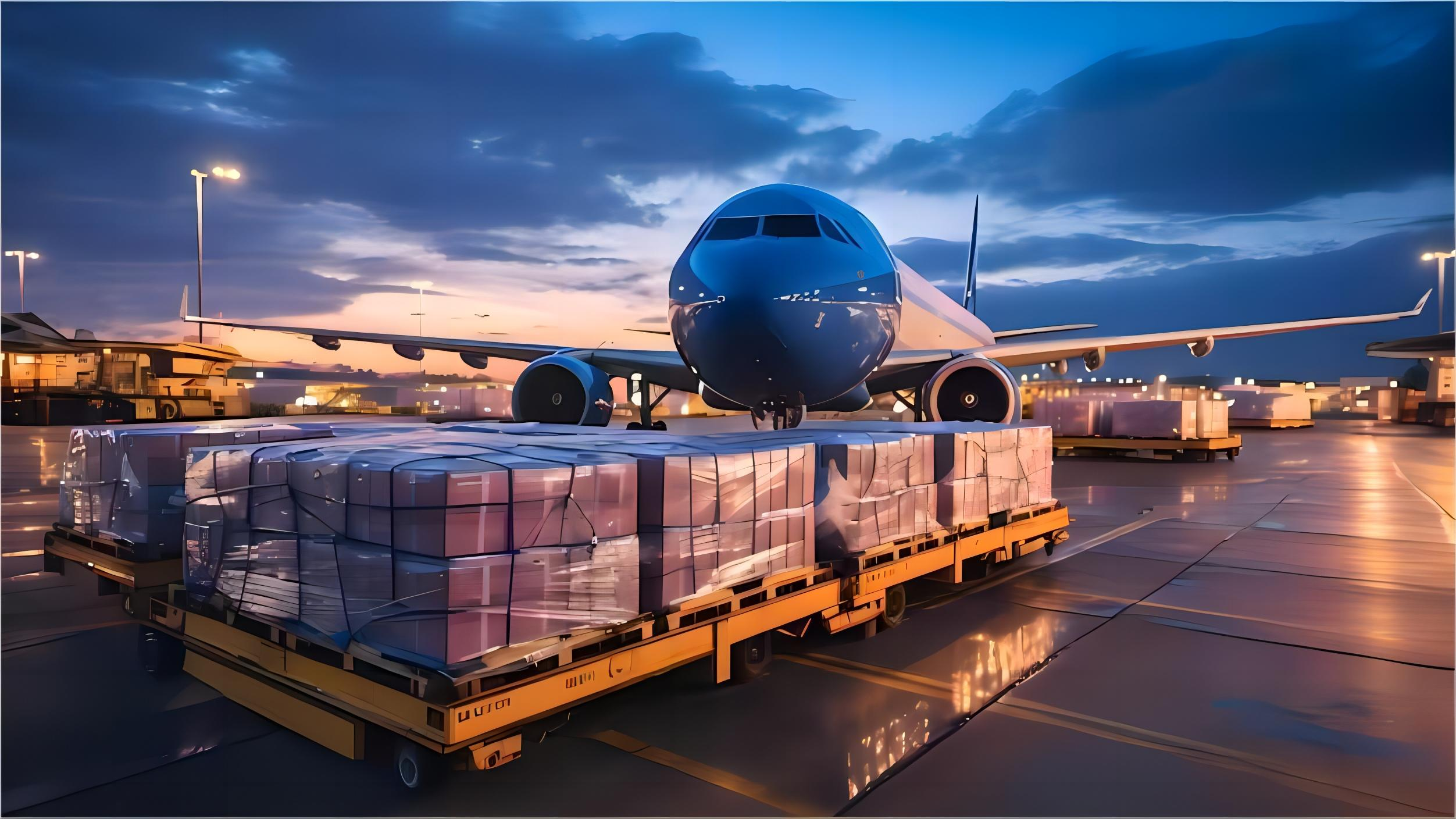
Air Freight Solutions for Urgent Cargo to Egypt
Urgent shipments require the speed and efficiency that only air freight can provide in the modern market. This service is particularly beneficial for seasonal items or product launches where being first to market is a competitive advantage. Indeed, most air cargo arrives at Cairo International Airport within a week of departing from major Chinese hubs like Shanghai or Guangzhou. This rapid turnaround helps businesses maintain lean inventory levels and respond quickly to consumer trends.
Additionally, air shipping offers superior security for delicate or expensive items compared to ocean transit. The reduced handling and shorter duration in transit significantly lower the probability of theft or environmental damage. Consequently, many high-end retail brands prefer air transport despite the higher initial investment. Nevertheless, importers should carefully calculate their volumetric weight to avoid unexpected surcharges from airlines.
Typical air freight rates to Cairo as of early 2026 range from 4 to 8 USD per kilogram depending on the total weight and volume. For instance, shipping a 500kg load of electronics might be more cost-effective via air when factoring in the reduced insurance costs and faster capital turnover. In addition, many forwarders offer deferred air options which are slightly slower but provide a middle ground for cost savings. Choosing the right flight schedule is key to balancing expense and urgency.
Navigating the Egypt Customs Clearance Process in 2026
Successful importation depends heavily on a smooth customs brokerage experience at the Egyptian border. Egypt has implemented several digital initiatives, such as the Nafeza system, to modernize its customs procedures and reduce paper waste. Consequently, all importers must register their shipments in advance to obtain an ACID (Advanced Cargo Information Declaration) number. Failure to comply with these digital requirements can lead to significant delays and heavy fines at the port of entry.
Moreover, the documentation required for Egypt customs clearance is extensive and must be perfectly accurate. Essential papers include the commercial invoice, packing list, certificate of origin, and the bill of lading or airway bill. Furthermore, certain products may require specialized permits from the General Organization for Export and Import Control (GOEIC). Working with an experienced forwarder ensures that all paperwork is verified before the cargo leaves the Chinese port.
Indeed, professional guidance helps navigate the complexities of import duties in Egypt, which vary significantly by product category. Some items may benefit from trade agreements, while others face high protective tariffs or luxury taxes. Therefore, conducting a preliminary duty calculation is a vital part of the planning phase. Most successful importers rely on their forwarders to handle the communication with local customs officials to resolve any discrepancies quickly.
| Document Name | Required By | Purpose | Timeline |
|---|---|---|---|
| ACID Number | Egyptian Customs | Pre-registration of cargo | Before Loading |
| Commercial Invoice | Customs / Bank | Proof of Value | At Departure |
| Certificate of Origin | GOEIC | Verify Manufacturing Source | At Departure |
| Bill of Lading | Shipping Line | Title to the Goods | After Departure |
Door to Door Shipping from China to Egypt Explained
Many modern businesses prefer the convenience of door to door shipping to simplify their logistics chain. This all-inclusive service covers everything from the initial factory pickup in China to the final delivery at a warehouse in Cairo or Giza. Consequently, the importer does not need to manage multiple vendors or worry about coordinating different legs of the journey. This ‘hands-off’ approach is ideal for small to medium enterprises that lack a dedicated logistics department.
Furthermore, door to door solutions often include customs clearance and local trucking as part of a single quoted price. This transparency helps businesses budget more accurately and avoids the hidden fees that sometimes occur with port-to-port shipping. Additionally, the forwarder takes full responsibility for the cargo’s safety throughout the entire transit. Meanwhile, the client receives regular updates through a single point of contact, enhancing communication and trust.
As a result, door to door shipping from China to Egypt has become the gold standard for e-commerce sellers and retail distributors. Whether you are moving LCL or FCL, this service ensures that the final mile delivery is handled by professionals who understand the local Egyptian infrastructure. In addition, most forwarders offer specialized handling for fragile or oversized items during the inland transport phase. Choosing this comprehensive option saves time and reduces the risk of logistical errors.
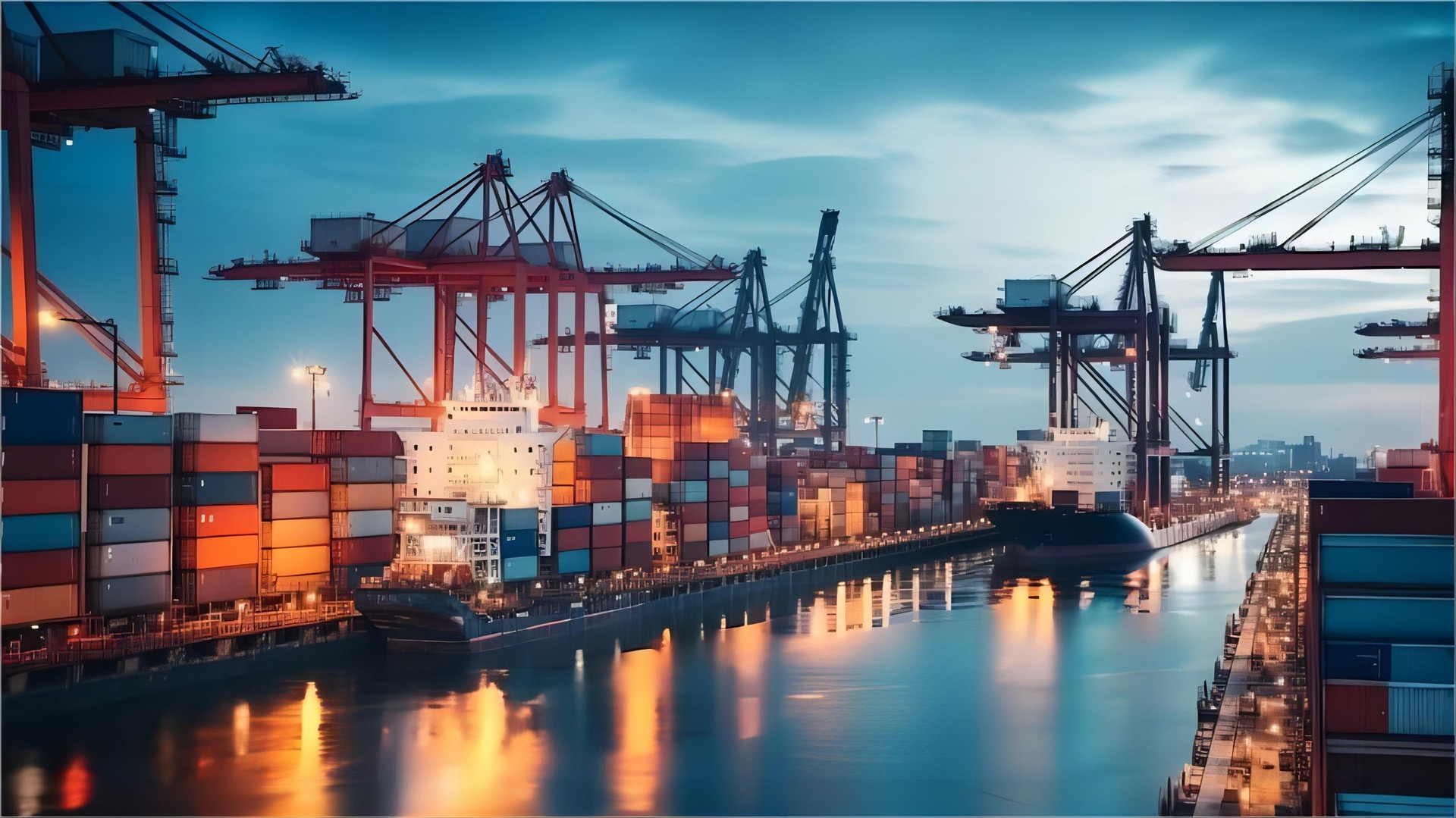
Cost Analysis: Shipping Rates and Market Trends for 2026
Understanding the factors that influence container shipping rates 2026 is essential for maintaining a profitable import business. Fuel surcharges, port congestion, and seasonal demand all play a role in the fluctuating prices of international freight. For example, rates typically increase by 20 percent during the peak season from August to October as retailers prepare for the end-of-year holidays. Therefore, booking your shipments well in advance can help secure more favorable pricing.
Moreover, the choice of carrier can impact both the cost and the reliability of the service. Major lines like COSCO, Maersk, and MSC offer different transit times and price points for the China-Egypt route. Consequently, comparing multiple quotes is a necessary step for any savvy importer. In addition, some smaller regional carriers might offer lower rates but with less frequent departures or longer transshipment times. Always verify the carrier’s track record before committing to a contract.
Market data suggests that freight rates from China to North Africa have remained competitive despite global shifts in trade routes. According to industry benchmarks, a standard 20GP container currently costs between 2,200 and 3,100 USD for the Shanghai to Alexandria route. Note: Freight rates are subject to change based on fuel costs, carrier capacity, and seasonal demand. Contact us for a current quote tailored to your specific shipment.
Major Ports and Logistics Hubs in China and Egypt
China boasts several world-class ports that serve as the primary exit points for goods destined for Egypt. Shanghai, Ningbo, and Shenzhen are among the busiest hubs, offering frequent sailings and advanced cargo handling facilities. Specifically, Shenzhen is the preferred choice for electronics, while Ningbo often handles heavy industrial machinery and hardware. Selecting the port closest to your supplier’s factory can significantly reduce inland transport costs within China.
On the Egyptian side, the Port of Alexandria and Port Said are the most critical gateways for maritime trade. Alexandria handles the majority of the country’s non-oil foreign trade and offers extensive warehousing options for importers. Meanwhile, Port Said’s strategic location at the entrance of the Suez Canal makes it a vital hub for transshipment and container traffic. Furthermore, the Sokhna Port is gaining popularity for shipments destined for the New Administrative Capital and Cairo’s industrial zones.
Additionally, Cairo International Airport serves as the primary hub for all air freight coming into the country. It features modern cold-chain facilities for perishable goods and dedicated terminals for express couriers. As a result, businesses can choose the most convenient entry point based on the final destination of their goods. In addition, the development of dry ports in Egypt is improving the efficiency of inland distribution by reducing congestion at the coastal maritime ports.
Decision Framework: Which Shipping Option Should You Choose?
Selecting the optimal shipping method requires a clear understanding of your business priorities and cargo characteristics. If your primary goal is budget optimization and you have a flexible timeline, sea freight is undoubtedly the best choice. This method is particularly suited for high-volume, low-value goods where the shipping cost significantly impacts the retail price. Conversely, if you are dealing with a stockout or a time-sensitive contract, air freight is the only viable solution.
Furthermore, consider the nature of your cargo when making a decision. Perishable items or high-value electronics benefit from the speed and controlled environment of air transport. On the other hand, durable goods like furniture or construction materials are perfectly suited for the longer journey of a container ship. Additionally, for shipments that fall between these categories, an express service might offer the perfect balance of speed and manageable cost.
Budget priority recommends sea freight LCL or FCL depending on volume. Speed priority recommends air freight or express courier. Cargo type considerations suggest air for fragile/expensive items and sea for bulk/durable items. Volume thresholds for switching methods typically occur at 100kg for air vs express, and 1-2 CBM for air vs sea LCL. Always consult with your China to Egypt freight forwarder sea air shipping service provider to confirm the most efficient route.
Real-World Case Studies of China to Egypt Logistics
Case Study 1: Furniture Import to Alexandria. A furniture retailer in Cairo needed to transport 65 CBM of wooden home decor from Foshan, China. They chose Sea Freight FCL using a 40HQ container via COSCO. The cargo was loaded at Nansha Port and discharged at Alexandria Port. The ocean freight cost was 4,200 USD with a transit time of 32 days. The shipment was successful due to early ACID registration and accurate documentation, allowing for customs clearance in just 3 days.
Case Study 2: Electronics Components to Cairo. A tech startup required 450kg of circuit boards from Shenzhen for a production deadline. They opted for Air Freight to Cairo International Airport. The total cost, including pickup and delivery, was 2,850 USD. The cargo arrived in 5 days, which was critical for their assembly schedule. Key insight: Using a direct flight from Hong Kong avoided transshipment delays, ensuring the deadline was met without additional storage fees.
Case Study 3: Textile Samples via Express. A fashion brand needed 45kg of fabric samples for a trade show in Egypt. They used an express service for door to door delivery. The cost was 480 USD, and the samples arrived in 3 days. Although the per-kilogram cost was high, the speed and ease of customs clearance made it the most logical choice for such a small, time-critical shipment. Based on early 2026 market rates, these examples reflect typical costs for professional logistics services.
Mastering Your China to Egypt Logistics Strategy
Successfully managing imports requires a deep understanding of the China to Egypt freight forwarder sea air shipping service options available in 2026. By balancing cost, speed, and reliability, businesses can create a resilient supply chain that supports long-term growth. Whether you choose the economy of sea freight or the speed of air cargo, working with an experienced partner ensures your goods navigate the complexities of international trade with ease.
In conclusion, the key to logistics success lies in proactive planning and expert execution. From securing the right ACID number to choosing the most efficient port of entry, every detail matters. Trust a professional forwarder to handle the heavy lifting while you focus on growing your business in the vibrant Egyptian market. Start your next shipment today with the confidence that your cargo is in expert hands.
Ready to streamline your logistics?
Ready to streamline your supply chain with a reliable China to Egypt freight forwarder sea air shipping service? Contact Global China Forwarder today for a customized quote and expert logistics advice. Send Inquiry: https://globalchinaforwarder.com/
Request Quote