

China to Canada Sea Freight Container Shipping FCL LCL Cost 2026 Guide
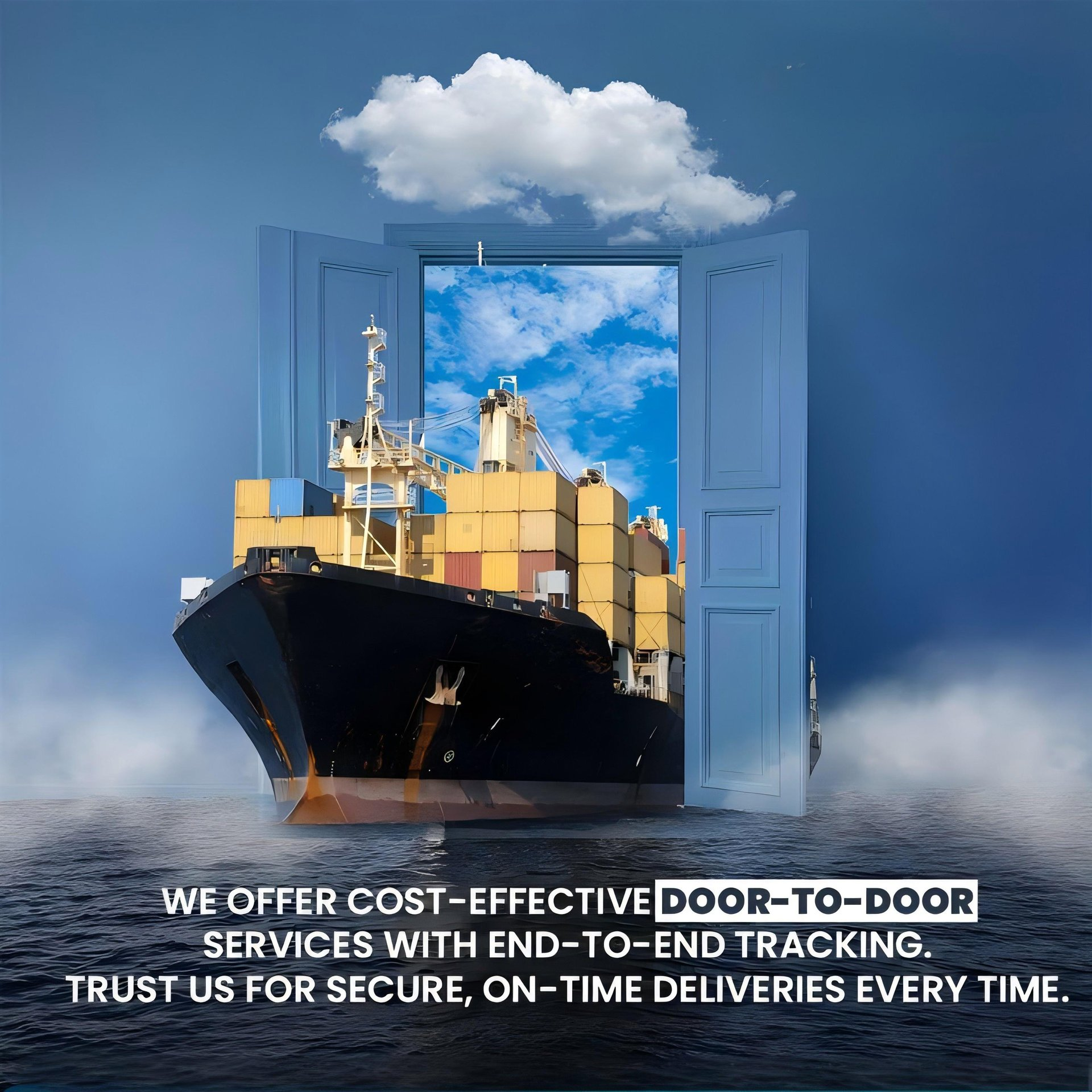
Navigating the complexities of international trade requires a clear understanding of logistics expenses and timelines. Businesses looking to optimize their supply chain must carefully evaluate the China to Canada sea freight container shipping FCL LCL cost to maintain profitability. Global China Forwarder provides comprehensive solutions to ensure your goods move efficiently across the Pacific. This guide explores the latest 2026 market trends, pricing structures, and strategic options for your North American imports.

What Factors Determine China to Canada Sea Freight Container Shipping FCL LCL Cost?
Determining the exact cost of shipping involves several variables that fluctuate based on global economic conditions. Specifically, fuel surcharges, seasonal demand, and port congestion play significant roles in setting the baseline rates for 2026.
Furthermore, the choice between Full Container Load and Less than Container Load significantly impacts your total expenditure. While FCL offers a flat rate for the entire space, LCL pricing depends on the volume and weight of your specific cargo.
Additionally, carrier capacity and geopolitical stability influence how shipping lines adjust their monthly general rate increases. Consequently, staying updated on market intelligence is essential for accurate budgeting and financial planning in the logistics sector.
Seasonal Fluctuations and Peak Periods
Shipping rates typically rise during the peak season from August to October as retailers prepare for the holiday rush. During this time, space becomes limited and carriers often implement additional surcharges.
Moreover, the weeks leading up to the Chinese New Year often see a surge in demand and pricing. Planning your shipments around these windows can lead to substantial cost savings for your business.
Comparing FCL and LCL Shipping Methods
Choosing the right method depends largely on your shipment volume and the nature of your goods. Sea freight remains the most popular choice for bulk commodities due to its cost-effectiveness compared to other modes.
In contrast, small businesses often prefer LCL to avoid paying for unused container space. However, LCL involves more handling and longer processing times at consolidation warehouses, which might affect your delivery schedule.
Meanwhile, FCL provides better security and faster transit because the container is sealed at the origin and remains unopened until it reaches its destination. Indeed, for shipments exceeding 15 cubic meters, FCL usually becomes the more economical choice.
| Cost Structure | Flat rate per container | Price per CBM/Weight | FCL: Bulk / LCL: Small |
| Transit Time | Faster (Direct) | Slower (Consolidation) | FCL: Urgent / LCL: Flexible |
| Security | High (Sealed) | Moderate (Shared) | FCL: Fragile Goods |
| Handling | Minimal | Multiple touchpoints | FCL: Reduced Risk |
How Does Sea Freight Compare to Other Shipping Options?
Understanding the trade-offs between different logistics modes is vital for making an informed decision. While sea freight is the most affordable, air freight offers unmatched speed for time-sensitive cargo.
Furthermore, some importers utilize hybrid solutions like sea-air or sea-rail to balance costs and transit times. Specifically, shipping via sea to Vancouver followed by rail to Toronto is a common strategy for reaching Eastern Canada efficiently.
Moreover, door to door services simplify the entire process by managing every step from the factory floor to your warehouse. Consequently, you can focus on your core business while experts handle the logistical complexities.
| Sea Freight | $1,800 – $4,500 | 18 – 35 Days | Bulk / Heavy Goods |
| Air Freight | $5.00 – $12.00/kg | 3 – 7 Days | High Value / Urgent |
| Express | $8.00 – $15.00/kg | 2 – 5 Days | Samples / Documents |
| Sea-Rail | $2,500 – $5,000 | 25 – 40 Days | Inland Destinations |
Transit Times to Major Canadian Ports
The duration of your shipment depends heavily on the specific route and the efficiency of the ports involved. Shipping to North America generally involves crossing the Pacific to reach the West Coast first.
Specifically, the Port of Vancouver serves as the primary gateway for Chinese goods entering the Canadian market. Consequently, transit times to Vancouver are significantly shorter than those to Montreal or Halifax.
Additionally, inland transit via rail or truck adds several days to the total timeline for destinations like Calgary or Winnipeg. Therefore, it is important to factor in these domestic legs when calculating your total delivery window.
| Shanghai | Vancouver | 14 – 18 Days | Direct |
| Shenzhen | Toronto | 28 – 35 Days | Sea + Rail |
| Ningbo | Montreal | 32 – 38 Days | Direct/Transship |
| Qingdao | Calgary | 22 – 26 Days | Sea + Rail |
Real-World Case Studies for 2026
Analyzing actual shipping scenarios helps illustrate the practical application of these costs and timelines. These examples reflect typical market conditions observed in early 2026 for various cargo types.
Case Study 1: Furniture Import to Vancouver. A retailer in British Columbia imported a 40HQ container of home furniture from Ningbo. The ocean freight cost was approximately $3,200, with a total transit time of 17 days from port to port. The key success factor was early booking, which secured a lower rate before the monthly GRI.
Case Study 2: Electronics LCL to Toronto. A tech startup ordered 5 CBM of components from Shenzhen. By using LCL, they paid $450 for the sea portion, though total door-to-door costs reached $1,200 including customs and local trucking. The shipment took 33 days to arrive at their facility via the Vancouver rail gateway.
Case Study 3: Industrial Parts to Montreal. An engineering firm shipped a 20GP container from Shanghai to Montreal. The total landed cost was $4,800, including $2,600 for ocean freight and $1,200 for Canadian duties. Despite a 5-day delay at the Panama Canal, the cargo arrived safely in 40 days.
Essential Customs Documentation and Brokerage
Clearing customs is a critical step that can either facilitate or hinder your supply chain efficiency. Utilizing a professional customs brokerage ensures that all paperwork complies with Canada Border Services Agency requirements.
Moreover, missing or incorrect documentation often leads to expensive storage fees and shipment delays. Specifically, you must provide an accurate Commercial Invoice, Packing List, and Bill of Lading for every entry.
Consequently, understanding the specific HTS codes for your products is vital for calculating duties and taxes correctly. Indeed, many importers find that professional assistance pays for itself by avoiding unnecessary penalties and expediting the release process.
Market Intelligence and 2026 Logistics Trends
As of Q1 2026, the shipping industry has seen a stabilization of freight rates following several years of volatility. However, environmental regulations and carbon taxes are beginning to influence the pricing models of major carriers.
Furthermore, digital transformation in logistics is allowing for better real-time tracking and more transparent pricing. Importers can now access detailed data to optimize their shipping routes and reduce empty container miles.
Meanwhile, port automation in Vancouver and Prince Rupert is expected to improve throughput and reduce transit times for West Coast arrivals. Consequently, businesses that leverage these technological advancements will likely gain a competitive edge in the North American market.
Which Option Should You Choose?
Deciding on the best shipping strategy requires a balance between budget, speed, and cargo volume. If you are moving more than 15 cubic meters of goods, FCL is almost always the more cost-effective and secure choice.
In contrast, for smaller shipments or trial orders, LCL allows you to maintain lower inventory levels without the high cost of air freight. However, you must be prepared for the slightly longer transit times associated with consolidation.
Specifically, if your priority is speed but air freight is too expensive, consider a premium sea freight service with guaranteed space and faster discharge. Ultimately, the right choice depends on your specific business needs and customer expectations.
Mastering Your Logistics Strategy
Successfully managing the China to Canada sea freight container shipping FCL LCL cost involves continuous monitoring of market trends and careful planning. By understanding the differences between FCL and LCL, you can make strategic decisions that protect your margins.
Furthermore, leveraging professional services for customs and door-to-door delivery reduces the risk of costly delays. As the 2026 market continues to evolve, staying informed and flexible remains the best approach for international importers.
Note: Freight rates are subject to change based on fuel costs, carrier capacity, and seasonal demand. Contact us for a current quote tailored to your specific shipment.
Ready to streamline your logistics?
Optimizing your China to Canada sea freight container shipping FCL LCL cost requires expertise and a reliable partner. Contact Global China Forwarder today to receive a personalized quote and streamline your international logistics. Our team is ready to help you navigate the 2026 shipping market with ease and efficiency. Send Inquiry for your next shipment and experience professional cargo handling at competitive rates.
Request Quote