

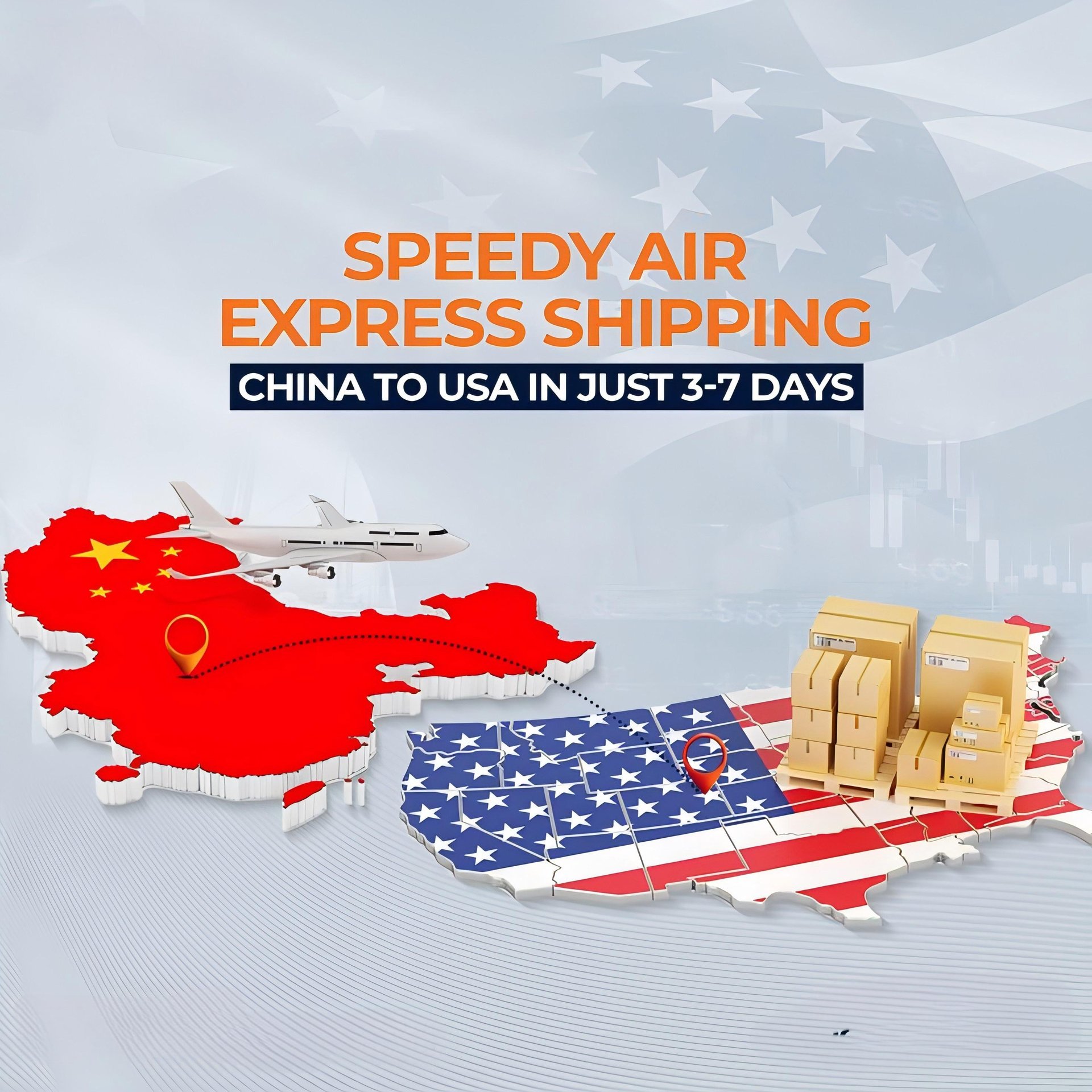
China to Canada logistics company sea freight air freight cargo service
“Finding a reliable China to Canada logistics company sea freight air freight cargo service is essential for businesses operating in the 2026 global market. Many importers face challenges with rising costs and complex customs regulations when moving goods across the Pacific Ocean. Consequently, partnering with a professional like Global China Forwarder ensures your supply chain remains resilient and cost-effective. This guide explores how modern logistics solutions can streamline your international trade operations from major Chinese hubs to Canadian ports.”
❖
How to Choose the Right China to Canada Logistics Company?
❖
Selecting a logistics partner requires careful evaluation of their network and operational expertise within North America. Furthermore, you must ensure they have a deep understanding of the specific trade lanes between Shenzhen, Shanghai, and Canadian gateways like Vancouver or Prince Rupert. Reliable companies offer transparent tracking and proactive communication to prevent delays during peak shipping seasons.
Moreover, the ideal provider should offer a comprehensive suite of services including warehousing and final-mile delivery. Since the logistics landscape in 2026 is increasingly digital, your partner must utilize advanced management systems to provide real-time data. This transparency allows you to manage inventory levels more effectively while reducing the risk of unexpected storage fees at the port.
Additionally, verify the company’s experience with Canadian Border Services Agency (CBSA) protocols to avoid compliance issues. A specialized customs brokerage service is often the difference between a smooth delivery and a shipment held in bond for weeks. Always prioritize firms that demonstrate a proven track record of handling your specific type of cargo, whether it is electronics, textiles, or industrial machinery.
❖
Sea Freight vs. Air Freight: Which Cargo Service Fits Your Budget?
❖
Determining the best transport mode depends heavily on your shipment size, budget, and required delivery speed. For instance, sea freight remains the most economical choice for large-volume shipments and heavy machinery. In contrast, businesses with time-sensitive inventory often prefer the speed of air transport despite the higher associated costs.
Specifically, ocean transport offers two main options: Full Container Load (FCL) and Less than Container Load (LCL). While FCL provides more security and faster handling for large orders, LCL allows smaller businesses to share container space and reduce expenses. Therefore, your choice should align with your current inventory turnover and financial constraints.
Meanwhile, air freight provides a significant advantage for high-value goods that require rapid restocking. Although rates are higher, the reduced transit time can lead to lower insurance premiums and less capital tied up in transit. Indeed, many electronics retailers in 2026 utilize air cargo to launch new products across the Canadian market simultaneously.
| Method | Transit Time | Cost Level | Best For |
|---|---|---|---|
| Sea Freight | 18-35 Days | Low | Bulk Goods |
| Air Freight | 3-7 Days | High | Urgent Cargo |
| Express | 2-5 Days | Very High | Small Parcels |
| Sea-Air | 12-18 Days | Medium | Balanced Needs |
❖
What Are the Primary Shipping Routes and Transit Times in 2026?
❖
Shipping routes from China to Canada typically focus on the West Coast to minimize time on the water. For example, vessels departing from Ningbo or Shanghai can reach the Port of Vancouver in approximately 14 to 18 days under optimal conditions. However, shipments destined for Toronto or Montreal often require intermodal rail transport from the West Coast, adding another 5 to 7 days to the schedule.
On the other hand, some carriers offer direct all-water routes to the East Coast via the Panama Canal. While these routes avoid the need for transloading onto trains, they generally take 30 to 35 days to reach Halifax or Montreal. Consequently, importers must weigh the benefits of lower handling risks against the longer duration of the voyage.
Market data suggests that port congestion has stabilized in early 2026, yet seasonal spikes still occur. During the lead-up to the winter holidays, transit times may increase by 20 percent due to higher volumes. To summarize, booking your space at least three to four weeks in advance is highly recommended to secure the best rates and schedules.
❖
How Does Sea Freight Compare to Other Shipping Options?
❖
Evaluating sea freight against alternatives requires a clear understanding of the trade-offs involved in international logistics. While sea freight costs roughly 2,500 to 4,000 dollars for a 40HQ container in 2026, air freight for the same volume could exceed 20,000 dollars. Nevertheless, the speed of air delivery can be vital for preventing stockouts during high-demand periods.
Furthermore, sea-air hybrid solutions have gained popularity as a middle-ground strategy for Canadian importers. This approach involves shipping goods by sea to a hub like Dubai or Los Angeles and then flying them to the final destination. As a result, businesses can save up to 40 percent compared to pure air freight while cutting sea transit time in half.
In addition, for shipments under 15 CBM, LCL services at 60 to 90 dollars per cubic meter provide a flexible alternative to FCL. However, LCL involves more handling at consolidation warehouses, which slightly increases the risk of damage or minor delays. Therefore, choosing the right method depends on your specific cargo volume and risk tolerance.
| Method | Cost Range | Transit Time | Limitations |
|---|---|---|---|
| FCL Sea | $2k-$5k | 18-30 Days | Requires Volume |
| LCL Sea | $60-$100/CBM | 22-35 Days | More Handling |
| Air Cargo | $4-$8/kg | 3-7 Days | Weight Limits |
| Sea-Air | $2-$4/kg | 12-18 Days | Complex Transit |
❖
Which Option Should You Choose for Your Business?
❖
Budget priority dictates that you should almost always recommend sea freight for non-perishable consumer goods. If your profit margins are tight, the significant savings offered by ocean transport allow for more competitive pricing in the Canadian market. On the contrary, if you are shipping fashion items or seasonal electronics, the speed of air freight justifies the cost by ensuring you meet market trends.
Speed priority is the main driver for choosing air or express services. When a production delay in China threatens your delivery deadlines in Canada, air freight acts as a necessary insurance policy. Additionally, for small parcels or samples, express service provides the most reliable door-to-door tracking and speed.
Cargo type considerations also play a major role in your decision-making process. Heavy industrial equipment or large furniture sets are physically and financially suited only for sea containers. Conversely, high-value jewelry or sensitive medical components benefit from the enhanced security and shorter exposure time of air transport.
❖
How to Navigate Customs Brokerage and Import Regulations?
❖
Importing goods into Canada requires meticulous attention to documentation to ensure compliance with the Canada-United States-Mexico Agreement (CUSMA) and other trade pacts. Specifically, you must provide an accurate Commercial Invoice, a Packing List, and a Bill of Lading or Air Waybill. Failure to include a Canada Customs Invoice (CCI) for shipments valued over 2,500 CAD can lead to immediate delays at the border.
Moreover, understanding the Harmonized System (HS) codes for your products is critical for calculating duties and taxes correctly. Since 2025, the CBSA Assessment and Revenue Management (CARM) system has become the primary portal for importers. Consequently, you must ensure your business is registered and your financial security is in place to avoid cargo being held.
Indeed, many successful importers utilize a door to door service that includes customs clearance. This comprehensive approach minimizes the number of touchpoints and reduces the likelihood of communication errors between different service providers. By centralizing your logistics, you gain better control over the total landed cost of your goods.
❖
Real Case Studies: Successful Shipments to Canada in 2026
❖
Case Study 1: Electronics Distribution to Vancouver. A Shenzhen-based manufacturer needed to transport 400 units of smart home devices. Route: Shenzhen to Vancouver. Cargo: Electronics, 28 CBM. Method: FCL 40HQ via Major Carrier. Ocean Freight: $3,400. Timeline: 17 days sea transit, 3 days customs. Total Door-to-Door: 24 days. Key Insight: Using a direct route to the West Coast saved 12 percent in costs compared to transshipment.
Case Study 2: Fast Fashion Logistics to Toronto. A Shanghai retailer required urgent delivery of seasonal apparel. Route: Shanghai to Toronto. Cargo: Fashion items, 650 kg. Method: Air Freight. Cost: $4,850. Timeline: 5 days transit, 2 days clearance. Total Door-to-Door: 8 days. Key Insight: Choosing air freight allowed the client to capitalize on a two-week trend window, resulting in a 300 percent ROI.
Note: Freight rates are subject to change based on fuel costs, carrier capacity, and seasonal demand. Contact us for a current quote tailored to your specific shipment.
❖
What Are the Cost-Saving Strategies for Importing from China?
❖
Consolidating shipments is one of the most effective ways to reduce your overall logistics spend. Instead of shipping multiple small LCL orders, wait until you have enough volume to fill a 20GP container. This strategy not only lowers the freight rate per unit but also reduces the fixed destination charges applied to every shipment.
Furthermore, optimizing your packaging can lead to significant savings, especially for air freight where weight and volume both impact price. By reducing excess padding and using standardized carton sizes, you can fit more product into a smaller footprint. Consequently, you maximize the utility of every dollar spent on cargo space.
Lastly, negotiating long-term contracts with a China to Canada logistics company sea freight air freight cargo service can provide stability in a volatile market. While spot rates might occasionally be lower, a fixed-rate agreement protects your business from sudden price hikes during peak seasons. Therefore, building a strong relationship with your forwarder is a strategic investment for 2026 and beyond.
Summary of China to Canada Logistics Solutions
To summarize, navigating the shipping lanes from China to Canada in 2026 requires a balanced approach to speed, cost, and compliance. By understanding the differences between sea and air freight, you can make informed decisions that protect your profit margins. Moreover, leveraging the expertise of a professional logistics provider ensures that your goods bypass common customs hurdles.
Indeed, the right China to Canada logistics company sea freight air freight cargo service will act as an extension of your business. Whether you are shipping full containers to Vancouver or small parcels to Toronto, focus on reliability and transparency. Ultimately, a well-managed supply chain is your greatest competitive advantage in the modern global economy.
Ready to streamline your logistics?
Streamline your international trade today with a partner who understands the complexities of the trans-Pacific route. Whether you need urgent air transport or cost-effective ocean solutions, our team provides the expertise to move your cargo safely and efficiently. Contact us now to receive a customized quote for your next China to Canada logistics company sea freight air freight cargo service shipment. Visit our website to learn more about how we can support your growth in 2026. Send Inquiry: globalchinaforwarder.com
Frequently Asked Questions
What is the cheapest way to ship from China to Canada?
How long does air freight take from China to Canada in 2026?
Are there direct shipping routes to Toronto?
What documents are needed for Canadian customs?
Can I ship Amazon FBA goods from China to Canada?
Do I need a customs broker for my shipment?
How are 2026 shipping rates calculated?
Is insurance necessary for China to Canada shipping?