
China to Canada Logistics Company Door to Door Shipping Solutions 2026
Navigating the complexities of international trade requires a reliable Global China Forwarder to ensure your goods arrive safely and on time. Finding a professional china to canada logistics company door to door shipping partner is the most effective way to streamline your supply chain in 2026. This comprehensive guide explores the best methods for transporting cargo from Chinese manufacturing hubs to Canadian doorsteps while minimizing costs and delays.
How to Select a China to Canada Logistics Company Door to Door Shipping Provider?
Selecting the right partner involves evaluating their experience with Canadian customs regulations and their network within major Chinese ports. Consequently, you should look for a company that offers comprehensive tracking and transparent pricing models. Many businesses struggle with hidden fees that arise during the final mile of delivery.
Moreover, a reputable provider will handle everything from the initial pickup at the factory to the final delivery at your warehouse. This seamless integration reduces the risk of communication gaps between different carriers. Indeed, the right logistics company acts as an extension of your own operations.
Furthermore, you should verify if the provider has specific expertise in handling your particular type of cargo. For instance, shipping electronics requires different handling procedures than transporting heavy machinery or furniture. Always ask for references or case studies from other Canadian importers to gauge their reliability.
Additionally, check if they offer value-added services such as cargo insurance and quality inspections at the origin. These services provide an extra layer of security for your investment. Therefore, choosing a full-service provider is often more cost-effective than managing multiple vendors yourself.
Comparing Sea Freight and Air Freight for Canadian Importers
When planning your logistics strategy, choosing between sea freight and air transport is the most critical decision. Sea freight remains the most popular choice for large shipments due to its significant cost advantages. However, it requires careful planning to account for longer transit times across the Pacific.
On the other hand, air freight is the superior choice for high-value or time-sensitive goods. While the cost per kilogram is higher, the speed of delivery can be a competitive advantage for your business. Most air shipments reach major Canadian cities like Toronto or Vancouver within a week.
Meanwhile, sea freight transit times have improved in 2026 due to better port efficiency in Prince Rupert and Vancouver. Consequently, many importers are finding a balance by using sea freight for their core inventory and air freight for urgent restocks. This hybrid approach optimizes both budget and speed.
Nevertheless, you must consider the total landed cost when making your comparison. Air freight often involves lower warehousing costs and lower insurance premiums because the goods are in transit for a shorter period. In contrast, sea freight requires more robust packaging to withstand the longer journey and potential moisture exposure.
| Method | Cost Range | Transit Time | Best For |
|---|---|---|---|
| Sea Freight FCL | $2,800 – $4,200 | 18 – 35 Days | Bulk Inventory |
| Sea Freight LCL | $85 – $160/CBM | 25 – 45 Days | Small Shipments |
| Air Freight | $6.50 – $12/kg | 5 – 9 Days | Urgent Goods |
| Express Shipping | $11 – $19/kg | 3 – 5 Days | Samples/Docs |
What is the Step-by-Step Door to Door Shipping Process?
The door to door shipping process begins with the logistics provider coordinating with your Chinese supplier. Specifically, they arrange for the pickup of goods and transport them to the nearest export warehouse. During this stage, all necessary export documentation is prepared to ensure a smooth departure.
Following the pickup, the cargo undergoes customs clearance at the Chinese port of exit. Your logistics partner manages all the paperwork, including the commercial invoice and packing list. Once cleared, the goods are loaded onto the vessel or aircraft for their journey to Canada.
Upon arrival at a Canadian port like Vancouver or Montreal, the process moves into the import clearance phase. This is where a knowledgeable broker is essential to navigate the Canada Border Services Agency requirements. They ensure that all duties and taxes are calculated correctly to avoid any legal issues.
Finally, after the cargo is released by customs, the logistics company arranges for local trucking to your specified destination. This last-leg delivery is tracked in real-time, providing you with an exact arrival window. Consequently, the entire journey is managed under a single point of contact, simplifying your life.
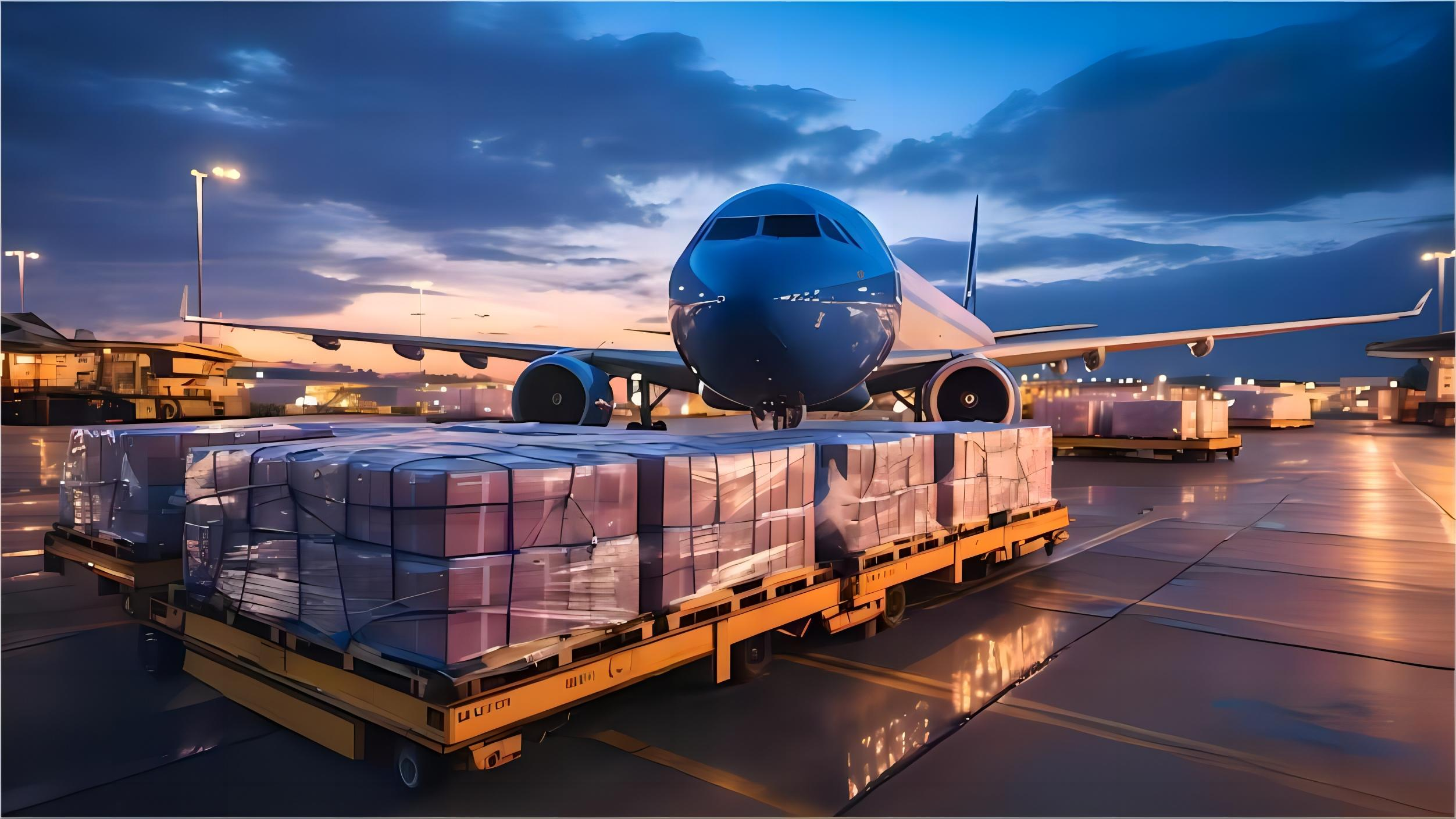
How Does Sea Freight Compare to Other Shipping Options?
While sea freight is the backbone of global trade, it is important to analyze how it stacks up against alternatives like rail or multimodal solutions. For shipments to Canada, rail freight is not a direct option from China, but it plays a massive role in inland distribution from coastal ports. Therefore, your sea freight strategy must include a strong rail connection to inland hubs like Calgary or Winnipeg.
Specifically, sea freight is roughly 80 percent cheaper than air freight for large volumes. However, for shipments under 100 kilograms, the price gap narrows significantly. In these cases, using an express service might actually be more economical when you factor in local handling fees.
Moreover, you should consider the difference between Full Container Load (FCL) and Less than Container Load (LCL). FCL offers better security and faster transit because the container is not opened until it reaches your door. Conversely, LCL is perfect for smaller batches but involves more handling at consolidation warehouses.
As a result, most successful importers use a mix of these strategies based on their current stock levels and seasonal demand. For example, during the Q4 peak season, many switch to faster methods to avoid port congestion. Planning your method based on the 2026 market trends is vital for maintaining healthy margins.
| Shipping Method | Cost Range | Transit Time | Limitations |
|---|---|---|---|
| Direct Sea Route | $3,000 – $4,500 | 14 – 20 Days | Higher Price |
| Transshipment | $2,500 – $3,800 | 25 – 40 Days | Delay Risk |
| Sea-Air Hybrid | $4,000 – $6,000 | 12 – 18 Days | Complex Logistics |
| LCL Consolidation | $90 – $170/CBM | 30 – 45 Days | Handling Risk |
Case Studies: Real-World Shipping Examples to Canada
Case Study 1: Furniture Import to Vancouver. Route: Foshan, China to Vancouver, BC. Cargo: 40HQ Container of home furniture. Method: Sea Freight FCL. Total Cost: $3,450. Transit Time: 17 days. Key Insight: By using a direct route to the West Coast, the client saved 12 days compared to transshipment options.
Case Study 2: Electronics to Toronto. Route: Shenzhen, China to Toronto, ON. Cargo: 5 CBM of consumer electronics. Method: Sea Freight LCL with Rail Link. Total Cost: $1,320. Transit Time: 36 days. Key Insight: Utilizing the rail connection from Vancouver to Toronto provided a stable price point during a period of high trucking rates.
Case Study 3: Urgent Fashion Samples to Montreal. Route: Guangzhou, China to Montreal, QC. Cargo: 150kg of seasonal apparel. Method: Air Freight Door to Door. Total Cost: $1,480. Transit Time: 6 days. Key Insight: Fast clearance in Montreal allowed the client to hit their retail launch date despite production delays in China.
Note: Freight rates are subject to change based on fuel costs, carrier capacity, and seasonal demand. Contact us for a current quote tailored to your specific shipment.
Which Shipping Option Should You Choose for Canada?
Your decision should be guided by your budget, the nature of your cargo, and your required delivery timeline. If your primary goal is cost reduction and you have a high volume of goods, sea freight FCL is the undisputed winner. This is especially true for shipments destined for North America where port infrastructure is highly developed.
Furthermore, if you are shipping smaller volumes that do not fill a container, LCL is the most logical choice. However, be mindful that LCL transit times are usually 5 to 7 days longer due to the consolidation process. Therefore, you must build this extra time into your inventory planning.
In contrast, if you are dealing with perishable goods or high-tech components with a short lifecycle, air freight is necessary. The 2026 market has seen a rise in sea-air hybrid solutions which offer a middle ground in both cost and speed. These are particularly useful when West Coast ports face temporary labor disputes or weather-related delays.
Additionally, consider the destination city within Canada. Shipments to Vancouver are much faster and cheaper than those going to the East Coast. If your warehouse is in Halifax or St. John’s, you might consider all-water routes through the Panama Canal, although these take significantly longer than the rail-link from the West.
Understanding Canadian Customs and Documentation
Navigating the Canadian customs landscape requires precise documentation to avoid costly storage fees at the terminal. Specifically, you will need a Canada Customs Invoice (CCI), a Bill of Lading, and a detailed packing list. Any discrepancies in these documents can lead to an inspection by the CBSA.
Moreover, you should be aware of the 2026 tariff updates which may affect certain product categories from China. Working with a logistics company that provides integrated customs brokerage is a major advantage. They can help you classify your goods under the correct HS code to ensure you pay the minimum legal duty.
Consequently, many importers are now utilizing the CARM (CBSA Assessment and Revenue Management) portal for better visibility into their tax obligations. Your logistics provider should be able to guide you through the registration process for this system. Indeed, being proactive with customs compliance is the best way to prevent delivery bottlenecks.
Furthermore, ensure that your wood packaging materials meet the ISPM 15 international standards for heat treatment. Failure to comply with these environmental regulations can result in your entire shipment being refused entry into Canada. Therefore, always verify the compliance of your supplier’s pallets and crates before they leave the factory.
Market Trends and Logistics Outlook for 2026
As of early 2026, the logistics landscape between China and Canada has entered a period of relative stability. Freight rates have normalized following the disruptions of previous years, although fuel surcharges remain a variable factor. Meanwhile, technological advancements in AI-driven route optimization are helping carriers reduce transit times.
Additionally, there is a growing emphasis on green logistics and carbon footprint reduction within the Canadian market. Many companies are now choosing carriers that utilize LNG-powered vessels or offer carbon offset programs. This trend is expected to grow as Canadian environmental regulations become more stringent over the next few years.
Moreover, the expansion of the Port of Prince Rupert has provided a vital alternative to the busy Vancouver terminals. This has increased competition among carriers, leading to more aggressive pricing for West Coast deliveries. Importers should stay informed about these infrastructure changes to take advantage of new routing options.
Finally, the rise of e-commerce continues to drive demand for faster door to door services. As a result, logistics companies are investing heavily in automated sorting centers and last-mile delivery fleets. Staying ahead of these trends will allow your business to remain competitive in the evolving Canadian retail market.
Final Thoughts on Shipping from China to Canada
To summarize, mastering the logistics from China to Canada requires a blend of strategic planning and the right partnerships. By choosing a qualified china to canada logistics company door to door shipping provider, you eliminate the stress of managing multiple carriers and complex customs hurdles. Whether you opt for the speed of air or the economy of sea, ensure your decision aligns with your 2026 business goals.
Furthermore, staying informed about market trends and documentation requirements will protect your bottom line from unexpected costs. Remember that the cheapest option is not always the best if it results in missed deadlines or damaged goods. Focus on reliability and transparency to build a resilient supply chain that supports your long-term growth in the Canadian market.
Need a tailored shipping solution?
Ready to optimize your supply chain with a professional china to canada logistics company door to door shipping service? Contact our expert team today to receive a customized quote and experience seamless shipping from China to any destination in Canada. Visit our website to start your inquiry now. Send Inquiry: https://globalchinaforwarder.com/