


China Shipping Rates USA UK Europe Canada Freight Forwarding Comparison Guide
Navigating the complexities of international logistics requires a clear understanding of the china shipping rates usa uk europe canada freight forwarding comparison guide to ensure profitability in 2026. Businesses often struggle with fluctuating costs and varying transit times across different global regions. Consequently, this comprehensive guide provides the necessary data to optimize your supply chain and reduce expenses. Therefore, understanding these dynamics is the first step toward a more efficient import process.
Understanding 2026 China Shipping Rates for Global Markets
Logistics costs have entered a period of relative stability following the disruptions seen in previous years. However, importers must remain vigilant as seasonal demand still dictates significant price shifts throughout the fiscal year. Therefore, analyzing current market trends is essential for any business sourcing goods from Chinese manufacturers.
Market data suggests that while vessel capacity has increased, fuel surcharges continue to influence the final invoice for most shipments. Meanwhile, the shift toward more sustainable shipping practices is slowly impacting regional pricing structures. Indeed, staying informed about these changes allows for better budget forecasting and inventory management.
Importers often find that rates vary significantly between the West Coast and East Coast of North America. Furthermore, European routes face unique challenges related to port congestion and inland transport availability. Consequently, a diversified shipping strategy is often the best way to mitigate these geographic risks.
Strategic planning involves more than just looking at the base freight rate provided by a carrier. Additionally, you must consider the total landed cost, which includes insurance, customs duties, and local delivery fees. As a result, a holistic view of the china shipping rates usa uk europe canada freight forwarding comparison guide is vital for success.
How Does Sea Freight Compare to Other Shipping Options?
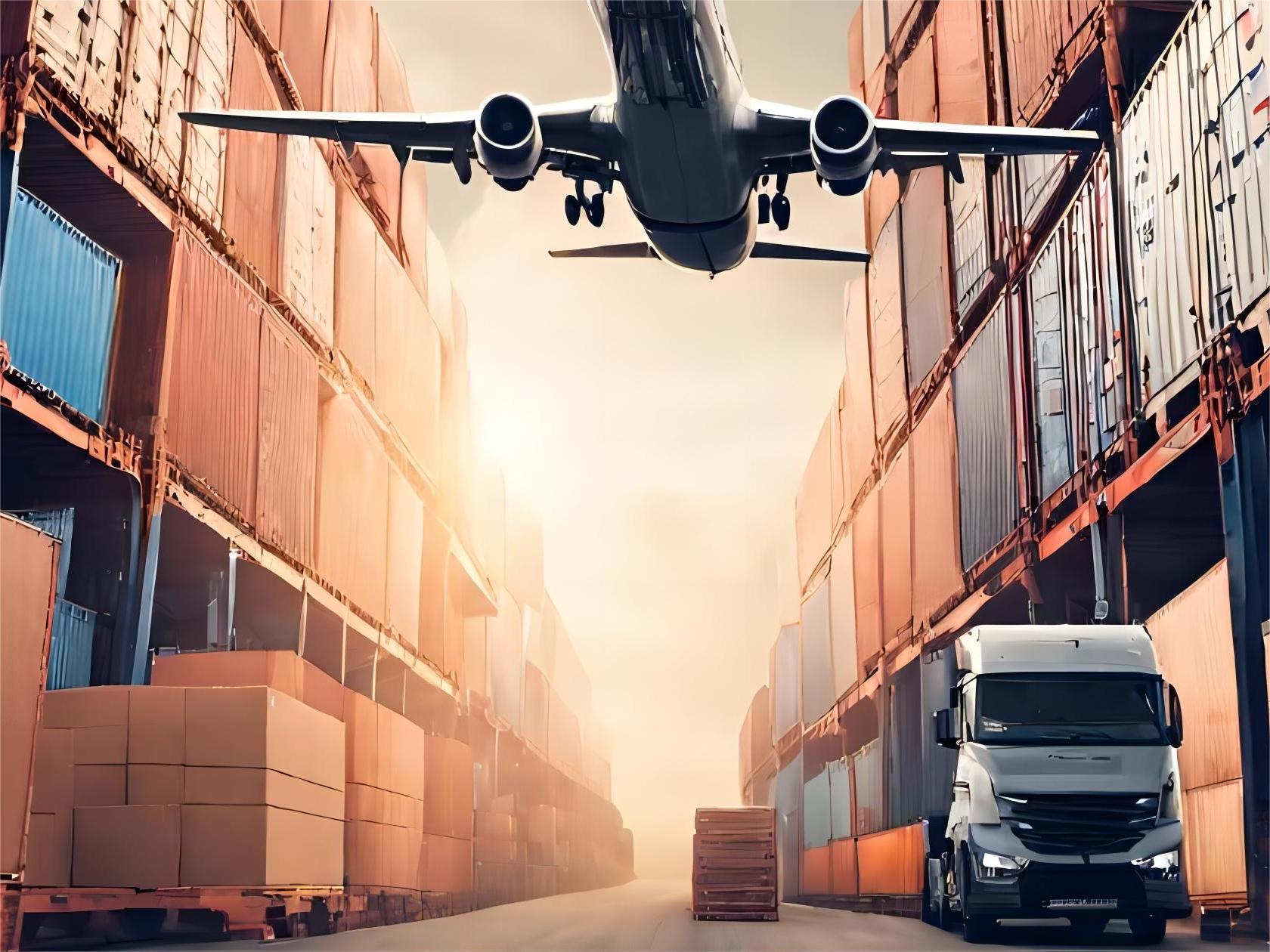
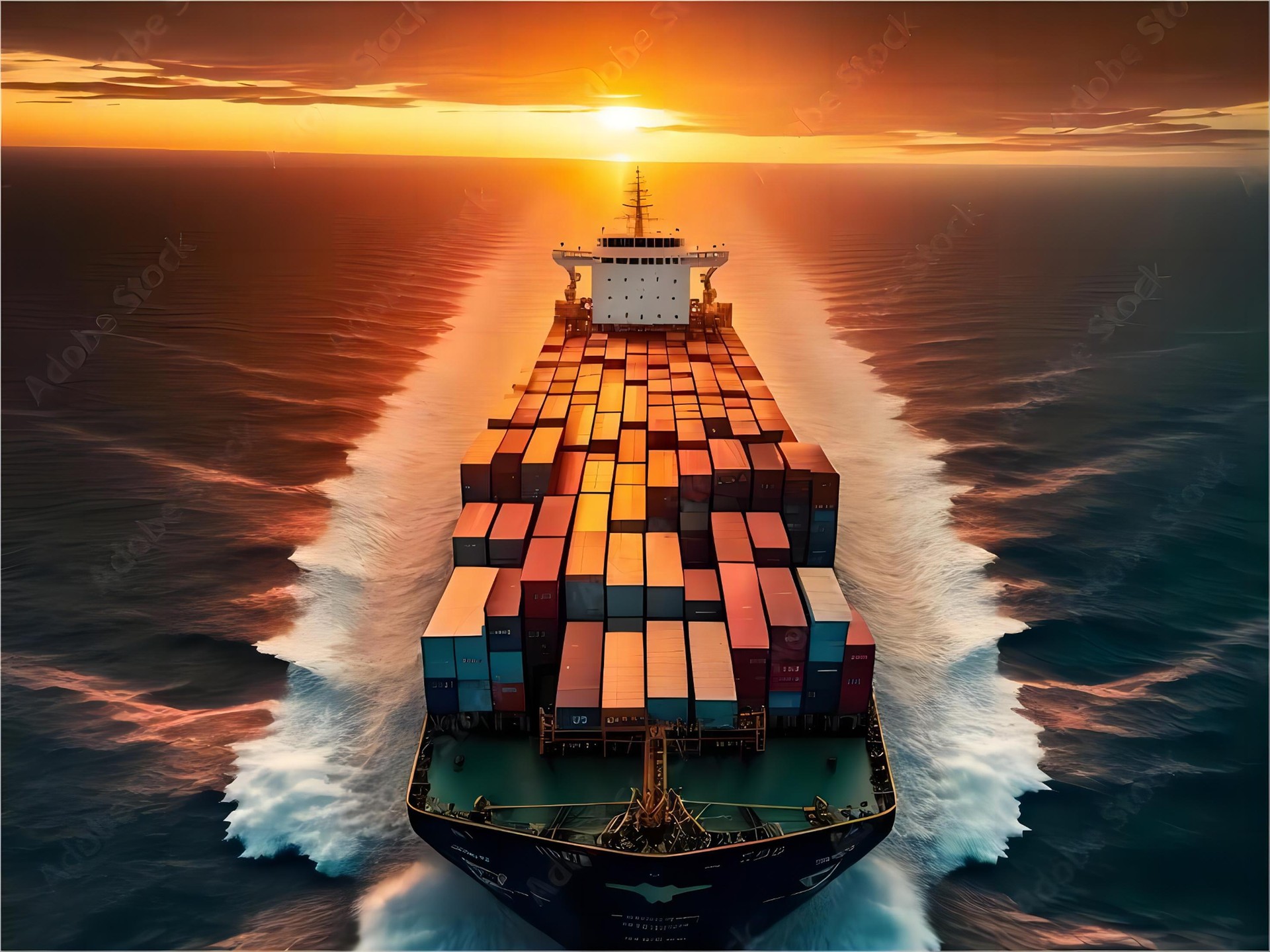
Choosing sea freight remains the most popular choice for high-volume shipments due to its unparalleled cost-effectiveness. For instance, transporting a 40HQ container is significantly cheaper per unit compared to air transport. On the other hand, the longer transit times require meticulous planning to avoid stockouts during peak seasons.
Alternative methods like air or rail offer different benefits depending on your specific needs and deadlines. While air freight provides speed, the cost can be prohibitive for low-margin products. In contrast, rail freight serves as an excellent middle ground for shipments destined for various European hubs.
Comparison of these methods reveals that sea freight is the backbone of global trade for a reason. Nevertheless, businesses must weigh the trade-offs between speed and expense. For example, a delay in sea transit can sometimes cost more in lost sales than the price of an air shipment.
Note: Freight rates are subject to change based on fuel costs, carrier capacity, and seasonal demand. Contact us for a current quote tailored to your specific shipment.
| Shipping Method | Cost Range | Transit Time | Best For |
|---|---|---|---|
| Sea Freight | $1,500 – $6,000 | 14 – 45 Days | Bulk Goods |
| Air Freight | $5 – $12 per kg | 3 – 7 Days | Urgent Items |
| Rail Freight | $2,000 – $4,500 | 18 – 25 Days | Mid-size to EU |
| Express | $8 – $15 per kg | 2 – 5 Days | Samples |
Freight Forwarding Comparison: USA vs UK vs Europe vs Canada
Shipping to the United States involves navigating complex port systems on both the Pacific and Atlantic coasts. Generally, rates to the West Coast are lower due to the shorter distance from major Chinese ports like Ningbo and Shanghai. However, the East Coast offers better access to major consumer markets in the Northeast.
Routes to the United Kingdom and Europe often involve longer transit times through the Suez Canal. Consequently, these routes are more susceptible to geopolitical shifts that can impact fuel surcharges. Furthermore, European VAT and customs regulations require precise documentation to avoid costly delays at the border.
Canada presents its own set of challenges, particularly for shipments destined for inland provinces. While Vancouver serves as a major gateway, rail connections to Toronto or Montreal can add several days to the total transit time. Therefore, importers must factor in these domestic logistics when calculating their delivery schedules.
Market intelligence indicates that ocean freight rates to the UK have stabilized at approximately $3,500 for a 40HQ container in early 2026. Meanwhile, rates to Canada remain competitive, often mirroring the trends seen in the US market. Indeed, comparing these regions helps businesses decide where to hold their inventory.
Reliable data shows that North American routes currently benefit from increased carrier competition. In addition, the expansion of port facilities has helped reduce the time cargo spends waiting for a berth. As a result, the china shipping rates usa uk europe canada freight forwarding comparison guide reflects a more efficient global network.

Air Freight vs Sea Freight: Budget and Speed Analysis
Utilizing air freight is often necessary for high-value electronics or seasonal fashion items. Because speed is the primary advantage, businesses can react quickly to market trends. Nevertheless, the environmental impact and high carbon footprint are becoming increasing concerns for modern corporations.
Sea freight offers a more sustainable and budget-friendly alternative for heavy machinery and raw materials. Although it takes longer, the ability to ship massive volumes in a single container provides economies of scale. Consequently, most global trade still relies on the ocean as the primary mode of transport.
Decision-making between these two modes often comes down to the urgency of the inventory. For instance, if a product launch is imminent, the high cost of air transport is easily justified. Conversely, for restock orders of evergreen products, the savings from sea freight directly improve the bottom line.
Experts suggest using a hybrid approach to balance both cost and speed. For example, shipping 20 percent of an order via air and 80 percent via sea ensures you have stock immediately while keeping total costs low. Without a doubt, this strategy provides the flexibility needed in a volatile market.
Rail Freight and Alternative Strategies for 2026
Exploring rail freight provides a strategic advantage for businesses shipping to Europe. This method is faster than sea freight and considerably cheaper than air transport. Moreover, the rail network across Central Asia has seen significant infrastructure improvements over the last year.
Alternative strategies like sea-air combinations are also gaining traction for shipments to North America. These solutions involve shipping by sea to a hub like Dubai or Singapore and then flying the cargo to the final destination. Indeed, this can save up to 40 percent in costs compared to pure air freight.
Direct routes are always preferred for their simplicity, but transshipment can sometimes offer lower rates. For example, shipping via a secondary hub might take five days longer but save hundreds of dollars per container. Therefore, you should always ask your forwarder for multiple routing options.
Modern logistics trends suggest that flexibility is the key to surviving supply chain disruptions. By having pre-approved rail and air options, you can pivot quickly if ocean ports become congested. Consequently, the china shipping rates usa uk europe canada freight forwarding comparison guide must include these diverse alternatives.
Which Shipping Option Should You Choose?
Budget priority dictates a focus on sea freight, specifically Full Container Load (FCL) shipments. If you can fill a 20GP or 40HQ container, you will achieve the lowest possible cost per cubic meter. However, if your volume is smaller, Less than Container Load (LCL) is a viable but slightly more expensive per-unit option.
Speed priority always points toward air freight or express services for the fastest delivery. If your cargo is under 100 kg, express couriers are often the most efficient choice. Furthermore, these services usually include door-to-door delivery and customs handling in their base price.
Cargo type considerations are also paramount when choosing a shipping method. For instance, hazardous materials or oversized machinery may have limited options and require specialized handling. In addition, perishable goods almost always require the speed of air transport or refrigerated containers.
Volume thresholds often determine when it is time to switch from LCL to FCL. Generally, once a shipment exceeds 15 cubic meters, booking a full 20GP container becomes more economical. Meanwhile, smaller shipments benefit from the shared space and costs of LCL consolidation.
Analyzing your specific needs against these criteria will lead to the most logical shipping choice. Every business has different priorities, so there is no one-size-fits-all solution in international logistics. As a result, working with an experienced partner is the best way to navigate these decisions.
Real-World Case Studies: Verifiable Shipping Scenarios
Case Study 1: Electronics Shipment to California. Route: Shenzhen, China to Los Angeles, USA. Cargo: Consumer Electronics, 15 CBM, 4500 kg. Container: LCL. Shipping Details: Major carrier, Port of Loading: Shenzhen, Port of Discharge: Los Angeles, Route Type: Direct. Cost Breakdown: Ocean Freight $2,450, Origin Charges $450, Destination Charges $600, Customs and Duties $1,200, Total Landed Cost $4,700. Timeline: 23 days door-to-door. Key Insight: LCL provided the best balance of cost and speed for this mid-sized shipment.
Case Study 2: Textile Import to the United Kingdom. Route: Ningbo, China to Felixstowe, UK. Cargo: Apparel, 68 CBM, 12000 kg. Container: 40HQ. Shipping Details: Major carrier, Port of Loading: Ningbo, Port of Discharge: Felixstowe, Route Type: Transshipment via Singapore. Cost Breakdown: Ocean Freight $3,800, Origin Charges $500, Destination Charges $750, Customs and Duties $2,100, Total Landed Cost $7,150. Timeline: 38 days door-to-door. Key Insight: Booking early during the off-peak season saved the client 15 percent on freight costs.
Case Study 3: Machinery to Canada. Route: Shanghai, China to Toronto, Canada. Cargo: Industrial Parts, 28 CBM, 8000 kg. Container: 20GP. Shipping Details: Major carrier, Port of Loading: Shanghai, Port of Discharge: Vancouver (Rail to Toronto), Route Type: Intermodal. Cost Breakdown: Ocean Freight $3,200, Origin Charges $400, Destination Charges $900, Customs and Duties $1,500, Total Landed Cost $6,000. Timeline: 35 days door-to-door. Key Insight: Intermodal rail transport from Vancouver was more cost-effective than shipping directly to an East Coast port.
Importers can learn a lot from these scenarios when planning their own logistics. Specifically, the importance of factoring in destination charges and duties cannot be overstated. Moreover, the choice of container type significantly impacts the total landed cost.
Utilizing services like Amazon FBA shipping requires even more precision in documentation and labeling. Because Amazon has strict delivery windows, any delay at customs can result in significant penalties. Therefore, choosing a forwarder with FBA experience is essential for e-commerce sellers.
Successful shipments are the result of careful planning and clear communication between all parties. Whether you are shipping to North America or Europe, the principles of efficient logistics remain the same. Indeed, the china shipping rates usa uk europe canada freight forwarding comparison guide serves as a blueprint for these successful operations.
Factors Influencing Total Landed Cost
Understanding the total landed cost is vital for maintaining healthy profit margins. This figure includes the price of the goods, insurance, freight, duties, and all local handling fees. Consequently, a low freight quote can be misleading if the destination charges are excessively high.
Customs duties and taxes vary significantly depending on the product classification and the destination country. For example, some goods imported into the USA may be subject to additional tariffs. Meanwhile, European imports must account for Value Added Tax, which can impact cash flow.
Insurance is another critical component that many importers overlook to save a few dollars. However, the risks of cargo damage or loss during a long ocean voyage are real. Therefore, investing in comprehensive cargo insurance provides peace of mind and financial protection.
Local delivery fees, also known as the last-mile cost, can be surprisingly high in certain regions. If your warehouse is far from the port, trucking costs can add a significant amount to the total bill. As a result, choosing a port closer to your final destination is often a smart move.
Cost-Saving Strategies and Market Trends
Consolidating shipments is one of the most effective ways to reduce your overall logistics spend. By combining multiple smaller orders into a single container, you can take advantage of FCL rates. Furthermore, this reduces the number of customs entries and administrative tasks you need to manage.
Negotiating long-term contracts with freight forwarders can provide price stability in a volatile market. While spot rates can sometimes be lower, a fixed contract protects you from sudden price spikes during peak seasons. Consequently, this allows for more accurate long-term financial planning.
Optimizing your packaging can also lead to significant savings, especially for air freight where weight and volume are critical. By reducing the size of your boxes, you can fit more units into a container or reduce the chargeable weight of an air shipment. Indeed, small changes in packaging design can lead to thousands of dollars in annual savings.
Staying ahead of market trends, such as the increasing use of digital freight platforms, can also give you a competitive edge. These tools provide real-time tracking and more transparent pricing. Without a doubt, the future of logistics is data-driven and increasingly efficient.
Customs and Documentation Checklist
Proper documentation is the foundation of a smooth customs clearance process. Missing or incorrect paperwork is the leading cause of delays and additional storage fees at the port. Therefore, you must ensure that your supplier provides all necessary documents well before the cargo arrives.
Utilizing a professional customs brokerage service can save you from costly mistakes and legal issues. These experts stay up-to-date with the latest regulations and can help you classify your goods correctly. Consequently, this reduces the risk of audits and penalties from customs authorities.
Required documents typically include the commercial invoice, packing list, and bill of lading. Depending on the product, you might also need a certificate of origin or specific permits. For instance, food products or electronics often require additional certifications to meet safety standards.
Efficient handling of these documents ensures that your cargo moves through the port as quickly as possible. When everyone in the supply chain has the right information, the entire process becomes more predictable. As a result, the china shipping rates usa uk europe canada freight forwarding comparison guide is most effective when paired with perfect documentation.
| Document | Purpose | Importance | Required By |
|---|---|---|---|
| Commercial Invoice | Value Declaration | Critical | Customs |
| Packing List | Itemized Contents | High | Carrier |
| Bill of Lading | Title of Goods | Mandatory | Port |
| Cert. of Origin | Duty Calculation | Conditional | Customs |
Mastering Your Global Shipping Strategy
Successfully managing international logistics requires a deep dive into the china shipping rates usa uk europe canada freight forwarding comparison guide to stay competitive. By understanding the nuances of different shipping modes and regional requirements, businesses can significantly reduce their overhead costs. Furthermore, the 2026 market offers many opportunities for those who are willing to be flexible and data-driven in their approach.
Reliable partnerships and meticulous planning are the keys to avoiding common pitfalls in the shipping industry. Whether you choose sea, air, or rail, ensuring your documentation is perfect and your strategy is sound will lead to long-term success. Indeed, the right freight forwarding strategy is a powerful tool for any global business.
Need a tailored shipping solution?
Ready to optimize your supply chain and secure the best rates? Contact Global China Forwarder today for a personalized china shipping rates usa uk europe canada freight forwarding comparison guide quote. Our experts are standing by to help you navigate 2026 logistics challenges. Visit our website to request your free freight analysis now. Send Inquiry: https://globalchinaforwarder.com/
Frequently Asked Questions
What is the cheapest way to ship from China to the USA in 2026?
Sea freight remains the most economical method for large volumes. Specifically, FCL shipping offers the lowest cost per unit for those who can fill a whole container.
How long does sea freight take from China to the UK?
Typical transit times range from 30 to 40 days. However, factors like port congestion and the specific shipping route can influence the final delivery date.
Are rail freight rates to Europe competitive with sea freight?
Rail is generally more expensive than sea but much cheaper than air. It is an ideal middle ground for urgent mid-sized shipments destined for European markets.
What factors influence air freight rates per kg?
Rates are primarily driven by fuel costs, seasonal demand, and available cargo capacity. High-value or urgent items are best suited for this fast but costly method.
Do I need a customs broker for shipping to Canada?
While not legally required, a customs broker is highly recommended. They ensure your documentation is correct and help you avoid expensive delays or penalties.
How can I reduce my total landed cost?
Consolidating shipments, optimizing packaging, and negotiating long-term contracts are effective strategies. Additionally, choosing the right port can reduce inland transport fees.
What is the difference between FCL and LCL shipping?
FCL involves renting an entire container for your goods. LCL allows you to share container space with other shippers, which is cheaper for smaller volumes.
Is shipping insurance necessary for international freight?
Yes, insurance is vital to protect against cargo damage or loss. The cost is relatively low compared to the potential financial risk of an uninsured shipment.