

China Shipping Company Global Cargo Freight Forwarding Service
Selecting a reliable China shipping company global cargo freight forwarding service is essential for businesses navigating the complex international trade landscape of 2026. Many importers face challenges regarding rising fuel surcharges and port congestion, yet professional logistics partners provide the necessary expertise to mitigate these risks effectively. This guide explores how specialized freight solutions can streamline your operations and ensure timely delivery across the globe.
✦
What Defines a Professional China Shipping Company Global Cargo Freight Forwarding Service?
Modern logistics providers must offer more than just transport; they must act as strategic partners in your global supply chain. Consequently, a top-tier service integrates advanced tracking technology with deep local knowledge of Chinese manufacturing hubs like Shenzhen, Ningbo, and Shanghai.
Furthermore, experts in this field manage every aspect of the journey, from initial warehouse pickup to final destination delivery. They handle complex documentation, negotiate with carriers, and provide real-time updates to ensure transparency throughout the process.
However, the most significant advantage lies in their ability to adapt to market fluctuations. Specifically, during the peak seasons of 2026, a professional forwarder can secure space on vessels even when capacity remains tight across major trade lanes.
Logistics experts also emphasize the importance of diverse service offerings. By providing multiple modes of transport, they allow businesses to balance cost and speed according to their specific inventory needs.
How Does Sea Freight Compare to Other Shipping Options?
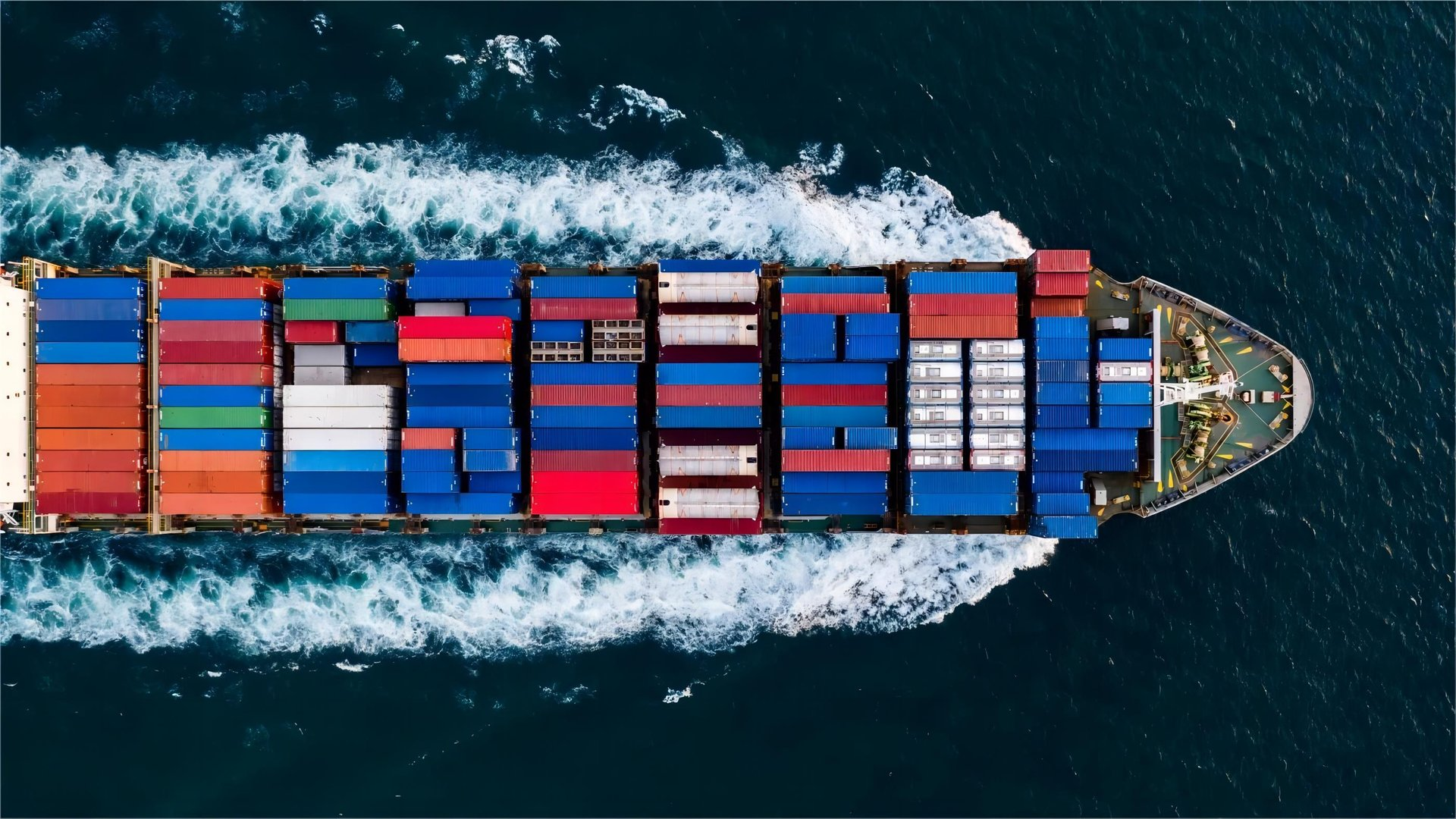
Analyzing the benefits of sea freight reveals why it remains the backbone of international trade for bulky or heavy shipments. Although it requires longer transit times, the cost-per-unit for large volumes is significantly lower than air or express alternatives.
Moreover, maritime transport in 2026 has become more sustainable due to new green fuel initiatives and optimized routing algorithms. Businesses choosing this method often benefit from stable pricing structures during non-peak periods of the year.
In contrast, smaller shipments might benefit from Less than Container Load (LCL) options. This allows multiple shippers to share space, making it an economical choice for growing enterprises that do not yet require a full container.
| Shipping Method | Cost Range | Transit Time | Best For |
|---|---|---|---|
| Sea Freight | Low ($1,500 – $4,500) | 25 – 40 Days | Bulk goods and large machinery |
| Air Freight | High ($5.50 – $12.00/kg) | 3 – 7 Days | High-value electronics |
| Rail Freight | Medium ($2,000 – $3,500) | 15 – 22 Days | Urgent Europe land routes |
| Express Service | Very High ($15+ /kg) | 2 – 5 Days | Small samples and documents |
Is Air Freight the Right Choice for Your Cargo?
Choosing air freight is typically driven by the need for speed and the high value of the commodities being moved. For instance, medical supplies, high-end electronics, and seasonal fashion items require the rapid delivery that only aircraft can provide.
Additionally, air transport offers enhanced security and a lower risk of damage compared to long ocean voyages. Because the transit time is measured in days rather than weeks, companies can maintain lower inventory levels and respond quickly to market trends.
Nevertheless, the higher cost remains a critical factor for many businesses to consider. Therefore, logistics managers often use air cargo as a strategic tool for emergency restocks rather than a primary method for all inventory.

Navigating Customs Brokerage and Compliance in 2026
Utilizing a professional customs brokerage service prevents costly delays and legal complications at international borders. Since trade regulations frequently change, having an expert who understands the latest tariff codes and compliance requirements is invaluable.
Specifically, our specialists ensure that all commercial invoices, packing lists, and certificates of origin meet the strict standards of destination countries. As a result, cargo moves through inspection points much faster, avoiding expensive demurrage and detention fees.
Moreover, accurate classification of goods can sometimes lead to significant tax savings. Experienced brokers identify applicable trade agreements that might reduce duties for specific product categories arriving from China.
| Document Name | Primary Purpose | Required By | Notes |
|---|---|---|---|
| Commercial Invoice | Value declaration | Customs / Bank | Must match packing list |
| Packing List | Itemized details | Customs / Carrier | Shows weights and dimensions |
| Bill of Lading | Title of goods | Carrier / Consignee | Essential for cargo release |
| CO (Cert. of Origin) | Identify source | Customs | Used for duty calculation |
Door to Door Shipping Solutions for Global Markets
Implementing door to door logistics simplifies the entire import process for the buyer. Instead of managing multiple carriers and local truckers, the shipper deals with a single point of contact from the factory floor to the final warehouse.
This service is particularly popular for shipments destined for North America, where inland transportation can be complex and expensive. By consolidating these steps, forwarders often achieve better rates and more predictable delivery schedules.
Similarly, businesses shipping to Europe benefit from integrated rail and truck networks that connect major ports to inland cities. This comprehensive approach reduces the administrative burden on your staff, allowing them to focus on sales and marketing.
For those targeting the Southern Hemisphere, our routes to Australia provide efficient transit times through major hubs like Sydney and Melbourne. We ensure that every local regulation is met, providing a seamless experience for oceanic trade.
Managing Amazon FBA and E-commerce Logistics
Specializing in Amazon FBA logistics requires a deep understanding of strict labeling and packaging requirements. Failure to comply with these standards can result in rejected shipments and significant financial losses for online sellers.
Furthermore, our team manages the scheduling of delivery appointments with Amazon fulfillment centers. Consequently, sellers can avoid the stress of coordinating with third-party carriers who may not be familiar with the FBA system.
Indeed, the rise of global e-commerce in 2026 has made efficient cargo forwarding more critical than ever. We provide tailored solutions that include quality inspections at the factory before the goods even leave China.
Real-World Case Studies: 2026 Shipping Success Stories
Reviewing actual shipping scenarios helps businesses understand the practical application of different logistics strategies. These examples reflect market conditions as of early 2026, including typical costs and transit times for various cargo types.
Case Study 1: Electronics Distribution to USA. Route: Shenzhen, China to Los Angeles, USA. Cargo: Consumer electronics, 15 CBM, 4,500 kg. Container: LCL (Less than Container Load). Shipping Details: Carrier: COSCO. Port of Loading: Shenzhen. Port of Discharge: Los Angeles. Route Type: Direct. Cost Breakdown: Ocean Freight: $1,250. Origin Charges: $450. Destination Charges: $600. Customs & Duties: $1,150. Total Landed Cost: $3,450. Timeline: Booking to Loading: 3 days. Sea Transit: 16 days. Customs Clearance: 2 days. Total Door-to-Door: 21 days. Key Insight: Using LCL allowed the client to restock inventory quickly without waiting for a full container volume.
Case Study 2: Industrial Machinery to Germany. Route: Ningbo, China to Hamburg, Germany. Cargo: Specialized CNC machines, 2 x 40HQ containers. Shipping Details: Carrier: Maersk. Port of Loading: Ningbo. Port of Discharge: Hamburg. Route Type: Transshipment via Singapore. Cost Breakdown: Ocean Freight: $7,800. Origin Charges: $900. Destination Charges: $1,200. Customs & Duties: $2,500. Total Landed Cost: $12,400. Timeline: Booking to Loading: 5 days. Sea Transit: 34 days. Customs Clearance: 3 days. Total Door-to-Door: 42 days. Key Insight: Strategic transshipment saved the client 15% in freight costs compared to direct premium routes.
Case Study 3: Retail Apparel to Australia. Route: Guangzhou, China to Sydney, Australia. Cargo: Seasonal clothing, 20GP container. Shipping Details: Carrier: OOCL. Port of Loading: Guangzhou. Port of Discharge: Sydney. Route Type: Direct. Cost Breakdown: Ocean Freight: $1,100. Origin Charges: $400. Destination Charges: $550. Customs & Duties: $800. Total Landed Cost: $2,850. Timeline: Booking to Loading: 2 days. Sea Transit: 15 days. Customs Clearance: 1 day. Total Door-to-Door: 18 days. Key Insight: Direct routing was essential to meet the launch date for the new fashion season.
Which Shipping Option Should You Choose?
Determining the best logistics strategy depends on your specific priorities regarding budget, speed, and cargo safety. If your primary goal is cost reduction, sea freight remains the most viable option for large volumes in 2026.
Alternatively, if you are dealing with perishable goods or urgent contract deadlines, air freight is the only solution that guarantees fast delivery. For shipments to landlocked regions of Europe, rail freight offers a balanced middle ground between cost and speed.
Ultimately, a hybrid approach often yields the best results. For example, you might ship 80% of your inventory via sea and 20% via air to ensure you never run out of stock while keeping average costs low.
| Priority | Recommended Method | Volume Threshold | Cost Impact |
|---|---|---|---|
| Budget | Sea Freight (FCL) | > 15 CBM | Lowest per unit |
| Speed | Air Freight | Any volume | Highest per unit |
| Reliability | Rail Freight | > 2 CBM | Moderate cost |
| Convenience | Door to Door | Any volume | All-inclusive |
Summary of Global Freight Forwarding Success
Navigating the world of international trade requires a robust China shipping company global cargo freight forwarding service that understands both local and global dynamics. By carefully selecting between sea, air, and rail options, businesses can optimize their costs and transit times effectively.
Furthermore, ensuring compliance through professional customs brokerage and utilizing door-to-door services reduces the operational burden on your team. As market conditions evolve in 2026, staying informed and flexible will be the key to maintaining a competitive edge.
Reliable logistics partnerships are not just about moving boxes; they are about building a foundation for long-term business growth and customer satisfaction. Trust our expertise to handle your global cargo with the care and precision it deserves.
Note: Freight rates are subject to change based on fuel costs, carrier capacity, and seasonal demand. Contact us for a current quote tailored to your specific shipment.