

China Sea Freight Container Shipping Cost FCL LCL Global Guide 2026
Navigating the complexities of international trade requires a deep understanding of logistics expenses and transportation efficiency. At Global China Forwarder, we help businesses optimize their china sea freight container shipping cost fcl lcl global strategies for maximum profitability. Consequently, importers can better manage their budgets while ensuring the timely delivery of goods across the world. Understanding these costs is essential for maintaining a competitive edge in the modern marketplace.
How Does China Sea Freight Container Shipping Cost FCL LCL Global Work?
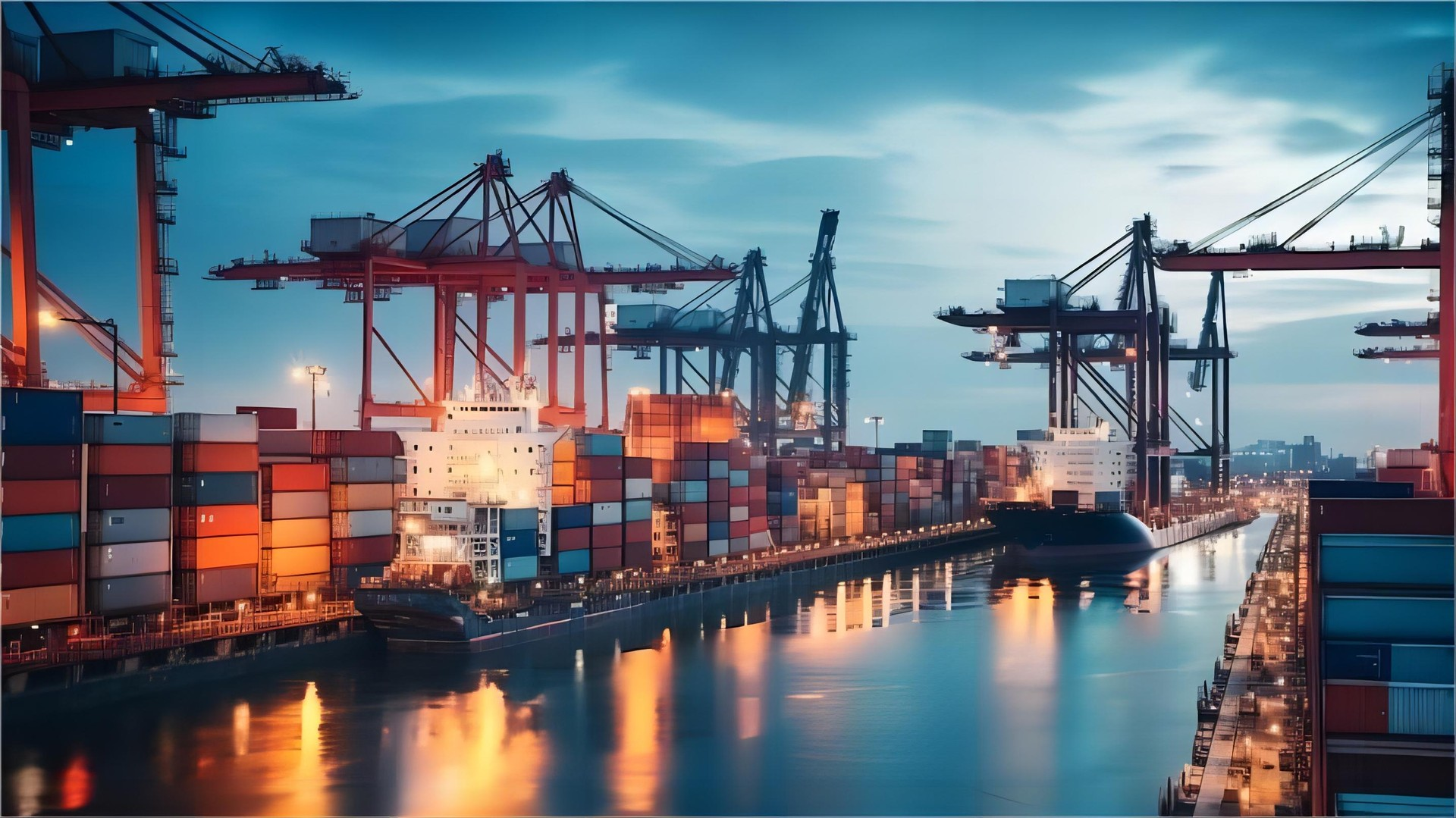
Determining the final expense of moving goods involves calculating various factors from the factory floor to the final destination. Indeed, ocean transport remains the most cost-effective method for large volumes of cargo moving from Asian manufacturing hubs. Most businesses choose sea freight to balance transit times with manageable overhead expenses.
Moreover, the distinction between Full Container Load and Less than Container Load determines how your goods are handled and priced. FCL involves renting an entire container for your exclusive use, whereas LCL allows you to share space with other shippers. Therefore, choosing the right method depends heavily on your specific shipment volume and the urgency of the delivery.
Comparing FCL vs LCL: Which Method Fits Your Volume?
Full Container Load (FCL) shipping typically offers a lower price per cubic meter when you have enough goods to fill a 20ft or 40ft unit. Furthermore, this method provides better security since the container is sealed at the origin and only opened at the destination. Consequently, FCL is preferred for high-value or fragile items that require minimal handling during transit.
Less than Container Load (LCL) is ideal for smaller shipments that do not justify the cost of a whole container. In addition, LCL provides flexibility for businesses with smaller inventory requirements or those testing new markets. However, it is important to note that LCL often involves higher terminal handling charges due to the consolidation and deconsolidation processes involved.
| Cost Structure | Flat rate per unit | Price per CBM/Weight | FCL for bulk |
| Transit Time | Faster (Direct) | Slower (Consolidation) | FCL for speed |
| Security | High (Sealed) | Moderate (Shared) | FCL for safety |
| Volume | Over 15 CBM | Under 15 CBM | LCL for small |

How Does Sea Freight Compare to Other Shipping Options?
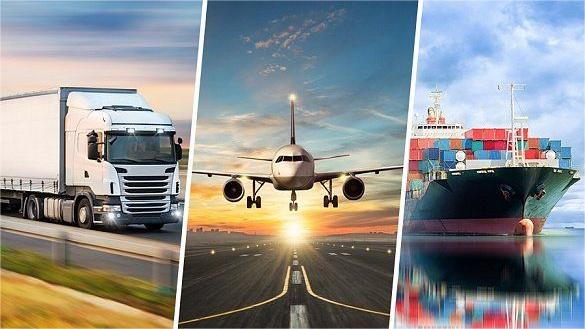
While ocean transport is the backbone of global trade, other methods like air freight offer significantly faster delivery for urgent cargo. Nevertheless, the price difference is substantial, with air transport often costing five to ten times more than sea transport. For mid-range needs, rail freight provides a balanced alternative for routes connecting China to Europe.
Specifically, sea freight is unbeatable for heavy machinery, bulk raw materials, and large consumer goods orders. On the other hand, air freight is the primary choice for electronics or pharmaceuticals that have short shelf lives. To summarize, the best strategy often involves a hybrid approach depending on the specific needs of each product line.
| Sea Freight | Low ($2k-$5k) | 25-45 Days | Bulk Cargo |
| Air Freight | High ($10k+) | 3-7 Days | Urgent Goods |
| Rail Freight | Medium ($4k-$7k) | 15-22 Days | Mid-sized Europe |
| Express | Very High | 2-5 Days | Samples/Docs |
Estimating 2026 Container Shipping Rates by Major Route
Market data suggests that freight rates have stabilized in early 2026 after the fluctuations seen in previous years. For instance, shipping a 40HQ container from Shanghai to Los Angeles currently ranges between 2,800 and 3,800 USD. Meanwhile, routes to the East Coast of the United States remain higher due to the longer distance and canal transit fees.
European routes have also seen a return to predictable pricing structures. According to industry benchmarks, a 20GP container from Ningbo to Rotterdam averages around 1,800 to 2,500 USD. Furthermore, seasonal peaks during the third quarter can cause these rates to increase by 15-25% as retailers prepare for the holiday season.
Note: Freight rates are subject to change based on fuel costs, carrier capacity, and seasonal demand. Contact us for a current quote tailored to your specific shipment.
| China to USA West | $1,500-$2,200 | $2,800-$3,800 | 14-18 Days |
| China to USA East | $2,500-$3,500 | $4,500-$6,000 | 30-35 Days |
| China to Europe | $1,800-$2,500 | $3,000-$4,200 | 28-35 Days |
| China to Australia | $800-$1,200 | $1,400-$2,000 | 12-18 Days |
Why Does the China Sea Freight Container Shipping Cost FCL LCL Global Fluctuate?
Several variables influence the final price you pay for ocean logistics services. Firstly, the Bunker Adjustment Factor (BAF) accounts for the fluctuating cost of fuel used by massive container ships. Additionally, peak season surcharges are applied when demand exceeds available vessel space, typically from August to October.
Terminal handling charges and port congestion also play a significant role in determining the total landed cost. When ports are crowded, vessels must wait at anchor, which increases operational costs for the carriers. Consequently, these expenses are often passed down to the shipper in the form of congestion surcharges or increased base rates.

Understanding Customs and Documentation Requirements
Navigating the legal requirements of international trade is just as important as the physical transport of goods. Utilizing a professional customs brokerage service ensures that all paperwork is filed correctly to avoid costly delays. Indeed, missing or incorrect documentation can lead to heavy fines and the storage of cargo at the port of entry.
Properly classifying your products using Harmonized System (HS) codes is crucial for calculating accurate import duties from China. Moreover, ensuring you have a valid Commercial Invoice and Packing List is the first step toward a smooth clearance process. Without a doubt, proactive preparation reduces the risk of your container being flagged for intensive inspections by customs authorities.
Real-World Case Studies for 2026 Shipments
Case Study 1: Electronics Distribution to USA West Coast. Route: Shenzhen, China to Long Beach, USA. Cargo: Consumer Electronics, 68 CBM, 12,000 kg. Container: 40HQ. Shipping Details: Carrier: COSCO, Port of Loading: Shenzhen, Port of Discharge: Long Beach, Route Type: Direct. Cost Breakdown: Ocean Freight: $3,200, Origin Charges: $450, Destination Charges: $600, Customs and Duties: $1,200, Total Landed Cost: $5,450. Timeline: Booking to Loading: 4 days, Sea Transit: 15 days, Customs Clearance: 2 days, Total Door-to-Door: 21 days. Key Insight: Booking 3 weeks in advance secured a lower rate before the mid-month GRI.
Case Study 2: Furniture Import to Germany. Route: Ningbo, China to Hamburg, Germany. Cargo: Wooden Furniture, 8 CBM, 2,500 kg. Container: LCL 8 CBM. Shipping Details: Carrier: Major Carrier, Port of Loading: Ningbo, Port of Discharge: Hamburg, Route Type: Transshipment via Singapore. Cost Breakdown: Ocean Freight: $720, Origin Charges: $200, Destination Charges: $350, Customs and Duties: $800, Total Landed Cost: $2,070. Timeline: Booking to Loading: 5 days, Sea Transit: 32 days, Customs Clearance: 3 days, Total Door-to-Door: 40 days. Key Insight: LCL was 40% cheaper than FCL for this specific volume, despite the longer transit time.
Strategies to Reduce Your Total Landed Cost
Optimizing your supply chain involves more than just finding the lowest freight rate. For instance, implementing door to door solutions can simplify your logistics and reduce the number of individual service providers you need to manage. Furthermore, improving your container loading optimization ensures you are not paying to ship empty space.
Negotiating long-term contracts with freight forwarders can also provide price stability in a volatile market. Meanwhile, consolidating multiple small orders into a single FCL shipment often results in significant savings compared to multiple LCL bookings. Ultimately, maintaining high supply chain visibility tools allows you to make data-driven decisions that lower overall expenses.
Final Thoughts on Global Shipping Costs
Managing your china sea freight container shipping cost fcl lcl global effectively is a continuous process of analysis and adjustment. By understanding the differences between FCL and LCL, monitoring market trends, and preparing documentation early, you can significantly reduce your logistics overhead. Therefore, partnering with a reliable forwarder is the best way to ensure your cargo moves efficiently across the globe in 2026.
Need a tailored shipping solution?
Ready to optimize your international logistics? Contact our expert team today to get a customized quote for your china sea freight container shipping cost fcl lcl global needs. Visit our inquiry page to start saving on your next shipment. Send Inquiry Link: Visit globalchinaforwarder.com/contact