


China Logistics Company Door to Door Global Shipping 2026
Navigating the complexities of international trade requires a reliable partner to manage your supply chain from start to finish. As a leading Global China Forwarder, we provide comprehensive solutions for businesses looking to streamline their operations. This guide explores how a professional china logistics company door to door global freight forwarding shipping service can transform your import experience in 2026. Consequently, you can focus on growing your business while we handle the intricate details of global cargo movement.
What is a China Logistics Company Door to Door Global Freight Forwarding Shipping Service?
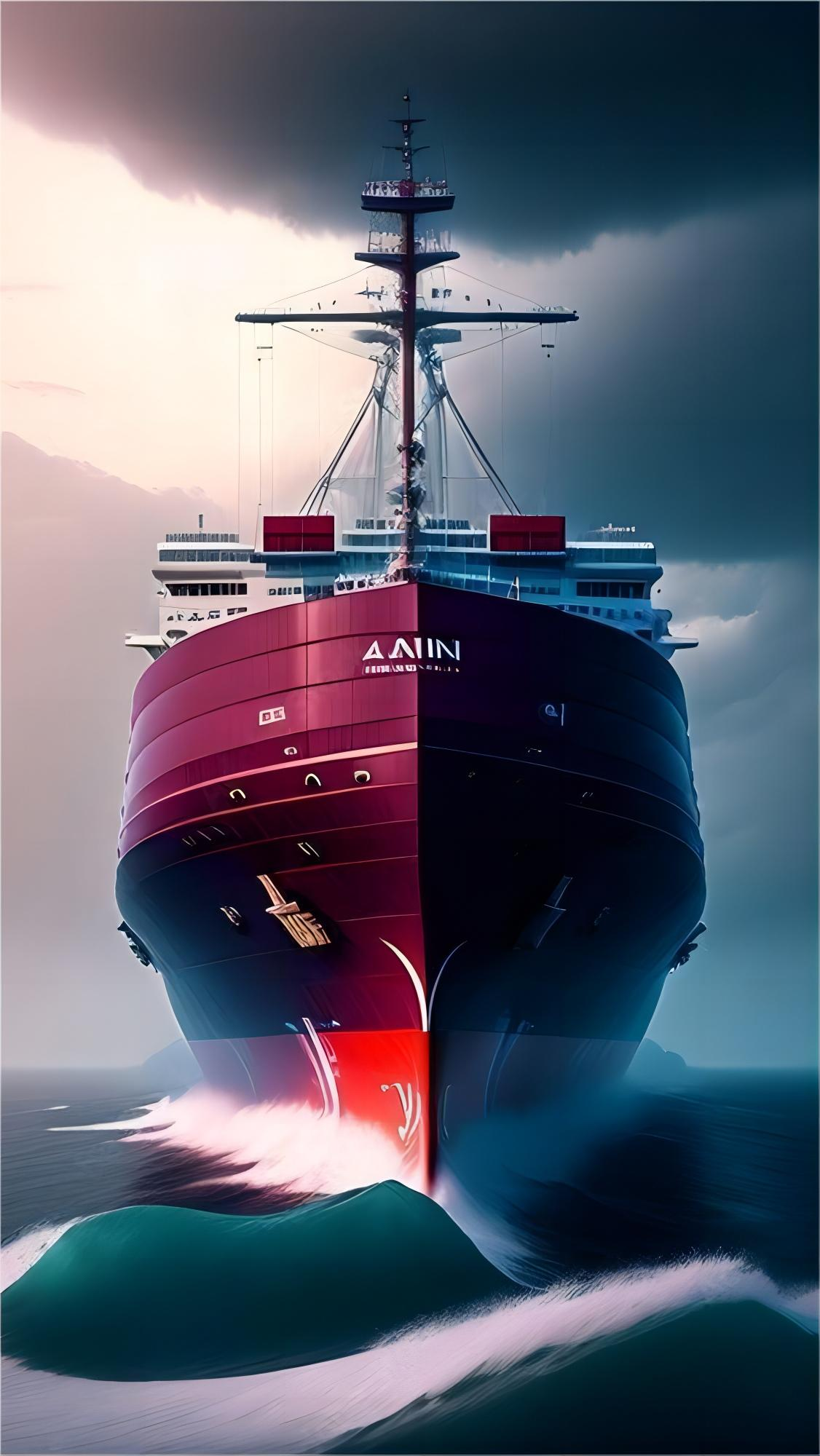
Global trade in 2026 demands more than just simple transport between ports. A complete door to door service manages the entire journey from the supplier warehouse in China to the final destination. Furthermore, this integrated approach eliminates the need for multiple intermediaries and simplifies the communication process for the importer. Indeed, having a single point of contact reduces errors and ensures accountability throughout the shipping cycle.
Logistics providers now use advanced tracking technology to offer real-time visibility into every shipment. Consequently, businesses can monitor their inventory levels more accurately and predict arrival times with high precision. Moreover, these services include pickup, export documentation, international transit, and final mile delivery. Therefore, choosing a comprehensive service provider is the most efficient way to manage a modern supply chain.
How Does Door to Door Shipping Compare to Other Shipping Options?
Choosing the right shipping method depends on your budget, timeline, and cargo volume. While port-to-port shipping might seem cheaper initially, it often involves hidden costs at the destination. For instance, you might face unexpected trucking fees or warehouse storage charges if you do not manage the final leg yourself. On the other hand, door to door services include all these costs in a single, transparent quote.
In contrast, EXW or FOB terms require the buyer to handle more responsibility and risk. Additionally, managing multiple local carriers in different countries can lead to significant delays and coordination issues. Meanwhile, a full-service freight forwarder handles every transition point seamlessly. Accordingly, most successful importers in 2026 prefer the convenience and reliability of an all-inclusive shipping solution.
| Shipping Method | Cost Range | Transit Time | Best Use |
|---|---|---|---|
| Door to Door | Moderate to High | 15-40 Days | Maximum Convenience |
| Port to Port | Low to Moderate | 20-45 Days | Large Volume Bulk |
| Express Courier | High | 3-7 Days | Small Samples |
| Rail Freight | Moderate | 18-25 Days | Inland Destinations |
Which Option Should You Choose for Your Global Shipments?
Budget priorities often dictate the choice of shipping method for many growing enterprises. If your primary goal is to minimize shipping costs, sea freight remains the most economical choice for large volumes. However, you must account for longer transit times and potential seasonal fluctuations in freight rates. Furthermore, consolidating smaller shipments into a Less than Container Load (LCL) can save money for mid-sized orders.
Speed priority is essential for high-value electronics or seasonal fashion items. In these cases, air freight provides the necessary velocity to meet tight market deadlines. Additionally, air transport reduces the risk of damage for sensitive cargo. Nevertheless, the cost is significantly higher than ocean transport, making it suitable only for specific product categories. Shippers must weigh the cost of speed against the potential loss of sales.
Cargo type considerations also play a vital role in the decision-making process. For example, shipping heavy machinery to North America requires specialized container handling and heavy-lift equipment. Meanwhile, sending consumer goods to Europe might involve complex rail routes through Central Asia. If you are shipping to Australia, strict biosecurity regulations will influence your packaging and documentation requirements.
Why Choose a Professional China Logistics Company in 2026?
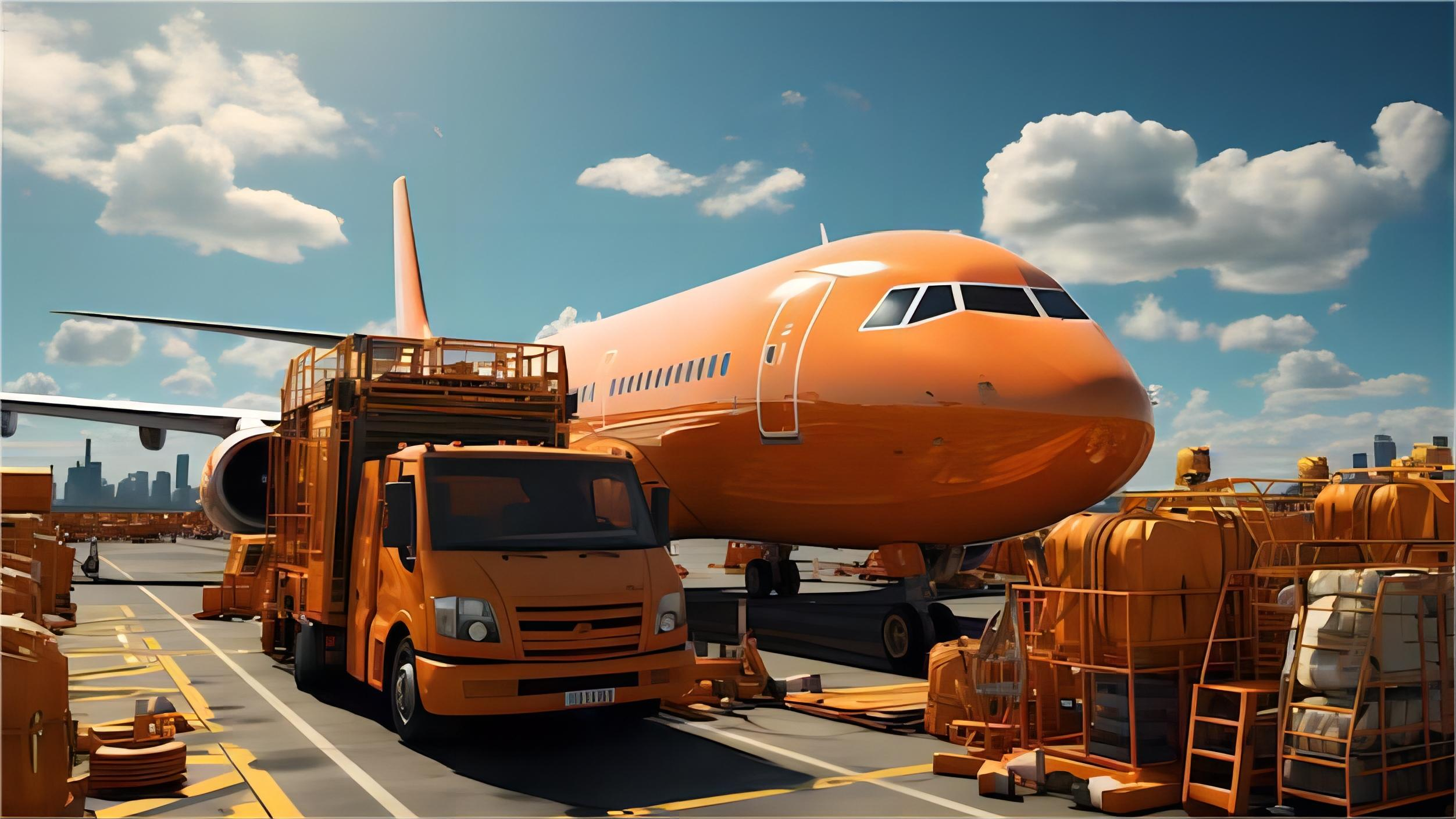
Market data suggests that the logistics landscape has become increasingly digital and automated in early 2026. Professional forwarders now utilize AI-driven route optimization to avoid port congestion and reduce fuel surcharges. Consequently, they can offer more stable pricing even during peak seasons. Moreover, established companies have strong relationships with major carriers like COSCO and Maersk, ensuring priority space for your cargo.
Industry average for transit times has improved as new terminal automation comes online in major Chinese ports like Ningbo and Shanghai. Furthermore, professional logistics companies provide essential value-added services such as cargo insurance and quality inspections. Indeed, these additional layers of protection are vital for maintaining a healthy bottom line. Therefore, partnering with an expert is an investment in your company long-term stability.
Logistics trends in 2026 also emphasize sustainability and carbon footprint tracking. Many forwarders now offer green shipping options for environmentally conscious brands. Additionally, they provide detailed reports on emissions, helping you meet corporate social responsibility goals. As a result, your logistics partner becomes a strategic asset in your overall brand positioning.
Navigating Customs Brokerage and Import Regulations
Successful international shipping depends heavily on accurate customs brokerage and documentation. Incorrectly filed paperwork can lead to expensive fines, cargo seizures, or lengthy delays at the border. Furthermore, customs regulations frequently change, requiring constant vigilance and expertise. Consequently, a professional forwarder ensures that all Harmonized System (HS) codes are correctly applied to your products.
Landed cost calculations must include duties, taxes, and various port fees to be accurate. For instance, importers must understand the specific tariffs applicable to their product category in the destination country. Moreover, many nations have implemented new digital filing requirements in 2026. Without a doubt, having an expert handle these filings reduces the administrative burden on your team. Accordingly, you can avoid the common pitfalls that plague inexperienced importers.
| Document Type | Purpose | Required By | Timing |
|---|---|---|---|
| Commercial Invoice | Valuation of Goods | Customs | At Export |
| Packing List | Cargo Details | Carrier/Warehouse | At Loading |
| Bill of Lading | Title to Goods | Carrier | After Departure |
| Certificate of Origin | Tariff Qualification | Customs | At Import |
Real-World Case Studies: Successful Global Shipments in 2026
Case Study 1: Solar Panel Components to Rotterdam. Route: Shanghai, China to Rotterdam, Netherlands. Cargo: 15 CBM Solar Inverters. Shipping Method: LCL Sea Freight. Ocean Freight: 1,200 USD. Origin Charges: 350 USD. Destination Charges: 450 USD. Customs and Duties: 1,800 USD. Total Landed Cost: 3,800 USD. Timeline: 34 days door to door. Key Insight: Using LCL allowed the client to maintain weekly inventory flow without paying for empty container space.
Case Study 2: Consumer Electronics to Los Angeles. Route: Shenzhen, China to Los Angeles, USA. Cargo: 500kg High-End Headphones. Shipping Method: Air Freight. Air Freight: 3,500 USD. Origin Charges: 200 USD. Destination Charges: 300 USD. Customs and Duties: 950 USD. Total Landed Cost: 4,950 USD. Timeline: 6 days door to door. Key Insight: Speed was critical for a product launch, justifying the higher freight rates compared to ocean transport.
Case Study 3: Furniture for Australian Retailer. Route: Guangzhou, China to Sydney, Australia. Cargo: Full 40HQ Container of Home Decor. Shipping Method: FCL Sea Freight. Ocean Freight: 1,900 USD. Origin Charges: 400 USD. Destination Charges: 600 USD. Customs and Duties: 2,200 USD. Total Landed Cost: 5,100 USD. Timeline: 21 days door to door. Key Insight: Direct routing saved 5 days compared to transshipment options through Singapore.
Cost-Saving Strategies for Global Freight Forwarding
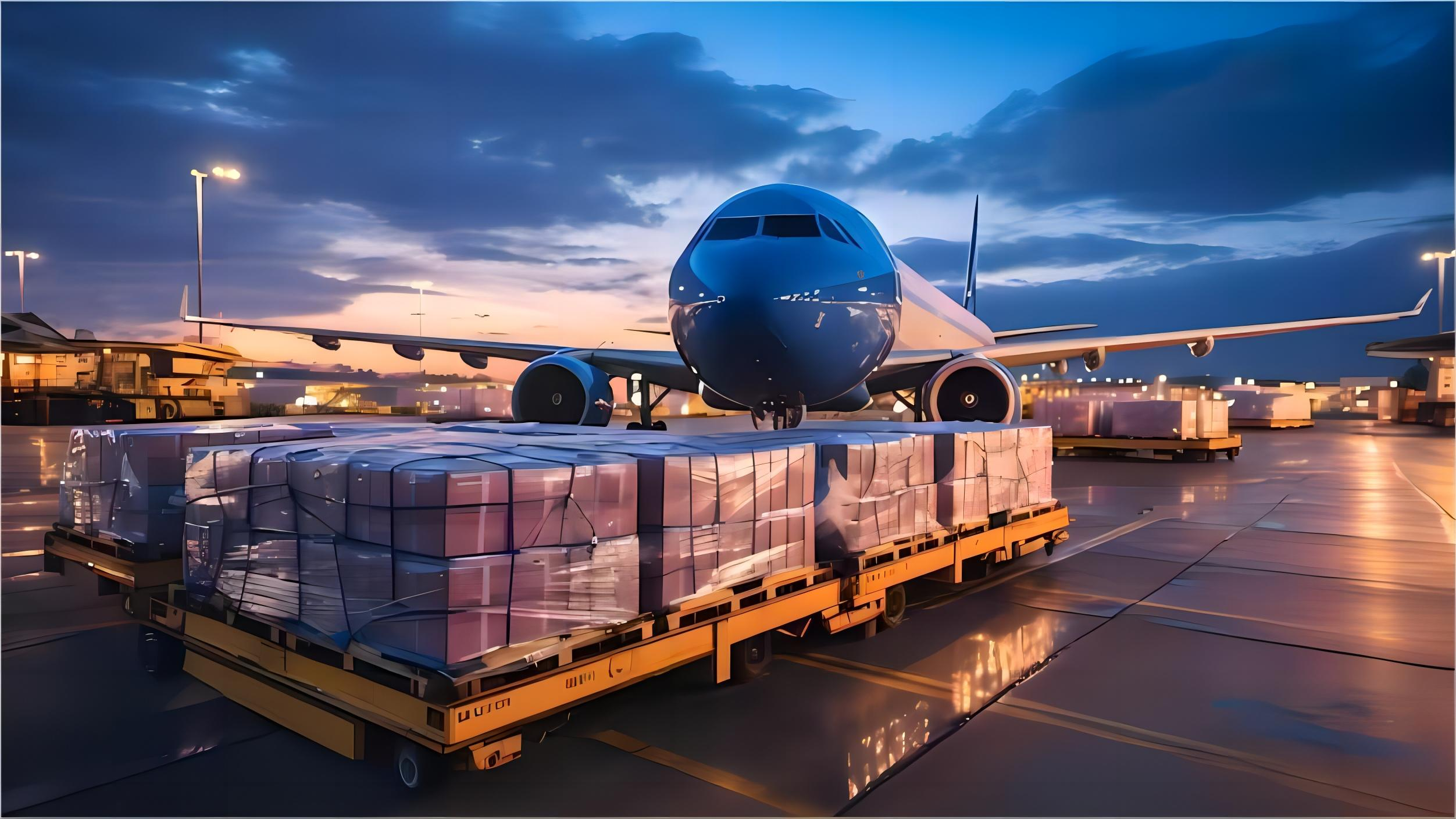
Reducing your overall shipping costs requires a combination of smart planning and strategic partnerships. For example, consolidating multiple supplier orders into a single shipment can significantly lower your per-unit transport cost. Additionally, optimizing your packaging to minimize dead space within containers is a simple yet effective way to save money. Furthermore, many businesses now use Amazon FBA logistics to handle regional distribution efficiently.
Timing your shipments to avoid peak season surcharges is another vital strategy. Rates typically increase by 15 percent to 25 percent during the August to October period due to holiday demand. Consequently, booking your space several weeks in advance can help you lock in lower rates. Moreover, consider hybrid solutions like sea-air combinations for a balance between cost and speed. Indeed, these creative approaches can give you a competitive edge in your market.
Understanding Transit Times by Destination in 2026
Transit time predictability has become a major focus for global logistics providers this year. While sea transit remains the slowest mode, new fast-ship services have reduced the gap for certain routes. For instance, direct services from China to the US West Coast now average 14 to 18 days. In contrast, shipments to the East Coast via the Panama Canal can still take up to 35 days. Accordingly, your geographic location significantly impacts your delivery schedule.
European routes have seen stabilized transit times following the resolution of previous maritime disruptions. Most shipments from major Chinese hubs reach Northern European ports in approximately 30 to 38 days. Meanwhile, rail freight offers a middle ground for inland European cities, providing delivery in about 20 days. Therefore, you should evaluate all available transport corridors to find the optimal balance for your specific needs.
| Destination | Port of Loading | Transit (Sea) | Transit (Air) |
|---|---|---|---|
| Los Angeles, USA | Shenzhen | 16 Days | 4-6 Days |
| Hamburg, Germany | Ningbo | 32 Days | 5-7 Days |
| Sydney, Australia | Shanghai | 18 Days | 3-5 Days |
| London, UK | Qingdao | 36 Days | 5-8 Days |
Mastering Global Logistics in 2026
Successfully managing international trade requires a deep understanding of the china logistics company door to door global freight forwarding shipping service landscape. By selecting the right transport mode and a reliable partner, you can ensure your goods arrive safely and on time. Furthermore, staying informed about market trends and customs regulations will protect your business from unnecessary costs.
Indeed, the right logistics strategy is a key driver of growth in the modern global economy. Whether you choose sea, air, or rail, the goal remains the same: efficient and reliable delivery. Therefore, prioritize transparency and expertise when choosing your next freight forwarding partner to achieve long-term success.
Ready to streamline your logistics?
Ready to streamline your supply chain with a professional china logistics company door to door global freight forwarding shipping service? Contact our expert team today for a customized quote and experience hassle-free international shipping. Visit our inquiry page to get started. Visit: https://globalchinaforwarder.com/contact-us/
Request Quote