

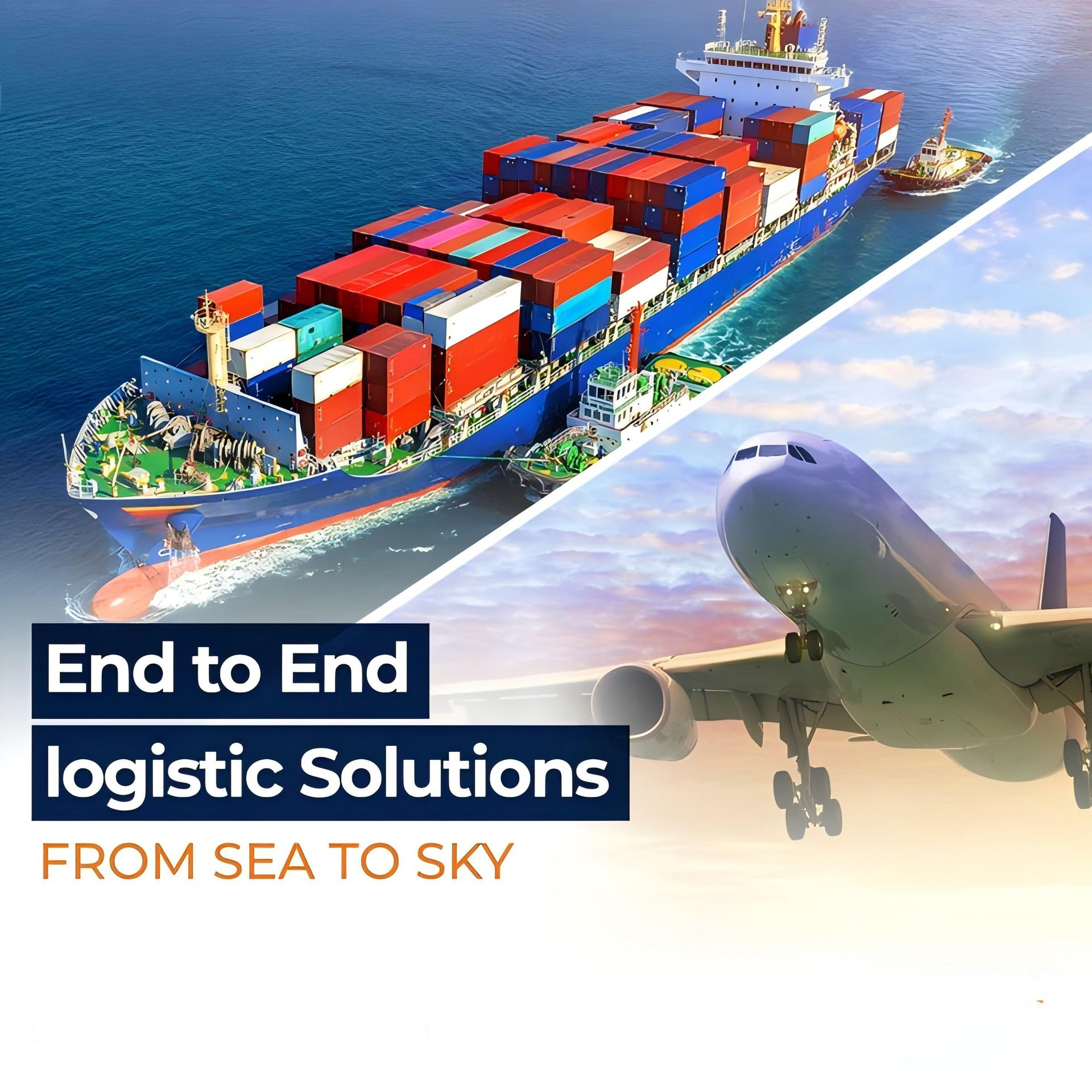
China Freight Forwarder Global Shipping Company Door to Door Solutions 2026
Finding a reliable china freight forwarder global shipping company door to door is essential for maintaining a competitive edge in the 2026 market. Moreover, the complexity of international logistics requires a partner who can manage everything from factory pickup to final delivery. This guide provides comprehensive insights into current freight trends, cost-saving strategies, and efficient transit solutions for global importers.
How Does Sea Freight Compare to Other Shipping Options?
Evaluating different transport modes is the first step in optimizing your supply chain costs. Consequently, businesses often choose sea freight for its balance of high capacity and lower pricing. However, the choice depends heavily on your specific timeline and budget constraints. Furthermore, market conditions in early 2026 show that sea routes have stabilized after previous global disruptions.
Shipping by sea remains the backbone of international trade for heavy or bulky items. Additionally, it offers the lowest carbon footprint per ton of cargo compared to air transport. Meanwhile, businesses must account for longer lead times when planning their inventory cycles. Therefore, booking in advance is a critical strategy for avoiding peak season surcharges.
| Shipping Method | Cost Range | Transit Time | Best For | Limitations |
|---|---|---|---|---|
| Sea Freight | $1,500 – $6,000 | 14 – 45 Days | Bulk Goods | Slow Speed |
| Air Freight | $5 – $12 per kg | 3 – 7 Days | Urgent Items | High Cost |
| Rail Freight | $100 – $180/CBM | 18 – 25 Days | Mid-Budget | Fixed Routes |
| Express | $8 – $20 per kg | 2 – 5 Days | Small Parcels | Size Limits |

Why Choose a China Freight Forwarder Global Shipping Company Door to Door?
Choosing a door to door service eliminates the stress of managing multiple logistics providers. Indeed, a single point of contact simplifies the entire communication process from origin to destination. Furthermore, this model ensures that the forwarder takes full responsibility for every leg of the journey. Consequently, you face fewer risks of cargo delays or hidden fees at the port.
Professional forwarders handle all the heavy lifting including trucking, warehousing, and final delivery. Moreover, they leverage their networks to secure better rates than individual shippers could obtain. Additionally, these companies provide real-time tracking so you always know the status of your inventory. As a result, your business can maintain a more predictable delivery schedule for customers.
Understanding Air Freight and Sea Freight Costs in 2026
Market data suggests that sea freight rates for 2026 are influenced by fuel prices and port efficiency. For example, shipping a 40HQ container from China to the US West Coast typically ranges between $2,800 and $3,800. In contrast, shipping to the East Coast can cost significantly more due to longer transit times. Therefore, choosing the right port of entry is a vital cost-saving decision.
Using air freight is often necessary for high-value electronics or seasonal fashion items. Although the costs are higher, the speed allows for faster capital turnover and reduced warehousing needs. Nevertheless, most companies use a hybrid approach to balance their logistics expenses. Consequently, they ship urgent stock by air while sending the bulk of their inventory by sea.
Note: Freight rates are subject to change based on fuel costs, carrier capacity, and seasonal demand. Contact us for a current quote tailored to your specific shipment.
Navigating Customs Brokerage and Compliance
Successful importing requires strict adherence to international trade regulations and local laws. For instance, a customs brokerage expert can help you navigate complex tariff codes and duty calculations. Furthermore, incorrect documentation often leads to expensive port storage fees or cargo seizures. Accordingly, investing in professional compliance services is a wise preventative measure.
Digital customs filing has become the standard across most major global ports in 2026. Moreover, forwarders now use automated systems to ensure all paperwork is submitted before the vessel arrives. Additionally, staying updated on changing trade agreements between China and Western nations is essential. Therefore, your forwarder must be proactive in monitoring legislative shifts that affect your costs.
Case Study 1: Electronics Shipment to North America
Route: Shenzhen, China to Los Angeles, USA. Cargo: Consumer Smartphones, 18 CBM, 4500 kg. Container: LCL shipment. Shipping Details: Major carrier via direct route. Port of Loading: Shenzhen. Port of Discharge: Los Angeles. Cost Breakdown: Ocean Freight $1,200; Origin Charges $350; Destination Charges $450; Customs and Duties $2,100; Total Landed Cost $4,100. Timeline: Booking to Loading 3 days; Sea Transit 16 days; Customs Clearance 2 days; Total Door-to-Door 21 days. Key Insight: Utilizing a direct route saved 5 days compared to transshipment options.
Shipping to North America remains a high-volume route with frequent departures. However, port congestion during peak months can still impact the total delivery schedule. Consequently, shippers should plan for a 10 percent buffer in their transit time estimates. Indeed, this case shows that early booking secured a competitive rate during the Q1 2026 period.
Case Study 2: Industrial Machinery to Europe
Route: Ningbo, China to Hamburg, Germany. Cargo: Industrial Lathes, 28 CBM, 8000 kg. Container: 20GP. Shipping Details: COSCO via direct route. Port of Loading: Ningbo. Port of Discharge: Hamburg. Cost Breakdown: Ocean Freight $2,200; Origin Charges $400; Destination Charges $550; Customs and Duties $1,800; Total Landed Cost $4,950. Timeline: Booking to Loading 4 days; Sea Transit 32 days; Customs Clearance 3 days; Total Door-to-Door 40 days. Key Insight: FCL was more cost-effective than LCL for this specific volume.
Expanding your reach into Europe requires careful planning of inland transportation after the ship docks. Furthermore, rail connections from major ports like Hamburg provide efficient access to landlocked countries. Additionally, the 2026 market shows a trend toward greener logistics solutions in the European sector. Therefore, many shippers are opting for carriers with modern, fuel-efficient fleets.
The Role of Rail Freight in Modern Logistics
Utilizing rail freight has become an increasingly popular middle-ground solution for Eurasian trade. Specifically, it offers a faster transit time than sea freight at a fraction of the cost of air transport. Moreover, the stability of rail schedules makes it an attractive option for consistent supply chain planning. Consequently, many businesses are shifting their mid-priority cargo to rail networks.
Rail routes connect major Chinese manufacturing hubs directly to central European distribution centers. However, this option is not available for routes to Australia or North America due to geographical constraints. Additionally, rail freight provides a more environmentally friendly alternative to traditional trucking for long distances. As a result, it is becoming a staple for companies with strict sustainability targets in 2026.
Which Option Should You Choose? Decision Framework
Budget priority dictates that sea freight is your primary choice for non-urgent inventory. If your goal is to minimize costs, look for LCL options for smaller volumes or FCL for larger shipments. On the other hand, speed priority requires air freight or express services to meet tight deadlines. Furthermore, consider the nature of your cargo, as hazardous or oversized items have specific shipping requirements.
Volume thresholds often determine when it is time to switch from LCL to FCL shipping. Typically, if your cargo exceeds 15 CBM, a full 20GP container becomes more economical than paying by the cubic meter. Moreover, door to door services are highly recommended for those who lack a dedicated in-house logistics team. Therefore, your choice should align with your operational capacity and total landed cost objectives.
Logistics Trends and Market Intelligence for 2026
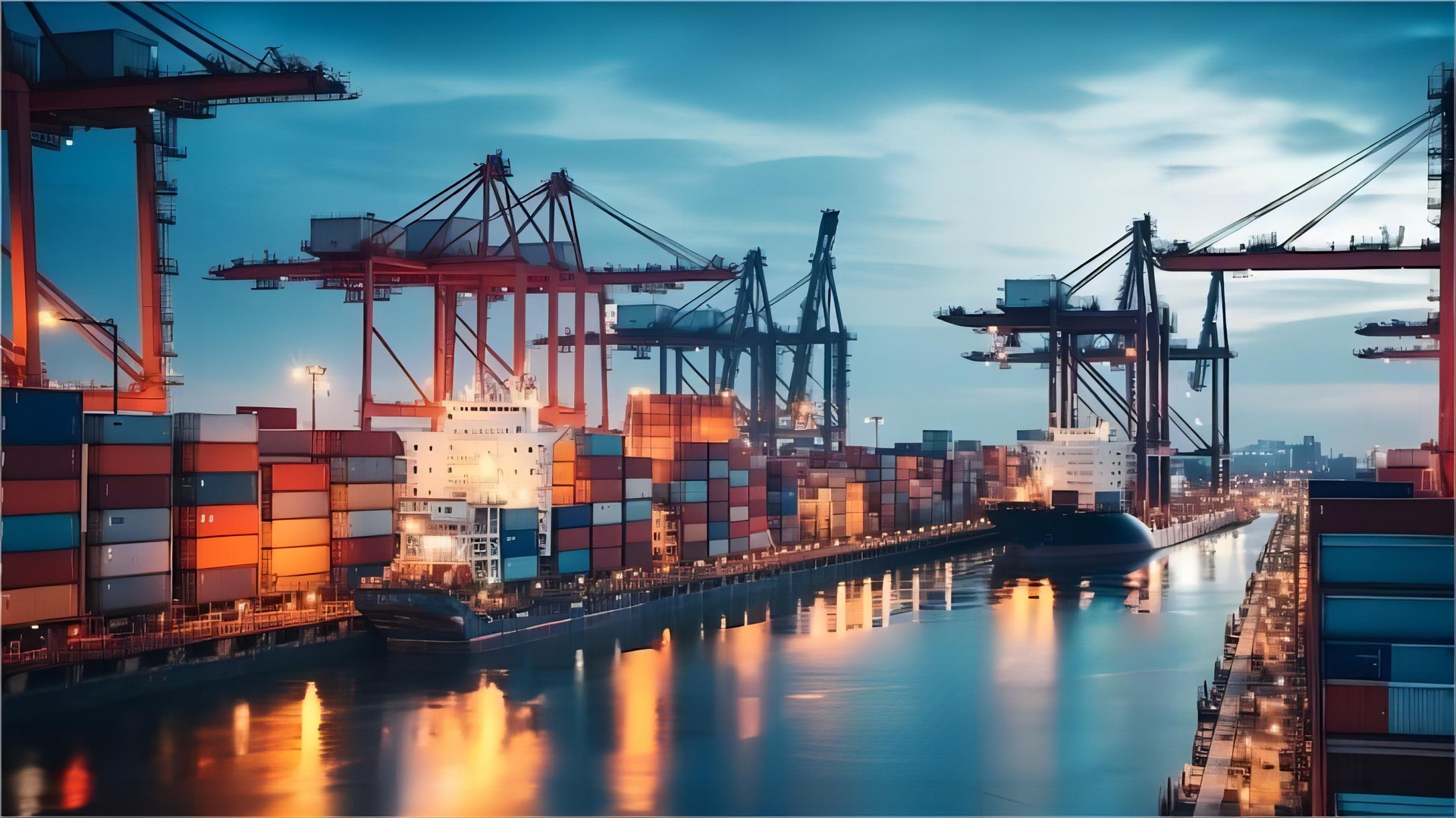
According to industry benchmarks, the integration of AI in cargo handling has improved port efficiency by 15 percent this year. Additionally, blockchain technology is being used more frequently to secure documentation and reduce fraud in global trade. Furthermore, freight rates from China to Europe have stabilized after the 2025 Red Sea disruptions, providing more predictability for importers. Consequently, businesses can now plan their 2026 budgets with higher confidence.
Seasonal patterns still play a major role in pricing, with rates typically increasing 15 to 25 percent during the August to October peak season. Moreover, the shift toward sustainable fuels is starting to impact base freight rates as carriers invest in newer technologies. Nevertheless, the overall supply chain environment remains robust for those who partner with experienced forwarders. As a result, staying informed about these trends is crucial for long-term success.
Final Thoughts on Global Shipping from China
Successfully managing international trade requires a deep understanding of the china freight forwarder global shipping company door to door process. By selecting the right shipping method and staying informed about 2026 market trends, you can significantly reduce your overhead. Furthermore, partnering with a professional logistics provider ensures that your goods arrive safely and on time. Consequently, your business will be better positioned to thrive in the competitive global marketplace.
Get Your Shipping Quote Today
Ready to streamline your supply chain with a trusted china freight forwarder global shipping company door to door? Contact us today to receive a customized quote and optimize your logistics strategy for 2026. Visit our website to get started: https://globalchinaforwarder.com/ Send Inquiry link:
Request Quote