

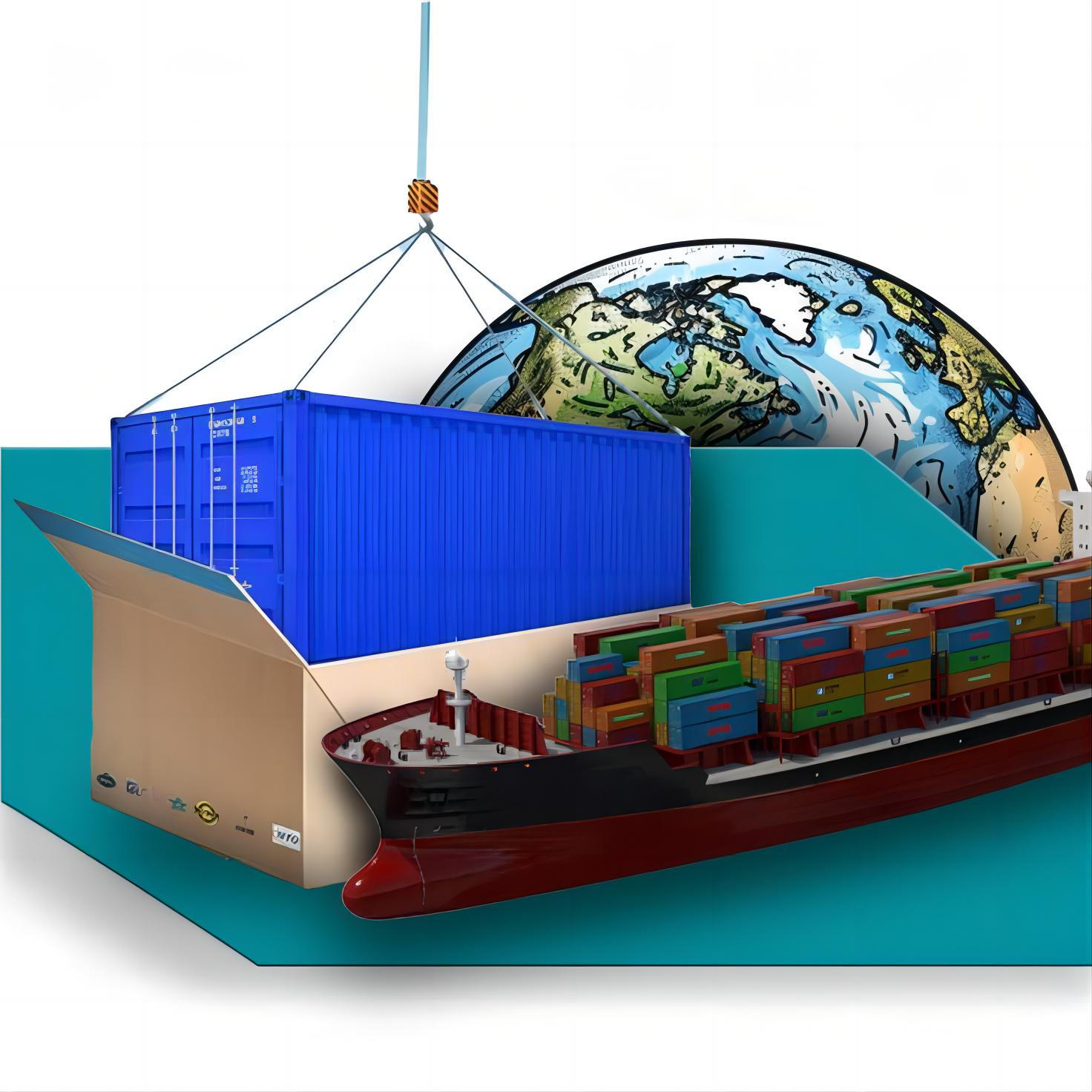
China Freight Forwarder Global Logistics Company Door to Door Service: 2026 Guide
Navigating the complexities of international trade requires a robust partner to manage high-volume supply chains efficiently. Choosing a reliable China freight forwarder global logistics company door to door service ensures your cargo moves seamlessly from the factory floor to the final destination without unnecessary delays. This comprehensive guide explores how to optimize your shipping strategy in 2026, helping you overcome logistical hurdles while maintaining a competitive edge in the global marketplace.
What is a China Freight Forwarder Global Logistics Company Door to Door Service?
Modern international shipping has evolved beyond simple port-to-port transport into a fully integrated solution that manages every touchpoint of the journey. A professional door to door logistics provider handles everything from the initial pickup at the manufacturer in China to the final delivery at your warehouse or retail location.
Moreover, this service model eliminates the need for importers to coordinate with multiple third-party vendors, such as local trucking companies, customs brokers, and ocean carriers. Consequently, businesses can focus on their core operations while the logistics partner manages the intricate details of cargo handling and international compliance.
Furthermore, by centralizing the responsibility under one entity, you reduce the risk of communication gaps that often lead to costly storage fees or shipment delays. Therefore, this streamlined approach has become the preferred choice for companies looking to simplify their global supply chain management in 2026.
Why Choose Door to Door Logistics in 2026?
Global trade conditions in 2026 demand higher levels of agility and transparency than ever before. Choosing an integrated service allows for real-time tracking and unified billing, which significantly improves financial planning and inventory management. Additionally, these providers leverage established networks to secure better freight rates even during peak seasons.
Indeed, the primary advantage lies in the reduction of transit time through optimized routing and pre-cleared customs documentation. Meanwhile, professional forwarders utilize advanced logistics software to predict potential disruptions, allowing them to reroute shipments before bottlenecks occur at major transit hubs.
Without a doubt, the peace of mind offered by a comprehensive service is invaluable for both small businesses and large enterprises. Consequently, the shift toward end-to-end solutions reflects a broader trend in the industry where efficiency and reliability are prioritized over the lowest possible base freight cost.
Comparing Shipping Methods: Finding Your Best Fit
Selecting the right transportation mode is a critical decision that impacts both your bottom line and your customer satisfaction levels. While sea freight remains the most economical choice for large volumes, it requires careful planning due to longer transit times. On the other hand, air freight offers unparalleled speed for high-value or time-sensitive cargo.
Furthermore, multimodal strategies are gaining popularity as they balance cost and speed effectively. For example, a combination of sea and air transport can reduce costs by 30 percent compared to pure air freight while still arriving much faster than standard ocean shipping. Accordingly, businesses must evaluate their specific cargo needs against current market trends.
| Shipping Method | Average Cost | Transit Time | Best For |
|---|---|---|---|
| Sea Freight (FCL) | $2,500 – $4,500 | 25 – 40 Days | Large bulk shipments |
| Air Freight | $5.00 – $9.00/kg | 3 – 7 Days | High-value electronics |
| Rail Freight | $1,200 – $2,200 | 15 – 22 Days | Mid-range budget/speed |
| Express Service | $8.00 – $15.00/kg | 2 – 4 Days | Samples and small parcels |
How Does Door to Door Compare to Other Shipping Options?
Understanding the differences between incoterms like FOB, CIF, and DDP is essential for any importer. While port-to-port shipping might appear cheaper on an initial quote, it often hides secondary costs such as destination terminal handling charges and local delivery fees. In contrast, a door to door service provides an all-inclusive price that covers the entire journey.
Consequently, the total landed cost is often more predictable with a full-service logistics provider. For instance, using rail freight as part of a door-to-door solution to Europe can offer a stable alternative to fluctuating ocean rates. However, each business must weigh the convenience of a managed service against the granular control of handling individual legs of the journey.
| Service Level | Cost Range | Transit Time | Management Effort |
|---|---|---|---|
| Port to Port | Low to Medium | Standard | Very High |
| Door to Door | Medium to High | Optimized | Very Low |
| DDP Shipping | High (Inclusive) | Fastest | Minimal |
| LCL Consolidation | Economic | Variable | Medium |
Strategic Advantages for E-commerce and Amazon Sellers
E-commerce businesses operating in 2026 face intense competition and demand for rapid fulfillment. Utilizing specialized services like Amazon FBA shipping ensures that products are prepared, labeled, and delivered according to strict warehouse requirements. Moreover, a China freight forwarder global logistics company door to door service can manage the entire preparation process at the source.
In addition, this strategy reduces the need for domestic warehousing in the destination country, lowering overhead costs. Therefore, by shipping directly from the factory to the fulfillment center, sellers can maintain leaner inventory levels and respond more quickly to market demand. Consequently, this integrated model has become a cornerstone for successful international e-commerce scaling.
Navigating Customs and Compliance in 2026
Customs regulations are constantly shifting, and 2026 is no exception with new environmental and digital trade standards. A professional logistics partner provides essential expertise in navigating these complex legal frameworks to avoid penalties. Specifically, they ensure that all HS codes are accurate and that all necessary import permits are in place before the cargo leaves China.
Furthermore, having a dedicated agent handle the documentation reduces the likelihood of shipments being flagged for inspection. Indeed, the cost of a single day of port storage can often exceed the fee for professional customs brokerage. As a result, investing in compliance is a proactive way to protect your profit margins and maintain a reliable delivery schedule.
| Document Type | Purpose | Required For | Responsibility |
|---|---|---|---|
| Commercial Invoice | Value Declaration | All Shipments | Shipper/Forwarder |
| Packing List | Cargo Details | All Shipments | Shipper |
| Bill of Lading | Title of Goods | Ocean/Rail | Carrier |
| Certificate of Origin | Duty Calculation | Specific Trade Deals | Shipper |
Realistic Case Studies: Global Logistics in Action
Examining real-world scenarios provides clarity on how a China freight forwarder global logistics company door to door service operates in practice. These cases illustrate the balance between cost, speed, and reliability in the current 2026 market environment. Note: Freight rates are subject to change based on fuel costs, carrier capacity, and seasonal demand.
Case Study 1: Electronics from Shenzhen to Los Angeles
Route: Shenzhen, China to Los Angeles, USA. Cargo: Consumer Electronics, 28 CBM, 4500 kg. Container: 40GP. Shipping Details: Major ocean carrier via direct route. Port of Loading: Shenzhen. Port of Discharge: Los Angeles. Cost Breakdown: Ocean Freight: $3,200. Origin Charges: $450. Destination Charges: $600. Customs and Duties: $1,200. Total Landed Cost: $5,450. Timeline: Booking to Loading: 4 days. Sea Transit: 16 days. Customs Clearance: 2 days. Total Door-to-Door: 25 days. Key Insight: Choosing a direct sea route saved 10 days compared to transshipment options, which was critical for a product launch.
Case Study 2: Apparel from Ningbo to Hamburg
Route: Ningbo, China to Hamburg, Germany. Cargo: Seasonal Apparel, 8 CBM, 1200 kg. Container: LCL. Shipping Details: Rail freight service via the New Silk Road. Port of Loading: Ningbo (via rail hub). Port of Discharge: Hamburg. Cost Breakdown: Rail Freight: $1,850. Origin Charges: $300. Destination Charges: $400. Customs and Duties: $950. Total Landed Cost: $3,500. Timeline: Booking to Loading: 5 days. Rail Transit: 18 days. Customs Clearance: 3 days. Total Door-to-Door: 28 days. Key Insight: Rail freight provided a middle ground between expensive air freight and slower sea routes during the Q4 peak season.
Which Option Should You Choose? Decision Framework
Deciding on the best logistics strategy requires a clear understanding of your business priorities. If your primary goal is budget optimization, sea freight remains the gold standard for high-volume goods. However, if speed is the priority for high-demand items, air freight is the only viable solution despite the higher costs.
Moreover, consider the volume thresholds where methods become more economical. For instance, shipments under 15 CBM are typically better suited for LCL, whereas larger volumes justify a full container. Additionally, always factor in the reliability of the carrier and the potential for seasonal rate spikes when planning your annual logistics budget.
Cost-Saving Strategies and Market Intelligence
Reducing shipping costs in 2026 requires a proactive approach to supply chain planning. One effective strategy is consolidating multiple small orders into a single FCL shipment to reduce per-unit transportation costs. Furthermore, booking shipments at least 3-4 weeks in advance can help secure lower rates before capacity tightens during peak periods.
Meanwhile, staying informed about global logistics trends, such as port congestion or fuel surcharges, allows you to adjust your strategy before costs escalate. In addition, working with a forwarder that offers flexible warehousing can help you avoid expensive demurrage fees by providing a temporary storage solution. Consequently, a well-planned logistics strategy is a powerful tool for maintaining healthy margins in a volatile market.
Mastering Global Logistics in 2026
Successfully managing international trade requires more than just moving goods; it requires a strategic partnership with a China freight forwarder global logistics company door to door service. By understanding the various shipping methods, staying compliant with customs, and leveraging market data, businesses can build a resilient supply chain.
Indeed, the transition to integrated logistics solutions represents the future of global commerce. Whether you are shipping bulk industrial goods or delicate consumer electronics, the right partner will ensure your cargo arrives safely and on time. Therefore, prioritize reliability and end-to-end visibility to ensure your business thrives in the years to come.
Ready to streamline your logistics?
Streamline your supply chain today with a professional China freight forwarder global logistics company door to door service. Contact our experts now to receive a customized quote and optimize your international shipping strategy for 2026. Visit our inquiry page to get started: https://globalchinaforwarder.com/contact/
Request Quote