

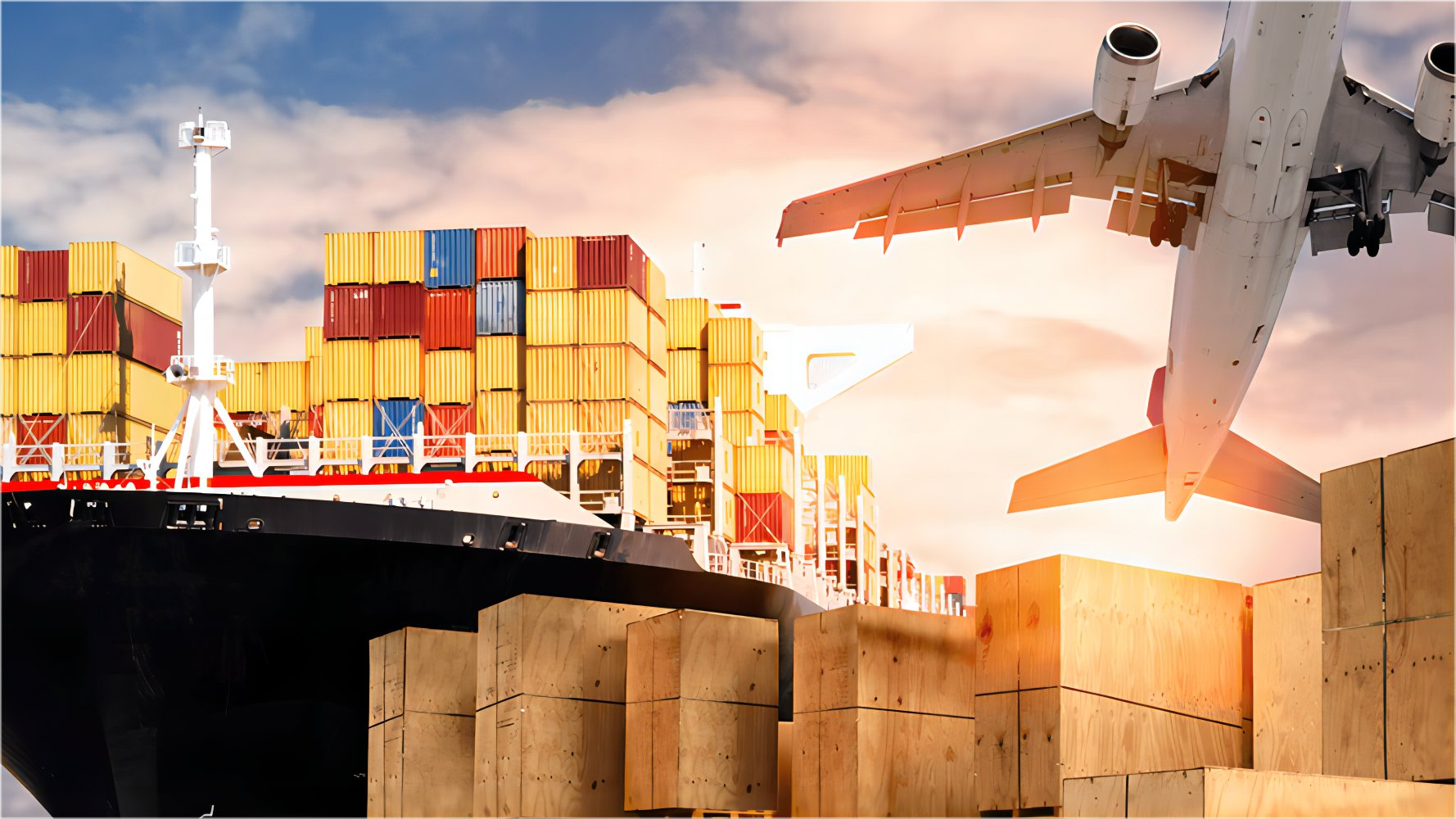
China Door to Door Shipping Logistics Company Worldwide 2026
Finding a reliable China door to door shipping logistics company worldwide is essential for businesses looking to streamline their international trade operations in 2026. By partnering with Global China Forwarder, you can overcome common supply chain bottlenecks and ensure your goods arrive safely at their final destination. This guide provides a detailed analysis of end-to-end logistics solutions, current market trends, and cost-saving strategies for global importers.
Why Choose a China Door to Door Shipping Logistics Company Worldwide?
Modern businesses face significant challenges when managing international logistics independently across multiple time zones and jurisdictions. Choosing a dedicated China door to door shipping logistics company worldwide allows you to consolidate all shipping stages into a single point of contact. Consequently, this reduces the administrative burden on your team and minimizes the risk of communication errors between different carriers.
Efficiency remains the primary benefit of this comprehensive service model. Instead of coordinating with separate trucking companies, customs brokers, and ocean carriers, you receive a seamless solution from factory pickup to final delivery. Moreover, professional logistics providers leverage their established networks to secure better rates and more reliable transit windows than individual shippers could obtain.
Risk management is another critical factor in the 2026 shipping environment. Experienced forwarders understand the nuances of international regulations and can proactively address potential delays at busy ports. Furthermore, they provide integrated insurance options that protect your capital investment throughout the entire journey, regardless of the destination country.
Scalability becomes much easier when you have a robust logistics partner. As your business grows, your shipping needs will naturally become more complex and demanding. Therefore, having a provider that can handle small LCL shipments today and full container loads tomorrow is vital for long-term success in the global marketplace.
Understanding the 2026 Global Logistics Landscape
Global trade dynamics have evolved significantly as we enter 2026. While the disruptions of previous years have largely stabilized, new logistics trends are emerging that affect how cargo moves from China to the rest of the world. For instance, digital tracking and AI-driven route optimization have become standard requirements for any competitive logistics company.
Environmental regulations are also playing a larger role in shipping costs and schedules. Many carriers are now implementing green surcharges to comply with international carbon emission standards. Accordingly, businesses must factor these environmental costs into their overall supply chain budgets when planning for the upcoming fiscal year.
Port infrastructure across North America and Europe has seen major upgrades to handle larger vessels and higher volumes. Meanwhile, Southeast Asian hubs continue to grow as vital transshipment points for goods originating in China. Indeed, staying informed about these geographic shifts helps you choose the most efficient routes for your specific cargo types.
Labor markets in the logistics sector remain tight, leading to increased automation in warehouses and terminals. Consequently, companies that utilize high-tech providers often experience faster processing times and fewer manual handling errors. This technological edge is a key differentiator for top-tier logistics firms in the current market.
How Does Door to Door Shipping Compare to Other Options?
Selecting the right shipping method requires a careful balance between cost, speed, and convenience. Door to door service is often compared to door-to-port or port-to-port arrangements, which may appear cheaper initially but often involve hidden complexities. For example, managing the final mile delivery in a foreign country can be surprisingly expensive and difficult without local expertise.
Objective analysis shows that while door to door services carry a higher upfront service fee, they frequently lower the total landed cost. This happens because a single provider can optimize the entire route and avoid the overlapping fees charged by multiple independent contractors. In contrast, piecemeal shipping often results in unexpected storage charges and detention fees at the destination port.
Hybrid solutions have also gained popularity for businesses looking to balance different priorities. You might choose sea-air combinations or rail-sea routes depending on the specific urgency of your inventory needs. Nevertheless, the door to door framework remains the most reliable way to ensure consistency across all these varied transport modes.
| Shipping Method | Cost Range | Transit Time | Best For |
|---|---|---|---|
| Sea Freight (FCL) | Low to Medium | 18 to 45 Days | Bulk goods and large volumes |
| Air Freight | High | 3 to 7 Days | High-value or urgent items |
| Rail Freight | Medium | 15 to 22 Days | Shipments to Europe and Central Asia |
| Express Service | Very High | 2 to 5 Days | Small parcels and samples |
Key Services Offered by a Leading Logistics Provider
Comprehensive logistics companies provide a wide array of specialized services to meet diverse business requirements. For large-scale shipments where cost is the primary concern, sea freight remains the most economical choice for global distribution. This service includes both Full Container Load (FCL) and Less than Container Load (LCL) options to accommodate various shipment sizes.
Urgent shipments require the speed and reliability of air freight solutions. This is particularly important for industries like electronics or fashion where time-to-market is a critical competitive advantage. Moreover, air transport offers enhanced security for high-value goods that need to move quickly across continents.
E-commerce sellers often rely on specialized Amazon FBA logistics to manage their inventory flow directly into fulfillment centers. This service simplifies the complex requirements of labeling, palletizing, and scheduling deliveries according to strict platform guidelines. Consequently, sellers can focus on marketing and sales while the logistics company handles the heavy lifting.
Navigating the complexities of international trade laws is made easier with professional customs brokerage services. Expert brokers ensure that all documentation is accurate and that duties are calculated correctly to avoid costly penalties. Furthermore, they stay updated on changing trade agreements and tariff structures that could impact your bottom line.
The ultimate convenience is found in a dedicated door to door service package. This all-inclusive option covers every step from the supplier’s warehouse in China to the final recipient’s address anywhere in the world. Indeed, it represents the gold standard for stress-free international shipping in 2026.
Cost Analysis: 2026 Freight Rates and Hidden Fees
Understanding the components of your shipping quote is essential for accurate financial planning. Freight rates are influenced by several variables including fuel prices, seasonal demand, and carrier capacity. For instance, rates typically increase by 15-25 percent during the peak season from August to October as retailers prepare for holiday sales.
Beyond the base ocean or air freight charges, you must account for origin and destination fees. These often include terminal handling charges, documentation fees, and local trucking costs. Additionally, customs duties and taxes are calculated based on the HS code and declared value of your goods, which can significantly impact the total landed cost.
Market data suggests that 2026 rates have remained relatively stable compared to the volatility seen in previous years. However, it is always wise to obtain a current quote that reflects the most recent fuel surcharges and port conditions. Note: Freight rates are subject to change based on fuel costs, carrier capacity, and seasonal demand. Contact us for a current quote tailored to your specific shipment.
| Route | 20GP Container | 40HQ Container | Avg. Transit |
|---|---|---|---|
| China to USA West | $1,600 – $2,300 | $2,900 – $3,900 | 14-18 Days |
| China to Europe | $1,900 – $2,600 | $3,100 – $4,300 | 28-35 Days |
| China to Australia | $850 – $1,300 | $1,500 – $2,100 | 12-18 Days |
| China to UK | $2,100 – $2,900 | $3,600 – $4,600 | 30-38 Days |
Real Case Studies: Successful Global Shipments
Reviewing real-world examples helps illustrate the practical application of door to door logistics. These cases demonstrate how professional management can overcome common challenges and deliver results across different industries and destinations. Each scenario reflects typical market conditions and pricing observed in early 2026.
Package Case Study 1: High-Volume Electronics to Los Angeles Route: Shenzhen, China to Los Angeles, USA Cargo: Consumer Electronics, 25 CBM, 4,500 kg Container: 40GP Shipping Details: – Carrier: Major Trans-Pacific Carrier – Port of Loading: Shenzhen – Port of Discharge: Los Angeles – Route Type: Direct Cost Breakdown: – Ocean Freight: $2,850 – Origin Charges: $450 – Destination Charges: $650 – Customs and Duties: $1,200 – Total Landed Cost: $5,150 Timeline: – Booking to Loading: 3 days – Sea Transit: 15 days – Customs Clearance: 2 days – Total Door-to-Door: 24 days Key Insight: Utilizing a direct route saved 5 days compared to transshipment options, ensuring the client met their product launch deadline.
Package Case Study 2: Industrial Machinery to Hamburg Route: Ningbo, China to Hamburg, Germany Cargo: Precision Lathes, 12 CBM, 8,000 kg Container: LCL Shipment Shipping Details: – Carrier: Major European Line – Port of Loading: Ningbo – Port of Discharge: Hamburg – Route Type: Transshipment via Singapore Cost Breakdown: – Ocean Freight: $1,100 – Origin Charges: $300 – Destination Charges: $550 – Customs and Duties: $900 – Total Landed Cost: $2,850 Timeline: – Booking to Loading: 5 days – Sea Transit: 32 days – Customs Clearance: 3 days – Total Door-to-Door: 45 days Key Insight: Careful crating and moisture protection were essential for this heavy machinery shipment during the longer transit through tropical zones.
Which Shipping Option Should You Choose?
Determining the best logistics strategy depends on your specific business priorities and cargo characteristics. If your primary goal is budget optimization, sea freight remains the undisputed leader for large volumes. On the other hand, if you are dealing with perishable goods or urgent stock replacements, the higher cost of air freight is a necessary investment.
Volume thresholds often dictate when it makes sense to switch from LCL to FCL shipping. Generally, if your shipment exceeds 15 CBM, booking a full 20GP container becomes more economical than paying per cubic meter for shared space. Furthermore, FCL shipments often experience faster transit times because they do not require consolidation or deconsolidation at the warehouse.
Cargo type also plays a significant role in your decision-making process. Hazardous materials or oversized equipment require specialized handling and may only be permitted on specific vessels or routes. Consequently, consulting with your logistics provider early in the planning phase is crucial to ensure all safety and regulatory requirements are met.
Essential Documentation for Smooth Customs Clearance
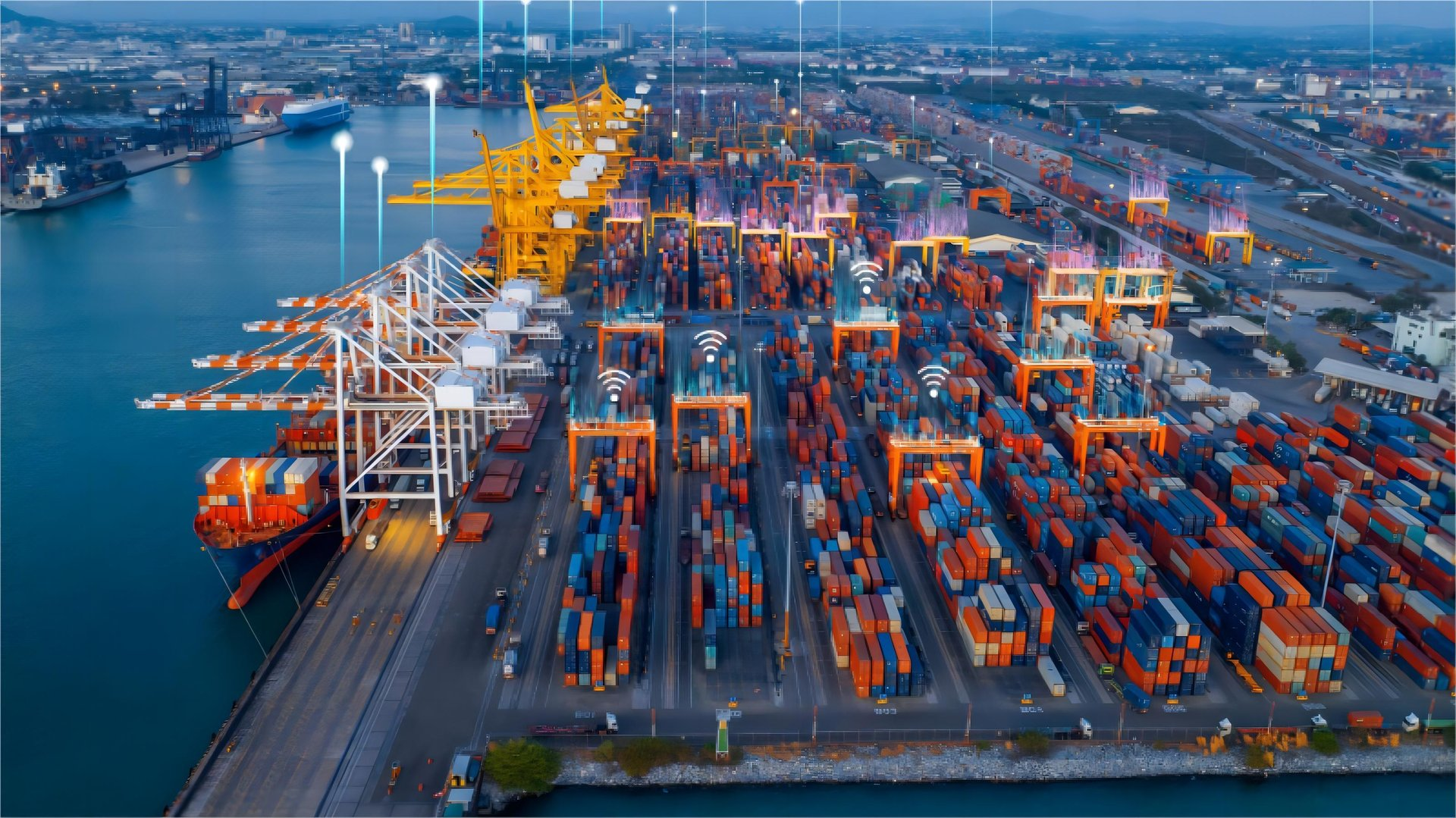
Accurate paperwork is the foundation of a successful international shipment. Missing or incorrect documents can lead to lengthy port delays, expensive storage fees, and potential legal issues. Therefore, it is vital to work closely with your supplier and your logistics company to ensure every form is completed correctly before the goods leave China.
The Commercial Invoice and Packing List are the most fundamental documents required for any shipment. These must clearly describe the goods, their value, and their physical dimensions. Additionally, the Bill of Lading serves as both a receipt for the cargo and a contract of carriage between the shipper and the carrier.
Specific products may require additional certifications such as a Certificate of Origin or specialized safety data sheets. In 2026, many customs authorities are moving toward fully digital documentation systems. Accordingly, using a forwarder with robust digital capabilities will help speed up the clearance process and reduce the risk of lost paperwork.
| Document Name | Purpose | Required For | Responsibility |
|---|---|---|---|
| Commercial Invoice | Value declaration | All Shipments | Supplier |
| Packing List | Physical details | All Shipments | Supplier |
| Bill of Lading | Title to goods | All Shipments | Carrier |
| Certificate of Origin | Tariff benefits | Specific Countries | Supplier/Broker |
Mastering Global Logistics in 2026
Successfully navigating international trade requires more than just moving goods from one point to another. It demands a strategic partnership with a professional China door to door shipping logistics company worldwide that understands the complexities of the modern market. By focusing on efficiency, cost-effectiveness, and reliable communication, you can build a resilient supply chain that supports your long-term business goals.
Remember to stay informed about changing freight rates and regulatory requirements as the global landscape continues to evolve. Whether you are shipping small parcels or massive industrial equipment, the right logistics provider will ensure your cargo arrives on time and within budget. Start optimizing your 2026 shipping strategy today to gain a competitive edge in the global marketplace.
Get Your Shipping Quote Today
Ready to simplify your global supply chain? Contact Global China Forwarder today to receive a personalized quote for your next shipment. Our team is standing by to help you find the most efficient China door to door shipping logistics company worldwide solution for your business. Visit our website to Send Inquiry and start your journey toward hassle-free international logistics. Visit: https://globalchinaforwarder.com/
Request Quote