

China Container Shipping Cost 20GP 40HC Global Freight Rates 2026
Navigating the complexities of international trade requires a clear understanding of china container shipping cost 20gp 40hc global freight rates to maintain profitability. Global China Forwarder provides comprehensive logistics solutions tailored to modern supply chain demands. Business owners must stay informed about fluctuating market trends to optimize their shipping budgets effectively. Indeed, the landscape of global logistics has shifted significantly as we enter 2026, making strategic planning more critical than ever before.
Understanding China Container Shipping Cost 20GP 40HC Global Freight Rates in 2026
Analyzing the current market reveals that shipping costs have reached a new equilibrium after the volatility of previous years. Shippers frequently ask about the specific differences between 20GP and 40HC units because these choices directly impact the bottom line. Consequently, selecting the right container size involves more than just measuring volume; it requires a deep dive into weight limits and carrier availability. Moreover, sea freight remains the backbone of global trade, offering the most economical way to move large volumes of goods across the ocean.
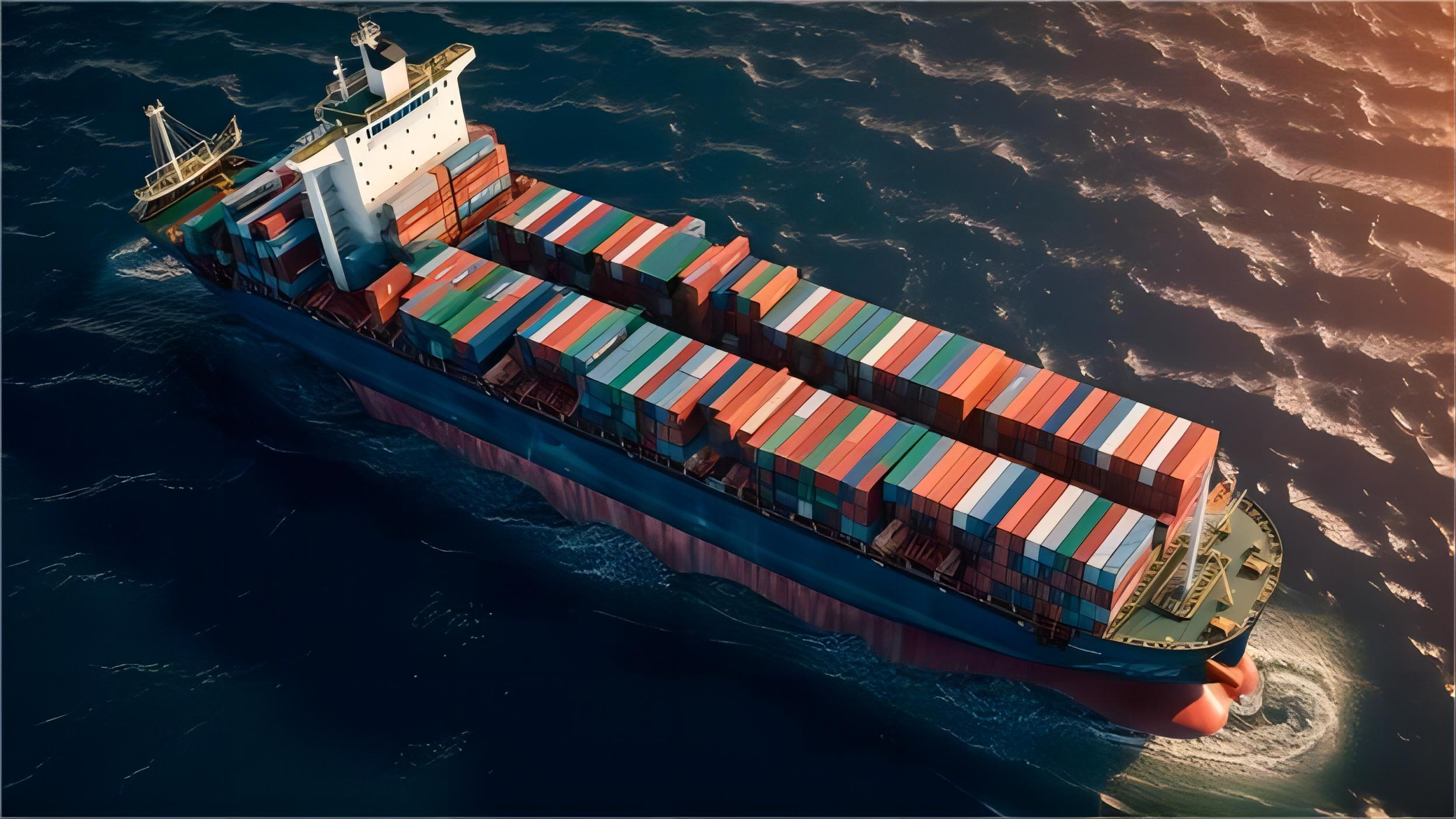
Furthermore, the 20GP container, or 20-foot General Purpose unit, serves as the standard for heavy, dense cargo such as machinery or minerals. In contrast, the 40HC or 40-foot High Cube container provides extra height, making it ideal for lighter, voluminous goods like furniture or electronics. Therefore, understanding the price gap between these two options is essential for accurate budgeting. Current market data suggests that while 40HC containers offer double the volume, their cost is often only 20 to 30 percent higher than a 20GP unit.

Factors Influencing Global Freight Rates for 20GP and 40HC Containers
Several variables determine the final price you pay for transporting goods from China to your destination. Fuel surcharges, also known as Bunker Adjustment Factors, fluctuate based on global oil prices and environmental regulations. Additionally, seasonal demand creates peak periods, such as the months leading up to the year-end holidays, where rates can spike by 25 percent or more. Meanwhile, carrier capacity and port congestion continue to play a pivotal role in daily pricing updates.
Indeed, the availability of empty containers in key Chinese hubs like Shanghai or Ningbo affects local spot rates significantly. For instance, if there is a shortage of 40HC units in Shenzhen, prices for that specific equipment type will rise regardless of the ocean freight base rate. On the other hand, geopolitical stability and trade agreements between nations can either streamline or complicate the logistics process. Consequently, importers must stay agile and work with experienced partners to navigate these shifting variables.
How Does Sea Freight Compare to Other Shipping Options?
While ocean transport is the most common method, it is not always the most suitable for every business need. For example, air freight offers unparalleled speed for high-value or time-sensitive shipments despite its higher cost. Alternatively, rail freight provides a middle ground for shipments moving between China and Europe, balancing cost and transit time effectively. Therefore, a comprehensive comparison is necessary to determine the best strategy for your specific cargo type.
Moreover, hybrid solutions like sea-air or rail-sea combinations are gaining popularity among savvy logistics managers. These methods allow businesses to save money while still meeting relatively tight delivery windows. However, each alternative comes with its own set of limitations, such as weight restrictions for air or geographic constraints for rail. To summarize, the choice depends on your budget, urgency, and the nature of the products being shipped.
| Sea Freight (20GP) | $1,500 – $3,500 | 18 – 45 Days | Bulk & Heavy Goods |
| Air Freight (Per KG) | $4.50 – $9.00 | 3 – 7 Days | Urgent & High Value |
| Rail Freight (40HC) | $4,000 – $7,000 | 15 – 22 Days | Mid-range Urgency |
| Express Service | $8.00 – $15.00 | 2 – 5 Days | Samples & Small Docs |
Key Shipping Routes and Regional Rate Variations
Shipping costs vary dramatically depending on the destination port and the specific trade lane involved. For shipments heading to North America, rates to the West Coast are generally lower and faster than those to the East Coast. This is because West Coast ports like Los Angeles require shorter ocean transits compared to the transit through the Panama Canal. Nevertheless, inland delivery costs from the port to the final warehouse must also be factored into the total landed cost.
Similarly, shipments to Europe face different challenges, including potential disruptions in the Suez Canal or Mediterranean routes. Rates to major hubs like Rotterdam or Hamburg remain competitive due to high volume, but smaller ports may incur additional feeder fees. Furthermore, the route to Australia is relatively shorter, yet it is subject to specific seasonal fluctuations and local port charges that can impact the final china container shipping cost 20gp 40hc global freight rates.
Optimizing Costs with Customs Brokerage and Strategic Planning
Navigating the legal requirements of international trade is just as important as choosing the right container. Professional customs brokerage ensures that your goods comply with all regulations, preventing costly delays and fines. For instance, incorrect tariff classifications can lead to overpayment of duties or even cargo seizure. Consequently, investing in expert documentation support is a cost-saving strategy in the long run.
Additionally, businesses should consider consolidating smaller shipments into a single container to reduce expenses. This practice, known as Less than Container Load (LCL), allows multiple shippers to share space, though it may increase transit time slightly. However, for those with enough volume to fill a container, Full Container Load (FCL) remains the most efficient method. Indeed, careful planning of your shipping schedule can help you avoid peak season surcharges and secure better contract rates with carriers.
Real Case Studies: China Container Shipping Cost Scenarios
Case Study 1: Electronics Distribution to North America. Route: Shenzhen, China to Los Angeles, USA. Cargo: Consumer Electronics, 65 CBM, 15,000 kg. Container: 40HC. Shipping Details: Major carrier, Direct route. Cost Breakdown: Ocean Freight: $3,400; Origin Charges: $400; Destination Charges: $550; Customs & Duties: $1,200. Total Landed Cost: $5,550. Timeline: 18 days door-to-port. Key Insight: Booking 3 weeks in advance during the Q1 lull saved the client 15% compared to spot rates.
Case Study 2: Textile Import to Europe. Route: Ningbo, China to Rotterdam, Netherlands. Cargo: Finished Apparel, 28 CBM, 8,000 kg. Container: 20GP. Shipping Details: Transshipment via Singapore. Cost Breakdown: Ocean Freight: $2,200; Origin Charges: $350; Destination Charges: $480; Customs & Duties: $900. Total Landed Cost: $3,930. Timeline: 35 days door-to-port. Key Insight: Choosing a transshipment route reduced costs by $400 compared to a direct service, fitting the client’s non-urgent schedule.
These scenarios demonstrate how door to door services can simplify the process for importers by handling all logistics stages. Without a doubt, having a single point of contact reduces the risk of communication errors between various service providers. As a result, many businesses are moving toward integrated logistics models to improve their supply chain visibility.
Decision Framework: Which Shipping Option Should You Choose?
Determining the best shipping method requires a balanced analysis of your priorities. If your primary goal is budget optimization, sea freight for FCL shipments is almost always the winner for large volumes. Conversely, if speed is the absolute priority to meet a product launch deadline, air freight is the necessary choice despite the expense. Shippers must also evaluate the nature of their cargo, as hazardous materials or oversized items may have limited options.
Specifically, if your shipment is between 15 and 20 CBM, you should compare the cost of a 20GP container against LCL rates. Often, the security and speed of having your own container outweigh the small savings of a shared space. Furthermore, for shipments destined for inland Europe, rail freight has become a highly reliable alternative to sea freight. Ultimately, the decision should align with your inventory turnover goals and customer expectations for delivery speed.
Mastering Global Freight Rates in 2026
To summarize, staying competitive in the global market requires a proactive approach to managing china container shipping cost 20gp 40hc global freight rates. By understanding the differences between container types and exploring alternative shipping methods, businesses can find the perfect balance between cost and speed. Moreover, partnering with a reliable forwarder ensures that your cargo moves smoothly through customs and across borders.
Indeed, the logistics world will continue to evolve, but the fundamentals of strategic planning and market awareness remain constant. Whether you are shipping to North America, Europe, or Australia, the insights provided in this guide serve as a foundation for your success. Start evaluating your 2026 shipping strategy today to secure the best possible rates and transit times for your cargo.
Need a tailored shipping solution?
Ready to optimize your supply chain and reduce your china container shipping cost 20gp 40hc global freight rates? Contact our expert team today for a personalized quote and professional logistics advice tailored to your 2026 business goals. Send Inquiry: https://globalchinaforwarder.com/