

China Freight Forwarder Amazon FBA Prep Warehouse Fulfillment Logistics Service USA
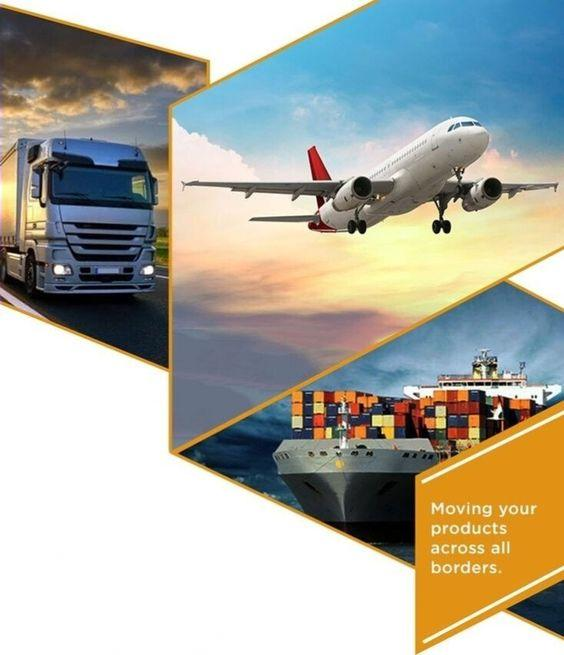
Navigating the complexities of international trade requires a reliable partner to manage your supply chain from factory to warehouse. At Global China Forwarder, we provide a specialized China freight forwarder Amazon FBA prep warehouse fulfillment logistics service USA designed to streamline your operations. Since the landscape of e-commerce is constantly evolving in 2026, businesses must adopt agile logistics strategies to maintain a competitive edge. This guide explores how integrated fulfillment solutions can reduce your overhead while ensuring your products meet Amazon strict compliance standards.
Why Choose a China Freight Forwarder Amazon FBA Prep Warehouse Fulfillment Logistics Service USA?
Managing an Amazon business involves more than just sourcing quality products from manufacturers. Furthermore, the logistical hurdles of moving goods across the Pacific involve intricate documentation and strict scheduling. Consequently, utilizing a comprehensive China freight forwarder Amazon FBA prep warehouse fulfillment logistics service USA allows sellers to focus on marketing rather than customs forms. This integrated approach ensures that every step of the journey is handled by professionals who understand the nuances of US import regulations.
Efficiency is the cornerstone of successful e-commerce fulfillment in 2026. Moreover, having a warehouse situated near your manufacturing hub in China significantly reduces the transit time for initial inspections. Therefore, you can identify quality issues before the goods leave the country, saving thousands in potential return costs. Additionally, these prep centers are equipped to handle labeling, kitting, and packaging according to Amazon specific requirements, ensuring your inventory is ready for immediate sale upon arrival.
Reliability in logistics translates directly to customer satisfaction and higher seller ratings. Indeed, a dedicated service provider acts as your eyes and ears on the ground in China. Meanwhile, they coordinate with multiple suppliers to consolidate shipments, which effectively lowers your overall shipping costs. By centralizing your logistics, you gain better visibility into your inventory levels and shipping status, which is vital for maintaining the high-velocity sales required on the Amazon platform.
How Does Amazon FBA Shipping Compare to Other Shipping Options?
Evaluating different transport modes is essential for balancing cost and speed. For example, while air freight offers the fastest delivery, it often comes with a price tag that can erode profit margins for low-cost items. On the other hand, sea freight provides a much more economical solution for bulkier shipments. In addition, sellers must consider the trade-offs between direct shipping and using a fulfillment center as an intermediary.
Choosing the right method depends on your specific inventory needs and seasonal demand. Specifically, during peak seasons in late 2026, air capacity may become limited, making early sea freight bookings a necessity. Consequently, a hybrid approach often yields the best results for growing brands. To summarize, understanding the landscape of available logistics services is the first step toward building a resilient supply chain.
| Shipping Method | Cost Range | Transit Time | Best For | Limitations |
|---|---|---|---|---|
| Express Courier | High ($7-12/kg) | 3-5 Days | Small/Urgent | Very Expensive |
| Air Freight | Mid-High ($4-8/kg) | 7-12 Days | High Value | Weight Limits |
| Sea Freight (LCL) | Low ($150-300/CBM) | 25-35 Days | Standard Goods | Port Congestion |
| Sea Freight (FCL) | Lowest (Bulk) | 18-28 Days | Massive Volume | High Upfront Cost |
The Critical Role of Prep Services in the Fulfillment Chain
Amazon maintains rigorous standards for how products must be received at their fulfillment centers. Nevertheless, many factories in China are not fully aware of these ever-changing requirements. This is where a specialized prep warehouse becomes invaluable. For instance, they ensure that every unit has a scannable FNSKU label and that master cartons meet the weight and size limitations set by Amazon.
Incorrectly prepared shipments can lead to costly delays or even the rejection of your inventory at the FBA warehouse. Furthermore, a prep center can provide additional services like poly-bagging, bubble wrapping, and fragile item protection. Accordingly, using a Amazon FBA logistics service ensures that your products are compliant from the moment they leave China. This proactive management minimizes the risk of account health issues related to inbound shipping errors.
Choosing Between Sea and Air Freight for USA Deliveries
Deciding between different transport modes requires a deep dive into your business metrics. Without a doubt, sea freight remains the backbone of international trade for high-volume sellers. It allows for the transport of large quantities at a fraction of the cost of air travel. However, the longer transit times mean you must plan your inventory cycles several months in advance to avoid stockouts.
Alternatively, air freight is the preferred choice for launching new products or replenishing fast-selling items. Although the costs are higher, the speed allows you to react quickly to market trends. In 2026, we have seen a rise in sea-air hybrid solutions that offer a middle ground in both cost and speed. Therefore, consulting with your freight forwarder about the current market rates is essential for making an informed decision.
Navigating Customs Brokerage and US Import Regulations
Importing goods into the USA involves navigating a maze of tariffs, duties, and federal regulations. For example, understanding the Harmonized Tariff Schedule (HTS) codes is critical for accurate duty calculation. Moreover, failing to provide the correct documentation can result in your cargo being held at the port of entry. Consequently, a professional customs brokerage service is vital for ensuring smooth clearance.
Professional brokers handle all the necessary paperwork, including the ISF (Importer Security Filing) and customs bonds. Indeed, they act as a buffer between your business and the US Customs and Border Protection. In addition, they can advise on Section 321 de minimis entries for low-value shipments, which can potentially save you significant amounts in taxes. By delegating this task, you ensure that your logistics pipeline remains unobstructed by legal hurdles.
Real Case Studies: Successful FBA Shipments in 2026
Examining real-world examples provides clarity on what to expect during the shipping process. These cases reflect actual market conditions as of early 2026. For instance, many sellers have successfully pivoted to West Coast ports to take advantage of faster rail connections to the interior USA.
Below are three scenarios showcasing different logistics strategies. Each case highlights the importance of choosing the right shipping method based on cargo volume and urgency. Without a doubt, these insights can help you model your own shipping costs and timelines.
Case Study 1: High-Volume Electronics Launch
Box Case Study 1: Rapid Market Entry Route: Shenzhen, China to Los Angeles, USA Cargo: Consumer Electronics, 15 CBM, 3500 kg Container: LCL (Less than Container Load) Shipping Details: – Carrier/Service: Matson Integrated Service – Port of Loading: Shenzhen – Port of Discharge: Los Angeles – Route Type: Direct Fast Boat Cost Breakdown: – Ocean Freight: $2,850 – Origin Charges: $450 – Destination Charges: $600 – Customs and Duties: $1,200 – Total Landed Cost: $5,100 Timeline: – Booking to Loading: 3 days – Sea Transit: 12 days – Customs Clearance: 2 days – Total Door-to-Door: 17 days Key Insight: Using a premium sea service saved 15 days compared to standard ocean freight at only a 20% higher cost.
Case Study 2: Seasonal Apparel Replenishment
Box Case Study 2: Peak Season Air Lift Route: Guangzhou, China to New York, USA Cargo: Summer Apparel, 2 CBM, 450 kg Container: Air Freight Pallet Shipping Details: – Carrier/Service: Cathay Pacific Cargo – Port of Loading: Guangzhou (CAN) – Port of Discharge: New York (JFK) – Route Type: Direct Flight Cost Breakdown: – Air Freight: $3,150 – Origin Charges: $200 – Destination Charges: $350 – Customs and Duties: $850 – Total Landed Cost: $4,550 Timeline: – Booking to Loading: 2 days – Air Transit: 1 day – Customs Clearance: 1 day – Total Door-to-Door: 4 days Key Insight: Air freight was necessary to prevent a stockout during a viral marketing campaign, preserving the seller’s BSR.
Case Study 3: Bulk Furniture Distribution
Box Case Study 3: Full Container Strategy Route: Ningbo, China to Savannah, USA Cargo: Home Furniture, 68 CBM, 12000 kg Container: 40HQ (High Cube) Shipping Details: – Carrier/Service: COSCO Shipping – Port of Loading: Ningbo – Port of Discharge: Savannah – Route Type: All-Water via Panama Canal Cost Breakdown: – Ocean Freight: $5,200 – Origin Charges: $550 – Destination Charges: $900 – Customs and Duties: $2,400 – Total Landed Cost: $9,050 Timeline: – Booking to Loading: 5 days – Sea Transit: 32 days – Customs Clearance: 3 days – Total Door-to-Door: 40 days Key Insight: FCL shipping provided the lowest per-unit cost, essential for bulky items with lower margins.
Which Option Should You Choose? A Decision Framework
Selecting the optimal logistics path requires a clear understanding of your priorities. If your primary goal is budget conservation, sea freight is the clear winner for shipments over 2 CBM. On the other hand, if speed is the priority for a time-sensitive launch, express or air freight is the only viable path. Furthermore, you must consider the cargo type; hazardous materials or oversized items may have limited options.
Volume thresholds often dictate when to switch from LCL to FCL. Generally, once your shipment exceeds 15-20 CBM, booking a full 20GP container becomes more cost-effective than paying by the cubic meter. Additionally, consider the destination; shipping to the US East Coast via the Panama Canal is slower but often cheaper than shipping to the West Coast and trucking the goods inland. To summarize, a balanced strategy often involves using multiple methods across different product lines.
Optimizing Your Supply Chain with Door to Door Services
The most convenient way to manage your FBA inventory is through a door to door service. This comprehensive solution covers everything from the factory pickup in China to the final delivery at the Amazon warehouse. Consequently, you do not have to worry about coordinating between different carriers or customs agents. This ‘hands-off’ approach is particularly beneficial for small to medium-sized enterprises.
In 2026, technology has made tracking these shipments easier than ever. Most forwarders now offer real-time GPS tracking and automated status updates. Moreover, the consolidation of services into a single invoice simplifies your accounting and financial planning. Indeed, the peace of mind provided by a single point of accountability is often worth the modest premium charged for these all-inclusive services.
Mastering Your FBA Logistics in 2026
Successfully scaling an Amazon business requires a robust and flexible logistics foundation. By partnering with a China freight forwarder Amazon FBA prep warehouse fulfillment logistics service USA, you ensure that your products are handled with care and delivered with precision. Whether you choose the speed of air freight or the economy of sea freight, the key is consistency and compliance.
As we move further into 2026, the integration of prep services and freight forwarding will continue to be a major advantage for global sellers. Take the time to evaluate your shipping data and choose a partner that offers the transparency and reliability your brand deserves. Remember that in the world of e-commerce, your logistics are just as important as the products you sell.
Ready to streamline your logistics?
Ready to streamline your Amazon business with a reliable China freight forwarder Amazon FBA prep warehouse fulfillment logistics service USA? Contact our expert team today for a customized quote and let us handle the complexities of your 2026 supply chain. Send Inquiry link: https://globalchinaforwarder.com/
Request Quote