


China Container Shipping Cost 20GP 40HC FCL LCL Global Rates 2026
Navigating the complexities of international trade requires a deep understanding of China container shipping cost 20gp 40hc fcl lcl global rates to maintain a competitive edge. As global markets evolve in 2026, businesses must adapt to shifting price points and logistical challenges to ensure their supply chains remain efficient. By partnering with a reliable partner like Global China Forwarder, importers can access transparent pricing and expert guidance for all their shipping needs from Asian manufacturing hubs to the world.
✦
What determines China container shipping cost 20gp 40hc fcl lcl global rates in 2026?
Market dynamics in 2026 are heavily influenced by fuel price stability and the recovery of major maritime corridors. Consequently, the China container shipping cost 20gp 40hc fcl lcl global rates reflect a balance between carrier capacity and the growing demand for sustainable transport. Moreover, technological advancements in port automation have started to streamline handling fees at major Chinese terminals.
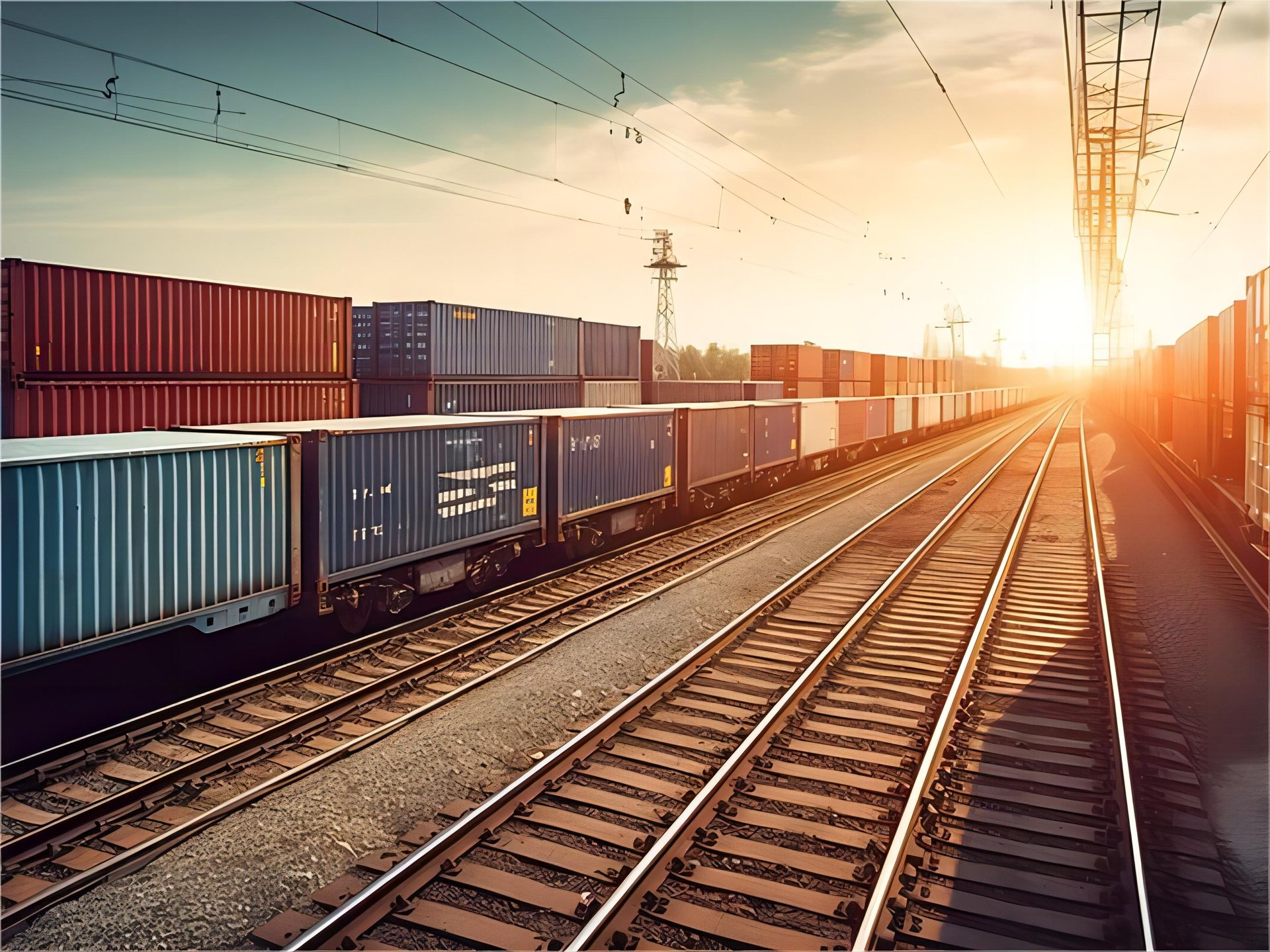
Importers should realize that base ocean freight is only one component of the total landed cost. Additionally, seasonal fluctuations during the Golden Week or the Lunar New Year can cause significant spikes in spot rates. Therefore, planning shipments at least six weeks in advance is highly recommended to secure the best sea freight pricing.
Breaking down 20GP and 40HC container specifications and pricing
Choosing between a 20GP and a 40HC container depends largely on the volume and weight of your specific cargo. Specifically, the 20GP container is ideal for heavy, dense goods like machinery or minerals, while the 40HC offers superior value for voluminous, lightweight products. Furthermore, the 40HC provides an extra foot of height compared to standard 40GP units, allowing for more efficient stacking of pallets.
Pricing for these units varies based on the trade lane and equipment availability at the port of loading. In contrast to previous years, 2026 has seen a narrowing price gap between 40GP and 40HC containers due to standardized manufacturing. As a result, many shippers now opt for the 40HC to maximize their shipping budget per cubic meter.
| Container Type | Capacity (CBM) | Max Payload (KG) | Best For |
|---|---|---|---|
| 20GP Standard | 33 CBM | 28,000 KG | Heavy/Dense Cargo |
| 40GP Standard | 67 CBM | 26,000 KG | General Merchandise |
| 40HC High Cube | 76 CBM | 26,000 KG | Light/Bulky Goods |
FCL vs LCL: Which shipping method fits your volume?
Full Container Load (FCL) shipping remains the gold standard for large-scale importers who require dedicated space and faster transit times. Because the entire container is assigned to one consignee, the risk of damage from other cargo is virtually eliminated. Meanwhile, Less than Container Load (LCL) serves as a flexible alternative for smaller businesses moving fewer than 15 cubic meters.
LCL rates are typically calculated per cubic meter, which can be more expensive on a unit basis but cheaper for small total volumes. However, LCL shipments often face longer transit times due to the consolidation and deconsolidation processes at the ports. For those looking to optimize their China container shipping cost 20gp 40hc fcl lcl global rates, switching from LCL to FCL at the 13-15 CBM threshold is a common strategy.
How Does Sea Freight Compare to Other Shipping Options?
While ocean freight is the most economical choice for bulk goods, it is not always the most efficient for time-sensitive deliveries. Indeed, when comparing sea freight to other modes, the trade-off between speed and cost becomes the primary decision factor. For instance, high-value electronics often bypass the sea entirely to avoid long lead times and inventory carrying costs.
Hybrid solutions like sea-air or rail-sea have gained popularity in 2026 as a middle-ground for medium-priority shipments. Consequently, understanding the full spectrum of logistics options allows businesses to pivot their strategy based on current market conditions and customer expectations.
| Shipping Method | Cost Range | Transit Time | Best For |
|---|---|---|---|
| Sea Freight | $1,500 – $5,500 | 14 – 40 Days | Bulk/Non-Urgent |
| Air Freight | $5.00 – $12.00/kg | 3 – 7 Days | High-Value/Urgent |
| Rail Freight | $2,500 – $4,500 | 18 – 25 Days | China to Europe |
| Express | $8.00 – $15.00/kg | 2 – 5 Days | Samples/Small Parcels |
When to choose Air Freight over Sea Freight
Consider air freight when your goods have a high value-to-weight ratio or when a stock-out would result in significant revenue loss. Although the cost is substantially higher, the reduction in transit time can improve cash flow and reduce the need for large safety stocks. For example, a shipment of 500kg might cost $3,000 by air but arrive in 4 days, compared to $800 by sea taking 35 days.
The rise of Rail Freight for Eurasian trade
Utilizing rail freight provides a compelling alternative for shipments moving between China and Europe. This method offers a transit time that is roughly half that of sea freight while costing significantly less than air transport. Nevertheless, rail is not an option for routes to North America or Australia due to geographical constraints.
Global freight rate benchmarks for 2026
Current market data suggests that rates to the USA West Coast have stabilized between $1,800 and $2,500 for a 20GP container. Conversely, routes to the USA East Coast remain higher, typically ranging from $3,000 to $4,500, due to the longer distance and canal transit fees. Furthermore, European routes have seen increased volatility in early 2026 as carriers adjust to new environmental regulations.
Australian routes remain relatively stable with 20GP rates hovering around $900 to $1,300 depending on the port of origin. In addition, peak season surcharges are expected to be 15-20 percent higher during the Q3 period. Note: Freight rates are subject to change based on fuel costs, carrier capacity, and seasonal demand. Contact us for a current quote tailored to your specific shipment.
Real-World Case Studies of China Exports in 2026
Case Study 1: Furniture Export to Los Angeles. Route: Shenzhen, China to Los Angeles, USA. Cargo: Home Furniture, 68 CBM, 12,000 kg. Container: 40HC. Shipping Details: Direct service via major carrier. Port of Loading: Shenzhen. Port of Discharge: Los Angeles. Cost Breakdown: Ocean Freight $2,900, Origin Charges $350, Destination Charges $500, Customs $400. Total Landed Cost: $4,150. Timeline: 16 days door-to-door. Key Insight: Using a 40HC instead of two 20GP containers saved the client $1,200 in total freight costs.
Case Study 2: Industrial Parts to Hamburg. Route: Ningbo, China to Hamburg, Germany. Cargo: Steel Components, 8 CBM, 4,500 kg. Container: LCL. Shipping Details: Transshipment via Singapore. Port of Loading: Ningbo. Port of Discharge: Hamburg. Cost Breakdown: Ocean Freight $640, Origin Charges $200, Destination Charges $300, Customs $250. Total Landed Cost: $1,390. Timeline: 34 days. Key Insight: Consolidating cargo in Ningbo reduced inland trucking costs by 15 percent compared to Shanghai loading.
Case Study 3: Retail Goods to Sydney. Route: Shanghai, China to Sydney, Australia. Cargo: Apparel, 28 CBM, 6,000 kg. Container: 20GP. Shipping Details: Direct service. Port of Loading: Shanghai. Port of Discharge: Sydney. Cost Breakdown: Ocean Freight $1,100, Origin Charges $280, Destination Charges $450, Customs $300. Total Landed Cost: $2,130. Timeline: 14 days. Key Insight: Booking three weeks in advance secured a rate 10 percent below the monthly spot average.
Which Option Should You Choose for your cargo?
If your primary priority is budget and you have a lead time of over 30 days, sea freight FCL is undoubtedly the best choice for large volumes. On the other hand, if you are shipping small batches of high-margin products, LCL or air freight might be more suitable to keep inventory moving. For those shipping to landlocked regions in Central Asia or Eastern Europe, rail freight offers the best balance of speed and cost.
Cargo type also plays a critical role in the decision-making process. For instance, hazardous materials or perishable goods require specialized containers like reefers or open-tops, which carry higher premiums. Consequently, you should consult with a specialist in customs brokerage to ensure your chosen method complies with all international safety standards.
Strategies to optimize your China container shipping cost
One effective way to lower expenses is to optimize your packaging to fit as much product as possible into a single container. Moreover, negotiating long-term contracts with freight forwarders can provide price stability during volatile market periods. Additionally, choosing off-peak shipping dates can help you avoid the heavy surcharges associated with the pre-holiday rush.
Implementing a door to door service can also simplify the process and potentially lower total costs by eliminating middleman markups. By consolidating all logistics steps under one provider, you gain better visibility and control over the entire journey. Therefore, always compare the total landed cost rather than just the port-to-port ocean freight rate.
Mastering Global Logistics in 2026
To summarize, understanding the intricacies of China container shipping cost 20gp 40hc fcl lcl global rates is essential for any modern business engaged in international trade. By choosing the right container size and shipping method, you can significantly reduce your overhead and improve delivery reliability. Furthermore, staying informed about market trends and seasonal shifts will allow you to make proactive decisions that protect your bottom line.
Indeed, the world of freight forwarding is constantly changing, but with the right data and partners, you can navigate these waters successfully. Whether you are moving a single LCL pallet or a fleet of 40HC containers, the principles of efficiency and planning remain the same. Start optimizing your 2026 shipping strategy today to ensure long-term growth and sustainability.