

China Import Export Shipping Agent Customs Clearance Logistics Service Guide 2026
“Navigating the complexities of international trade requires more than just a carrier; it demands a strategic partnership with a reliable Global China Forwarder to manage your supply chain. Selecting a professional china import export shipping agent customs clearance logistics service ensures that your goods move seamlessly across borders while minimizing unexpected costs. As we move into 2026, the global logistics landscape continues to evolve, making expert guidance essential for maintaining a competitive edge in the marketplace.”

What is a China Import Export Shipping Agent Customs Clearance Logistics Service?
❖A comprehensive logistics service provider acts as the central nervous system for your international trade operations. These agents handle everything from the initial pickup at the factory to the final delivery at your warehouse doorstep.
Furthermore, they bridge the gap between complex government regulations and your business needs. By managing documentation and carrier negotiations, they allow you to focus on product development and sales growth.
Consequently, businesses that utilize a dedicated china import export shipping agent customs clearance logistics service often see a significant reduction in transit delays. Expert agents anticipate potential bottlenecks before they occur, ensuring a smoother flow of goods.
Additionally, these services provide essential visibility into the movement of your cargo. Real-time tracking and proactive communication are hallmarks of a top-tier logistics partner in the current 2026 market environment.
How Does Sea Freight Compare to Other Shipping Options?
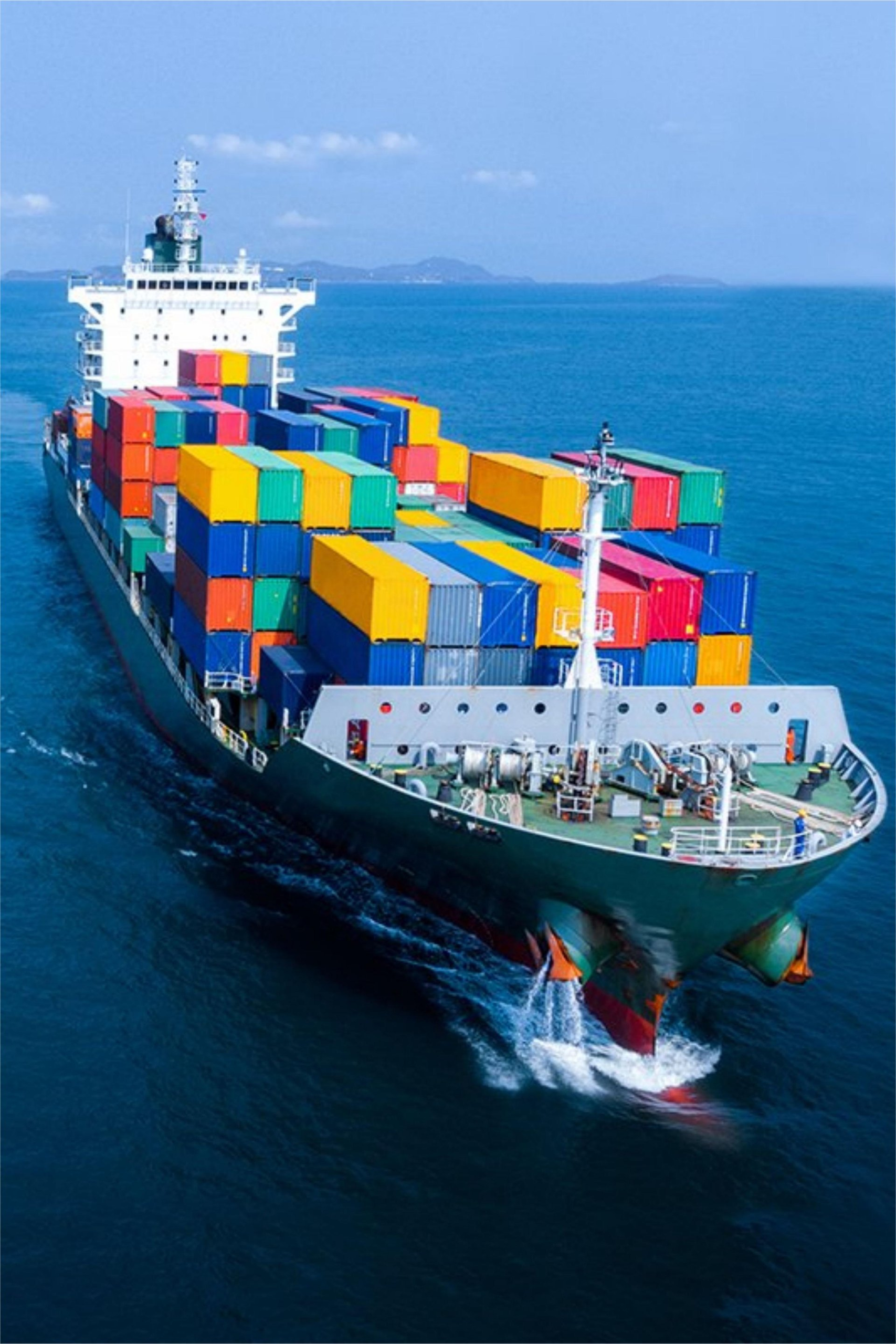
❖When planning your logistics strategy, understanding the trade-offs between different transport modes is vital for cost control. For many importers, sea freight remains the most economical choice for high-volume shipments.
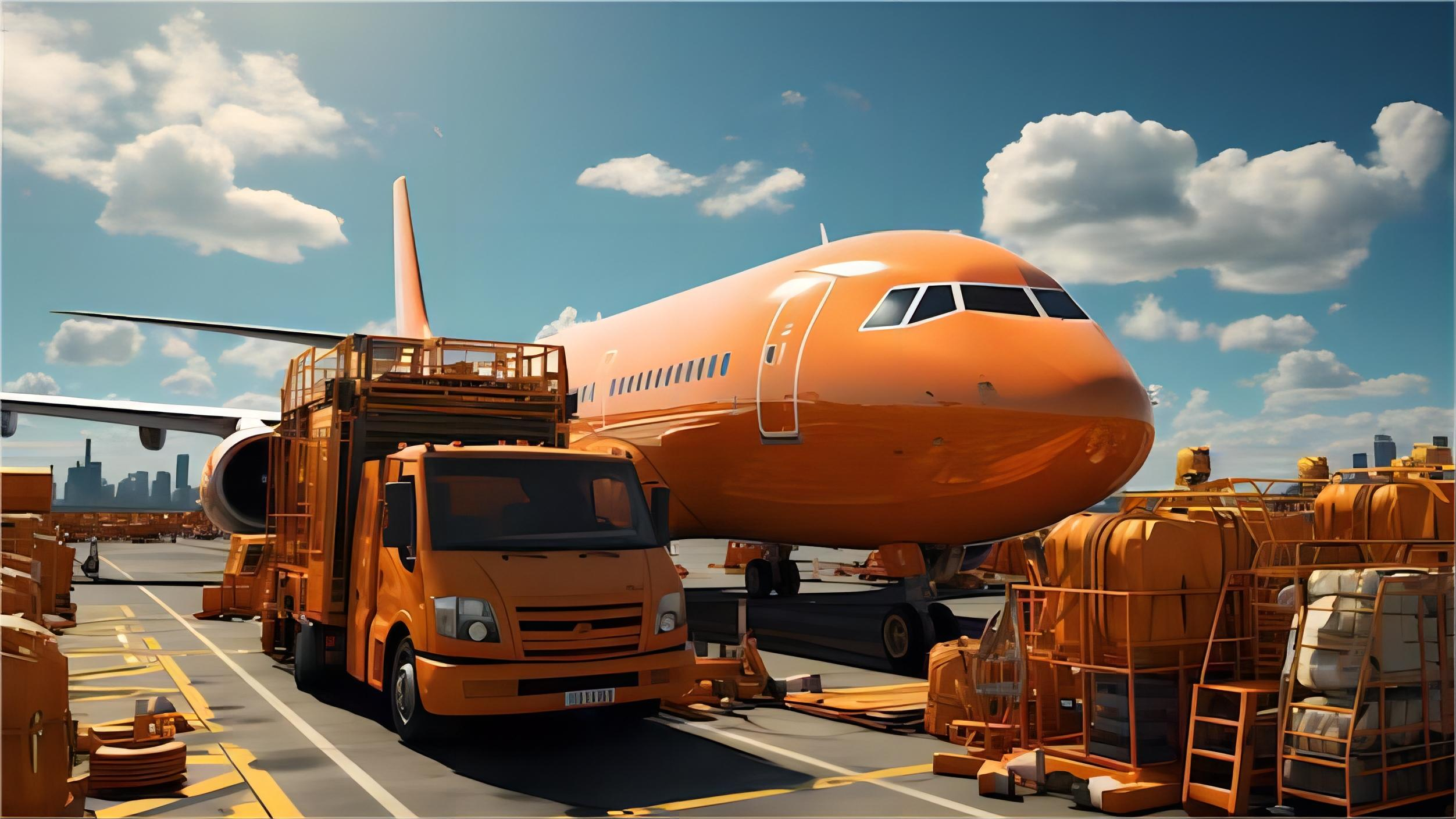
In contrast, air freight offers unmatched speed for time-sensitive inventory or high-value electronics. While the cost per kilogram is significantly higher, the reduction in inventory carrying costs can sometimes justify the expense.
Moreover, rail freight has emerged as a robust middle-ground solution for shipments traveling from China to Europe. It offers faster transit than the ocean while remaining much more affordable than air transport.
Therefore, your choice should depend on your specific budget, timeline, and the nature of the cargo being moved. Below is a detailed comparison of the primary shipping methods available in 2026.
| Shipping Method | Cost Range | Transit Time | Best For |
|---|---|---|---|
| Sea Freight (FCL) | Low ($2,500 – $4,500) | 25-40 Days | Bulk goods and large volumes |
| Air Freight | High ($5 – $12/kg) | 3-7 Days | Urgent or high-value items |
| Rail Freight | Medium ($150 – $250/CBM) | 18-22 Days | Mid-sized Europe shipments |
| Express Service | Premium ($8 – $15/kg) | 2-5 Days | Small parcels and samples |
Which Shipping Option Should You Choose for Your Business?
❖Choosing the right method requires a clear understanding of your priorities and the specific constraints of your cargo. If your primary goal is to minimize landed costs, ocean freight is nearly always the winner for shipments exceeding 15 cubic meters.
However, if you are launching a new product and need to hit a specific marketing window, the speed of air transport becomes invaluable. Many successful companies use a hybrid strategy, shipping the majority by sea while sending a small ‘bridge’ shipment by air.
Additionally, consider the volume of your goods when choosing between FCL and LCL options. Full Container Load (FCL) provides better security and faster handling, whereas Less than Container Load (LCL) saves money for smaller volumes.
Market data suggests that in 2026, many importers are shifting toward door to door solutions to simplify their internal operations. This approach removes the need for the importer to manage multiple local trucking companies and customs brokers.
Navigating Customs Clearance and Documentation in 2026
❖Customs clearance remains one of the most challenging aspects of importing from China to international markets. A professional customs brokerage service is essential for ensuring all duties and taxes are calculated accurately.
Indeed, missing or incorrect documentation can lead to expensive storage fees and even the seizure of goods by port authorities. Your agent must verify the Commercial Invoice, Packing List, and Bill of Lading before the cargo even leaves the port of loading.
Furthermore, 2026 regulations have introduced stricter compliance requirements for environmental standards and product safety. Staying ahead of these changes requires a logistics partner who is deeply embedded in the regulatory landscape.
Consequently, investing in expert customs support prevents the common pitfalls that trap inexperienced importers. Accurate H.S. Code classification alone can save thousands of dollars in overpaid duties over the course of a year.
| Document Name | Purpose | Responsibility | Criticality |
|---|---|---|---|
| Commercial Invoice | Value declaration for duty | Exporter/Supplier | High |
| Packing List | Detailed cargo description | Exporter/Supplier | High |
| Bill of Lading | Title of goods and contract | Carrier/Agent | High |
| Certificate of Origin | Proves manufacturing source | Exporter/Chamber of Commerce | Medium |
Alternative Shipping Strategies and Hybrid Solutions
❖As global trade routes become more congested, smart importers are looking for alternative strategies to keep their supply chains moving. One such strategy is the Sea-Air hybrid solution, which combines the cost-savings of ocean freight with the speed of air cargo.
For instance, goods might be shipped by sea from China to a hub like Dubai or Singapore and then flown the rest of the way to Europe or North America. This method typically cuts transit time by 50% compared to pure sea freight while reducing costs by 40% compared to pure air freight.
Moreover, transshipment through secondary ports can sometimes bypass congestion at major gateways like Los Angeles or Rotterdam. While this adds a step to the journey, it often results in a more predictable delivery schedule during peak seasons.
Without a doubt, flexibility is the key to logistics success in 2026. Working with an agent who offers multiple routing options allows you to pivot quickly if a specific port or lane faces disruptions.
Real-World Case Studies: Successful Shipping from China
❖Examining real-world scenarios helps illustrate how a china import export shipping agent customs clearance logistics service adds tangible value. Below are two detailed cases from the first half of 2026.
Case Study 1: Electronics from Shenzhen to Los Angeles. Route: Shenzhen to Los Angeles. Cargo: Consumer Electronics, 28 CBM, 4500 kg. Container: 40GP. Shipping Details: Carrier: COSCO. Port of Loading: Shenzhen. Port of Discharge: Los Angeles. Route Type: Direct. Cost Breakdown: Ocean Freight: $3,200. Origin Charges: $450. Destination Charges: $600. Customs and Duties: $1,200. Total Landed Cost: $5,450. Timeline: Booking to Loading: 4 days. Sea Transit: 16 days. Customs Clearance: 2 days. Total Door-to-Door: 22 days. Key Insight: Early booking during the Q1 lull saved the client 15 percent compared to peak rates.
Case Study 2: Industrial Machinery from Ningbo to Hamburg. Route: Ningbo to Hamburg. Cargo: Precision Lathes, 12 CBM, 8000 kg. Container: LCL. Shipping Details: Carrier: Hapag-Lloyd. Port of Loading: Ningbo. Port of Discharge: Hamburg. Route Type: Direct. Cost Breakdown: Ocean Freight: $1,440. Origin Charges: $300. Destination Charges: $550. Customs and Duties: $2,100. Total Landed Cost: $4,390. Timeline: Booking to Loading: 6 days. Sea Transit: 32 days. Customs Clearance: 3 days. Total Door-to-Door: 41 days. Key Insight: Professional crating and lashing prevented damage during the long transit through the Suez Canal.
Note: Freight rates are subject to change based on fuel costs, carrier capacity, and seasonal demand. Contact us for a current quote tailored to your specific shipment.

How to Reduce Your International Shipping Costs
❖Reducing logistics expenses requires a combination of smart planning and negotiation. One of the most effective ways to save is through cargo consolidation, where multiple small shipments are combined into a single container.
Additionally, optimizing your packaging can lead to significant savings, especially for air freight where volume weight is a major factor. Reducing the size of your boxes by even a few centimeters can drop your billable weight considerably.
Furthermore, shipping to North America or Europe during off-peak windows can save you thousands of dollars. Rates typically spike between August and October, so shipping your holiday inventory earlier in the year is a wise move.
Finally, always request a detailed breakdown of all charges. Hidden fees can quickly inflate your budget, so working with a transparent china import export shipping agent customs clearance logistics service is essential for financial predictability.
Mastering Your China Import Export Strategy
In conclusion, the success of your international business depends heavily on the efficiency of your supply chain. By leveraging a professional china import export shipping agent customs clearance logistics service, you gain access to the expertise and infrastructure needed to navigate global markets.
Whether you are moving bulk commodities by sea or urgent components by air, the right partner ensures your cargo arrives safely and on time. As we look forward to the remainder of 2026, staying informed and flexible will remain the most important strategies for any importer or exporter.
Ready to streamline your logistics?
Take control of your international trade operations today by partnering with an expert china import export shipping agent customs clearance logistics service. Our team at Global China Forwarder provides the precision and reliability your business needs to thrive in 2026. Send Inquiry: https://globalchinaforwarder.com/
Request Quote