

China Warehouse Fulfillment Amazon FBA Prep Center Logistics Service 2026
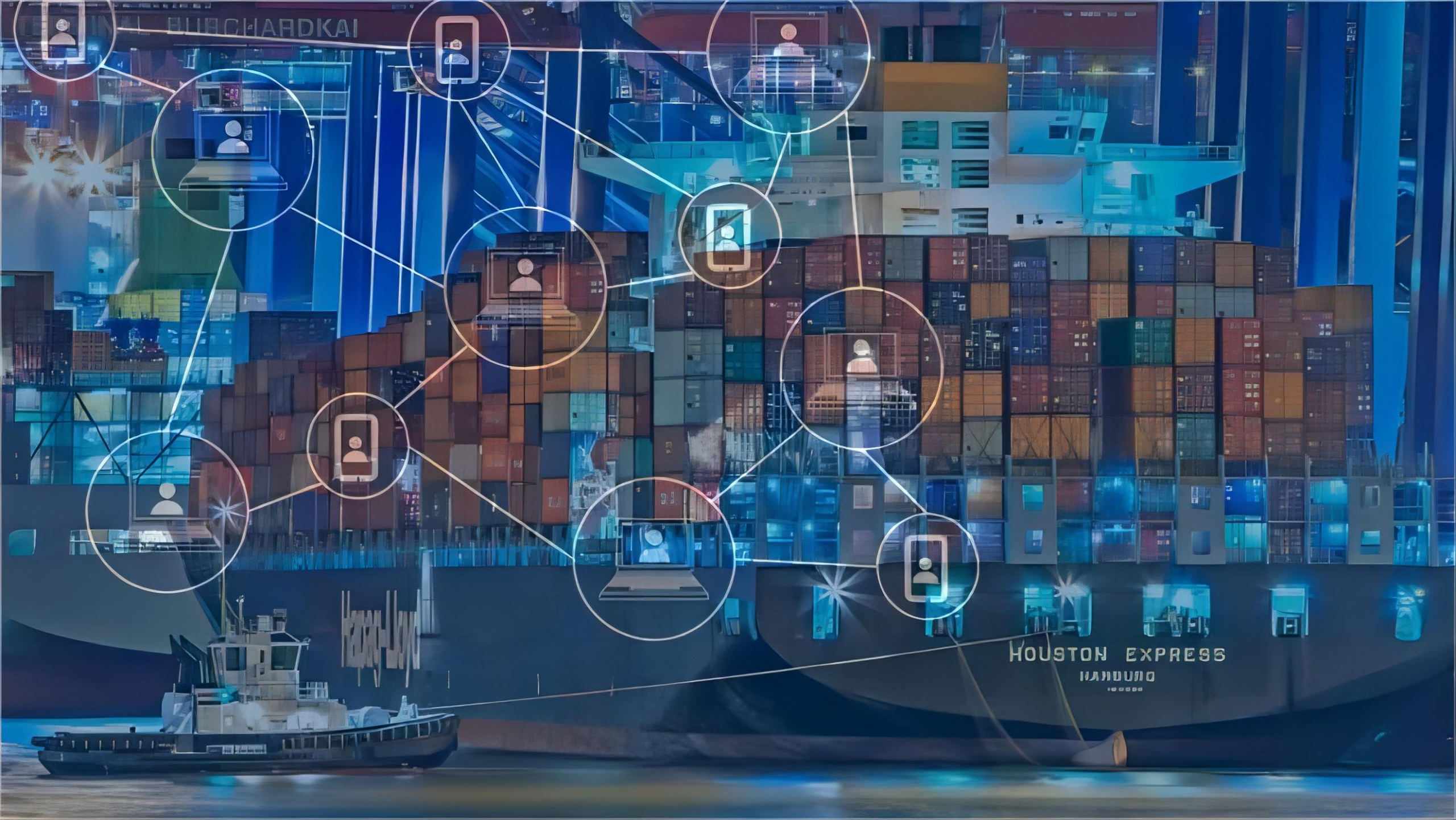
Managing a global supply chain requires precision, especially when utilizing a china warehouse fulfillment amazon fba prep center logistics service to handle your inventory. Many sellers struggle with high storage fees and compliance issues in destination countries, which can lead to significant profit loss. By partnering with Global China Forwarder, you can streamline your operations directly from the source while ensuring every product meets strict platform standards.
Why Choose a China Warehouse Fulfillment Amazon FBA Prep Center Logistics Service?
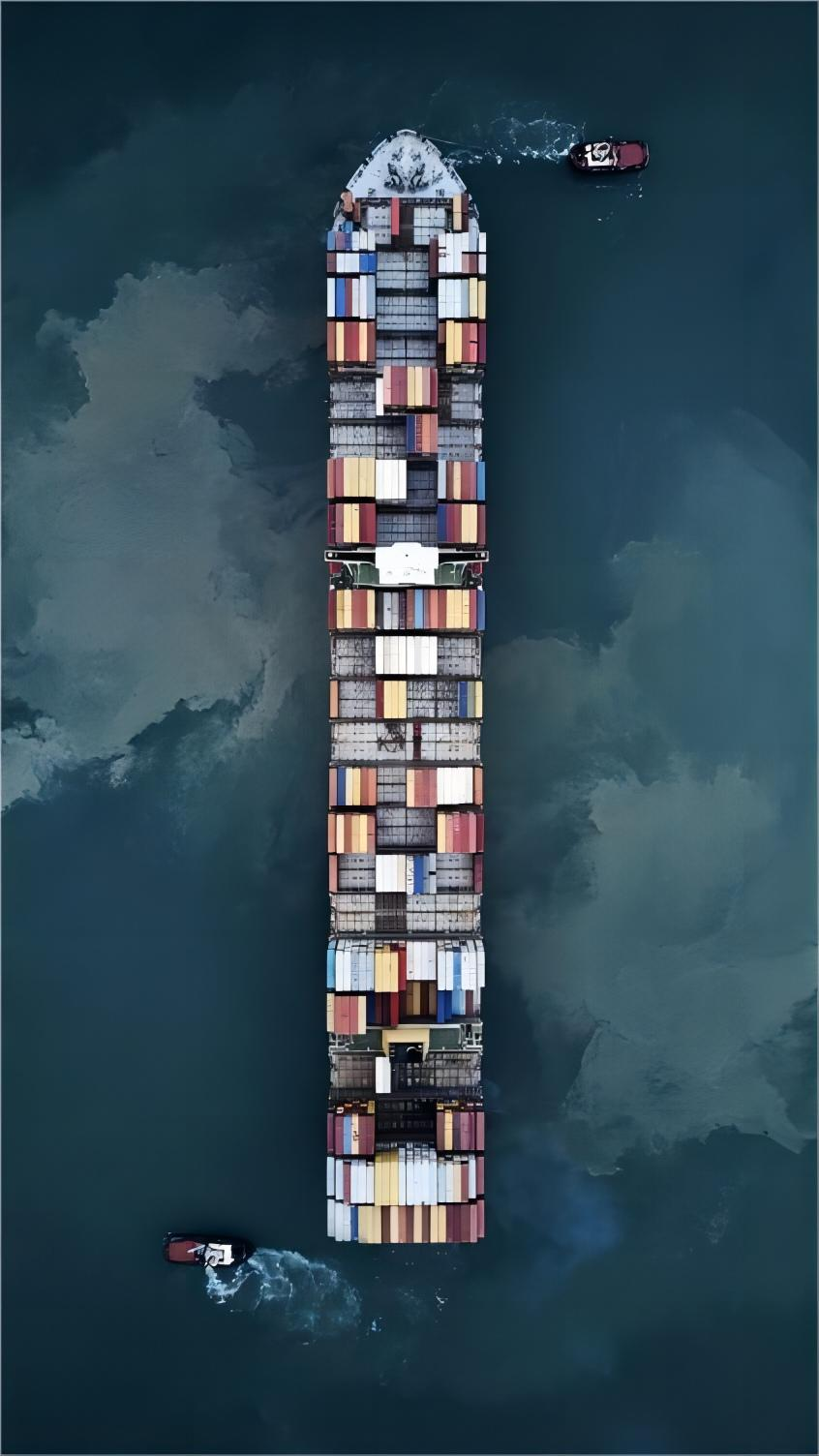
Utilizing a prep center within China allows businesses to identify product defects before they are shipped across the ocean. Consequently, this reduces the high cost of returns and protects your Amazon seller rating from negative feedback. Furthermore, labor costs in China remain significantly lower than in the United States or Europe, making it more economical to handle labeling and kitting at the point of origin.
Moreover, centralizing your inventory in a Chinese hub provides greater flexibility for multi-channel fulfillment strategies. Instead of shipping all stock to a single FBA warehouse, you can distribute goods based on real-time demand across different regions. This approach effectively minimizes long-term storage fees and optimizes your inventory turnover ratio.
Core Services of a Professional FBA Prep Center
Standardized inspections are the first line of defense against sub-par manufacturing quality. Specifically, prep centers check for SKU accuracy, packaging integrity, and functional defects to ensure every unit is ready for sale. Additionally, our Amazon FBA solutions include specialized labeling services that comply with FNSKU requirements.
Bundling and kitting services allow sellers to create unique product offerings that stand out in a crowded marketplace. For instance, combining multiple items into a single SKU can increase your average order value and improve customer satisfaction. Prep centers also provide poly-bagging, bubble wrapping, and suffocation warning labels to meet safety regulations.
How Does China Warehouse Fulfillment Compare to Other Shipping Options?
Evaluating the efficiency of your logistics involves comparing various transport modes based on speed and cost. While sea freight is the most common choice for bulk shipments, it may not suit time-sensitive inventory. Therefore, understanding the trade-offs between different methods is essential for maintaining a healthy supply chain.
Alternative strategies often involve hybrid models, such as sea-air combinations, which balance cost and transit time. In 2026, the logistics landscape has shifted toward more integrated solutions that prioritize reliability over the absolute lowest price. Consider the following comparison to determine which method aligns with your current business objectives.
| Shipping Method | Cost Range | Transit Time | Best For |
|---|---|---|---|
| Express Service | High ($5-9/kg) | 3-5 Days | Urgent Restocks |
| Air Freight | Medium-High ($3-6/kg) | 7-12 Days | High-Value Goods |
| Sea Freight (LCL) | Low ($80-150/CBM) | 25-40 Days | Standard Inventory |
| Rail Freight | Medium-Low | 18-25 Days | European Routes |
Strategic Advantages of Source-Level Logistics
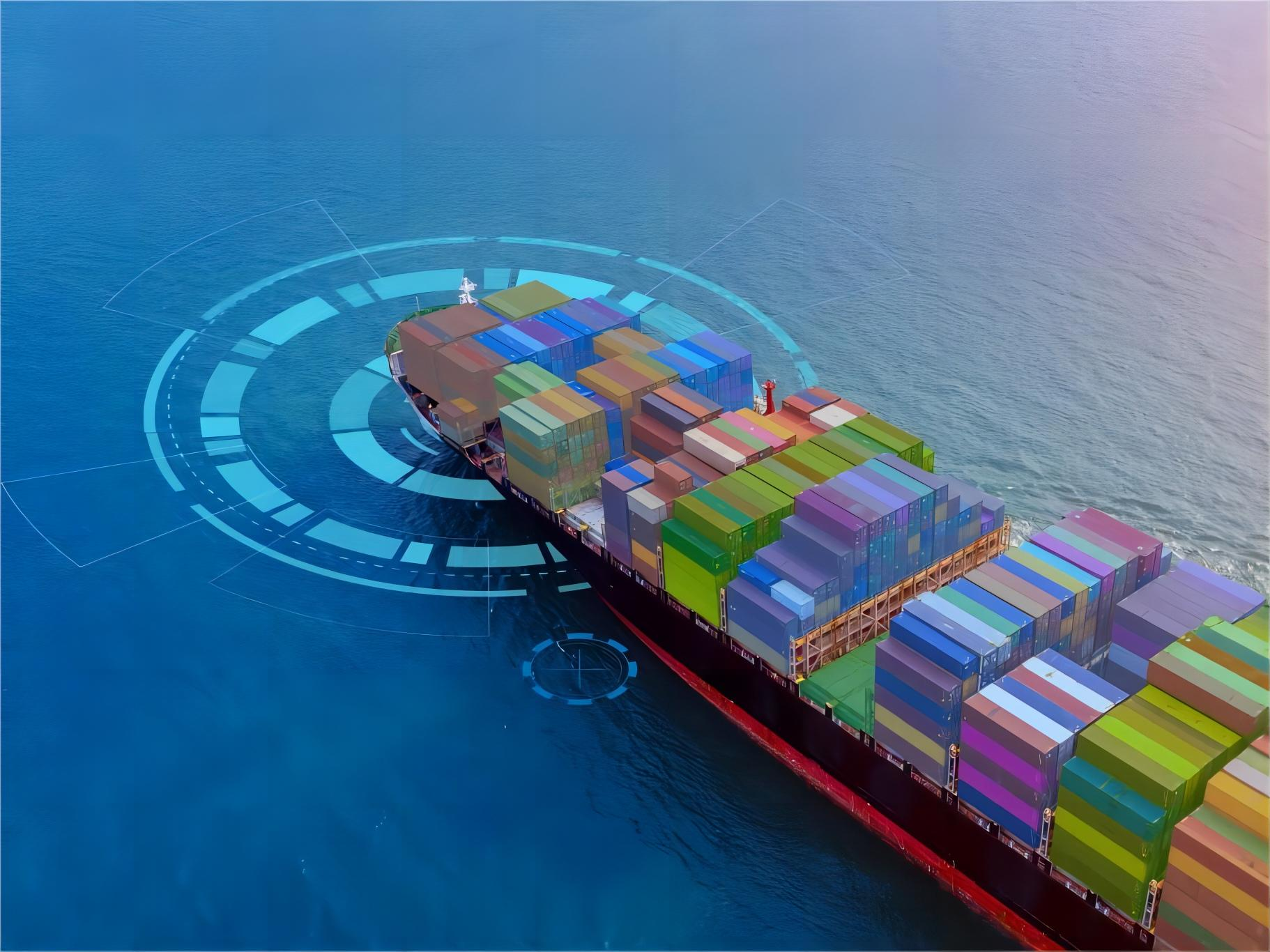
Shipping directly from a China-based warehouse to Amazon centers worldwide simplifies the documentation process. Specifically, using a door to door service ensures that all logistics steps are handled by a single entity. This reduces the risk of communication gaps between manufacturers, prep centers, and carriers.
Furthermore, modern logistics providers utilize advanced inventory management software to provide real-time visibility. Consequently, sellers can track their stock levels and shipment status through a single dashboard, allowing for better forecasting. This level of transparency is vital for preventing out-of-stock scenarios during peak shopping seasons like Q4.
Understanding 2026 Freight Rates and Market Trends
Current market data suggests that freight rates have stabilized in early 2026 following previous global disruptions. However, seasonal fluctuations still occur, with prices typically rising during the months leading up to the Lunar New Year. According to industry benchmarks, sea freight rates from China to the USA West Coast currently range between $1,800 and $2,800 per 20GP container.
Importantly, fuel surcharges and carrier capacity remain the primary drivers of price volatility in the current year. To mitigate these risks, many sellers are securing long-term contracts or utilizing air freight for smaller, high-margin batches. Note: Freight rates are subject to change based on fuel costs, carrier capacity, and seasonal demand. Contact us for a current quote tailored to your specific shipment.
| Route | 20GP Container | 40HQ Container | Avg. Transit |
|---|---|---|---|
| China to USA West | $1,800-2,500 | $3,000-4,000 | 16-20 Days |
| China to Europe | $2,000-2,800 | $3,500-4,800 | 30-35 Days |
| China to Australia | $900-1,300 | $1,500-2,200 | 14-20 Days |
Case Study 1: Electronics Distribution to USA East Coast
Route: Shenzhen, China to Savannah, USA. Cargo: Consumer Electronics, 12 CBM, 2,400 kg. Container: LCL Shipment. Shipping Details: Carrier: COSCO, Port of Loading: Shenzhen, Port of Discharge: Savannah. Route Type: Direct via Panama Canal.
Cost Breakdown: Ocean Freight: $1,450. Origin Charges: $280. Destination Charges: $450. Customs and Duties: $1,200. Total Landed Cost: $3,380. Timeline: Booking to Loading: 4 days, Sea Transit: 32 days, Customs Clearance: 3 days, Total Door-to-Door: 45 days. Key Insight: Utilizing a prep center in Shenzhen allowed for a 100% inspection rate, which identified 5% defective units before export.
Case Study 2: Apparel Brand Scaling in Europe
Route: Ningbo, China to Hamburg, Germany. Cargo: Organic Cotton Apparel, 28 CBM, 4,500 kg. Container: 20GP Full Container Load. Shipping Details: Carrier: Maersk, Port of Loading: Ningbo, Port of Discharge: Hamburg. Route Type: Direct.
Cost Breakdown: Ocean Freight: $2,200. Origin Charges: $320. Destination Charges: $550. Customs and Duties: $2,100. Total Landed Cost: $5,170. Timeline: Booking to Loading: 5 days, Sea Transit: 34 days, Customs Clearance: 4 days, Total Door-to-Door: 48 days. Key Insight: Pre-labeling and poly-bagging in China saved the client approximately $0.45 per unit compared to European prep rates.
Navigating Customs and Compliance Challenges
Compliance with international trade laws is a critical component of any successful china warehouse fulfillment amazon fba prep center logistics service. Without proper documentation, shipments can face lengthy delays or expensive fines at the border. Therefore, engaging a professional customs brokerage is highly recommended for complex product categories.
Documentation requirements often include commercial invoices, packing lists, and certificates of origin. Additionally, specific products like electronics or medical devices may require additional certifications such as FCC or CE markings. Ensuring these documents are prepared correctly at the prep center stage prevents issues during the import phase.
Which Option Should You Choose? Decision Framework
Budget priority: If your primary goal is to minimize costs, sea freight remains the superior choice for large volumes. Specifically, FCL shipments offer the lowest per-unit cost when you can fill a 20ft or 40ft container. However, you must account for the longer lead times in your inventory planning.
Speed priority: When facing a stock-out or launching a seasonal product, air freight or express services are necessary. Although the cost is higher, the ability to capitalize on market trends often outweighs the shipping expense. For shipments between 100kg and 500kg, air freight provides a balanced middle ground between speed and cost.
Volume thresholds: For shipments under 15 CBM, LCL is typically more economical than FCL. Once your volume exceeds 15-18 CBM, booking a 20GP container often becomes more cost-effective due to the flat-rate nature of full container shipping.
Final Thoughts on FBA Prep and Logistics
Successfully managing an Amazon business in 2026 requires a robust china warehouse fulfillment amazon fba prep center logistics service that adapts to market changes. By shifting prep tasks to the point of origin, you gain significant cost advantages and better quality control. This strategic move allows you to focus on marketing and brand growth rather than warehouse operations.
Ultimately, the right logistics partner will provide the transparency and reliability needed to scale in a competitive environment. Whether you are shipping to North America, Europe, or Australia, integrated fulfillment solutions are the key to long-term success. Take the time to evaluate your shipping methods and choose a provider that understands the nuances of Amazon FBA requirements.
Ready to streamline your logistics?
Maximize your profit margins and ensure seamless delivery with our comprehensive china warehouse fulfillment amazon fba prep center logistics service. Our team at Global China Forwarder is ready to handle your inspections, labeling, and global shipping needs with professional care. Visit our site to request a custom quote and optimize your 2026 supply chain today. Send Inquiry: Visit globalchinaforwarder.com
Request Quote