

China to Canada Logistics Company Amazon FBA Shipping Service: 2026 Guide
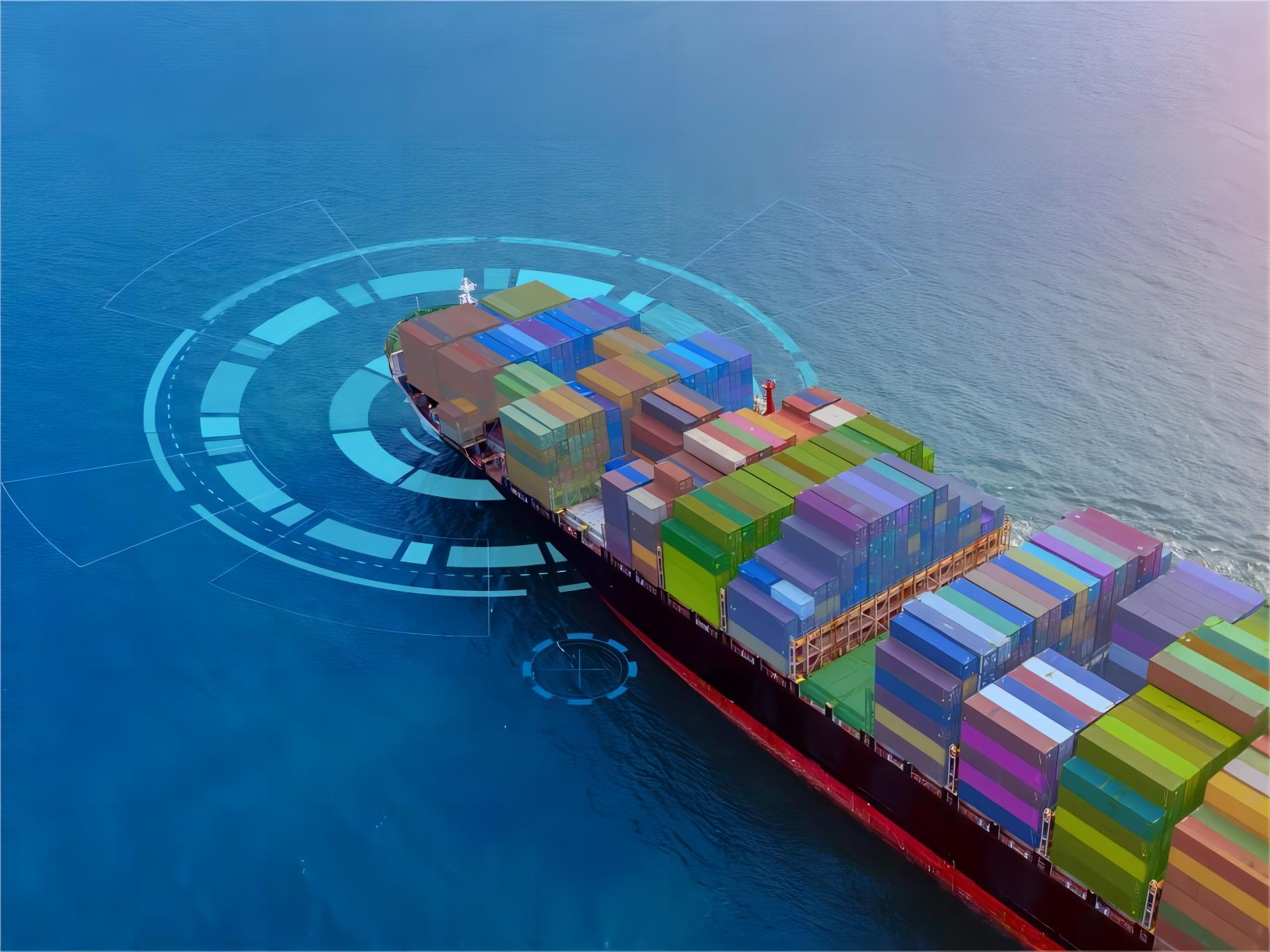
Navigating the complexities of international trade requires a reliable china to canada logistics company amazon fba shipping service to ensure your inventory arrives safely and on time. Many e-commerce sellers face significant challenges when managing multi-stage supply chains across the Pacific Ocean. This comprehensive guide explores the most efficient strategies for moving goods from Chinese manufacturing hubs to Canadian fulfillment centers in 2026.
The Landscape of Shipping from China to North America in 2026
Global trade dynamics have shifted significantly as we enter 2026, with a stronger focus on resilient supply chains. Sellers must understand the specific requirements for North America to avoid costly delays at the border. Consequently, choosing a forwarder that understands both Chinese manufacturing and Canadian retail standards is essential.
Market data suggests that freight volumes remain high, though port automation in Vancouver and Prince Rupert has improved processing times compared to previous years. However, fuel surcharges and seasonal demand still dictate the overall cost of moving goods. Therefore, early booking and strategic planning are the keys to maintaining healthy profit margins.
How Does Sea Freight Compare to Other Shipping Options?
Selecting the right transportation mode depends on your budget, cargo volume, and required delivery speed. While sea freight remains the most popular choice for bulk shipments, it is not always the best fit for every scenario. In contrast, air freight offers speed that can be vital for high-value or seasonal products.
Moreover, hybrid solutions like sea-air combinations have gained popularity in early 2026 for sellers looking to balance cost and speed. For instance, shipping by sea to a West Coast port and then utilizing express trucking can bypass rail congestion. This approach often provides a middle ground for urgent Amazon FBA inventory replenishment.
| Shipping Method | Cost Range (2026) | Transit Time | Best For |
|---|---|---|---|
| Sea Freight (FCL) | $2,800 – $4,200 | 18-35 Days | Bulk inventory, 20ft/40ft containers |
| Sea Freight (LCL) | $120 – $250 / CBM | 25-40 Days | Small to medium shipments |
| Air Freight | $5.50 – $9.00 / kg | 5-9 Days | High-value, urgent restocks |
| Express Service | $8.00 – $12.00 / kg | 3-6 Days | Samples and small parcels |

Mastering Ocean Freight: FCL vs LCL for Canadian Sellers
Full Container Load (FCL) shipping offers the most security and often the best per-unit cost for large volumes. When you book a 40HQ container, you have exclusive use of the space, which reduces handling risks during transit. Additionally, FCL shipments often move faster through customs because they do not require the deconsolidation process associated with shared containers.
Less than Container Load (LCL) is the preferred alternative for sellers who do not have enough volume to fill a whole container. Although LCL shipping rates in 2026 are slightly higher per cubic meter, the flexibility allows for more frequent, smaller shipments. Consequently, this helps in maintaining a leaner inventory model and improving cash flow for growing businesses.
Utilizing Air Freight and Express for Urgent Amazon FBA Restocks
Speed is often the primary driver when choosing air freight for your logistics needs. As of Q1 2026, air cargo rates have stabilized, making it a viable option for lightweight electronics or fashion items. Furthermore, air transport significantly reduces the risk of moisture damage or long-term storage issues associated with ocean travel.
Express services like UPS, FedEx, and DHL provide the fastest door-to-door solutions for Canadian Amazon sellers. These carriers handle the entire process, including the final mile delivery to the FBA warehouse. However, the high cost per kilogram means this method is usually reserved for emergency stock or high-margin products that cannot wait for sea transit.
Navigating Amazon FBA Requirements and Prep Services
Compliance with Amazon FBA standards is non-negotiable for anyone importing from China. Your logistics partner must ensure that every carton is labeled correctly and that pallets meet specific Canadian safety regulations. Failure to comply can result in rejected shipments at the fulfillment center, leading to massive additional costs.
Many forwarders now offer integrated prep services directly at their Chinese warehouses to streamline the process. This includes kitting, poly-bagging, and weight verification before the goods even leave the country. By handling these tasks at the source, you reduce the likelihood of errors and ensure your products are ready for sale the moment they arrive in Canada.

Customs Clearance and Compliance for Canadian Imports
Handling customs brokerage correctly is the most critical step in avoiding border delays. Canada has strict regulations regarding product safety, labeling, and duty classifications. Therefore, working with an experienced broker who understands the CBSA (Canada Border Services Agency) requirements is vital for a smooth transition.
Import duties and taxes, such as the Goods and Services Tax (GST), must be calculated accurately to avoid penalties. In 2026, many sellers opt for DDP (Delivered Duty Paid) terms to simplify their accounting. This arrangement means the logistics provider handles all taxes and duties, providing a single, all-inclusive price for the entire journey.
| Document Name | Purpose | Required By | Criticality |
|---|---|---|---|
| Commercial Invoice | Value declaration | Customs / CBSA | High |
| Packing List | Content verification | Carrier / Customs | High |
| Bill of Lading | Title of goods | Carrier / Bank | High |
| Certificate of Origin | Duty rate determination | Customs | Medium |
Real-World Case Studies: China to Canada Shipping Success
Analyzing real-world scenarios helps sellers understand the practical application of different logistics strategies. These examples reflect typical market conditions and pricing observed in early 2026. Each case highlights the importance of choosing a method that aligns with the specific product type and business goals.
Case Study 1: Electronics from Shenzhen to Vancouver. A seller moved 15 CBM of consumer electronics via LCL sea freight. The cargo was picked up in Shenzhen and delivered to the YVR3 fulfillment center. Total landed cost was $3,450, including all destination charges. The transit time from port to door was 24 days, allowing the seller to restock before a major holiday sale.
Case Study 2: Home Decor from Ningbo to Toronto. This shipment involved a full 40HQ container of bulky furniture items. By choosing FCL, the seller reduced the per-unit shipping cost to just $0.15. The container arrived at the Port of Montreal and was railed to Toronto. Total transit time was 38 days, with a total freight cost of $5,200 during the peak Q3 season.
Case Study 3: Urgent Fashion Samples from Guangzhou to Calgary. Using express air service, 50kg of seasonal clothing samples were delivered in just 4 days. Although the cost was high at $550, it allowed the seller to verify quality and start pre-orders weeks ahead of the main sea shipment. This strategic use of express shipping maximized the product’s market window.
Which Option Should You Choose? Decision Framework
Deciding on a shipping strategy requires a balance of speed, cost, and reliability. If your primary goal is budget optimization, sea freight is the clear winner for large volumes. On the other hand, if you are launching a new product and need to test the market quickly, air freight or express is more appropriate.
A comprehensive door to door service is often the best choice for busy entrepreneurs. This model allows you to focus on marketing and sales while the logistics company manages the factory pickup, international transit, and final delivery. Ultimately, the right choice depends on your current inventory levels and the profit margins of your specific items.
Final Thoughts on China to Canada Logistics
Successfully managing a china to canada logistics company amazon fba shipping service requires attention to detail and a deep understanding of international freight. As we navigate the trade environment of 2026, sellers must remain adaptable to changing rates and regulations. By selecting the right shipping mode and a professional partner, you can ensure your Amazon business thrives in the competitive Canadian market.
Note: Freight rates are subject to change based on fuel costs, carrier capacity, and seasonal demand. Contact us for a current quote tailored to your specific shipment.
Ready to streamline your logistics?
Maximize your profit margins and simplify your supply chain today. Contact our experts for a custom quote on your next shipment. Send Inquiry: https://globalchinaforwarder.com/contact-us/
Request Quote