


China to France Sea Freight Container Shipping FCL LCL: 2026 Logistics Guide
“Navigating china to france sea freight container shipping fcl lcl requires a deep understanding of modern logistics networks and evolving trade regulations. Consequently, businesses looking for reliable solutions often partner with Global China Forwarder to streamline their international operations. In 2026, the maritime route between these two economic powerhouses remains the backbone of global trade, offering the most cost-effective way to move high volumes of goods. This guide provides comprehensive insights into optimizing your supply chain for the French market.”
What is China to France Sea Freight Container Shipping FCL LCL?
❖Understanding the fundamental differences between Full Container Load (FCL) and Less than Container Load (LCL) is essential for any importer. FCL involves renting an entire container for your goods, which provides maximum security and faster handling at the port. In contrast, LCL allows you to share container space with other shippers, making it a budget-friendly choice for smaller volumes.
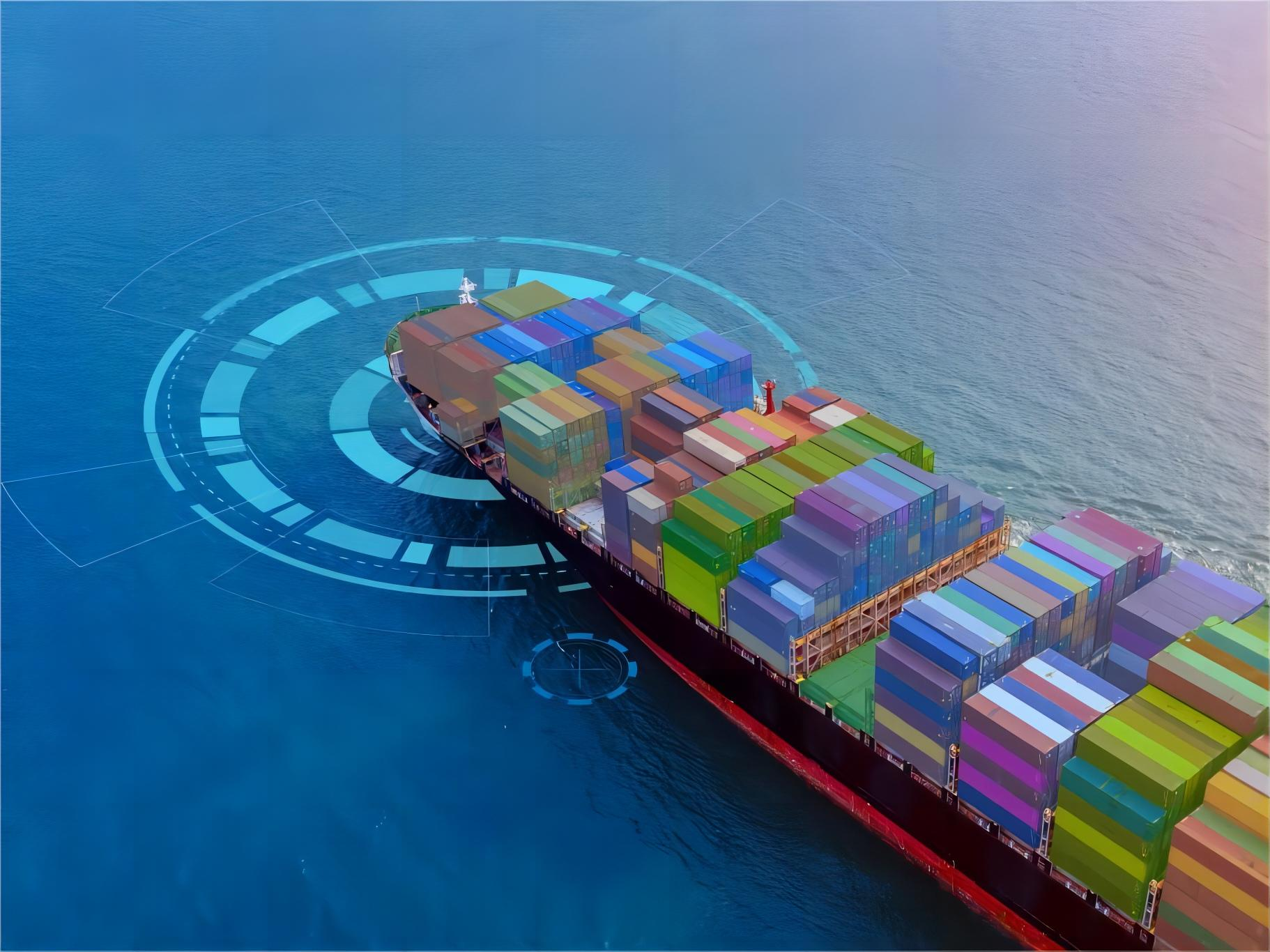
Selecting the right method depends heavily on your cargo volume and budget constraints. For example, sea freight remains the primary choice for bulky items due to its significant cost advantages over other modes. Furthermore, as of early 2026, the integration of smart tracking technology has made monitoring these shipments easier than ever before.
When to Choose FCL for French Imports
FCL is typically the most efficient option when your cargo exceeds 15 cubic meters. Additionally, it minimizes the risk of damage because your goods are not handled alongside other shippers’ products. Consequently, many electronics and luxury goods importers prefer this dedicated space for added peace of mind.
Moreover, FCL shipments often experience shorter transit times since they do not require consolidation or deconsolidation. Therefore, if your delivery schedule is tight but you still require the volume of a sea vessel, FCL is the superior strategy.
The Advantages of LCL Shipping
LCL provides a flexible entry point for small and medium-sized enterprises (SMEs) entering the French market. Instead of paying for an entire container, you only pay for the space you occupy, which significantly lowers the barrier to entry. Indeed, this method is perfect for testing new products or managing smaller, frequent inventory refills.
However, LCL shipments may take slightly longer due to the time needed to group various shipments together. Nevertheless, the cost savings often outweigh the minor delays for non-urgent goods.
How Does Sea Freight Compare to Other Shipping Options?
❖Evaluating different transport modes is a critical step in optimizing your logistics strategy. While sea freight is the most economical, air freight offers unmatched speed for urgent deliveries. Additionally, rail freight has emerged as a middle-ground solution for those shipping to inland French destinations.
Choosing the wrong method can lead to excessive costs or missed deadlines. For instance, shipping heavy machinery via air is rarely sustainable for long-term profitability. On the other hand, sea freight provides the scale needed for massive industrial or consumer goods shipments.
| Shipping Method | Cost Range | Transit Time | Best For |
|---|---|---|---|
| Sea Freight (FCL) | $3,000 – $4,500 | 30-40 Days | Bulk goods, high volume |
| Sea Freight (LCL) | $60 – $120 /CBM | 35-45 Days | Small volumes, SMEs |
| Air Freight | $4.50 – $8.00 /kg | 5-8 Days | Urgent, high-value |
| Rail Freight | $1,800 – $2,800 | 18-24 Days | Eco-friendly, mid-speed |

Which Option Should You Choose for China to France Shipping?
❖Deciding on the best shipping route requires a balance between speed, cost, and reliability. If your primary goal is budget optimization, LCL is the clear winner for volumes under 15 CBM. Conversely, for shipments larger than 20 CBM, FCL becomes more cost-effective on a per-unit basis.
Cargo type also plays a significant role in your decision-making process. For example, hazardous materials or fragile items are often safer in a dedicated FCL container. Without a doubt, consulting with a professional freight forwarder can help you navigate these complex choices based on current 2026 market trends.
Decision Framework for Importers
Priority: Budget -> Choose Sea Freight LCL for small loads or FCL for large loads. This route offers the lowest possible landed cost for most consumer products.
Priority: Speed -> Choose Air Freight. While expensive, it is the only way to meet 2026 market demands for rapid product launches.
Priority: Balance -> Choose Rail Freight. It serves as an excellent alternative when sea freight is too slow and air is too costly.
Understanding 2026 Shipping Costs and Transit Times
❖Freight rates in 2026 have stabilized following the global supply chain adjustments of previous years. However, seasonal peaks such as the pre-Lunar New Year rush still cause temporary price hikes. Typically, you should expect to pay between $3,200 and $4,200 for a 40HQ container from Shanghai to Le Havre.
Transit times remain relatively consistent, with direct routes taking approximately 30 to 35 days. Meanwhile, transshipment routes through hubs like Singapore or Colombo may add an extra 7 to 10 days to the journey. Consequently, planning your inventory cycles well in advance is essential to avoid stockouts in the French market.
| Origin Port | 20GP Container | 40HQ Container | LCL (per CBM) |
|---|---|---|---|
| Shanghai | $2,100 – $2,600 | $3,400 – $4,100 | $75 – $95 |
| Shenzhen | $1,950 – $2,450 | $3,200 – $3,900 | $65 – $85 |
| Ningbo | $2,050 – $2,550 | $3,350 – $4,050 | $70 – $90 |
| Qingdao | $2,200 – $2,750 | $3,600 – $4,300 | $80 – $100 |
Key Ports and Routes for France-Bound Cargo
❖France boasts several major ports that serve as gateways for Chinese goods. Le Havre is the primary port for Northern France and Paris, while Marseille serves the Southern regions and Mediterranean trade. Additionally, Dunkirk and Nantes provide alternative entry points depending on your final delivery location in Europe.
Selecting the right discharge port can significantly reduce your inland transportation costs. For instance, if your warehouse is in Lyon, Marseille might be a more logical choice than Le Havre. Furthermore, understanding the local infrastructure at each port helps in planning efficient final-mile delivery.
Navigating Customs Brokerage and Documentation
❖Clearing customs in France requires meticulous attention to detail and accurate paperwork. Essential documents include the Commercial Invoice, Packing List, and the Bill of Lading. Moreover, having a reliable customs brokerage partner is vital to ensure compliance with EU regulations.
Failure to provide the correct documentation can result in costly delays and storage fees at the port. For example, missing a Certificate of Origin could lead to the application of higher duty rates. Therefore, always double-check your paperwork before the vessel leaves the Chinese port.
| Document Name | Purpose | Required By |
|---|---|---|
| Commercial Invoice | Proof of transaction and value | Customs Authority |
| Packing List | Details of cargo contents | Port Handlers |
| Bill of Lading | Title of goods and contract | Carrier/Consignee |
| EORI Number | EU registration for importers | French Customs |
Real-World Case Studies for China to France Shipping
❖Examining real-world examples helps clarify the practical aspects of china to france sea freight container shipping fcl lcl. These cases illustrate how different strategies impact the total landed cost and delivery timeline. As a result, you can better anticipate the challenges and opportunities of your own shipments.
Each case study reflects market conditions in early 2026, providing a realistic benchmark for your logistics planning. Whether you are shipping high-volume furniture or small batches of apparel, these scenarios offer valuable lessons.
Case Study 1: FCL Industrial Machinery Shipment
Route: Ningbo, China to Marseille, France. Cargo: Industrial CNC machines, 28 CBM, 12,000 kg. Container: 40GP. Shipping Details: Direct service via major carrier. Port of Loading: Ningbo. Port of Discharge: Marseille.
Cost Breakdown: Ocean Freight: $3,100; Origin Charges: $450; Destination Charges: $600; Total Landed Cost (excl. duties): $4,150. Timeline: Booking to Loading: 5 days; Sea Transit: 32 days; Customs Clearance: 3 days; Total Door-to-Door: 42 days. Key Insight: Choosing a direct route to Marseille saved the client $800 in inland trucking costs compared to shipping via Le Havre.
Case Study 2: LCL E-commerce Apparel Shipment
Route: Shenzhen, China to Le Havre, France. Cargo: Summer fashion collection, 6 CBM, 1,200 kg. Method: LCL. Shipping Details: Transshipment via Singapore. Port of Loading: Shenzhen. Port of Discharge: Le Havre.
Cost Breakdown: Ocean Freight: $480 ($80/CBM); Origin Charges: $200; Destination Charges: $350; Total Landed Cost: $1,030. Timeline: Booking to Loading: 7 days; Sea Transit: 38 days; Customs Clearance: 4 days; Total Door-to-Door: 52 days. Key Insight: LCL allowed this boutique brand to maintain inventory levels without the high cost of an underutilized full container.
Strategies for Reducing Your Shipping Costs
❖Reducing logistics expenses is a top priority for competitive businesses in 2026. One effective strategy is to optimize your packaging to fit more goods into a single container. Additionally, consolidating multiple small orders into one LCL shipment can significantly lower your per-unit costs.
Another approach involves negotiating long-term contracts with freight forwarders to lock in favorable rates. Furthermore, choosing off-peak shipping times can save you up to 20% on ocean freight. Indeed, proactive planning is the most powerful tool in your cost-reduction arsenal.
The Benefits of Door-to-Door Logistics
❖Managing every step of the shipping process can be overwhelming for many importers. Consequently, opting for door to door services simplifies the entire journey from the Chinese factory to your French warehouse. This all-inclusive solution covers everything from local pickup to final delivery.
By using a single provider, you reduce the risk of communication gaps and coordination errors. For example, your forwarder handles the transition between sea freight and inland trucking seamlessly. Without a doubt, this integrated approach allows you to focus on your core business while experts manage the logistics.
Market Intelligence and 2026 Trends
❖As of Q1 2026, freight rates from China to Europe have stabilized after the 2025 disruptions. Industry data suggests that carriers are increasing capacity on the Asia-Europe route to meet growing demand. Moreover, green shipping initiatives are becoming more prevalent, with more vessels utilizing LNG or methanol to reduce emissions.
Digitalization is also transforming the industry, with blockchain-based documentation reducing the time spent in customs. Consequently, importers who embrace these technological trends are seeing faster turnaround times. Note: Freight rates are subject to change based on fuel costs, carrier capacity, and seasonal demand. Contact us for a current quote tailored to your specific shipment.
Mastering Your China to France Shipping Strategy
Successfully managing china to france sea freight container shipping fcl lcl requires a balance of strategic planning and expert execution. By understanding the nuances of FCL and LCL, you can make informed decisions that protect your margins and ensure timely delivery. In the competitive landscape of 2026, having a reliable logistics partner is more important than ever.
To summarize, whether you prioritize cost-savings through LCL or speed and security through FCL, the China-France maritime route remains a vital link for your business. Start optimizing your cargo handling today to stay ahead of the curve in international trade.
Ready to streamline your logistics?
Streamline your china to france sea freight container shipping fcl lcl today with expert guidance. Contact Global China Forwarder for a personalized quote and optimize your 2026 supply chain efficiency. Visit our website to learn more about our comprehensive logistics solutions.
Request Quote