


China Container Shipping FCL LCL Freight Forwarder Global Service: 2026 Guide
China container shipping fcl lcl freight forwarder global service remains the backbone of international trade for businesses seeking reliable and scalable logistics solutions in 2026. Navigating the complexities of modern supply chains requires a partner like Global China Forwarder to ensure your goods move seamlessly from factory floor to final destination. Whether you are managing small parcels or massive industrial equipment, understanding the nuances of sea freight is essential for maintaining a competitive edge in the global marketplace.
What Is China Container Shipping FCL LCL Freight Forwarder Global Service?
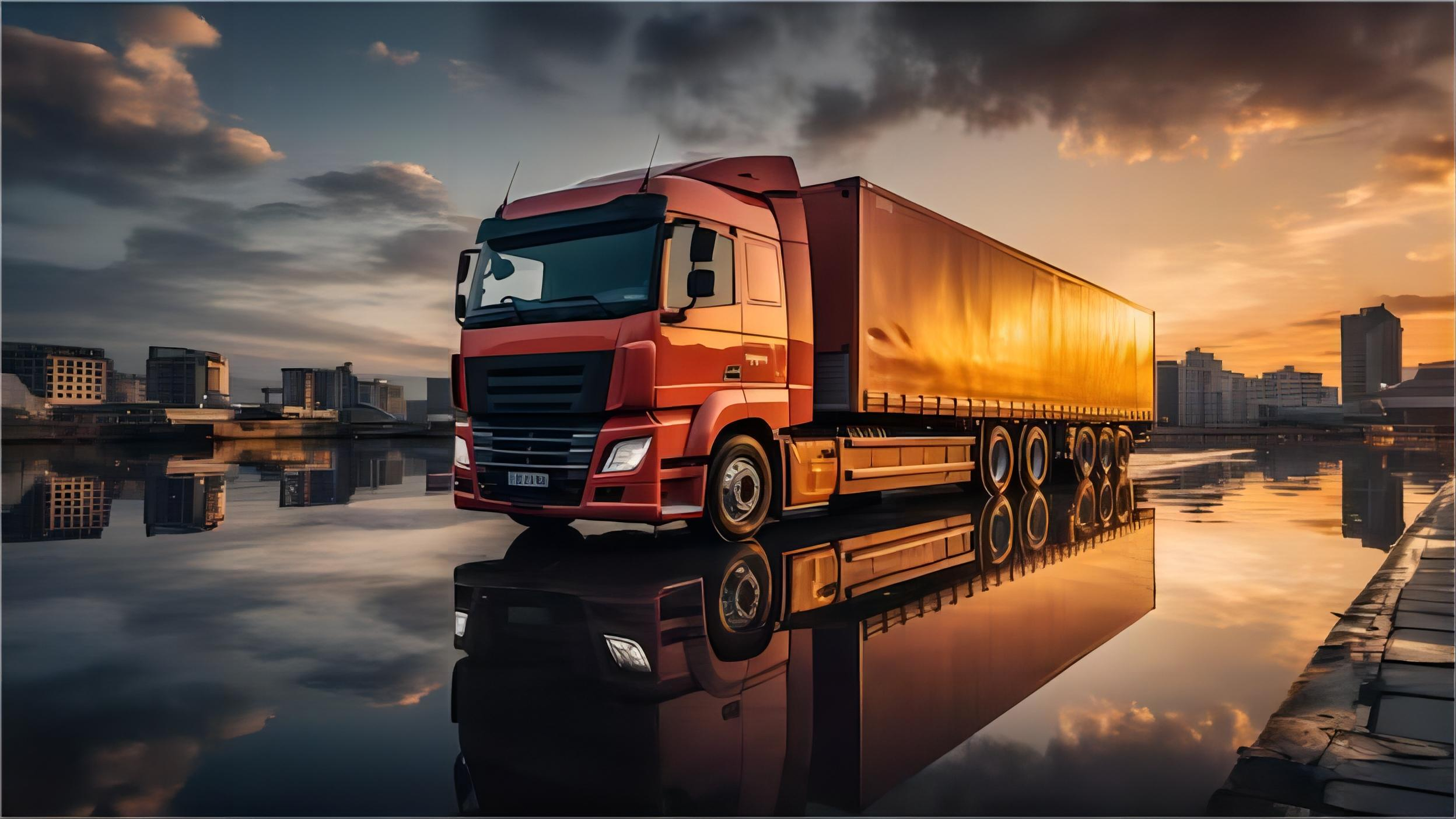
China container shipping fcl lcl freight forwarder global service refers to the comprehensive logistics management of goods transported via sea in standardized containers. Full Container Load (FCL) means your goods occupy an entire 20ft or 40ft container, providing maximum security and faster transit. In contrast, Less than Container Load (LCL) involves sharing container space with other shippers, which is a cost-effective alternative for smaller volumes.
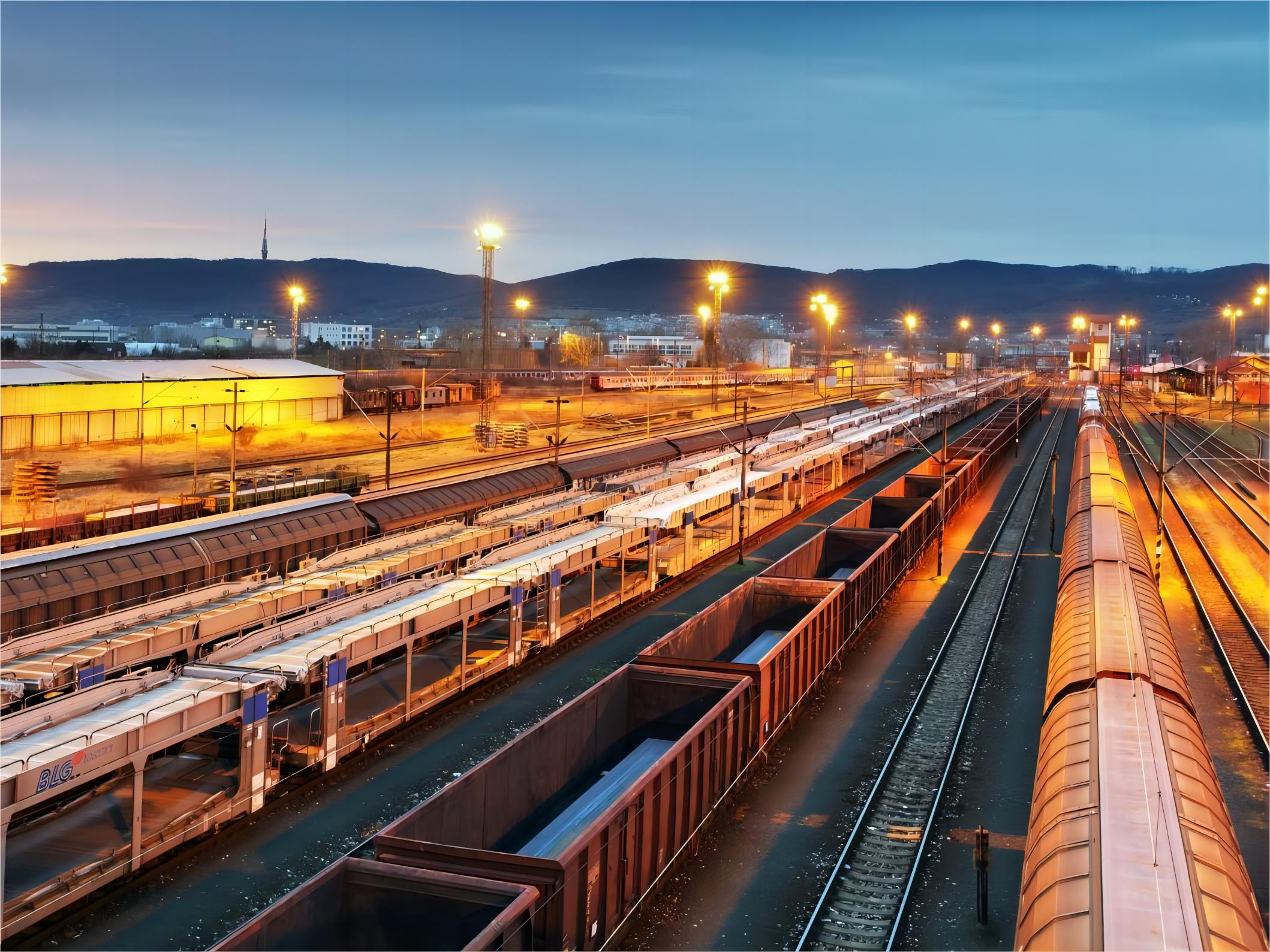
Freight forwarders act as the vital intermediaries who coordinate the entire journey, from origin pickup to final delivery. Consequently, they handle the intricate details of booking space with carriers, managing documentation, and ensuring compliance with international regulations. As of early 2026, these services have become more technologically integrated, offering real-time tracking and predictive analytics for global shippers.
Choosing between FCL and LCL depends largely on your shipment volume, budget, and urgency. For instance, if your cargo exceeds 15 cubic meters, FCL often becomes the more economical choice due to flat-rate pricing. Meanwhile, LCL allows small businesses to access global markets without the financial burden of paying for unused container space.
How Does China Container Shipping Compare to Other Shipping Options?
Evaluating different transport modes is crucial for optimizing your logistics strategy and reducing overall landed costs. While sea freight is the most common method for heavy cargo, other options like air or rail might be more suitable depending on your specific needs. Each method offers a unique balance of speed, cost, and reliability that must be weighed carefully.
Air freight provides the fastest transit times but comes with significantly higher costs, making it ideal for high-value or perishable goods. On the other hand, rail freight offers a middle ground for shipments to Europe, providing faster delivery than sea at a lower cost than air. However, for the vast majority of global trade, ocean shipping remains the most sustainable and cost-effective solution available.
| Shipping Method | Cost Range | Transit Time | Best For | Limitations |
|---|---|---|---|---|
| Sea Freight (FCL) | Low ($1,500 – $4,500) | 15-40 Days | Bulky, heavy goods | Slower transit |
| Sea Freight (LCL) | Medium ($50 – $150/CBM) | 20-45 Days | Small shipments | Higher risk of damage |
| Air Freight | High ($4 – $9/kg) | 3-7 Days | Urgent, high-value | Weight restrictions |
| Rail Freight | Moderate ($2,000 – $4,000) | 18-25 Days | China-Europe trade | Limited destinations |
Which Option Should You Choose for Your Business?
Determining the right shipping strategy requires a clear understanding of your business priorities and cargo characteristics. If your primary goal is budget optimization, sea freight is undoubtedly the winner for large-scale imports. Conversely, if you are launching a new product and need to hit a tight deadline, the speed of express service might justify the extra expense.
Volume thresholds play a significant role in this decision-making process for most international importers. For example, once your shipment reaches approximately 13 to 15 cubic meters, the cost of an LCL shipment often equals that of a 20ft FCL container. Therefore, transitioning to FCL not only secures your goods better but also simplifies the handling process at both the loading and discharge ports.
Cargo type also dictates the best approach, especially when dealing with hazardous materials or fragile items. Professional forwarders recommend FCL for sensitive electronics to minimize handling and reduce the risk of cross-contamination from other shippers’ goods. Furthermore, businesses shipping to fulfillment centers should utilize specialized Amazon FBA services to ensure compliance with strict warehouse requirements.
The Role of a Freight Forwarder in Global Logistics
A professional freight forwarder does much more than just move boxes from one point to another. They serve as your strategic partner, navigating the complex world of customs brokerage to prevent costly delays and penalties. Indeed, their expertise in local regulations and international trade laws is invaluable for maintaining a smooth supply chain flow.
Documentation management is perhaps the most critical task handled by your forwarding partner during the shipping process. They prepare the Bill of Lading, Commercial Invoice, and Packing List, ensuring every detail matches the requirements of both the export and import countries. Consequently, this meticulous attention to detail prevents shipments from being held at the port for administrative errors.
Moreover, modern forwarders offer integrated solutions like door to door delivery, which simplifies the entire logistics chain for the importer. By managing the first-mile pickup, ocean transit, and last-mile delivery, they provide a single point of contact and accountability. This holistic approach reduces the administrative burden on your team and allows you to focus on core business growth.
Case Study 1: FCL Electronics Shipment to North America
Route: Shenzhen, China to Los Angeles, USA. Cargo: Consumer electronics, 28 CBM, 12,000 kg. Container: 40GP. Shipping Details: Carrier: COSCO, Port of Loading: Shenzhen, Port of Discharge: Los Angeles, Route Type: Direct. Cost Breakdown: Ocean Freight: $3,200, Origin Charges: $450, Destination Charges: $600, Customs & Duties: $2,500, Total Landed Cost: $6,750. Timeline: Booking to Loading: 3 days, Sea Transit: 16 days, Customs Clearance: 2 days, Total Door-to-Door: 21 days. Key Insight: Choosing a direct route saved 5 days of transit time compared to transshipment options, which was critical for a product launch in North America.
Case Study 2: LCL Industrial Parts to Europe
Route: Ningbo, China to Hamburg, Germany. Cargo: Machine spare parts, 5 CBM, 2,500 kg. Container: LCL. Shipping Details: Carrier: Maersk, Port of Loading: Ningbo, Port of Discharge: Hamburg, Route Type: Transshipment via Singapore. Cost Breakdown: Ocean Freight: $425 ($85/CBM), Origin Charges: $200, Destination Charges: $350, Customs & Duties: $1,200, Total Landed Cost: $2,175. Timeline: Booking to Loading: 5 days, Sea Transit: 32 days, Customs Clearance: 3 days, Total Door-to-Door: 40 days. Key Insight: LCL provided a cost-effective solution for a shipment that did not require a full container, allowing the client to maintain inventory levels in Europe without excessive shipping costs.
Case Study 3: FCL Furniture Shipment to Australia
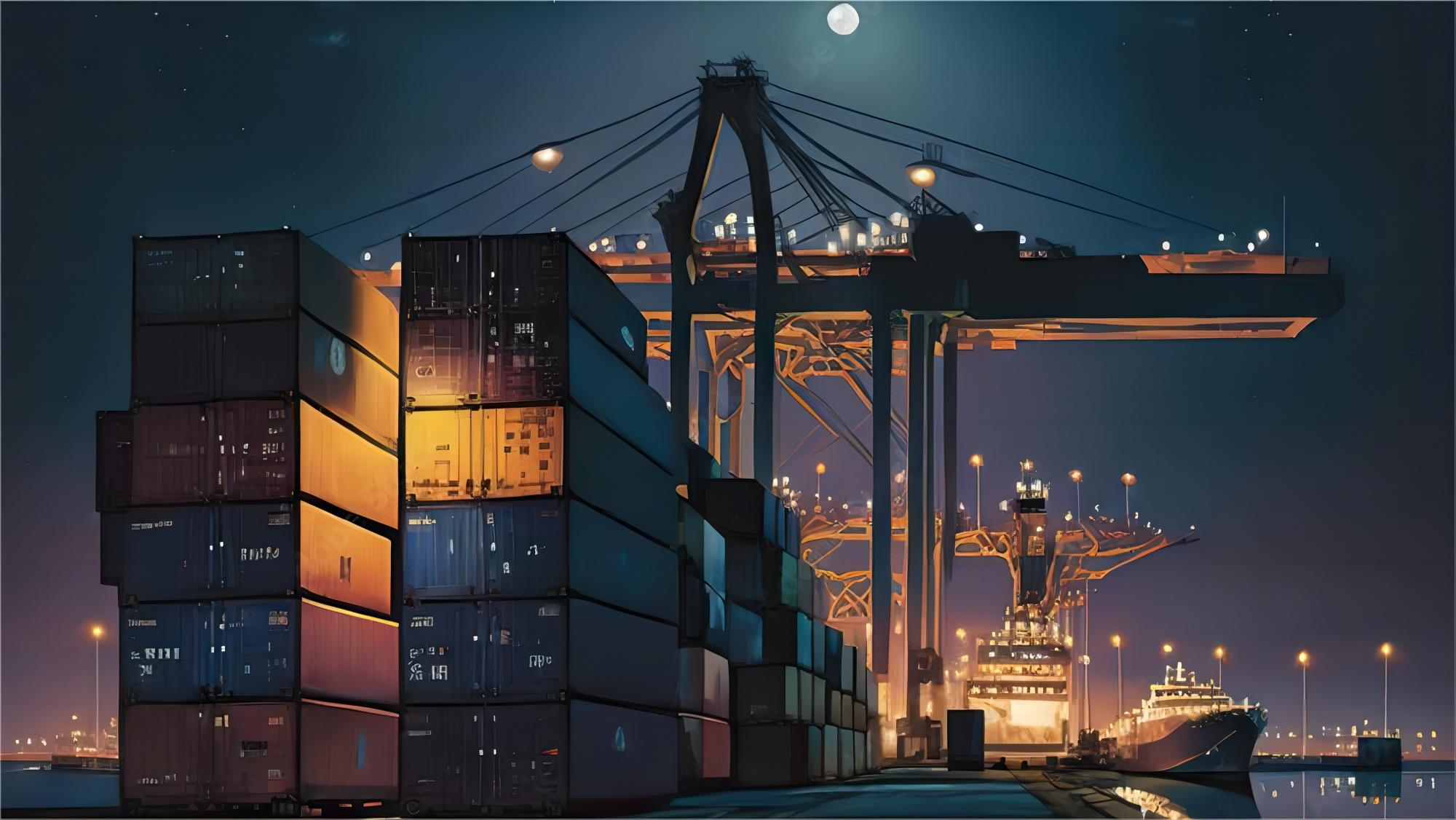
Route: Foshan, China to Sydney, Australia. Cargo: Luxury home furniture, 65 CBM, 8,000 kg. Container: 40HQ. Shipping Details: Carrier: OOCL, Port of Loading: Nansha, Port of Discharge: Sydney, Route Type: Direct. Cost Breakdown: Ocean Freight: $1,650, Origin Charges: $400, Destination Charges: $550, Customs & Duties: $3,000, Total Landed Cost: $5,600. Timeline: Booking to Loading: 4 days, Sea Transit: 14 days, Customs Clearance: 2 days, Total Door-to-Door: 20 days. Key Insight: Utilizing the Nansha port near the manufacturing hub in Foshan reduced inland trucking costs significantly for this Australia bound shipment.
Understanding 2026 Shipping Costs and Market Trends
As of early 2026, the global shipping market has entered a period of relative stability following the disruptions of previous years. However, freight rates still fluctuate based on fuel surcharges, seasonal demand, and carrier capacity management. Typically, rates see a significant increase of 15-25% during the peak season from August to October as retailers prepare for the holiday rush.
Market data suggests that environmental regulations are beginning to impact pricing as carriers invest in greener technologies and low-sulfur fuels. Consequently, shippers may see ‘green surcharges’ appearing on their invoices as the industry moves toward carbon neutrality. Staying informed about these trends allows businesses to budget more accurately and negotiate better long-term contracts with their forwarders.
Note: Freight rates are subject to change based on fuel costs, carrier capacity, and seasonal demand. Contact us for a current quote tailored to your specific shipment.
| Route | 20GP (Standard) | 40HQ (High Cube) | Typical Transit |
|---|---|---|---|
| China to USA West Coast | $1,800 – $2,600 | $3,000 – $4,200 | 14-20 Days |
| China to USA East Coast | $2,800 – $3,800 | $4,800 – $6,200 | 30-35 Days |
| China to UK/Europe | $2,100 – $2,900 | $3,600 – $4,800 | 28-38 Days |
| China to Australia | $900 – $1,300 | $1,500 – $2,200 | 12-18 Days |
Essential Documentation for China Container Shipping
Successful international shipping relies heavily on the accuracy of your documentation to ensure smooth customs clearance. Without a doubt, errors in the Bill of Lading or Commercial Invoice can lead to expensive storage fees and shipment seizures. Therefore, working with an experienced forwarder is essential to verify all paperwork before the vessel departs from China.
The Packing List must provide a detailed breakdown of every item in the container, including net and gross weights. Additionally, certain products may require specific certificates, such as a Certificate of Origin or a Material Safety Data Sheet (MSDS) for chemical goods. Ensuring these documents are prepared in advance will prevent bottlenecks at the port of discharge.
Customs authorities in 2026 have increased their focus on digital documentation and pre-arrival manifest filings. As a result, electronic data interchange (EDI) has become the standard for sharing information between shippers, forwarders, and government agencies. This digital shift has reduced manual processing times but requires absolute precision in data entry.
Mastering Global Trade with Expert Shipping Services
In conclusion, navigating the world of China container shipping fcl lcl freight forwarder global service requires a blend of strategic planning and expert execution. By understanding the differences between FCL and LCL, and leveraging the expertise of a professional forwarder, you can significantly reduce costs and improve delivery reliability. As global trade continues to evolve in 2026, staying informed about market trends and logistics best practices remains the key to long-term success.
Ultimately, your choice of shipping partner will define the efficiency of your international operations. Whether you are shipping to North America, Europe, or Australia, prioritizing clear communication and accurate documentation will ensure your cargo reaches its destination safely and on time. Start optimizing your 2026 logistics strategy today to take full advantage of the opportunities in the global marketplace.
Need a tailored shipping solution?
Ready to streamline your supply chain with a reliable China container shipping fcl lcl freight forwarder global service? Our team of logistics experts is standing by to provide you with a customized quote and expert guidance for your next shipment. Contact Global China Forwarder today to experience seamless international trade. Send Inquiry: https://globalchinaforwarder.com/