

China to South Africa Logistics Shipping Container Rates: 2026 Guide
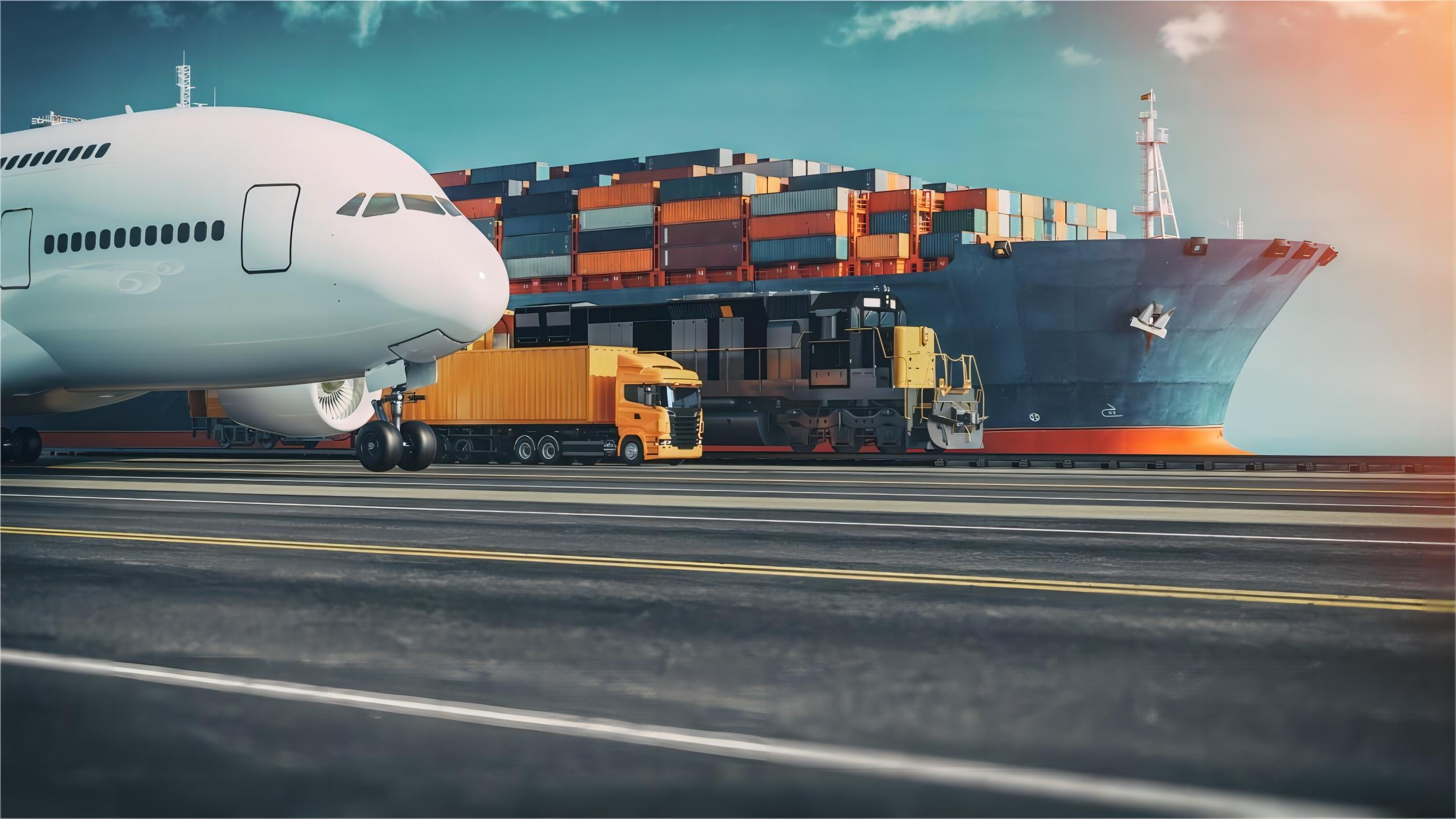
China to south africa logistics shipping container rates have become a focal point for international traders navigating the evolving global economy of 2026. Businesses seeking to optimize their supply chains must balance cost-efficiency with reliable delivery schedules to remain competitive in the South African market. By partnering with a dedicated Global China Forwarder, importers can access real-time market data and streamlined logistics solutions that mitigate common shipping risks. This comprehensive guide explores the current pricing trends, transit options, and strategic considerations for transporting goods from major Chinese hubs to South African ports.
Understanding China to South Africa Logistics Shipping Container Rates in 2026
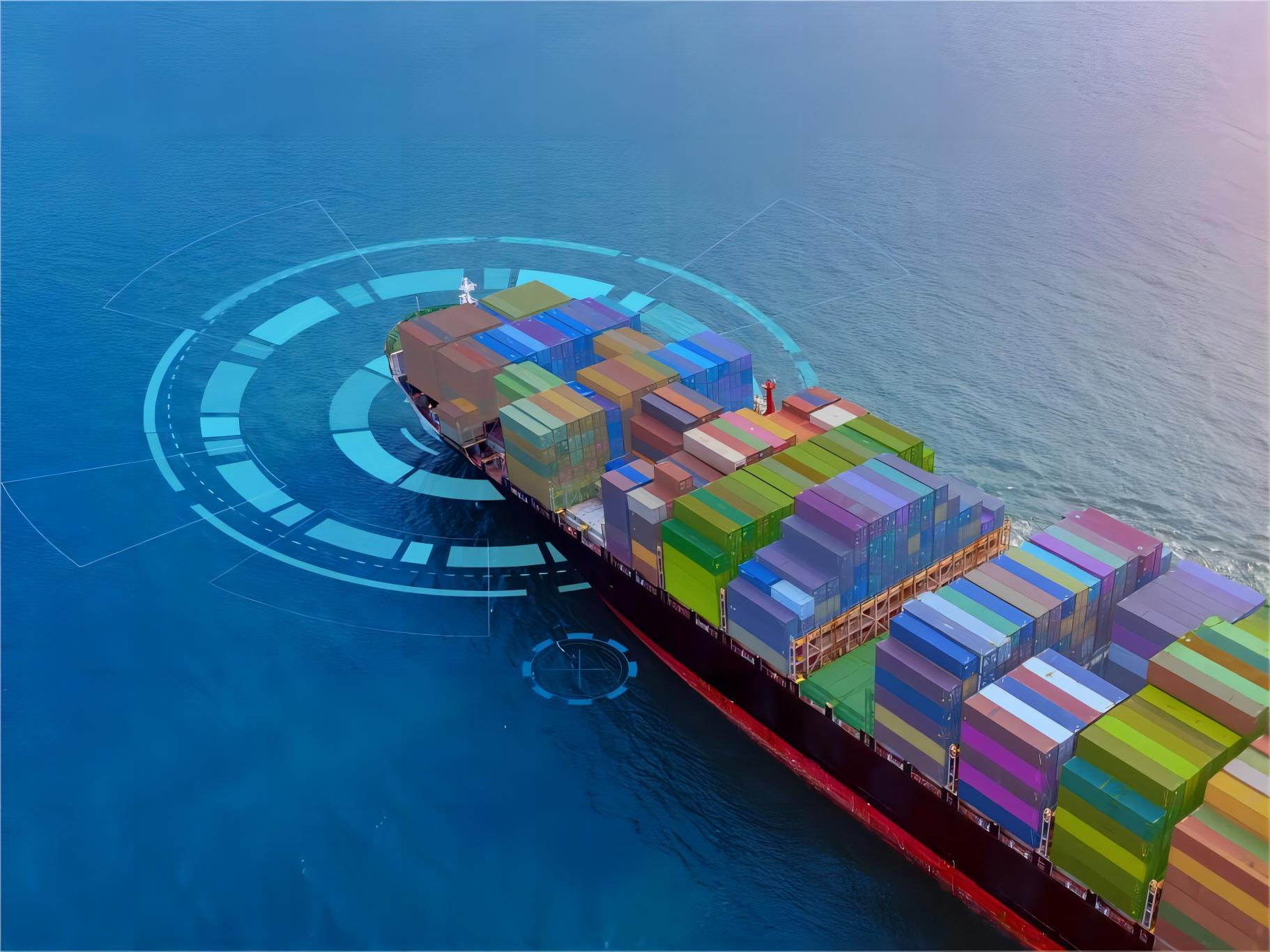
Current market conditions in 2026 have introduced new variables into the calculation of freight expenses. Historically, the route between East Asia and Southern Africa has been influenced by fuel surcharges and seasonal demand spikes.
Moreover, the ongoing infrastructure upgrades at South African ports like Durban and Cape Town are beginning to impact turnaround times. Consequently, shipping lines are adjusting their base rates to reflect these operational shifts.
Importers should note that container availability in major Chinese ports such as Ningbo and Shanghai remains stable. Therefore, booking in advance can often secure more favorable pricing compared to last-minute spot market rates.
Additionally, the integration of green energy surcharges has become a standard component of modern shipping quotes. These fees support the transition to low-emission vessels, which is a growing priority for global carriers this year.
How Does Sea Freight Compare to Other Shipping Options?
Evaluating different transport modes is essential for choosing the right balance between speed and budget. While sea freight remains the most popular choice for bulk commodities, other methods offer distinct advantages for specific cargo types.
Furthermore, the cost-per-kilogram for ocean transport is significantly lower than any aerial alternative. This makes it the preferred method for heavy machinery, textiles, and large consumer electronics shipments.
In contrast, businesses dealing with high-value or perishable goods might find the higher expense of air transport justifiable. The following table provides a clear comparison of the primary shipping methods available for this route.
| Shipping Method | Cost Range | Transit Time | Best For |
|---|---|---|---|
| Sea Freight (FCL) | $1,800 – $4,200 | 22 – 35 Days | Large volumes |
| Air Freight | $4.50 – $8.50/kg | 5 – 8 Days | Urgent cargo |
| Express Service | $8.00 – $12.00/kg | 3 – 5 Days | Small samples |
| Sea-Air Hybrid | $3.00 – $5.00/kg | 12 – 18 Days | Medium urgency |
Factors Influencing Your Shipping Costs and Container Rates
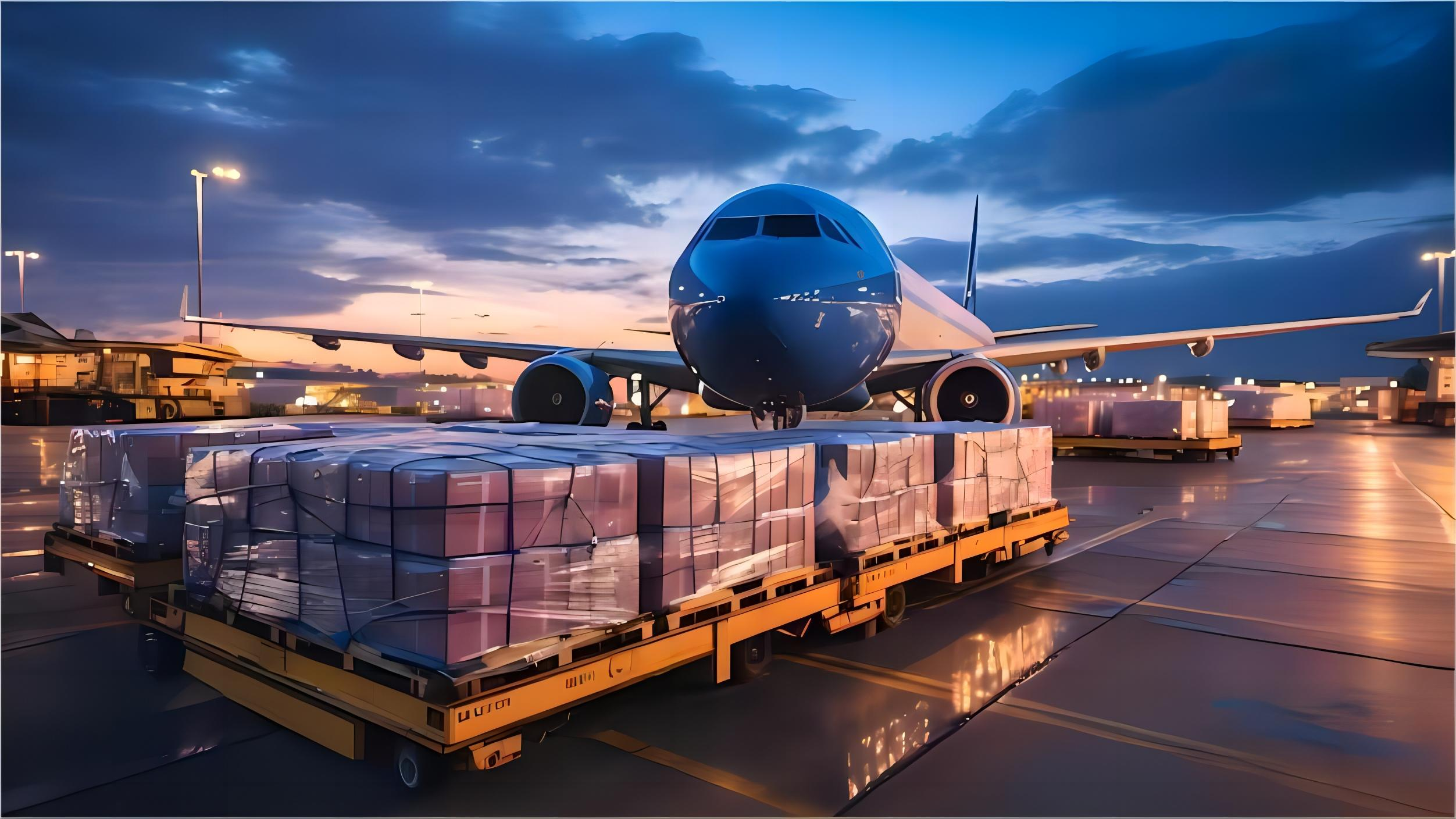
Several dynamic factors contribute to the final price you see on a logistics quote. Fuel price volatility continues to be a primary driver, as carriers frequently update their bunker adjustment factors to reflect global oil markets.
Additionally, port congestion at South African terminals can lead to unexpected surcharges. When vessels are forced to wait outside the harbor, shipping lines often pass these costs onto the customer through congestion fees.
Seasonal fluctuations also play a major role in pricing trends throughout the year. For instance, the months leading up to the year-end holidays typically see a 15% to 25% increase in demand and rates.
Ultimately, the specific port of origin in China can affect the base rate. Shipping from northern ports like Tianjin might carry different costs compared to southern hubs like Shenzhen due to carrier route preferences.
Full Container Load (FCL) vs. Less than Container Load (LCL)
Choosing between FCL and LCL is one of the most significant decisions for an importer. If you have enough cargo to fill at least 70% of a container, door to door FCL shipping is generally the most economical path.
However, smaller businesses often benefit from LCL, where they only pay for the volume their goods occupy. This allows for more frequent shipments without the need to wait for enough inventory to fill a whole unit.
Specifically, LCL rates are calculated per cubic meter (CBM), while FCL is priced per container unit. As of early 2026, the threshold for switching from LCL to FCL typically falls around the 15 CBM mark for the South Africa route.
Moreover, FCL provides a higher level of security since the container is sealed at the origin and only opened at the destination. This reduces the risk of damage or loss during the consolidation and deconsolidation processes.
| Container Type | Avg. Rate (USD) | Capacity | Typical Usage |
|---|---|---|---|
| 20ft GP | $1,800 – $2,400 | 33 CBM | Heavy cargo |
| 40ft GP | $2,900 – $3,600 | 67 CBM | General goods |
| 40ft HQ | $3,100 – $4,200 | 76 CBM | Voluminous items |
| LCL (per CBM) | $65 – $95 | Variable | Small batches |
Which Option Should You Choose? A Decision Framework
Selecting the right shipping strategy depends on your specific business priorities and cargo characteristics. If budget is your primary concern, ocean freight remains the undisputed leader for large-scale logistics operations.
Conversely, if speed is essential to meet a contract deadline, air freight is the only viable solution despite the higher cost. Many companies now use a mix of both methods to balance their inventory needs.
Volume thresholds also dictate the most efficient choice for your bottom line. For shipments under 100kg, express services are often cheaper than sea freight due to the lack of heavy port documentation fees.
Finally, consider the nature of your cargo when making a decision. Fragile or high-value items benefit from the reduced handling involved in air transport or FCL sea shipping.
The Importance of Customs Brokerage and Documentation
Navigating the legal requirements of both China and South Africa is a complex task for any importer. Utilizing a professional customs brokerage service ensures that all paperwork is filed correctly to avoid costly delays.
Required documents typically include the Bill of Lading, Commercial Invoice, and Packing List. In 2026, South African authorities have increased their focus on accurate valuation and classification of imported goods.
Furthermore, certain products may require specific permits or certificates of origin to qualify for preferential trade agreements. Missing or incorrect documentation can result in heavy fines and prolonged storage fees at the port.
Consequently, working with an experienced agent who understands the South African Revenue Service (SARS) regulations is vital. They can provide guidance on duties, taxes, and the latest import restrictions for various product categories.
Transit Times from Major Chinese Ports to South Africa
Transit times vary based on the carrier’s route and whether the shipment is direct or involves transshipment. Typically, a direct vessel from Shenzhen to Durban takes approximately 22 to 25 days under normal conditions.
However, routes involving stops in Singapore or Port Klang may extend the journey to 30 or 35 days. While transshipment routes are often cheaper, they introduce a higher risk of delay during the transfer process.
Notably, the port of destination in South Africa also influences the total timeline. Durban is the primary gateway, but shipments to Cape Town or Port Elizabeth may require additional time depending on the vessel’s rotation.
Importers should also account for the time needed for customs clearance and inland delivery. Typically, this adds another 3 to 7 days to the total door-to-door timeline.
| Origin Port | Destination | Direct (Days) | Transship (Days) |
|---|---|---|---|
| Shenzhen | Durban | 22 – 24 | 30 – 32 |
| Shanghai | Cape Town | 28 – 30 | 35 – 38 |
| Ningbo | Durban | 24 – 26 | 32 – 34 |
| Qingdao | Port Elizabeth | 30 – 32 | 38 – 42 |
Real Case Studies: China to South Africa Shipping Scenarios
Analyzing real-world examples provides valuable context for understanding how logistics costs and timelines play out in practice. These cases reflect typical market rates and operational conditions observed in early 2026.
Case Study 1: High-Volume Electronics Import. A Johannesburg-based retailer imported a 40HQ container of consumer electronics from Shenzhen to Durban. By choosing a direct route, they minimized transit time and ensured product safety.
Case Study 2: Industrial Machinery Parts. A manufacturing firm in Cape Town required 8 CBM of spare parts from Ningbo. They utilized LCL shipping to manage their cash flow while maintaining a steady supply of essential components.
Case Study 3: Urgent Seasonal Apparel. A fashion brand used express service for a 200kg shipment of new samples. This allowed them to launch their collection on time despite manufacturing delays in China.
Case Study 1: Electronics from Shenzhen to Durban
Route: Shenzhen, China to Durban, South Africa. Cargo: Consumer Electronics, 65 CBM, 12,000 kg. Container: 40HQ. Shipping Details: Direct service via major carrier. Port of Loading: Shenzhen. Port of Discharge: Durban. Cost Breakdown: Ocean Freight: $3,250. Origin Charges: $450. Destination Charges: $600. Customs Duties: $2,100. Total Landed Cost: $6,400. Timeline: Booking to Loading: 4 days. Sea Transit: 23 days. Customs Clearance: 3 days. Total Door-to-Door: 30 days. Key Insight: Direct routing saved 8 days compared to transshipment options.
Case Study 2: Machinery Parts from Ningbo to Cape Town
Route: Ningbo, China to Cape Town, South Africa. Cargo: Machinery parts, 8 CBM, 2,500 kg. Container: LCL. Shipping Details: Transshipment via Singapore. Port of Loading: Ningbo. Port of Discharge: Cape Town. Cost Breakdown: Ocean Freight: $680 ($85/CBM). Origin Charges: $220. Destination Charges: $350. Customs Duties: $950. Total Landed Cost: $2,200. Timeline: Booking to Loading: 5 days. Sea Transit: 34 days. Customs Clearance: 4 days. Total Door-to-Door: 43 days. Key Insight: LCL was 40 percent cheaper than a 20GP container for this volume.
Cost-Saving Strategies for Your South African Supply Chain
Optimizing your logistics strategy can lead to significant savings over the course of a fiscal year. One effective method is consolidating multiple small orders from different suppliers into a single FCL shipment.
Furthermore, choosing the right Incoterms can clarify responsibilities and prevent hidden costs. Terms like FOB (Free On Board) allow the importer to have more control over the freight carrier and the associated rates.
Additionally, businesses should monitor market trends to avoid shipping during peak seasons when possible. Planning your inventory cycles to coincide with low-demand periods can reduce container rates by as much as 20 percent.
Finally, always request quotes from multiple forwarders to ensure you are receiving competitive market rates. A reliable partner will provide a transparent breakdown of all fees, including local charges at both ends.
Navigating the Future of China-South Africa Trade
Managing china to south africa logistics shipping container rates requires a proactive approach and a deep understanding of market dynamics. As we have seen, factors ranging from fuel costs to port efficiency play a critical role in determining the final expense of your shipments.
Successfully importing goods in 2026 depends on choosing the right transport mode and preparing accurate documentation. By leveraging the expertise of a professional logistics partner, you can navigate these challenges with confidence.
Ultimately, the goal is to create a resilient supply chain that supports your business growth. Stay informed about industry trends and remain flexible in your logistics planning to capitalize on new opportunities in the South African market.

Ready to streamline your logistics?
Ready to optimize your imports? Secure the most competitive china to south africa logistics shipping container rates today. Contact our expert team for a personalized quote and professional guidance on your next shipment. Visit our website to get started.
Request Quote