

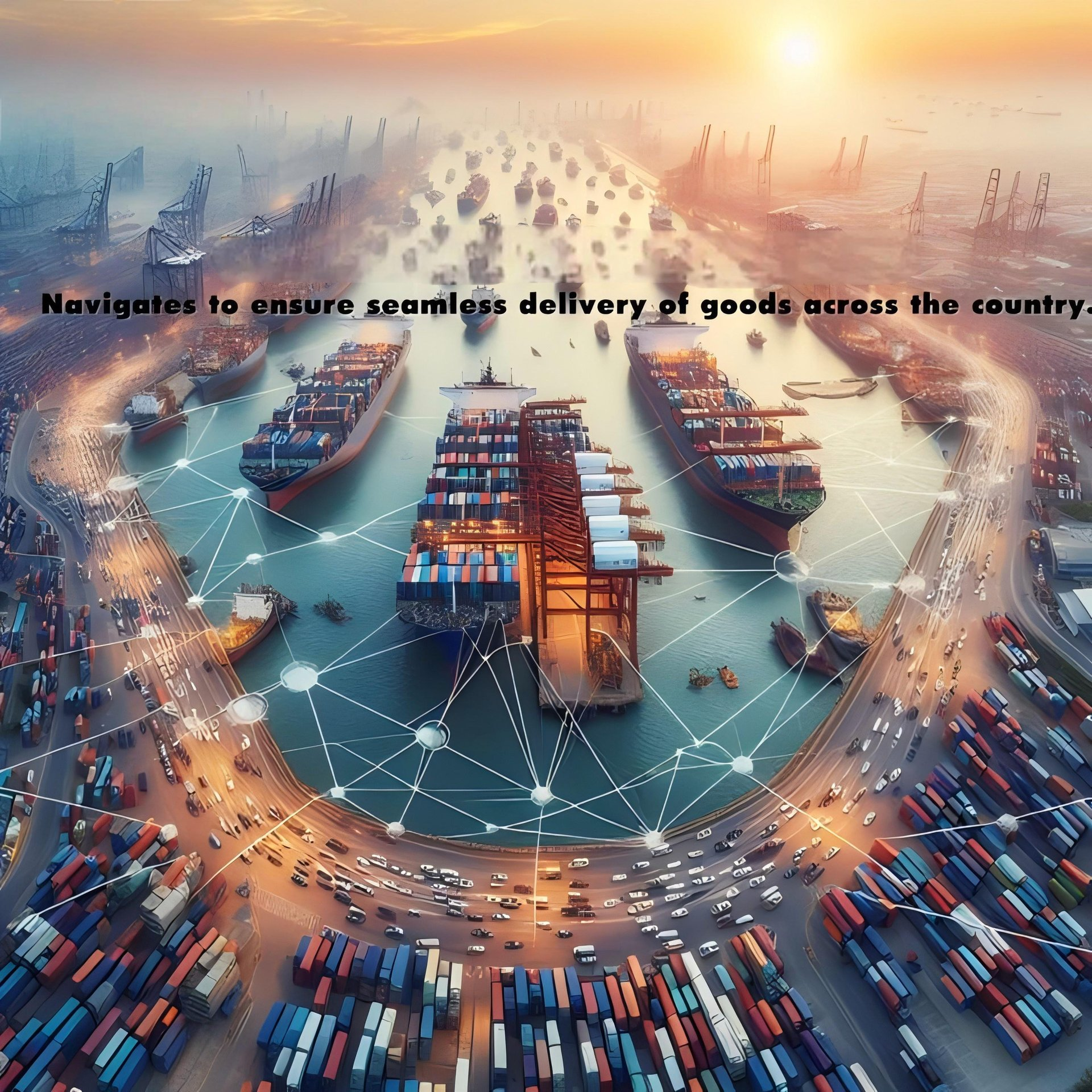
2026 China to Canada Sea Freight Container Shipping Rates FCL LCL
Shipping goods across the Pacific requires a strategic approach to manage logistics costs effectively. Choosing a reliable Global China Forwarder allows businesses to navigate the complexities of international trade with confidence. This guide provides a comprehensive breakdown of china to canada sea freight container shipping rates fcl lcl to help you plan your 2026 procurement budget.
What are China to Canada Sea Freight Container Shipping Rates FCL LCL?
Understanding the fundamental differences between Full Container Load and Less than Container Load is essential for any importer. Ocean freight remains the most cost-effective method for transporting large volumes of goods from Chinese manufacturing hubs to Canadian markets. Consequently, businesses must evaluate their cargo volume to determine which method offers the best value.
Full Container Load (FCL) involves renting an entire 20ft or 40ft container for your exclusive use. This method is generally faster and safer because the container is sealed at the origin and only opened at the destination. Meanwhile, Less than Container Load (LCL) allows multiple shippers to share space within a single container, making it ideal for smaller shipments.
Choosing sea freight ensures that you can move heavy or bulky items that would be prohibitively expensive via air. As a result, most furniture, machinery, and consumer electronics importers rely heavily on these ocean routes. Market conditions in 2026 suggest that while rates have stabilized, seasonal fluctuations still play a significant role in final pricing.
How Does Sea Freight Compare to Other Shipping Options?
Comparing different logistics modes is necessary to balance speed and budget requirements. While ocean freight is the most economical, it is also the slowest option available for the China-Canada route. Therefore, importers must plan their inventory cycles well in advance to account for longer transit times.
Air freight offers a much faster alternative for time-sensitive cargo or high-value items. However, the cost per kilogram is significantly higher than sea freight, often making it unsuitable for low-margin goods. For instance, shipping a pallet of electronics might take 5 days by air but 30 days by sea.
Express services provide the fastest door-to-door delivery but come at a premium price point. In contrast, sea freight remains the backbone of global trade due to its massive capacity and lower carbon footprint per ton-mile.
| Shipping Method | Cost Range | Transit Time | Best For |
|---|---|---|---|
| Sea Freight (FCL) | $2,500 – $5,500 | 18 – 35 Days | Bulk Goods / Large Volume |
| Sea Freight (LCL) | $60 – $120 / CBM | 25 – 45 Days | Small Shipments > 1 CBM |
| Air Freight | $5.50 – $9.00 / kg | 3 – 7 Days | High Value / Urgent |
| Express Service | $9.00 – $15.00 / kg | 2 – 5 Days | Samples / Small Parcels |
Full Container Load (FCL) Pricing Trends for 2026
Pricing for FCL shipments is primarily determined by the size of the container and the specific port pair. For 2026, the industry average for a 20GP container from Shanghai to Vancouver ranges between $2,100 and $2,800. Furthermore, 40HQ containers, which offer double the volume, typically cost between $3,200 and $4,500 depending on the season.
Shipping to the East Coast of Canada, such as Toronto or Montreal, incurs higher costs due to the longer distance. Most cargo destined for the East Coast travels through the Panama Canal or via rail from West Coast ports like Prince Rupert. Consequently, you should expect to pay an additional $1,500 to $2,500 for intermodal transport to Ontario or Quebec.
Market data suggests that rates are most competitive during the second quarter of the year. Conversely, the peak season from August to October often sees a 20% increase in freight charges due to holiday demand. Without a doubt, booking your space at least 3-4 weeks in advance is crucial to securing these rates.
Less than Container Load (LCL) Shipping Costs and Benefits
LCL shipping is the preferred choice for businesses that do not have enough cargo to fill a 20ft container. Rates for LCL are typically calculated based on volume (CBM) or weight, whichever is higher. For 2026, typical LCL rates from China to Canada vary from $70 to $110 per CBM for port-to-port service.
Consolidation is the key process in LCL shipping where multiple small shipments are grouped together. While this saves money, it can add 5-7 days to the overall transit time due to the loading and unloading processes. Additionally, destination charges for LCL can be higher than FCL on a per-unit basis because of warehouse handling fees.
Small businesses often find LCL more manageable for cash flow purposes. Instead of waiting to fill a whole container, they can ship smaller batches of inventory more frequently. Nevertheless, once your shipment exceeds 15 CBM, it is often more economical to book a full 20ft container.
Transit Times and Major Port Routes to Canada
Transit times vary significantly depending on whether you are shipping to Western or Eastern Canada. Shipping from Shenzhen to Vancouver is one of the fastest routes, typically taking 14 to 18 days on the water. On the other hand, shipping to Halifax or St. John’s on the East Coast can take upwards of 35 days.
Port congestion can occasionally impact these timelines, particularly during peak seasons. Major Chinese ports like Ningbo, Qingdao, and Tianjin offer multiple weekly sailings to Canadian hubs. Indeed, selecting a direct service rather than one with transshipments can save you nearly a week of transit time.
Effective customs brokerage is essential to ensure that once the ship arrives, your goods are cleared quickly. Delays at the Port of Vancouver or Prince Rupert can lead to expensive demurrage charges if documentation is not handled correctly. Therefore, preparing your commercial invoice and packing list in advance is highly recommended.
| Origin Port | Destination Port | Average Transit | Service Type |
|---|---|---|---|
| Shanghai | Vancouver | 16 Days | Direct |
| Shenzhen | Prince Rupert | 14 Days | Direct |
| Ningbo | Toronto (Via Rail) | 24 Days | Intermodal |
| Qingdao | Montreal | 32 Days | All-Water |
Which Option Should You Choose?
Choosing between FCL and LCL depends on your specific business needs and cargo characteristics. If your priority is the lowest possible cost for a large shipment, FCL is almost always the better choice. However, if you are testing a new product line with low volumes, LCL provides the flexibility you need without a massive upfront investment.
Budget-conscious shippers should prioritize sea freight over air options. For those shipping to Amazon warehouses, utilizing specialized Amazon FBA logistics can streamline the process significantly. This ensures your goods meet all labeling and palletization requirements before they even reach Canadian soil.
Speed-oriented businesses might consider a hybrid approach. For instance, you could ship the bulk of your inventory via sea freight while sending a small ‘bridge’ shipment via air. This strategy ensures you stay in stock while waiting for the more economical ocean shipment to arrive.
Real-World Case Studies for 2026
Case Study 1: Electronics Distribution. A company in Vancouver imported a 40HQ container of consumer electronics from Shanghai. The ocean freight cost was $3,850 with a total transit time of 17 days. By using FCL, they avoided the handling risks associated with LCL and maintained a lower landed cost per unit.
Case Study 2: Boutique Furniture. A retailer in Toronto imported 8 CBM of handmade furniture from Ningbo via LCL. The total sea freight cost was $840, plus $350 in destination handling fees. Despite a 28-day transit time, the savings compared to air freight allowed them to maintain a competitive retail price.
Case Study 3: Seasonal Apparel. An apparel brand shipped 200kg of samples via air freight to meet a fashion show deadline. While the cost was $1,400, the 4-day delivery was essential for their marketing timeline. This illustrates when the higher cost of air transport is justified over sea freight.
Cost-Saving Strategies for Sea Freight
Reducing your shipping expenses requires a combination of smart planning and negotiation. One effective strategy is to consolidate shipments from multiple suppliers into a single FCL container. This reduces the number of individual bills of lading and simplifies the customs process.
Optimizing your packaging can also lead to significant savings, especially in LCL shipping. By reducing dead space in your boxes, you can fit more units into each cubic meter. Moreover, choosing off-peak shipping dates can help you avoid the General Rate Increases (GRI) that carriers often implement during busy months.
Working with an experienced forwarder allows you to access contract rates that are not available to the general public. These experts can also advise on the best incoterms to use, such as FOB or EXW, depending on your level of control over the supply chain. Consequently, you can avoid hidden markups from suppliers on the shipping portion of your invoice.
Final Thoughts on Shipping from China to Canada
Navigating the world of international logistics is a complex but rewarding endeavor for growing businesses. By understanding the nuances of china to canada sea freight container shipping rates fcl lcl, you can make informed decisions that protect your profit margins. Whether you choose the speed of FCL or the flexibility of LCL, planning ahead remains the most effective way to manage costs.
As we move through 2026, staying informed about market trends and port conditions will give you a competitive edge. Remember to factor in all costs, including customs duties and local delivery, to calculate your true landed cost. With the right logistics partner, your journey from China to Canada can be seamless and efficient.

Need a tailored shipping solution?
Ready to optimize your supply chain with the most competitive china to canada sea freight container shipping rates fcl lcl? Contact our expert team today for a personalized quote and professional logistics support tailored to your business needs. Send Inquiry: https://globalchinaforwarder.com/