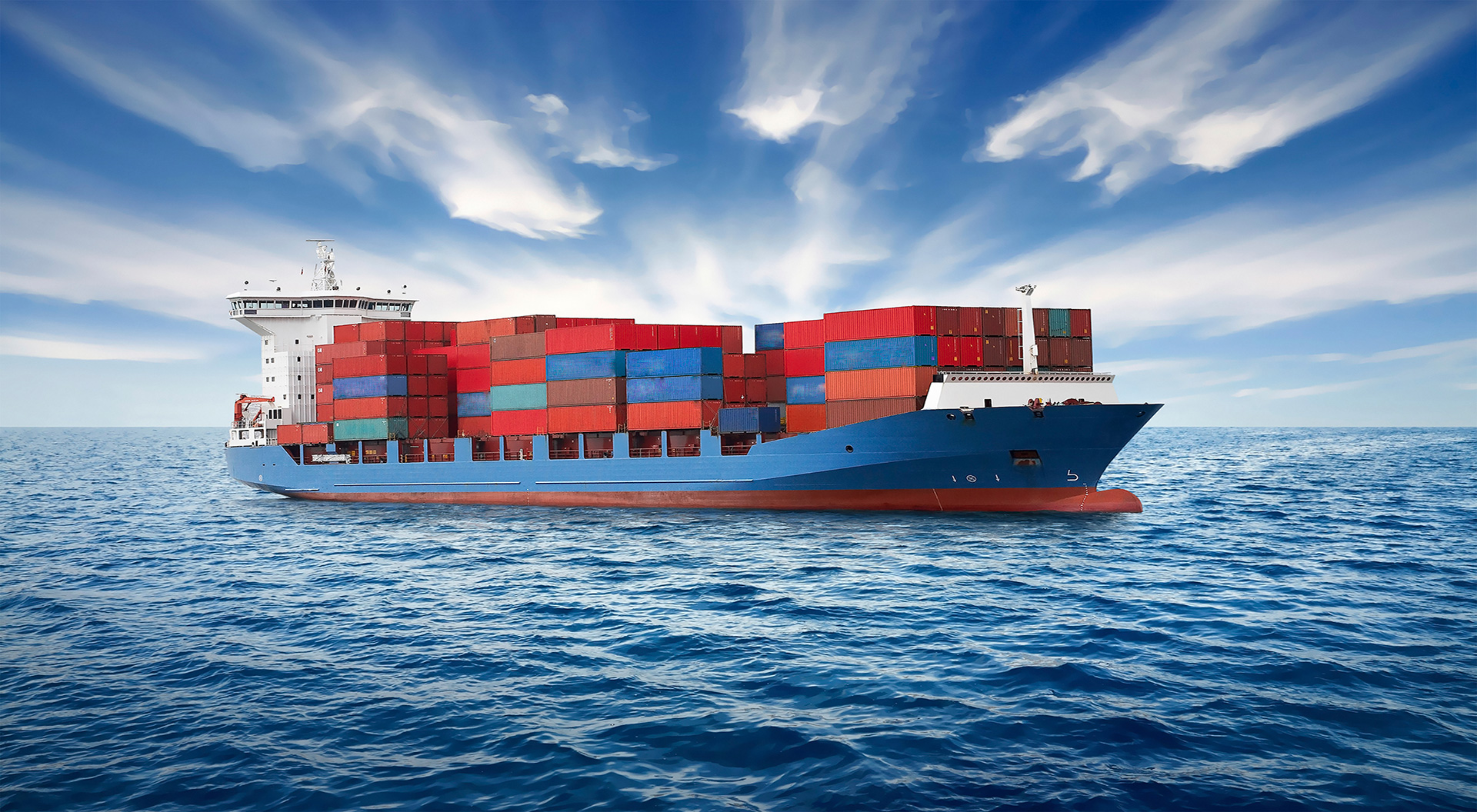
Global China Forwarder provides end-to-end logistics solutions for shipping from China to Vatican City, covering sea freight, air freight, and door-to-door transport services. Supported by strong carrier partnerships and mature Europe-bound routing experience, we help shippers achieve stable transit times, optimized freight costs, and consistent cargo visibility across all transport modes.
From export handling and documentation in China to customs coordination and final inland delivery to Vatican City via Italy, our experienced team manages every shipment with precision. Whether you are shipping religious supplies, printed materials, artworks, or high-value cargo, Global China Forwarder delivers secure, compliant, and scalable logistics solutions tailored to specialized destination requirements.
Our sea freight service from China to Vatican City is arranged via major Chinese ports with arrival at Italian gateways such as Genoa, La Spezia, or Trieste, followed by inland transport to Vatican City. With controlled routing and reliable carrier schedules, we ensure secure cargo handling, predictable transit times, and consistent shipment visibility throughout the ocean and inland transport stages.

Global China Forwarder’s air freight service provides fast and dependable shipping from major Chinese airports to Vatican City via Rome Fiumicino Airport. This solution is ideal for urgent, high-value, or time-sensitive cargo, offering reduced transit times, priority handling, and end-to-end tracking supported by experienced air logistics specialists.

Our door-to-door service from China to Vatican City covers cargo pickup, export customs clearance, international transportation, import customs coordination in Italy, and final inland delivery to Vatican City. This integrated solution reduces logistics complexity, improves delivery reliability, and ensures a smooth and predictable shipping experience for institutional and commercial shippers.

Global China Forwarder’s FCL (Full Container Load) shipping service from China to Vatican City is designed for shippers with large-volume cargo requiring exclusive container usage. This option enhances cargo security, reduces handling risks, and improves schedule stability. We manage container booking, export documentation, port operations, Italian customs clearance, and inland transport to ensure stable transit performance and transparent cost control.
Our LCL (Less than Container Load) shipping service from China to Vatican City is ideal for smaller shipments that do not require a full container. Through efficient cargo consolidation and optimized Europe routing, Global China Forwarder helps reduce freight costs while maintaining reliable transit times. We handle consolidation, warehouse operations, export clearance, destination deconsolidation in Italy, customs processing, and inland delivery to Vatican City to ensure consistent service quality and cargo safety throughout the shipping process.
Global China Forwarder will provide most fuel efficient pickup service China
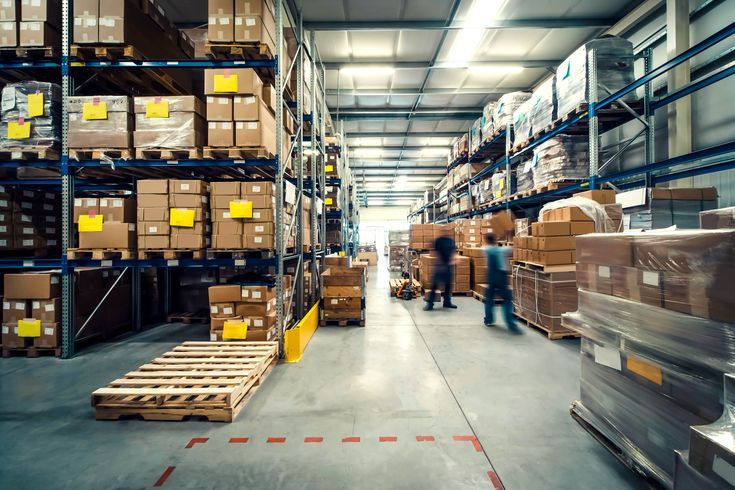
We provide free warehousing services for any of your goods.
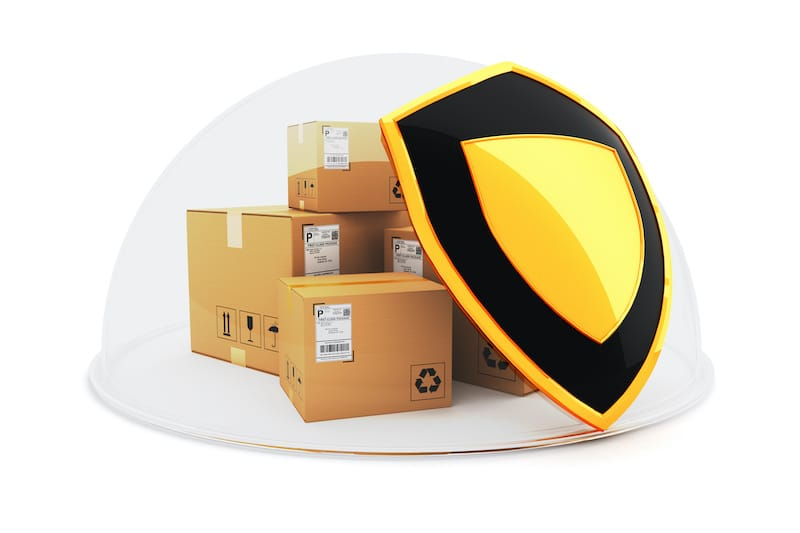
The cargo insurance protects your goods all the way to any Any FBA Warehouse

We handle all paperwork and other details for you.

Ensure safe packaging and loading of goods in your suppliers' factory.
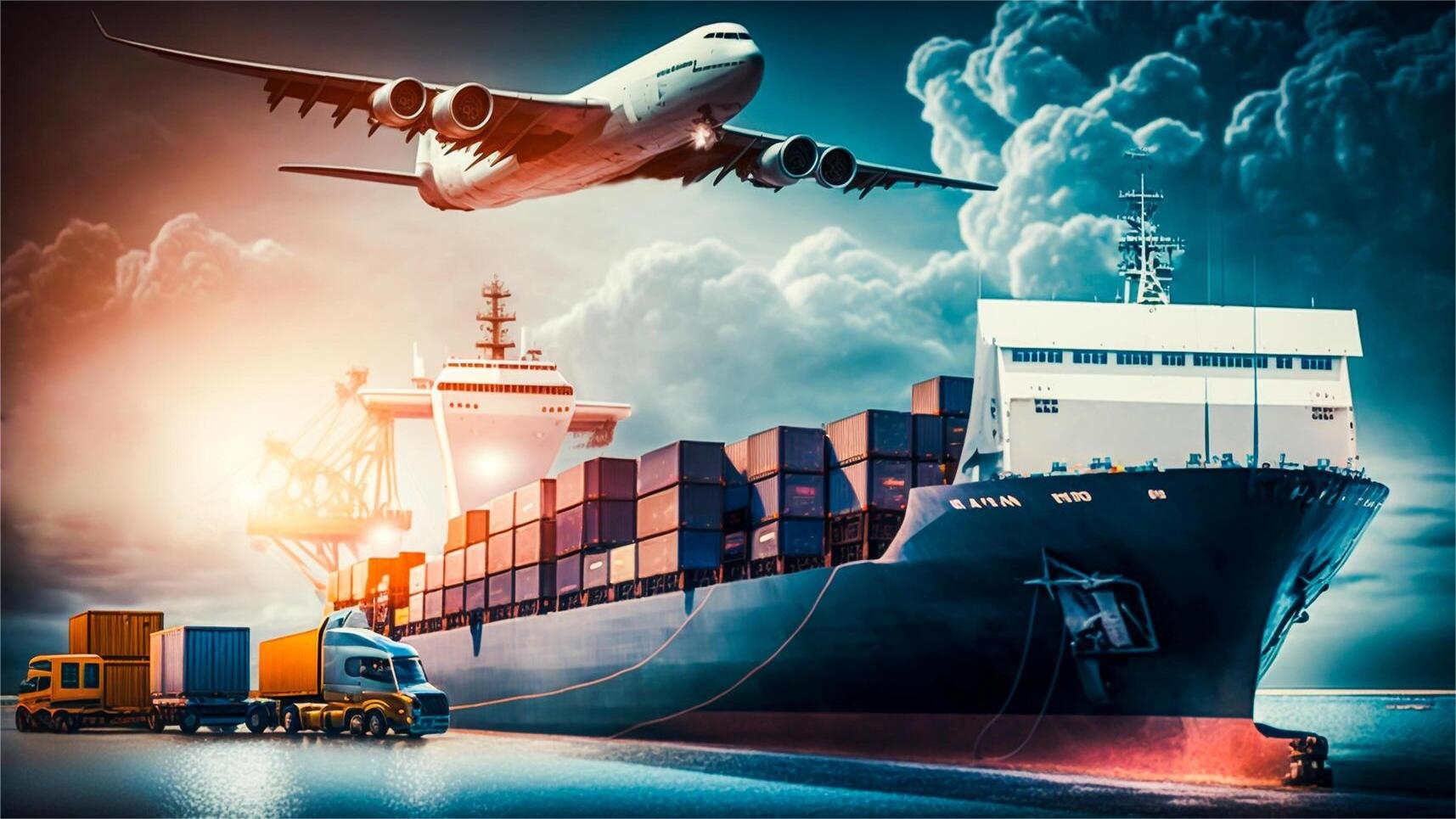
Common shipping methods from China to Vatican City include air freight, sea freight, and express courier services. Air freight is faster and typically takes 5 to 7 business days. Sea freight, although slower, is cost-effective for large shipments, with transit times of 20 to 40 days. Express services offer the quickest delivery, often within 3 to 5 days, but at a higher cost. Each method has its own advantages depending on the urgency and budget of the shipment.
Shipping goods from China to Vatican City requires compliance with both international and local customs regulations. Documentation such as a commercial invoice, packing list, and bill of lading is essential. Additionally, goods must adhere to customs declarations, import duties, and VAT regulations. Ensuring accurate and complete paperwork helps avoid delays and potential penalties. Importers should consult with customs brokers or freight forwarders to navigate these requirements effectively.
To track a shipment from China to Vatican City, use the tracking services provided by your freight forwarder or courier. Most carriers offer online tracking tools where you can enter your shipment’s tracking number to view its status in real-time. Additionally, some services provide email or SMS notifications about key milestones in the shipment process. Tracking ensures visibility and allows you to manage any issues promptly.
Shipping costs from China to Vatican City can be influenced by several factors, including the weight and dimensions of the cargo, the shipping method selected, and the level of service required. Additional costs may arise from customs duties, insurance, and handling fees. Seasonal demand, fuel prices, and the chosen freight forwarder’s pricing structure also play a role in determining the overall shipping cost.
Effective packaging for shipment from China to Vatican City involves using durable materials that protect against damage. For fragile items, use ample cushioning and secure padding. Ensure packaging is appropriately sized for the contents to prevent shifting during transit. Sturdy, well-sealed containers reduce the risk of damage and loss. Label packages clearly with handling instructions and destination details to facilitate smooth processing.
Shipping electronic goods from China to Vatican City requires compliance with both international and local regulations. Ensure that the electronics meet safety and environmental standards, including RoHS and CE certifications if applicable. Customs regulations may require specific documentation, such as certificates of origin and technical specifications. Properly declare the goods to avoid delays and ensure smooth customs clearance.
To minimize delays in shipments from China to Vatican City, choose reliable freight forwarders and carriers with a track record of timely deliveries. Ensure all documentation is accurate and complete to avoid customs issues. Opt for express services if speed is a priority. Monitor shipments closely using tracking tools and address any issues promptly. Effective communication with your freight partners can also help prevent and resolve delays.
When selecting a freight forwarder for shipping to Vatican City, consider factors such as their experience with international shipments, reputation, and customer service. Evaluate their network capabilities, including connections in both China and Vatican City. Check their safety and compliance records, and ensure they offer tracking and support services. Competitive pricing and flexibility in handling different types of cargo are also important considerations for a successful partnership.
The design quality of the international logistics platform emphasizes clarity, efficiency, and usability. The interface is clean and well-organized, allowing users to manage shipments, track cargo status, and access transportation details with minimal effort. Visual hierarchy and consistent layout improve navigation across freight booking, documentation, and delivery modules. The design effectively supports complex logistics operations while maintaining a professional and modern appearance.
The platform offers comprehensive feature availability to support end-to-end international logistics operations. Key functions such as freight booking, real-time shipment tracking, customs documentation management, carrier coordination, and delivery status updates are consistently accessible and reliable. These features ensure smooth handling of complex transportation workflows and provide users with full operational visibility at every stage of the supply chain.
The overall code quality of the international logistics system demonstrates a solid engineering foundation. The architecture is well-structured, with clear separation between freight management, customs clearance, tracking, and billing modules, which improves maintainability and scalability. Naming conventions are consistent and business-oriented, making complex logistics workflows such as multi-leg transportation, carrier allocation, and door-to-door delivery easier to understand and extend. Error handling and data validation are implemented thoughtfully, reducing risks in high-volume shipment processing. Overall, the codebase reflects a strong balance between performance, reliability, and long-term extensibility, which is critical for global freight operations.