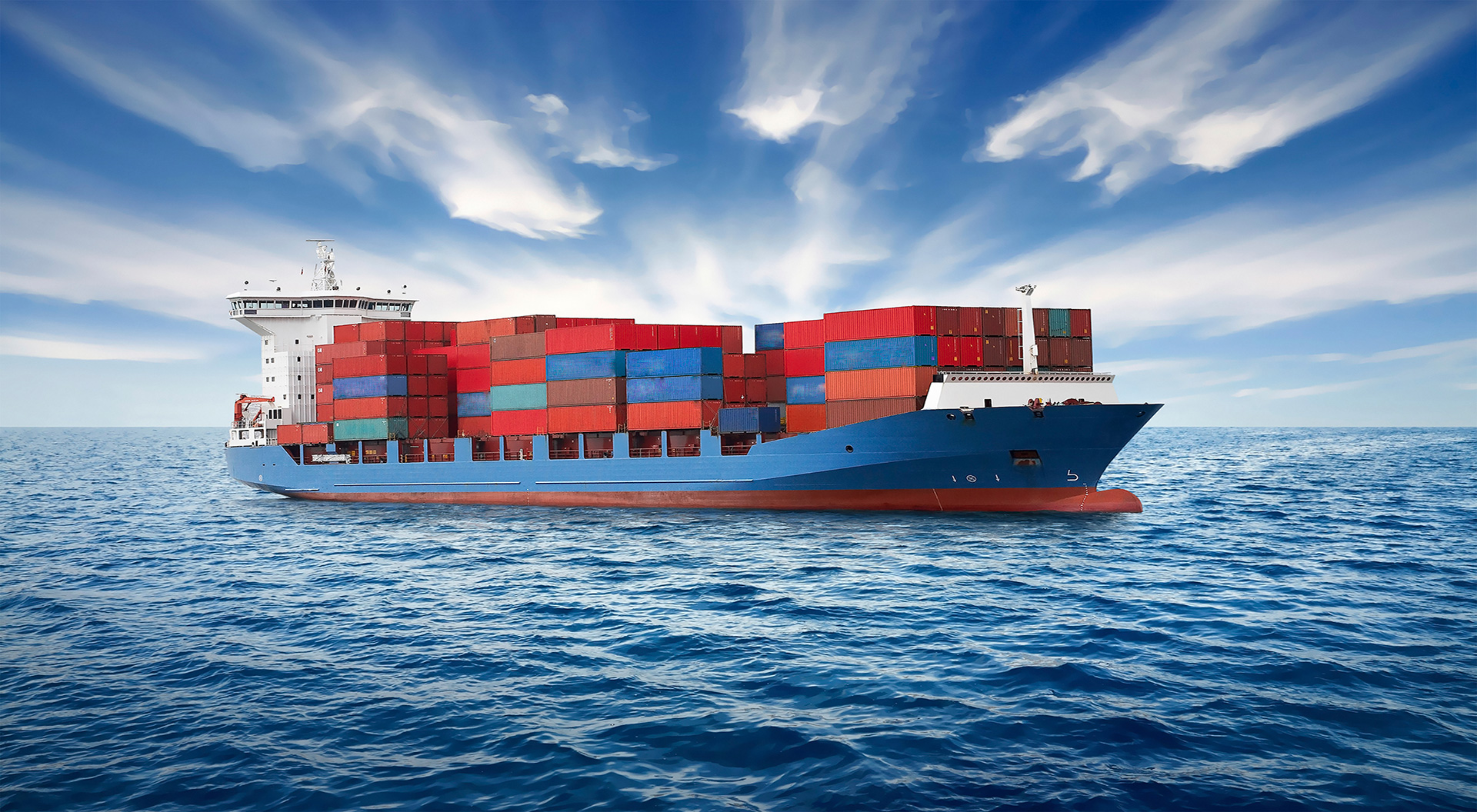
Global China Forwarder provides end-to-end logistics solutions for shipping from China to Sri Lanka, covering sea freight, air freight, and China–South Asia rail-linked transport solutions. Supported by strong carrier partnerships and proven regional routing experience, we help shippers achieve stable transit times, optimized freight costs, and consistent cargo visibility across all transport modes.
From export handling and documentation in China to customs coordination and inland distribution across Sri Lanka, our experienced team manages every shipment with precision. Whether you are moving industrial machinery, consumer goods, textiles, or cross-border e-commerce cargo, Global China Forwarder delivers secure, compliant, and scalable logistics solutions tailored to your business needs.
Our sea freight service from China to Sri Lanka offers reliable and cost-efficient ocean shipping via major ports such as Colombo and Hambantota. With flexible sailing schedules and multiple carrier options, we ensure smooth cargo movement, controlled transit times, and consistent shipment visibility for both commercial and project cargo.

Global China Forwarder’s air freight service provides fast and secure shipping from major Chinese airports to Sri Lanka. Designed for time-sensitive and high-value cargo, this solution ensures shortened transit times, priority handling, and end-to-end cargo tracking supported by experienced air freight professionals.
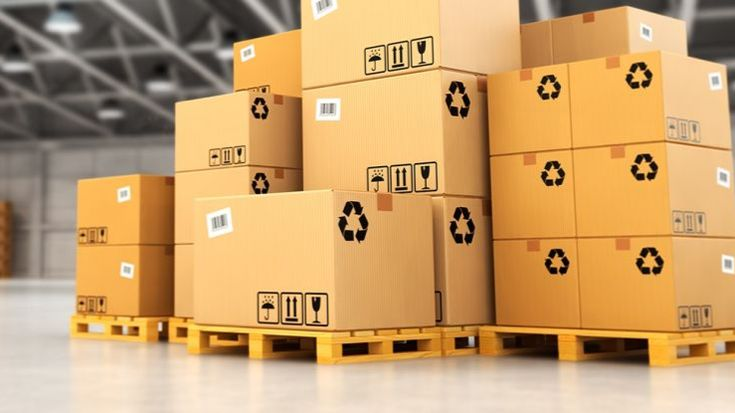
Global China Forwarder’s door-to-door service from China to Sri Lanka provides a fully integrated logistics solution covering pickup, export clearance, international transport, customs handling, and final delivery. This service ensures smooth coordination, reduced transit risks, and reliable shipment control for importers seeking a simplified supply chain.

Global China Forwarder’s FCL (Full Container Load) shipping service from China to Sri Lanka is ideal for shippers with large cargo volumes requiring exclusive use of a full container. This solution improves cargo security, reduces handling risks, and offers more predictable sailing schedules. We manage container booking, export documentation, port operations, and customs coordination, ensuring stable transit performance and clear cost control for manufacturers, traders, and long-term importers.
Our LCL (Less than Container Load) shipping service from China to Sri Lanka is designed for smaller shipments that do not require a full container. By efficiently consolidating cargo, Global China Forwarder helps reduce shipping costs while maintaining reliable transit times. We handle consolidation, warehouse operations, export clearance, deconsolidation in Sri Lanka, and inland delivery, ensuring secure handling, accurate documentation, and consistent service quality throughout the logistics process.
Global China Forwarder will provide most fuel efficient pickup service China
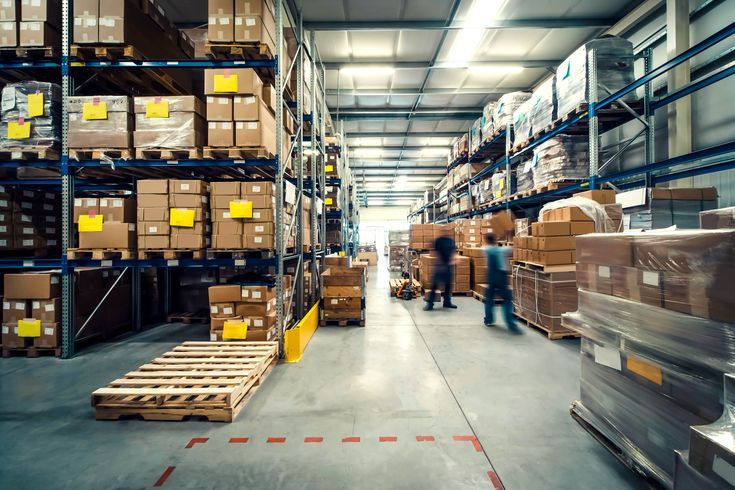
We provide free warehousing services for any of your goods.
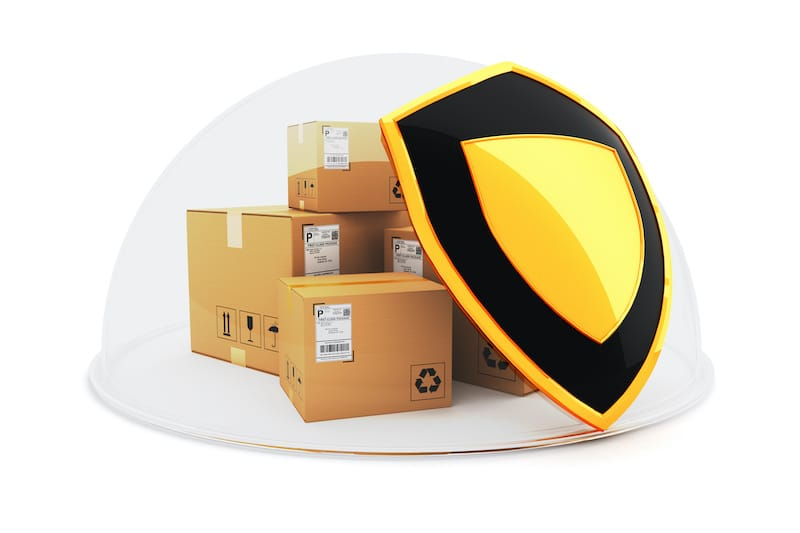
The cargo insurance protects your goods all the way to any Any FBA Warehouse
We handle all paperwork and other details for you.

Ensure safe packaging and loading of goods in your suppliers' factory.

The primary shipping methods from China to Sri Lanka include sea freight, air freight, and rail freight. Sea freight is cost-effective for large volumes but slower, taking 20-30 days. Air freight offers faster delivery, typically within 5-10 days, but is more expensive. Rail freight is less common but can be a viable alternative depending on the specific logistics and needs.
Several factors influence shipping costs, including the method of transport (sea or air), shipment size and weight, distance, and the urgency of delivery. Additional costs can arise from customs duties, handling fees, and insurance. Choosing the right freight forwarder and optimizing packaging can help manage and potentially reduce costs.
To track your shipment, use tracking tools provided by your freight forwarder or carrier. Most services offer online tracking systems where you can input your tracking number to view real-time updates. Additionally, you can contact your freight forwarder directly for status updates and detailed information on your shipment's location.
Essential customs documentation includes a commercial invoice, packing list, and bill of lading or air waybill. Depending on the type of goods, additional documents such as certificates of origin or import permits may be required. Ensuring all documentation is complete and accurate is crucial to avoid delays and compliance issues.
Sea freight transit times from China to Sri Lanka generally range from 20 to 30 days. This duration depends on the specific ports of departure and arrival, the shipping line used, and any transshipment points along the route. For more precise transit times, consult with your freight forwarder.
Yes, shipping perishable goods requires adherence to specific regulations. You must ensure proper packaging with temperature control, use appropriate documentation such as health certificates, and comply with import regulations for perishable items. Choosing a freight forwarder experienced in handling perishable goods is essential to ensure compliance and timely delivery.
If your shipment is delayed, first check the tracking system provided by your freight forwarder for updates. If you need further assistance, contact your freight forwarder directly to inquire about the delay. They can provide information on the current status, potential reasons for the delay, and any necessary steps to resolve the issue.
Selecting the best freight forwarder involves evaluating their reputation, experience with routes to Sri Lanka, and customer reviews. Ensure they offer comprehensive services, including customs clearance, tracking, and reliable delivery times. Request quotes from multiple forwarders to compare pricing and services before making a decision.
Common challenges include navigating customs regulations, managing shipping delays, and dealing with port congestion. Ensuring accurate documentation and understanding local regulations can help mitigate these issues. Collaborating with experienced freight forwarders can also ease the process and address potential challenges effectively.
To minimize shipping costs, consider optimizing shipment size and weight, choosing the most cost-effective transportation method, and negotiating rates with freight forwarders. Efficient packaging and consolidating shipments can also reduce costs. Additionally, maintaining a good relationship with your forwarder can lead to better rates and service options.
The overall code quality of the international logistics system demonstrates a solid engineering foundation. The architecture is well-structured, with clear separation between freight management, customs clearance, tracking, and billing modules, which improves maintainability and scalability. Naming conventions are consistent and business-oriented, making complex logistics workflows such as multi-leg transportation, carrier allocation, and door-to-door delivery easier to understand and extend. Error handling and data validation are implemented thoughtfully, reducing risks in high-volume shipment processing. Overall, the codebase reflects a strong balance between performance, reliability, and long-term extensibility, which is critical for global freight operations.
The design quality of the international logistics platform emphasizes clarity, efficiency, and usability. The interface is clean and well-organized, allowing users to manage shipments, track cargo status, and access transportation details with minimal effort. Visual hierarchy and consistent layout improve navigation across freight booking, documentation, and delivery modules. The design effectively supports complex logistics operations while maintaining a professional and modern appearance.
The platform offers comprehensive feature availability to support end-to-end international logistics operations. Key functions such as freight booking, real-time shipment tracking, customs documentation management, carrier coordination, and delivery status updates are consistently accessible and reliable. These features ensure smooth handling of complex transportation workflows and provide users with full operational visibility at every stage of the supply chain.