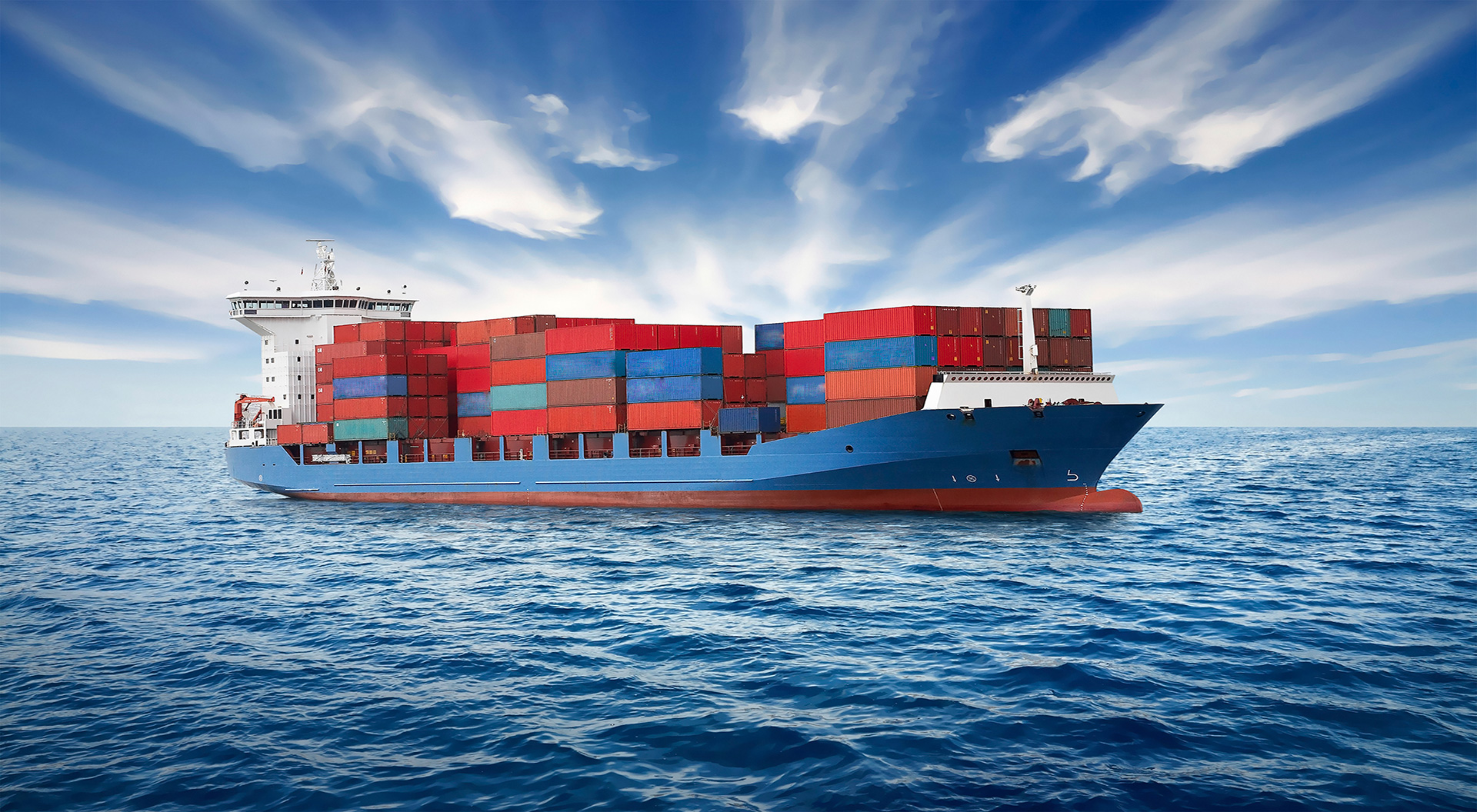
Global China Forwarder provides professional logistics solutions for shipping from China to Paraguay, supporting cargo flows into a landlocked South American market that relies on neighboring seaports and long cross-border inland corridors.
Paraguay’s imports are primarily routed through regional Atlantic gateways and river-connected transport networks, making gateway selection and inland coordination critical. We focus on route planning, customs sequencing, and inland delivery control, ensuring China-origin cargo moves efficiently into Paraguay’s domestic market.
Sea freight for shipments from China to Paraguay is arranged through selected South American seaports, followed by long-distance inland transportation into a landlocked destination. Rather than arriving directly at a Paraguayan port, ocean cargo must move through regional gateways before continuing inland. Global China Forwarder manages sea freight with clear planning around port selection, vessel schedules, and downstream inland connectivity. Our service includes export documentation in China, coordination with destination-side partners at gateway ports, and structured inland routing into Paraguay. This option is widely used for machinery, industrial equipment, consumer goods, and large-volume commercial cargo.
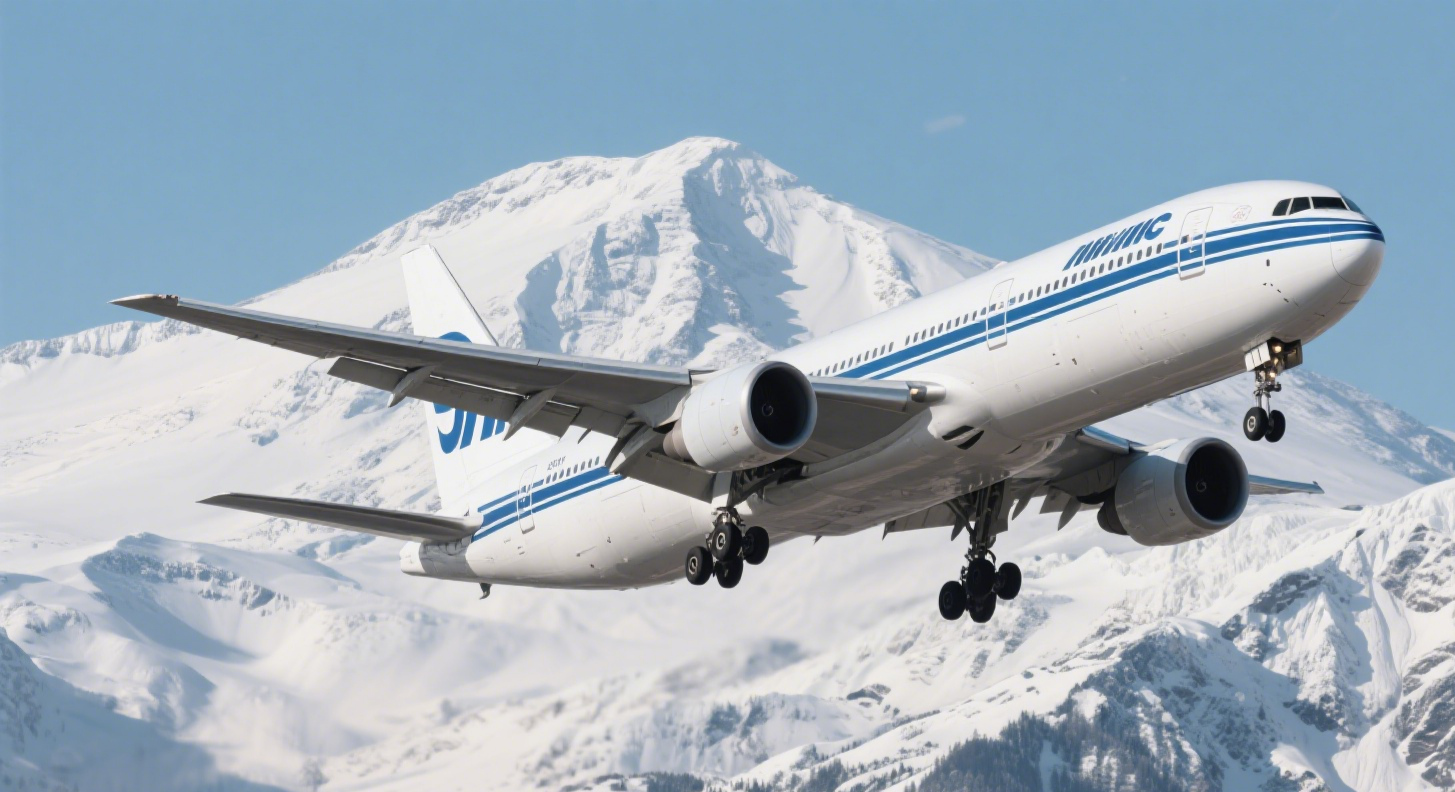
Air freight for shipments from China to Paraguay is primarily used to reduce extended inland transit time, not to replace ocean transport. As a landlocked country, Paraguay relies on air cargo entry through regional aviation hubs, followed by coordinated inland delivery.
Global China Forwarder structures air freight services with attention to airport choice, customs processing efficiency, and cross-border inland transfer, making this solution suitable for high-value electronics, critical spare parts, medical equipment, and time-sensitive cargo destined for Paraguay’s inland market.

Door-to-door shipping to Paraguay requires tight coordination across international transport and long inland delivery chains. Global China Forwarder designs door-to-door solutions that integrate sea or air transport, customs coordination, and cross-border inland movement under a unified logistics structure.
This service is commonly used by Paraguay-based importers and distributors who require predictable inland delivery timelines and clearly defined responsibility across multiple transport segments, from origin in China to final delivery within Paraguay.

Full Container Load shipping is the preferred option for regular volumes moving from China to Paraguay, particularly for cargo requiring stable inland transit across extended routes. FCL reduces cargo handling during cross-border movement and provides clearer customs processing throughout the inland delivery process.
Global China Forwarder manages container loading, sealing, tracking, and arrival coordination to support consistent delivery performance into Paraguay’s landlocked market.
Less than Container Load shipping is suitable for smaller shipments entering Paraguay where full-container volumes are not required. Due to extended inland routing, LCL shipments are typically planned with flexible delivery timelines and consolidated inland transfer arrangements.
This option is commonly used for replenishment cargo, mixed commercial goods, and trial shipments serving Paraguay-based buyers who prioritize cost efficiency over transit speed.
Global China Forwarder will provide most fuel efficient pickup service China
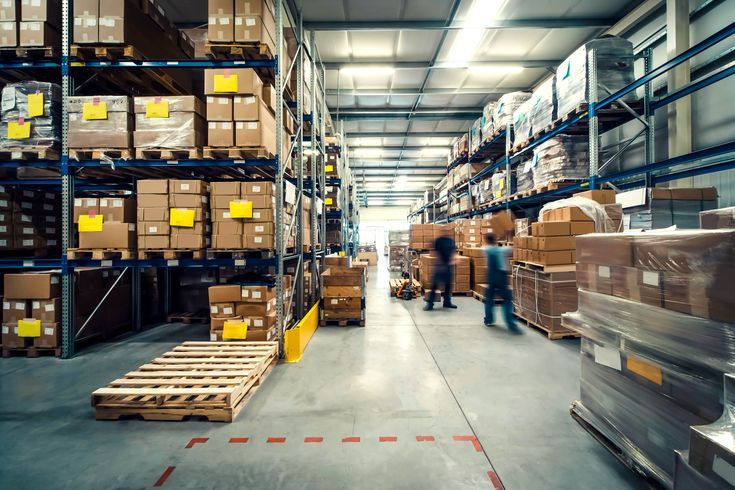
We provide free warehousing services for any of your goods.
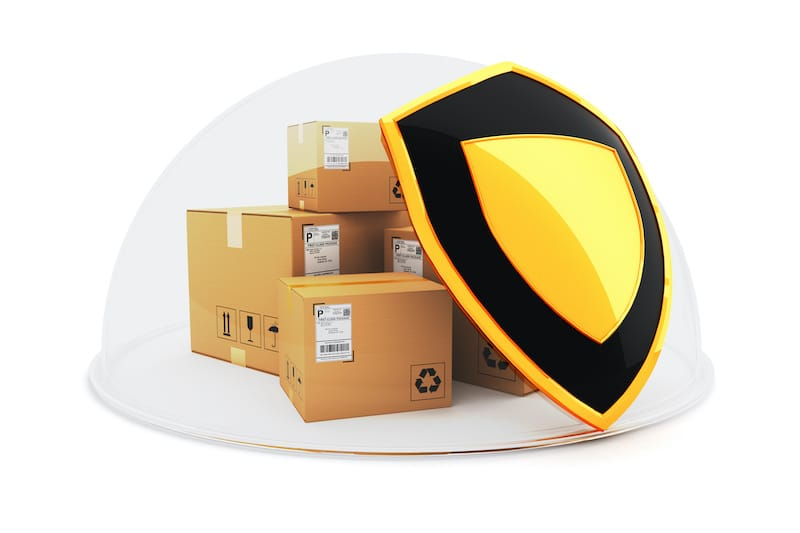
The cargo insurance protects your goods all the way to any Any FBA Warehouse
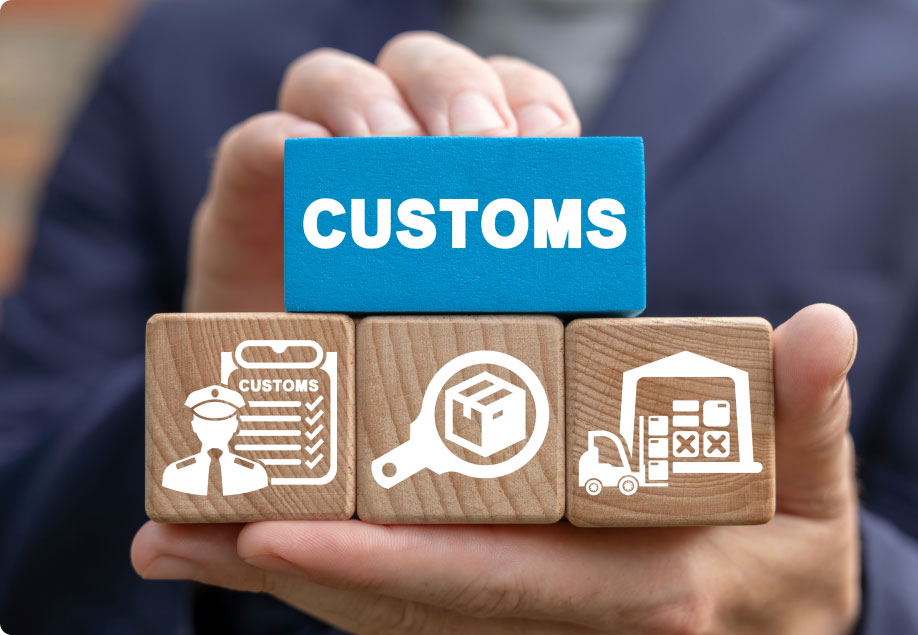
We handle all paperwork and other details for you.

Ensure safe packaging and loading of goods in your suppliers' factory.
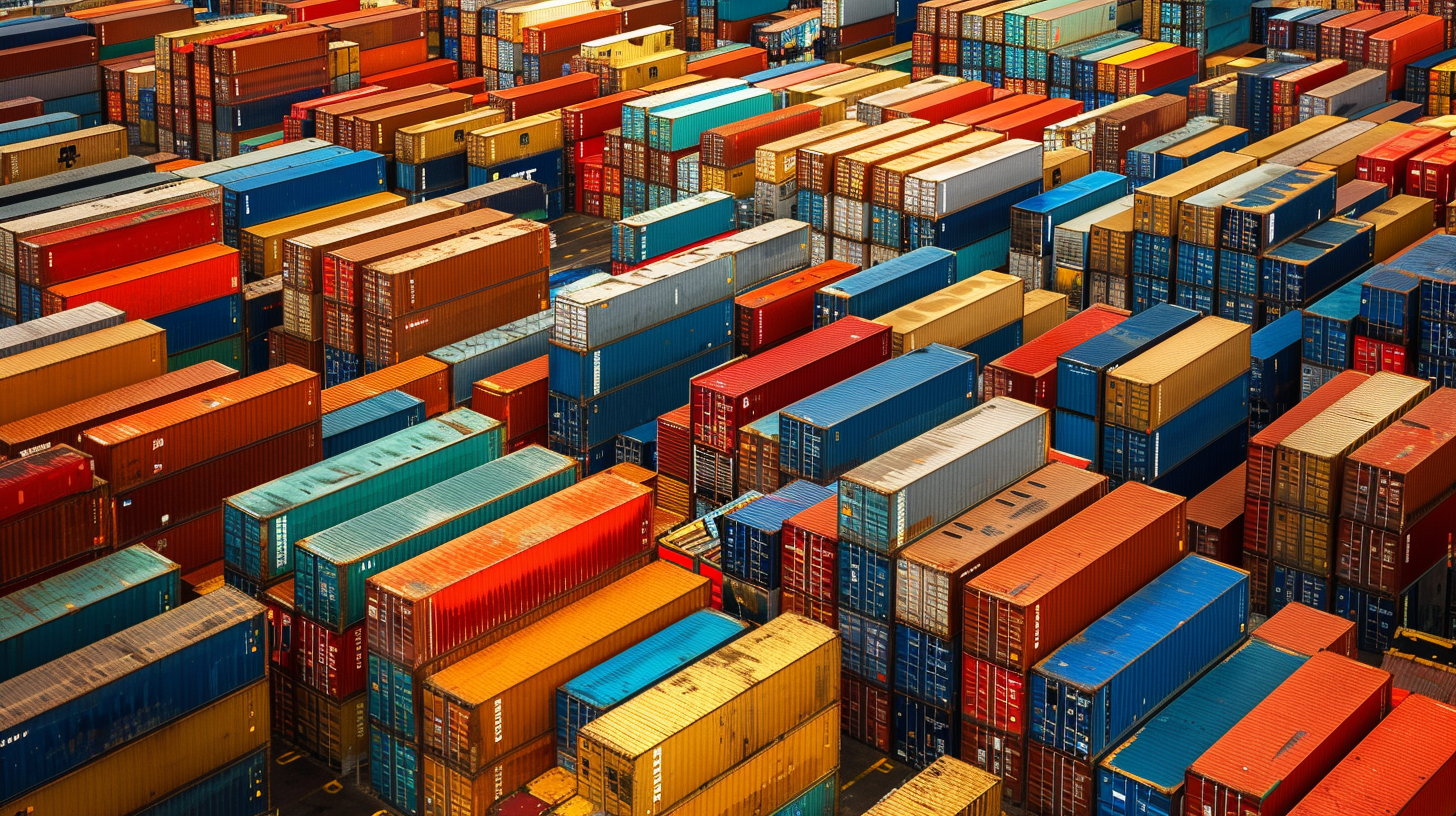
Express shipping via international couriers like DHL, FedEx, or UPS typically takes 7 to 15 days. These companies offer door-to-door service, with delivery time depending on flight schedules and customs processing.
Sea freight costs vary based on factors like cargo volume, weight, and port fees. Generally, sea freight is less expensive but takes longer compared to other methods. For precise costs, consulting a freight forwarder is advisable.
Air freight options include express services (e.g., DHL, FedEx, UPS) and cargo airlines (e.g., China Eastern Airlines, Air China Cargo). Express services are faster but more costly, while cargo airlines are suitable for bulk shipments.
Typically required documents include an invoice, packing list, waybill, certificate of origin, and an import permit. The specific documents needed can vary depending on the type of cargo and customs requirements.
Major logistics providers include international companies such as DHL, FedEx, and UPS, as well as Chinese companies like COSCO Shipping and ZTO Express. Each offers different services and pricing structures.
Shipments can be tracked via the logistics company’s website or mobile app. Each shipment is assigned a unique tracking number, which allows you to monitor the cargo’s current status.
Potential delays can be caused by customs clearance issues, flight cancellations, transit problems, or weather conditions. Being aware of these factors can help in planning and managing shipment times.
Import duty rates in Paraguay depend on the type and value of the goods. They typically include customs duties, VAT, and other applicable fees. For specific rates, consulting with Paraguayan customs authorities is recommended.
Sea freight generally takes 30 to 45 days, while air freight usually takes 7 to 14 days. Air freight is faster but more expensive, whereas sea freight is more economical but slower.
Electronics often require specific documentation and compliance with regulations, including safety standards and import permits. It is important to check Paraguayan import regulations and ensure all necessary paperwork is completed.
The platform offers comprehensive feature availability to support end-to-end international logistics operations. Key functions such as freight booking, real-time shipment tracking, customs documentation management, carrier coordination, and delivery status updates are consistently accessible and reliable. These features ensure smooth handling of complex transportation workflows and provide users with full operational visibility at every stage of the supply chain.
The design quality of the international logistics platform emphasizes clarity, efficiency, and usability. The interface is clean and well-organized, allowing users to manage shipments, track cargo status, and access transportation details with minimal effort. Visual hierarchy and consistent layout improve navigation across freight booking, documentation, and delivery modules. The design effectively supports complex logistics operations while maintaining a professional and modern appearance.
The overall code quality of the international logistics system demonstrates a solid engineering foundation. The architecture is well-structured, with clear separation between freight management, customs clearance, tracking, and billing modules, which improves maintainability and scalability. Naming conventions are consistent and business-oriented, making complex logistics workflows such as multi-leg transportation, carrier allocation, and door-to-door delivery easier to understand and extend. Error handling and data validation are implemented thoughtfully, reducing risks in high-volume shipment processing. Overall, the codebase reflects a strong balance between performance, reliability, and long-term extensibility, which is critical for global freight operations.