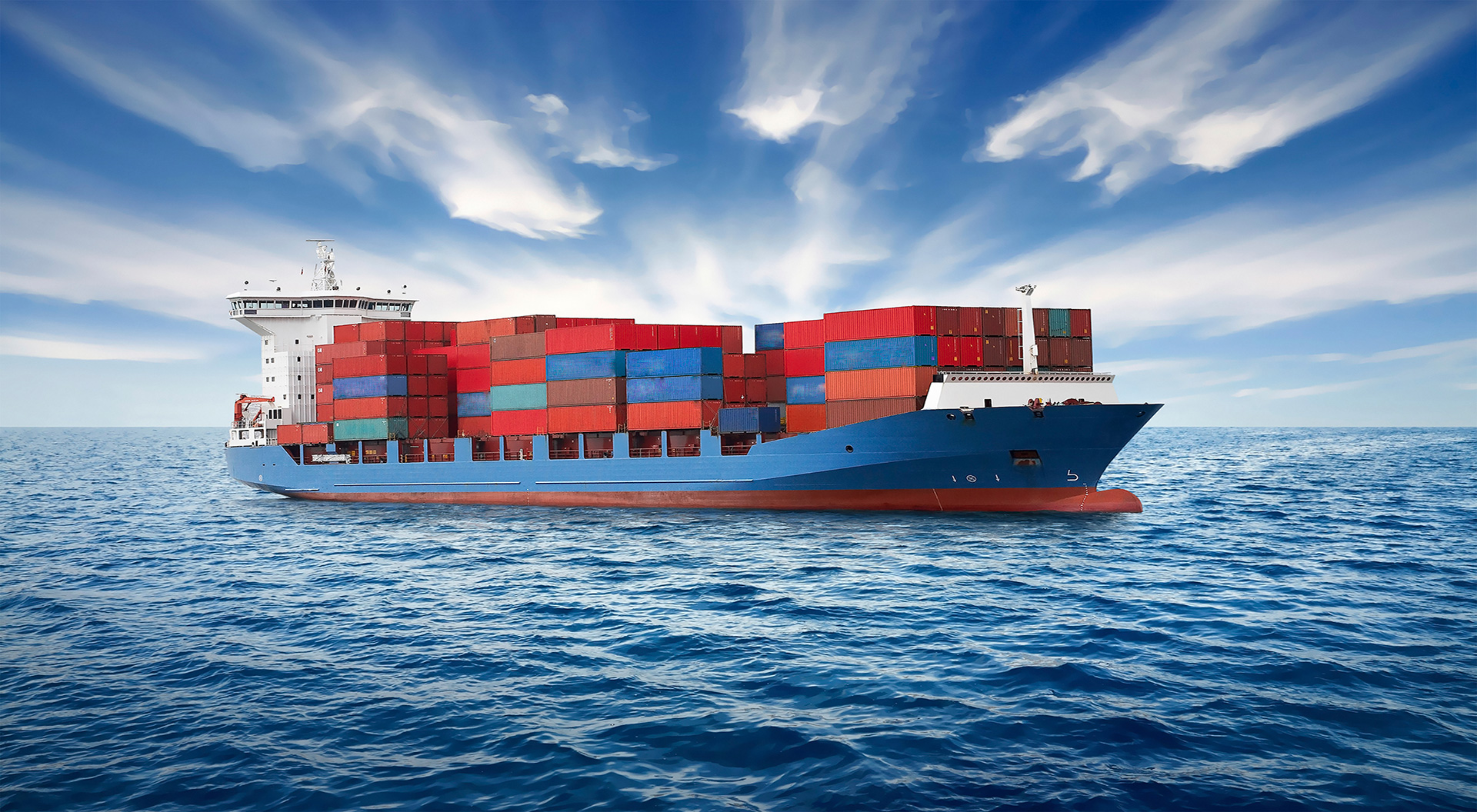
Global China Forwarder provides reliable and fully integrated logistics solutions for shipping from China to El Salvador, covering sea freight, air freight, and professionally managed door-to-door logistics services. With hands-on experience in China–Central America trade lanes, we help importers handle Pacific routing, regional distribution, and cost-sensitive delivery planning.
From export documentation and cargo handling in China to international transportation, customs coordination, and inland delivery across El Salvador, our logistics team manages each step with practical control. Whether shipping consumer goods, textiles, electronics, machinery, or regional distribution cargo, Global China Forwarder delivers compliant and scalable logistics solutions tailored to El Salvador–bound supply chains.
Global China Forwarder provides stable sea freight services from China to El Salvador via Pacific trade routes. This solution is suitable for containerized cargo, wholesale goods, and non-urgent commercial shipments. Sea freight offers the most economical option for Central American imports with predictable scheduling. We manage carrier selection, space booking, documentation, and port handling through Acajutla.

Global China Forwarder offers secure air freight services from China to El Salvador for urgent or high-value shipments. This option is commonly used for electronics, samples, spare parts, and time-sensitive retail goods. Air freight helps reduce inventory pressure in smaller markets. We coordinate airline space, customs procedures, and airport handling through San Salvador.
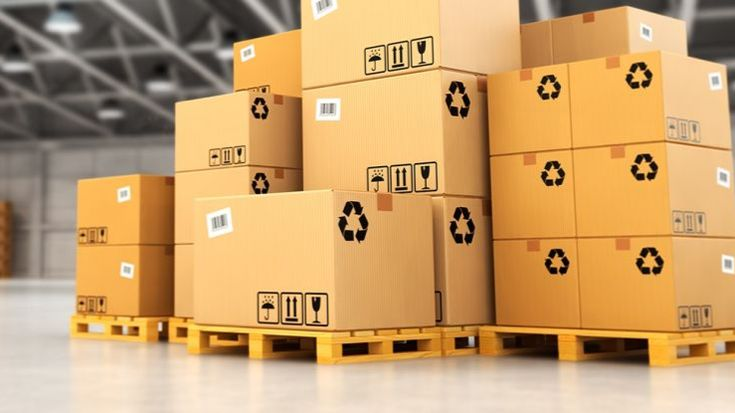
Global China Forwarder delivers fully integrated door-to-door logistics solutions from China to El Salvador under a single transport plan. This service simplifies coordination for importers unfamiliar with local procedures. We handle pickup, export clearance, international transport, customs support, and final inland delivery to warehouses, factories, or distribution centers across El Salvador.

Full Container Load (FCL) shipping is often the most efficient option for El Salvador when shipping recurring volumes or wholesale cargo. A dedicated container reduces handling risk and improves clearance efficiency.
FCL is commonly used for textiles, furniture, machinery, appliances, and retail inventory serving both local consumption and regional distribution.
Less than Container Load (LCL) shipping is suitable for small or irregular shipments but requires careful planning. Consolidation and deconsolidation timing can directly affect delivery schedules in Central America.
Global China Forwarder evaluates shipment urgency and documentation readiness before recommending LCL for El Salvador-bound cargo.
Global China Forwarder will provide most fuel efficient pickup service China
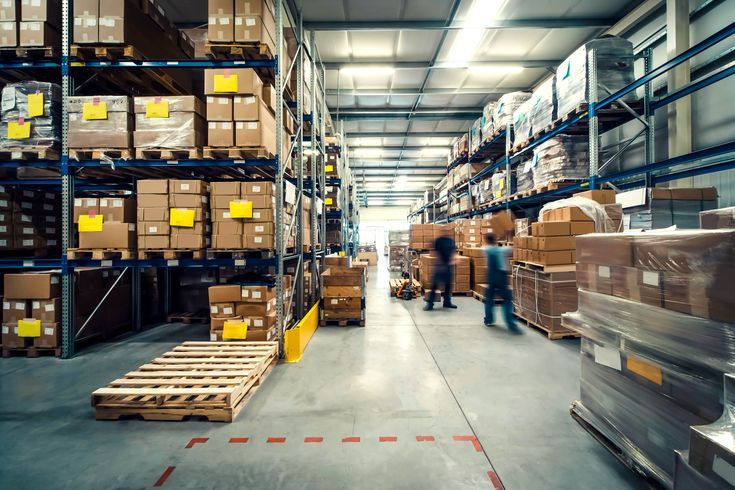
We provide free warehousing services for any of your goods.

The cargo insurance protects your goods all the way to any Any FBA Warehouse
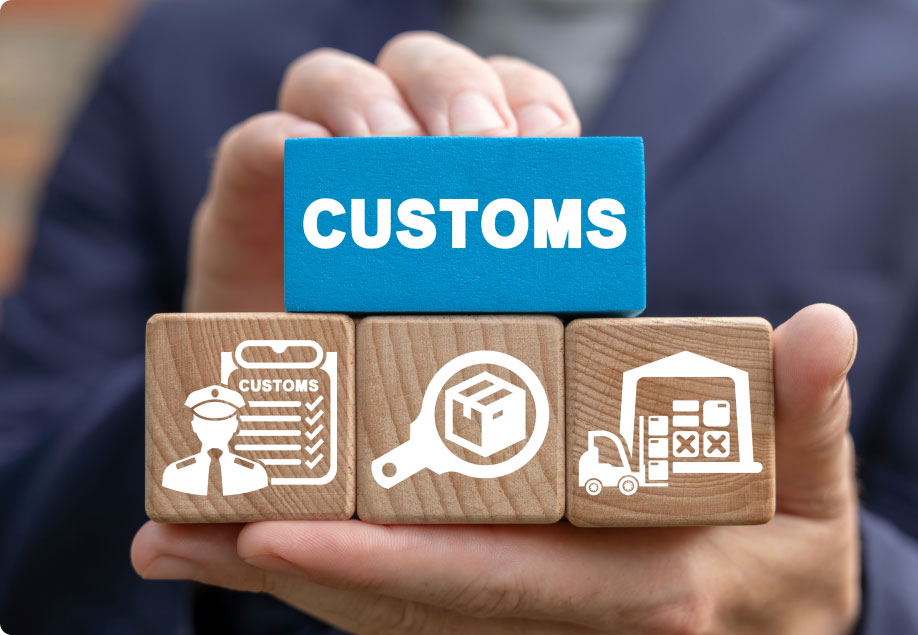
We handle all paperwork and other details for you.

Ensure safe packaging and loading of goods in your suppliers' factory.

El Salvador has a relatively efficient import process and a compact inland distribution network.
For some importers, it offers faster inland delivery and lower handling complexity than routing through larger, more congested regional hubs.
Global China Forwarder helps clients assess whether El Salvador works better as a final destination or as a regional access point for nearby markets.
Acajutla is the country’s primary Pacific port and handles most containerized imports.
Its advantages are practical rather than flashy:
Short inland distance to major commercial areas
Manageable port scale with less congestion
Straightforward customs workflow
Global China Forwarder plans shipments around Acajutla’s operating rhythm rather than assuming “big port = faster.”
Sometimes yes—but not by default.
El Salvador works well for:
Light regional distribution
Time-sensitive delivery to nearby countries
It is less suitable for heavy transshipment operations compared with Panama.
Global China Forwarder evaluates cost, border formalities, and delivery frequency before recommending El Salvador as a redistribution base.
This depends less on volume and more on risk tolerance.
FCL offers clearer responsibility and smoother inspections
LCL can save cost but increases dependency on other shippers’ documents
Global China Forwarder usually recommends FCL for retail or wholesale cargo and LCL only for low-risk, flexible shipments.
El Salvador’s customs process is relatively straightforward, but documentation accuracy still matters.
Clearance speed is mainly affected by:
Invoice and HS code consistency
Importer registration status
Cargo category
Global China Forwarder prepares documentation with local clearance practice in mind, not just generic customs rules.
Imports are driven by consumer demand and light manufacturing, including:
Textiles, apparel accessories, electronics, household goods, machinery, and retail products.
Global China Forwarder tailors routing and packaging recommendations based on how these goods are typically inspected and distributed locally.
El Salvador’s inland network is compact, which works in the importer’s favor.
Most deliveries can be completed quickly once cargo is released, provided scheduling is aligned.
Global China Forwarder coordinates delivery timing with warehouse and retail receiving windows to avoid unnecessary storage or waiting costs.
Delays rarely come from ocean transit itself.
They are more often caused by:
Incomplete documentation
Importer registration issues
Mismatch between declared cargo and actual goods
Global China Forwarder reduces these risks through advance checks and early coordination with local agents.
Air freight is mainly used for urgent replenishment, samples, or high-value goods.
It is not typically used for bulk imports due to cost sensitivity in the local market.
Global China Forwarder helps importers decide when air freight makes commercial sense instead of defaulting to speed.
Global China Forwarder combines strong China-origin operations with hands-on Central America logistics experience, delivering practical planning, clear communication, and reliable execution for El Salvador–bound shipments.
The overall code quality of the international logistics system demonstrates a solid engineering foundation. The architecture is well-structured, with clear separation between freight management, customs clearance, tracking, and billing modules, which improves maintainability and scalability. Naming conventions are consistent and business-oriented, making complex logistics workflows such as multi-leg transportation, carrier allocation, and door-to-door delivery easier to understand and extend. Error handling and data validation are implemented thoughtfully, reducing risks in high-volume shipment processing. Overall, the codebase reflects a strong balance between performance, reliability, and long-term extensibility, which is critical for global freight operations.
The design quality of the international logistics platform emphasizes clarity, efficiency, and usability. The interface is clean and well-organized, allowing users to manage shipments, track cargo status, and access transportation details with minimal effort. Visual hierarchy and consistent layout improve navigation across freight booking, documentation, and delivery modules. The design effectively supports complex logistics operations while maintaining a professional and modern appearance.
The platform offers comprehensive feature availability to support end-to-end international logistics operations. Key functions such as freight booking, real-time shipment tracking, customs documentation management, carrier coordination, and delivery status updates are consistently accessible and reliable. These features ensure smooth handling of complex transportation workflows and provide users with full operational visibility at every stage of the supply chain.