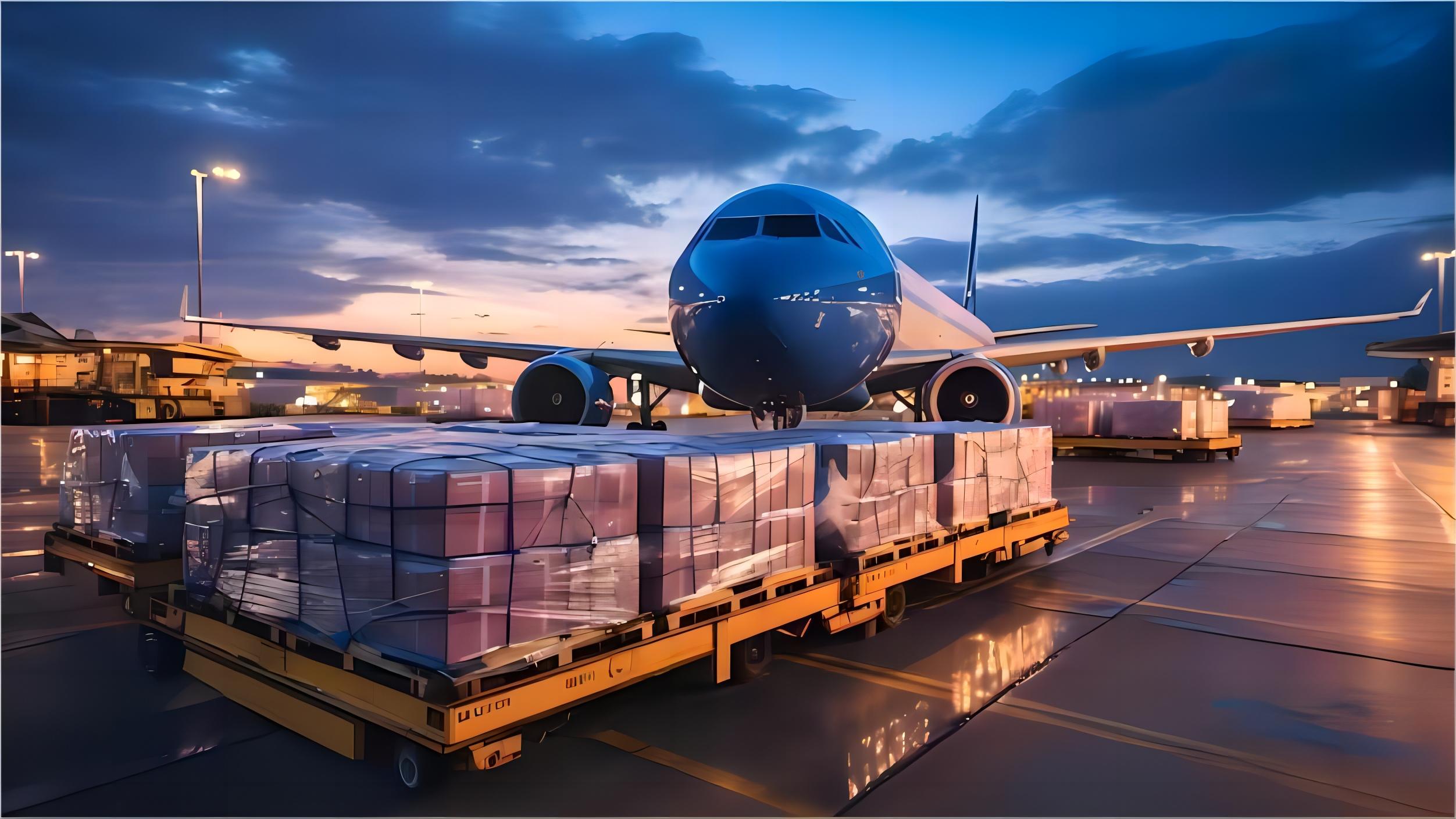

China to France Freight Forwarding Company DDP Sea Air Logistics
Partnering with a professional China to France freight forwarding company ddp sea air logistics is the most effective way to manage your international supply chain in 2026. Navigating the complexities of European customs and logistics networks requires a dedicated partner who understands the nuances of the French market. Consequently, businesses can focus on growth while experts handle the intricate details of shipping from manufacturing hubs like Shenzhen or Ningbo directly to Paris or Lyon. This comprehensive guide explores the various shipping modes, costs, and strategic advantages of using DDP services for your French imports.
Why Choose a China to France Freight Forwarding Company DDP Sea Air Logistics?
Selecting a specialized provider ensures that your goods move through the most efficient channels available in the current market. Moreover, the DDP (Delivered Duty Paid) model removes the burden of tax calculations and customs filings from the buyer, making it a preferred choice for e-commerce and retail businesses. Indeed, having a single point of contact for both sea and air logistics streamlines communication and reduces the risk of costly delays.

Furthermore, modern logistics providers in 2026 utilize advanced tracking systems to provide real-time visibility into the movement of cargo across the Europe region. This transparency is vital for maintaining inventory levels and meeting customer expectations in a competitive environment. Additionally, expert forwarders offer tailored solutions that combine different transport modes to optimize both speed and cost according to your specific needs.
The Advantages of DDP Terms
DDP terms mean the seller or forwarder handles all costs until the goods reach the final destination. This includes ocean or air freight, export customs, import duties, and local delivery in France. Therefore, you receive a single, all-inclusive quote with no hidden fees or surprise taxes upon arrival.
Importantly, this method is particularly beneficial for those unfamiliar with French customs regulations. Because the forwarder acts as the importer of record or manages the fiscal representation, the process becomes much simpler for the recipient.
How Does Sea Freight Compare to Other Shipping Options?
While sea freight is often the most economical choice, it is important to analyze how it stands against faster alternatives like air or rail. For large-volume shipments, sea freight offers a cost-per-unit that is difficult to beat, especially for heavy industrial goods or bulky consumer products. However, the longer transit time requires careful planning of your inventory cycles.
In contrast, air freight offers unmatched speed but at a significantly higher price point. Meanwhile, rail freight has emerged as a viable middle-ground solution for those shipping to inland French cities. Below is a detailed comparison of the primary shipping methods used in 2026.
| Shipping Method | Cost Range (Est.) | Transit Time | Best For |
|---|---|---|---|
| Sea Freight DDP | $160 – $260 / CBM | 35 – 45 Days | Bulk & Heavy Goods |
| Air Freight DDP | $6.50 – $9.50 / KG | 6 – 10 Days | Urgent & High Value |
| Rail Freight DDP | $130 – $190 / CBM | 18 – 26 Days | Mid-size Shipments |
| Express DDP | $9.00 – $14.00 / KG | 3 – 5 Days | Small Samples |
Air Freight Logistics: Speed and Reliability for French Importers
When time is the most critical factor, air freight provides the fastest route from Chinese manufacturing centers to French airports like Charles de Gaulle. Many high-tech companies and fashion retailers rely on this method to stay ahead of market trends and restock popular items quickly. Additionally, air transport reduces the risk of damage for sensitive or fragile cargo due to shorter handling times.
Nevertheless, the cost of air logistics can fluctuate based on fuel surcharges and seasonal demand peaks. During the Q4 peak season in 2025 and 2026, rates typically increase by 20 percent or more. To mitigate these costs, many businesses book space in advance or utilize consolidated air services which offer a balance between speed and expenditure.
Rail Freight: The Sustainable Alternative for China-France Logistics
Choosing rail freight has become increasingly popular for shipments destined for the French interior. The New Silk Road connections provide a reliable schedule that is faster than sea but much cheaper than air. Consequently, it has become a staple for automotive parts and machinery components that require a predictable delivery window.
Moreover, rail transport has a lower carbon footprint compared to air freight, aligning with many European companies’ sustainability goals. While the route can be affected by geopolitical factors, the 2026 logistics landscape shows a stabilized rail network with improved transit times to hubs like Lyon and Bordeaux.
Door to Door (DDP) Services: Streamlining Your Supply Chain
Utilizing a door to door service model allows your business to eliminate the complexities of managing multiple logistics providers. From the moment the goods leave the factory in China to their arrival at your warehouse in France, every step is managed under one roof. This integration reduces errors and ensures that documentation is handled correctly from the start.
Furthermore, DDP services often include the use of regional distribution centers. This means your goods can be cleared at a major port like Le Havre or Marseille and then trucked directly to your final destination. As a result, the entire process is seamless, allowing you to focus on sales and marketing rather than shipping logistics.
Step-by-Step Guide to Customs Clearance in France
Navigating French customs requires a thorough understanding of the EU Union Customs Code. Firstly, all shipments must have an EORI number for the importer of record. Secondly, the HS codes must be accurately declared to determine the correct duty rates and any applicable VAT. Without a doubt, errors in this documentation can lead to significant delays and storage fees at the port.
Therefore, working with a forwarder who specializes in French customs brokerage is essential. They will ensure that your commercial invoice, packing list, and certificate of origin are all in order. Typical documents required for a smooth entry into the French market are listed in the table below.
| Document Name | Purpose | Requirement Level | Responsibility |
|---|---|---|---|
| Commercial Invoice | Value Declaration | Mandatory | Seller/Shipper |
| Packing List | Cargo Details | Mandatory | Seller/Shipper |
| Bill of Lading | Title of Goods | Mandatory | Carrier |
| EORI Number | EU ID for Trade | Mandatory | Importer |
Real-World Case Studies: Successful Shipments to France
Examining real-world scenarios helps in understanding the practical application of different shipping methods. Below are two examples based on typical 2026 market rates and transit times for the China-France route.
[Case Study 1: High-Volume Electronics] Route: Shenzhen, China to Paris, France Cargo: Consumer Electronics, 4.5 CBM, 1200 kg Container: LCL (Less than Container Load) Shipping Details: – Carrier: Major Ocean Carrier – Port of Loading: Shenzhen – Port of Discharge: Le Havre – Route Type: Direct via Suez Canal Cost Breakdown: – Ocean Freight: $1,150 – Origin/Dest Charges: $450 – Customs & Duties (DDP): $2,200 – Total Landed Cost: $3,800 Timeline: – Total Door-to-Door: 42 days Key Insight: Using DDP sea freight saved the client 30 percent compared to air freight while ensuring all French VAT was handled correctly.
[Case Study 2: Urgent Apparel Restock] Route: Shanghai, China to Lyon, France Cargo: Seasonal Apparel, 250 kg Method: Air Freight DDP Shipping Details: – Carrier: Air China Cargo – Port of Loading: Shanghai PVG – Port of Discharge: Paris CDG – Route Type: Direct Flight Cost Breakdown: – Air Freight: $1,875 – Handling Fees: $150 – Customs & Duties: $650 – Total Landed Cost: $2,675 Timeline: – Total Door-to-Door: 8 days Key Insight: Air DDP allowed the retailer to hit their launch date despite production delays, maintaining their market position.
Which Shipping Option Should You Choose?
Choosing the right method depends largely on your budget, cargo volume, and required delivery date. If your priority is budget and you are shipping more than 2 CBM, sea freight is almost always the best choice. On the other hand, if you are shipping high-value items or have a strict deadline, air freight is the only reliable option.
Additionally, consider the volume thresholds. For shipments between 0.5 CBM and 2 CBM, the price difference between sea LCL and rail may be negligible, making rail a better choice for faster delivery. For very small shipments under 100kg, express services often provide the best value as they include the most efficient door-to-door handling.

Summary of China to France Logistics Solutions
In summary, navigating the trade route from China to France requires a strategic approach to logistics. By choosing a China to France freight forwarding company ddp sea air logistics, you ensure that your goods are handled with expertise from origin to destination. Whether you prioritize the cost-effectiveness of sea freight or the speed of air transport, DDP terms provide the peace of mind needed for modern international trade.
As market conditions evolve in 2026, staying informed about transit times and customs regulations is vital. We recommend consistently reviewing your shipping strategy to take advantage of new routes and pricing trends. Note: Freight rates are subject to change based on fuel costs, carrier capacity, and seasonal demand. Contact us for a current quote tailored to your specific shipment.
Need a tailored shipping solution?
Ready to optimize your supply chain with a reliable China to France freight forwarding company ddp sea air logistics? Contact our expert team today for a custom quote and experience seamless, tax-free shipping to France. Visit our website to start your inquiry now.