

China Shipping Rates USA UK Europe Canada Comparison Freight Guide 2026
Navigating the complexities of international logistics requires a clear understanding of current market dynamics and pricing structures. As we move through 2026, businesses must stay informed about the latest china shipping rates usa uk europe canada comparison freight guide to maintain a competitive edge in the global marketplace. At Global China Forwarder, we provide the expertise needed to streamline your supply chain and optimize your shipping budget. This comprehensive guide explores the various factors influencing freight costs and offers actionable insights for importers looking to maximize efficiency.
What Factors Influence China Shipping Rates in 2026?
Global trade environments are constantly evolving due to shifts in fuel prices, carrier capacity, and geopolitical stability. Consequently, understanding the core drivers of freight costs is essential for any business importing from China. Market demand remains a primary factor, especially during peak seasons when space on vessels becomes limited. Furthermore, fuel surcharges, often referred to as Bunker Adjustment Factors, fluctuate based on global oil market trends and environmental regulations.
Container availability also plays a significant role in determining the final price you pay for transportation. During periods of high equipment imbalance, carriers may implement additional fees to reposition empty containers to major Chinese export hubs. Additionally, port congestion at major gateways in the USA and Europe can lead to demurrage and detention charges that significantly inflate the total landed cost. Therefore, proactive planning and early booking are more critical than ever in the current 2026 logistics landscape.
Labor negotiations and terminal efficiency also impact the overall delivery schedule and pricing. For instance, potential strikes or shifts in port operating hours can create backlogs that ripple through the entire supply chain. Meanwhile, technological advancements in tracking and automated cargo handling are beginning to provide more transparency, though they sometimes come with initial implementation surcharges. Indeed, staying ahead of these variables is the only way to ensure predictable shipping expenses.
Shipping to North America: Comparing USA and Canada Rates
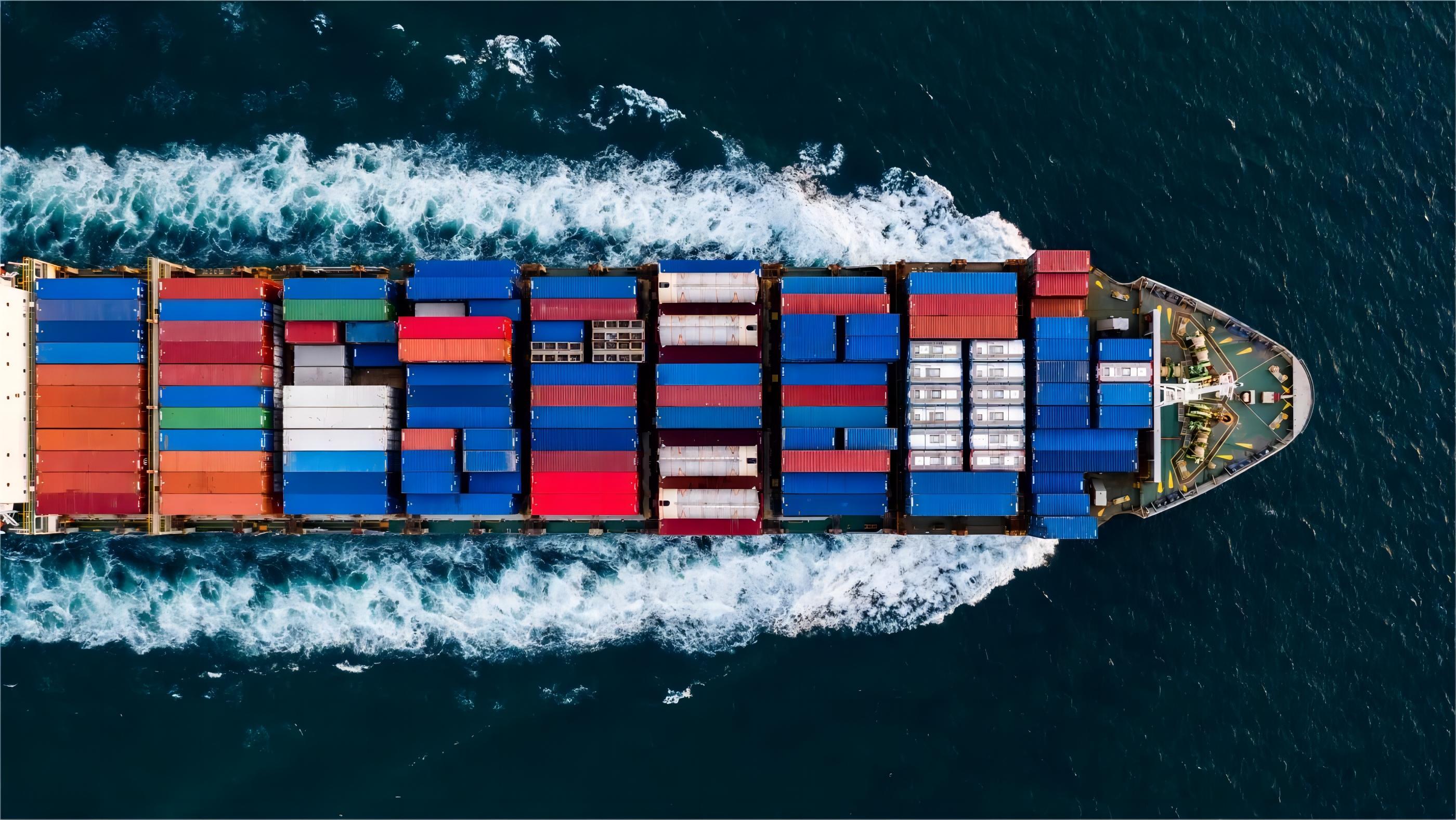
Shipping routes to North America represent some of the busiest and most competitive lanes in the world. Historically, the USA West Coast ports like Los Angeles and Long Beach offer the fastest transit times from China, typically ranging from 14 to 20 days. However, many importers are increasingly utilizing East Coast ports via the Panama Canal to avoid overland transport costs, despite the longer 30 to 35-day transit. Canada, on the other hand, relies heavily on the ports of Vancouver and Prince Rupert for Pacific trade.
Rate structures for 2026 show that shipping to the USA East Coast generally commands a premium of 25 to 40 percent over West Coast rates. This price difference accounts for the additional distance and canal transit fees associated with the longer route. Similarly, shipping to Central Canada often involves intermodal rail transport from West Coast ports, which adds complexity and cost to the final invoice. Nevertheless, Canada remains a vital market with specialized customs requirements that differ from those in the United States.
Volume discounts are frequently available for high-capacity shippers who can commit to consistent monthly TEU counts. In contrast, smaller businesses often benefit from consolidation services that allow them to share container space and reduce individual overhead. Moreover, the choice between different carriers can result in price variances of several hundred dollars per container. Accordingly, comparing multiple quotes is a standard best practice for securing the most favorable terms for North American deliveries.
| Destination Port | 20GP Container | 40HQ Container | Transit Time |
|---|---|---|---|
| Los Angeles, USA | $2,100 – $2,800 | $3,200 – $4,100 | 14-18 Days |
| New York, USA | $3,400 – $4,200 | $4,800 – $6,200 | 30-35 Days |
| Vancouver, Canada | $1,900 – $2,600 | $3,000 – $3,900 | 15-20 Days |
| Toronto, Canada | $3,200 – $4,000 | $4,500 – $5,800 | 22-28 Days |
Freight Options for Europe and the United Kingdom
European logistics networks are highly integrated, yet shipping to the UK presents unique challenges following regulatory shifts in recent years. Most shipments to the continent arrive at major hubs like Rotterdam, Antwerp, or Hamburg before being distributed via feeder ships or trucks. For large-scale imports, sea freight remains the most economical method for transporting heavy or bulky goods over these long distances. In 2026, we are seeing a stabilization of rates as new ultra-large container vessels enter service, increasing overall capacity.
Transit times to Northern Europe generally hover around 30 to 38 days, depending on the number of port calls along the route. Meanwhile, shipping to the United Kingdom often involves direct calls to Felixstowe or Southampton, which can be slightly more expensive due to specific port levies. Furthermore, the UK’s independent customs system requires precise documentation to avoid delays at the border. Consequently, many businesses choose to work with experienced freight forwarders who understand the nuances of both EU and UK import protocols.
Southern European ports like Piraeus and Barcelona offer an alternative entry point that can reduce transit times for goods destined for the Mediterranean region. Indeed, using these ports can save up to 5 days compared to the northern route, though inland transport infrastructure may vary in efficiency. Additionally, seasonal weather patterns in the Indian Ocean can occasionally impact schedules during the monsoon season. Therefore, building a buffer into your delivery timeline is always recommended when shipping to the European theater.
How Does Sea Freight Compare to Other Shipping Options?
Choosing the right transportation mode is a balance between cost, speed, and the nature of the cargo itself. While ocean transport is the traditional choice for high-volume shipments, air freight provides an essential alternative for time-sensitive or high-value items. For example, electronics or fashion samples often travel by air to meet tight market deadlines, despite the significantly higher cost per kilogram. In 2026, air cargo rates continue to be influenced by jet fuel prices and the availability of belly capacity on passenger flights.
Another increasingly popular option for shipments to Europe is rail freight via the Silk Road Economic Belt. This method offers a middle ground, being faster than sea freight and considerably cheaper than air transport. Typically, rail transit from China to Duisburg or Warsaw takes between 15 to 22 days, making it an excellent choice for mid-value industrial goods. However, rail is not a viable option for North American or Australian routes due to geographical constraints, highlighting the importance of route-specific strategies.
Multimodal solutions, such as sea-air combinations, are also gaining traction as businesses seek to optimize their supply chains. These hybrid models might involve shipping goods by sea to a hub like Dubai or Singapore and then flying them the rest of the way. This approach can reduce costs by 30 percent compared to pure air freight while still saving significant time over pure sea freight. Without a doubt, evaluating all available modes is crucial for developing a robust logistics strategy that can adapt to changing market conditions.
| Shipping Method | Cost Range | Transit Time | Best For |
|---|---|---|---|
| Sea Freight (FCL) | $2,000 – $6,000 | 25-40 Days | Bulk Goods |
| Air Freight | $4.50 – $9.00/kg | 3-7 Days | Urgent/High Value |
| Rail Freight | $150 – $300/CBM | 15-22 Days | Mid-range Speed |
| Express Service | $6.00 – $12.00/kg | 2-5 Days | Small Parcels |

Which Option Should You Choose? Decision Framework
Determining the most effective shipping method depends on several key criteria including budget, urgency, and cargo volume. If your primary goal is cost minimization and you have a flexible timeline, sea freight is almost always the superior choice. For shipments exceeding 15 cubic meters, booking a Full Container Load (FCL) provides the best value and reduces the risk of damage. On the other hand, for smaller volumes, Less than Container Load (LCL) allows you to pay only for the space you use, although it involves more handling.
When speed is the priority, such as during a product launch or to replenish low stock, air freight or express services are the logical options. These methods provide door-to-door convenience and significantly faster customs clearance processes. Additionally, for businesses shipping to landlocked parts of Europe, rail freight offers a reliable and eco-friendly alternative to trucking from distant seaports. To summarize, the best option is the one that aligns with your specific business objectives and customer expectations for 2026.
Cargo type also dictates the necessary shipping conditions, such as temperature control or hazardous material handling. Specialized containers like reefers are available for perishable goods, though they command a higher freight rate than standard dry vans. Moreover, the total value of the goods should influence your choice; high-value items benefit from the increased security and reduced handling of air transport. Consequently, a tiered approach where different products move via different modes can often provide the most balanced logistics solution.
Real-World Case Studies: 2026 Shipping Scenarios
Examining actual shipping data helps illustrate the practical application of these strategies in the current market. These examples reflect typical costs and timelines experienced by importers during the first half of 2026. Note that freight rates are subject to change based on fuel costs, carrier capacity, and seasonal demand. Contact us for a current quote tailored to your specific shipment.
Case Study 1: Electronics to USA West Coast Route: Shenzhen, China to Los Angeles, USA Cargo: Consumer Electronics, 68 CBM, 12,000 kg Container: 40HQ Full Container Load Carrier: Major Ocean Carrier Port of Loading: Shenzhen (Yantian) Port of Discharge: Los Angeles Route Type: Direct Cost Breakdown: – Ocean Freight: $3,250 – Origin Charges: $450 – Destination Charges: $600 – Customs and Duties: $1,200 – Total Landed Cost: $5,500 Timeline: – Booking to Loading: 4 days – Sea Transit: 16 days – Customs Clearance: 2 days – Total Door-to-Door: 22 days Key Insight: Early booking during the pre-CNY rush secured a rate 15% below the market peak.
Case Study 2: Apparel to Germany Route: Ningbo, China to Hamburg, Germany Cargo: Finished Garments, 28 CBM, 5,500 kg Container: 20GP Full Container Load Carrier: European Flag Carrier Port of Loading: Ningbo Port of Discharge: Hamburg Route Type: Direct via Suez Cost Breakdown: – Ocean Freight: $2,450 – Origin Charges: $380 – Destination Charges: $520 – Customs and Duties: $950 – Total Landed Cost: $4,300 Timeline: – Booking to Loading: 5 days – Sea Transit: 32 days – Customs Clearance: 3 days – Total Door-to-Door: 40 days Key Insight: Utilizing a direct service avoided transshipment delays in Singapore, ensuring on-time delivery for the spring season.
Case Study 3: Industrial Parts to United Kingdom Route: Shanghai, China to Felixstowe, UK Cargo: Machine Components, 5 CBM, 1,800 kg Container: LCL (Less than Container Load) Carrier: Consolidation Service Port of Loading: Shanghai Port of Discharge: Felixstowe Route Type: Transshipment via Colombo Cost Breakdown: – Ocean Freight: $850 – Origin Charges: $220 – Destination Charges: $350 – Customs and Duties: $400 – Total Landed Cost: $1,820 Timeline: – Booking to Loading: 7 days – Sea Transit: 38 days – Customs Clearance: 4 days – Total Door-to-Door: 49 days Key Insight: LCL was significantly more cost-effective than air freight for these heavy components despite the longer transit time.
Cost-Saving Strategies and Alternative Approaches
Reducing your total logistics spend requires a combination of smart planning and tactical execution. One effective method is to consolidate shipments from multiple suppliers into a single FCL, which reduces the per-unit shipping cost. Furthermore, optimizing your packaging to maximize container utilization can prevent you from paying for ‘shipped air’. For instance, switching to stackable crates or reducing excess padding can sometimes allow for 10-15% more product per container.
Another strategy involves choosing ‘off-peak’ shipping windows to avoid the highest rates. Typically, the weeks following the Lunar New Year and the period immediately after the Golden Week holiday see a dip in demand and pricing. Additionally, considering alternative ports can lead to significant savings. While major hubs are convenient, secondary ports often have lower handling fees and less congestion. Therefore, exploring a wider range of entry points can be a highly effective way to manage your 2026 shipping budget.
Negotiating long-term contracts with a customs brokerage and freight partner can also provide price stability. Fixed-rate agreements protect you from sudden market spikes, although they may require a minimum volume commitment. Meanwhile, staying informed about trade policy changes and tariff exemptions can help you avoid unnecessary taxes. Indeed, a holistic approach to cost management is essential for long-term profitability in international trade.

Customs and Documentation Checklist for 2026
Accurate documentation is the backbone of a smooth international shipping process. Errors in paperwork can lead to costly delays, inspections, and even the seizure of goods by authorities. The most critical document is the Commercial Invoice, which must clearly state the value, description, and HS codes for all items. Moreover, the Packing List should provide a detailed breakdown of the contents of each carton or pallet to facilitate physical inspections.
The Bill of Lading serves as both a receipt for the goods and a contract of carriage, making it a vital legal document. For shipments to the USA, the Importer Security Filing (ISF) must be submitted at least 24 hours before the vessel departs from China. Similarly, European imports require an Entry Summary Declaration (ENS) to comply with safety and security regulations. Consequently, ensuring all forms are completed accurately and submitted on time is non-negotiable for modern importers.
Certificates of Origin may also be required to qualify for preferential tariff rates under various trade agreements. Additionally, specialized permits are often necessary for regulated goods such as chemicals, medical devices, or agricultural products. Furthermore, always verify that your wooden packaging materials meet ISPM 15 heat-treatment standards to avoid quarantine issues. In contrast to simple parcel shipping, commercial freight requires a disciplined approach to compliance and record-keeping.
| Document Name | Purpose | Required By | Timing |
|---|---|---|---|
| Commercial Invoice | Valuation and Duty | Customs | At Booking |
| Packing List | Cargo Verification | Warehouse/Customs | At Loading |
| Bill of Lading | Title and Contract | Carrier/Consignee | After Departure |
| ISF (USA Only) | Security Screening | US Customs | 24h Pre-Loading |
Mastering Your 2026 Shipping Strategy
In conclusion, mastering the china shipping rates usa uk europe canada comparison freight guide is essential for any business engaged in international trade. By understanding the factors that influence costs and evaluating the various transportation modes, you can make informed decisions that benefit your bottom line. Whether you choose the speed of air freight, the economy of sea freight, or the balance of rail, planning ahead and working with reliable partners are the keys to success.
As market conditions continue to evolve throughout 2026, staying flexible and proactive will allow you to navigate challenges effectively. Remember to consider all costs, including customs and local delivery, when calculating your total landed price. Ultimately, a well-executed logistics strategy is a powerful tool for growth and competitiveness in the global economy.

Start Your Shipment
Ready to optimize your supply chain and secure the most competitive 2026 freight rates? Our team of logistics experts is standing by to provide a personalized china shipping rates usa uk europe canada comparison freight guide for your specific business needs. Visit Global China Forwarder today to request your free, no-obligation quote and discover how we can streamline your international shipping operations. Send Inquiry: https://globalchinaforwarder.com/
Request Quote