Global China Forwarder provides reliable and fully integrated logistics solutions for shipping from China to North Korea, covering sea freight, air freight, and professionally managed door-to-door services. With practical experience in Northeast Asia trade corridors and restricted-destination coordination, we help importers maintain controlled transit schedules, manage compliance requirements, and achieve full shipment visibility across every logistics stage.
From export documentation and cargo handling in China to customs coordination and inland distribution across North Korea via approved gateways, our experienced operations team manages each step with precision. Whether shipping machinery, industrial supplies, construction materials, consumer goods, or project cargo, Global China Forwarder delivers secure, compliant, and carefully coordinated logistics solutions tailored specifically to North Korea–bound shipments.
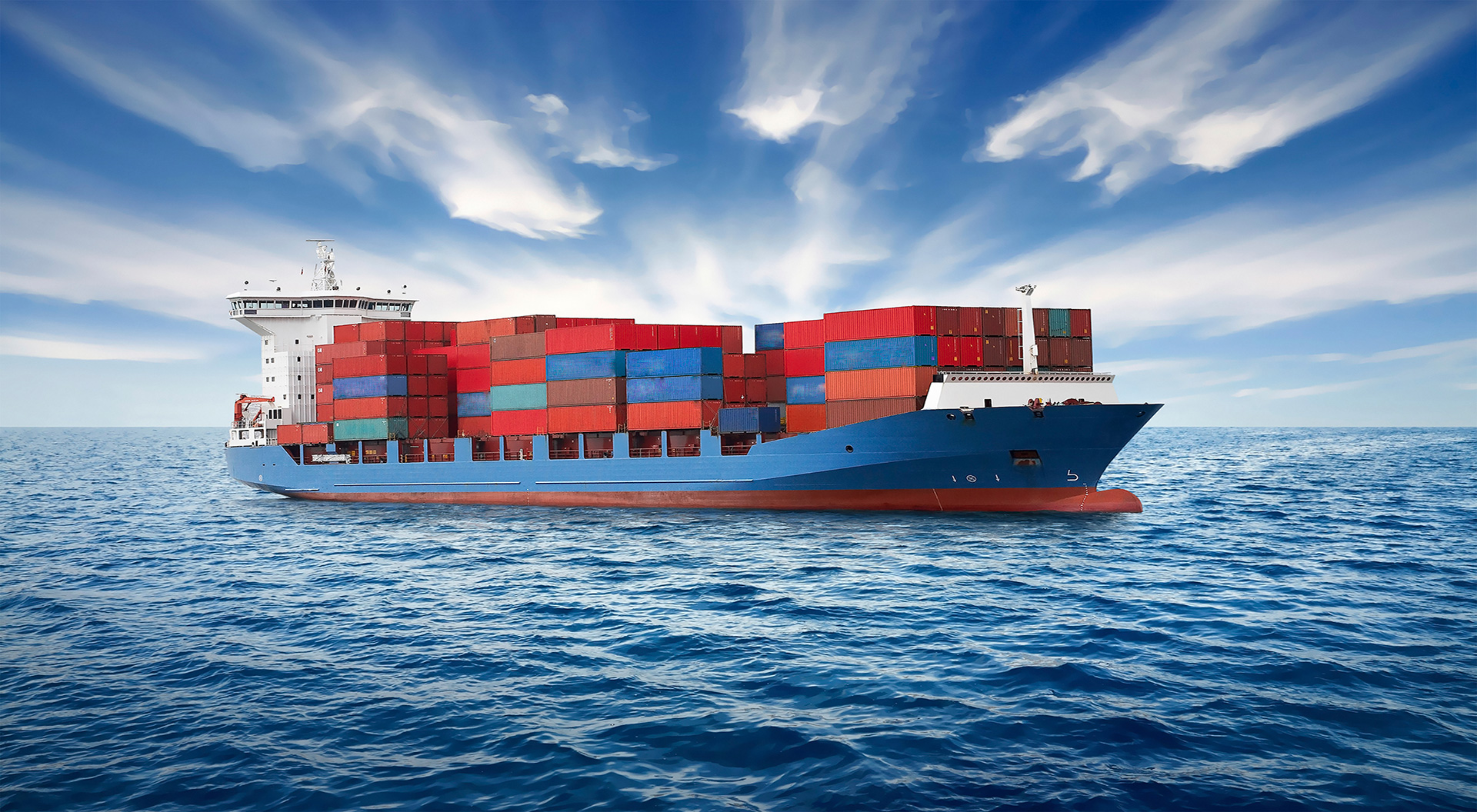
Our sea freight service from China to North Korea is a cost-efficient option for large-volume and time-flexible cargo. Global China Forwarder manages port-to-port and port-to-door shipments to designated maritime gateways, coordinating vessel selection, container loading, export documentation, and onward inland transport. This service is suitable for heavy cargo, bulk materials, and project shipments requiring stable ocean transportation under controlled compliance procedures.
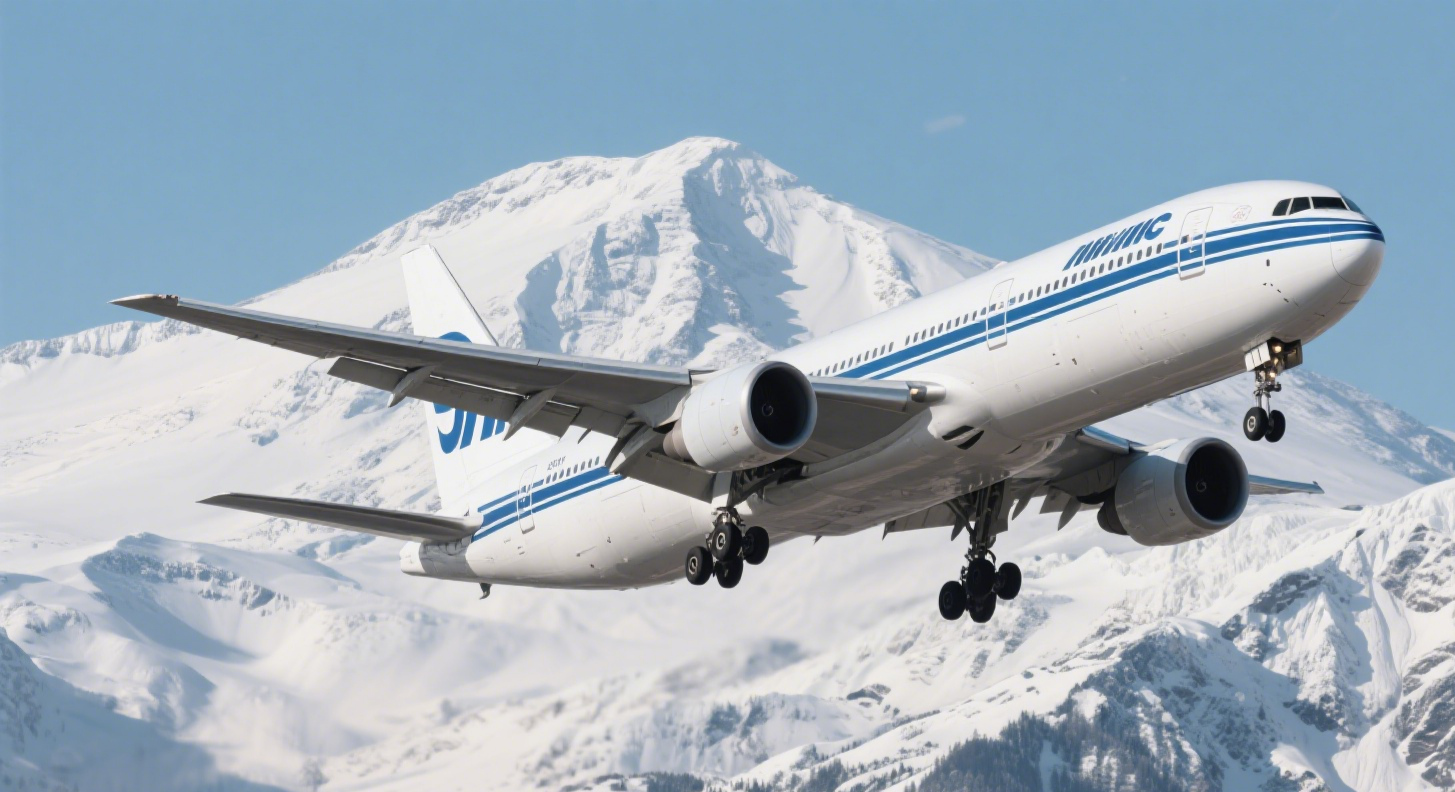
For urgent or high-value shipments, our China–North Korea air freight service offers faster transit with strict operational control. We coordinate airline capacity, cargo security screening, export paperwork, and destination handling support, ensuring shipments move in line with applicable regulations. This option is well suited for spare parts, electronics, samples, and other time-critical commercial goods.
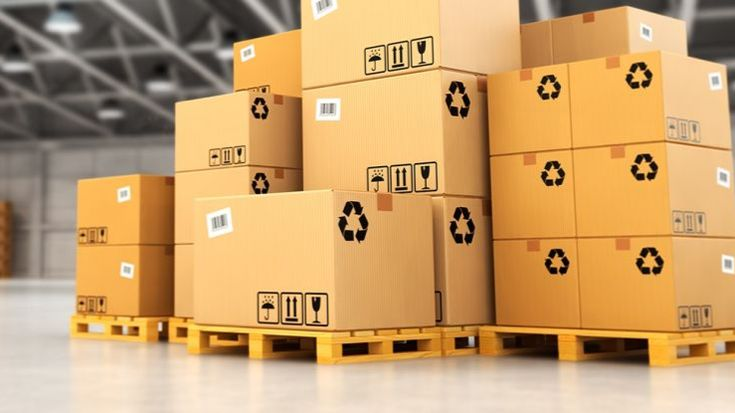
Our door-to-door service provides a fully managed logistics solution from supplier pickup in China to final delivery at designated locations in North Korea. Global China Forwarder integrates international sea or air transport, customs coordination, regulatory compliance checks, and local inland delivery under one unified plan—reducing handovers and ensuring predictable execution with a single point of responsibility.

Full Container Load shipping from China to North Korea is the preferred solution for large-volume or dedicated cargo. Global China Forwarder arranges exclusive container usage, professional loading supervision, secure sealing, and continuous shipment tracking throughout the transportation process. FCL shipping minimizes handling risks and improves schedule control for industrial and project-based shipments.
Less than Container Load shipping provides a flexible option for smaller consignments moving from China to North Korea. Global China Forwarder manages origin consolidation, accurate cargo segregation, compliant export documentation, and destination deconsolidation through approved partners. This service helps importers control costs while maintaining professional handling standards and shipment visibility.
Global China Forwarder will provide most fuel efficient pickup service China
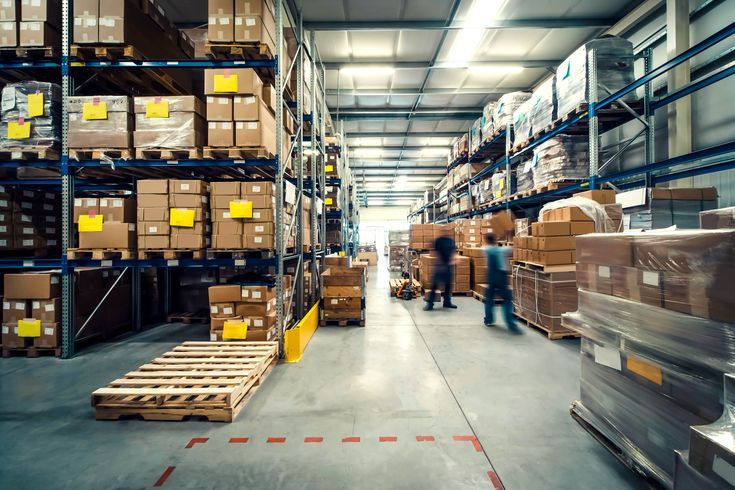
We provide free warehousing services for any of your goods.
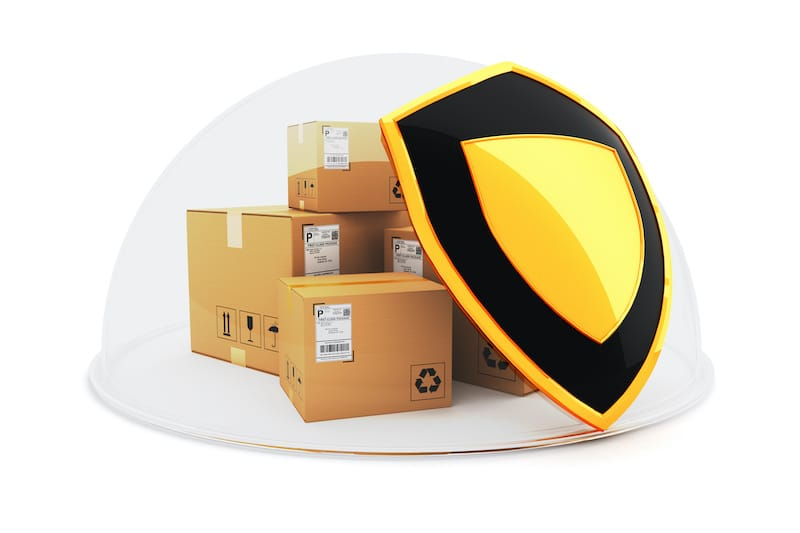
The cargo insurance protects your goods all the way to any Any FBA Warehouse
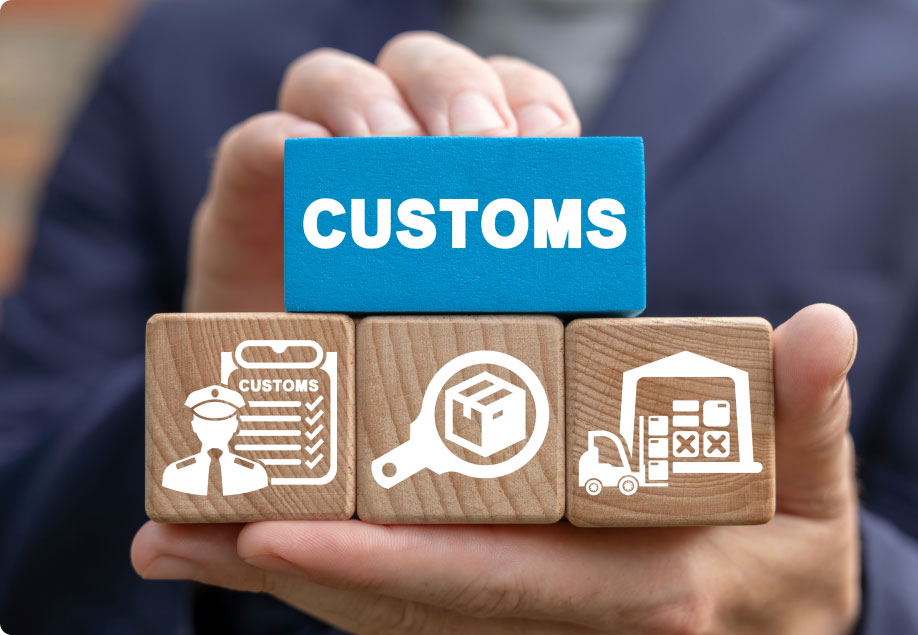
We handle all paperwork and other details for you.

Ensure safe packaging and loading of goods in your suppliers' factory.

Shipping times from China to North Korea are influenced by transport mode (air or sea), distance between origin and destination, and customs processing times. Air freight is generally faster, taking 4-7 days, whereas sea freight can take 7-14 days. Customs regulations and logistical challenges can also affect overall shipping duration, making it crucial to plan for potential delays.
Customs delays can significantly extend shipping times from China to North Korea. These delays may arise due to incomplete or incorrect documentation, inspection processes, or regulatory compliance issues. Ensuring accurate paperwork and understanding North Korean customs regulations can help minimize delays and smooth the shipping process.
Air freight is generally more expensive than sea freight due to its faster delivery time. Air shipments cost more per kilogram and are ideal for urgent or high-value goods. Sea freight, though slower, is more economical for larger shipments and bulk cargo, offering cost advantages for non-urgent deliveries.
Essential documentation for shipping from China to North Korea includes a commercial invoice, packing list, bill of lading (for sea freight), or air waybill (for air freight). Additional documents such as certificates of origin, export permits, and customs declarations may also be required, depending on the nature of the goods.
Shipping to North Korea is subject to stringent regulations and restrictions due to international sanctions. These restrictions may include bans on certain goods and additional compliance requirements. It is crucial to verify the current regulations and ensure that all shipments comply with international laws and sanctions to avoid legal issues.
Utilizing a freight forwarder offers several benefits, including expertise in navigating complex logistics, handling customs documentation, and managing shipping schedules. Freight forwarders can also provide advice on the best shipping methods, ensure compliance with regulations, and offer solutions to potential shipping challenges.
The choice of transport mode has a significant impact on shipping costs. Air freight is faster but more expensive, suitable for urgent deliveries or high-value items. Sea freight, while slower, is more cost-effective for large volumes or non-urgent shipments. Balancing speed and cost is key when choosing the appropriate transport mode.
Common challenges include navigating complex customs procedures, adhering to international sanctions, and managing logistical issues such as transportation delays and route restrictions. Additionally, the political and economic environment can impact shipping operations, requiring careful planning and flexibility.
Businesses can ensure compliance by thoroughly researching North Korean import regulations and obtaining up-to-date information from reliable sources. Collaborating with experienced freight forwarders and customs experts can also help in understanding and adhering to regulatory requirements, thus avoiding potential compliance issues.
To minimize risks, businesses should conduct thorough risk assessments, ensure proper packaging, and secure adequate insurance coverage. Additionally, staying informed about regulatory changes, working with reputable freight forwarders, and maintaining clear communication with all stakeholders can help mitigate potential risks and ensure a smooth shipping process.
The design quality of the international logistics platform emphasizes clarity, efficiency, and usability. The interface is clean and well-organized, allowing users to manage shipments, track cargo status, and access transportation details with minimal effort. Visual hierarchy and consistent layout improve navigation across freight booking, documentation, and delivery modules. The design effectively supports complex logistics operations while maintaining a professional and modern appearance.
The overall code quality of the international logistics system demonstrates a solid engineering foundation. The architecture is well-structured, with clear separation between freight management, customs clearance, tracking, and billing modules, which improves maintainability and scalability. Naming conventions are consistent and business-oriented, making complex logistics workflows such as multi-leg transportation, carrier allocation, and door-to-door delivery easier to understand and extend. Error handling and data validation are implemented thoughtfully, reducing risks in high-volume shipment processing. Overall, the codebase reflects a strong balance between performance, reliability, and long-term extensibility, which is critical for global freight operations.
Our customer support team delivers responsive and knowledgeable assistance throughout the entire international logistics process. From shipment booking and cargo tracking to customs clearance and final delivery, inquiries are handled promptly with clear, accurate communication. The team understands complex transportation routes, carrier schedules, and documentation requirements, ensuring potential issues are resolved before they impact delivery timelines. This high level of support builds trust and provides customers with confidence in every shipment.