Global China Forwarder provides reliable and fully integrated logistics solutions for shipping from China to Japan, covering sea freight, air freight, and professionally managed door-to-door services. With extensive experience on high-frequency China–Japan trade lanes and strict compliance standards, we help importers maintain fast transit cycles, optimize freight costs, and achieve full shipment visibility across every logistics stage.
From export documentation and cargo handling in China to customs coordination and inland distribution across Japan, our experienced operations team manages each step with precision. Whether shipping electronics, automotive parts, machinery, consumer goods, retail products, or industrial materials, Global China Forwarder delivers secure, compliant, and carefully coordinated logistics solutions tailored specifically to Japan-bound shipments.
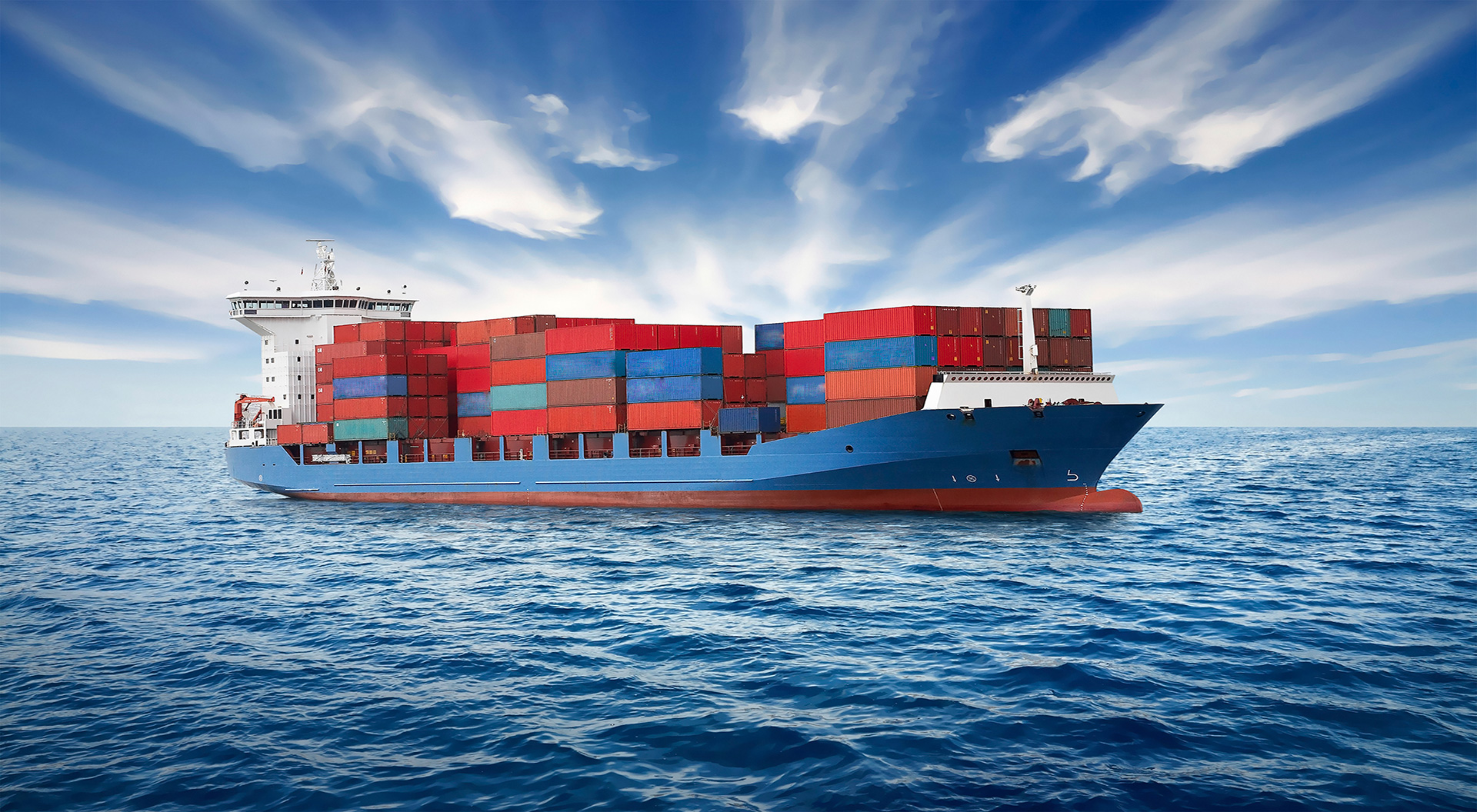
Our sea freight service from China to Japan is designed for high efficiency and schedule reliability. Global China Forwarder manages port-to-port and port-to-door shipments across major Chinese and Japanese ports, coordinating vessel selection, container loading, export documentation, and timely onward delivery. This service is ideal for regular trade volumes, heavy cargo, and cost-sensitive commercial shipments.
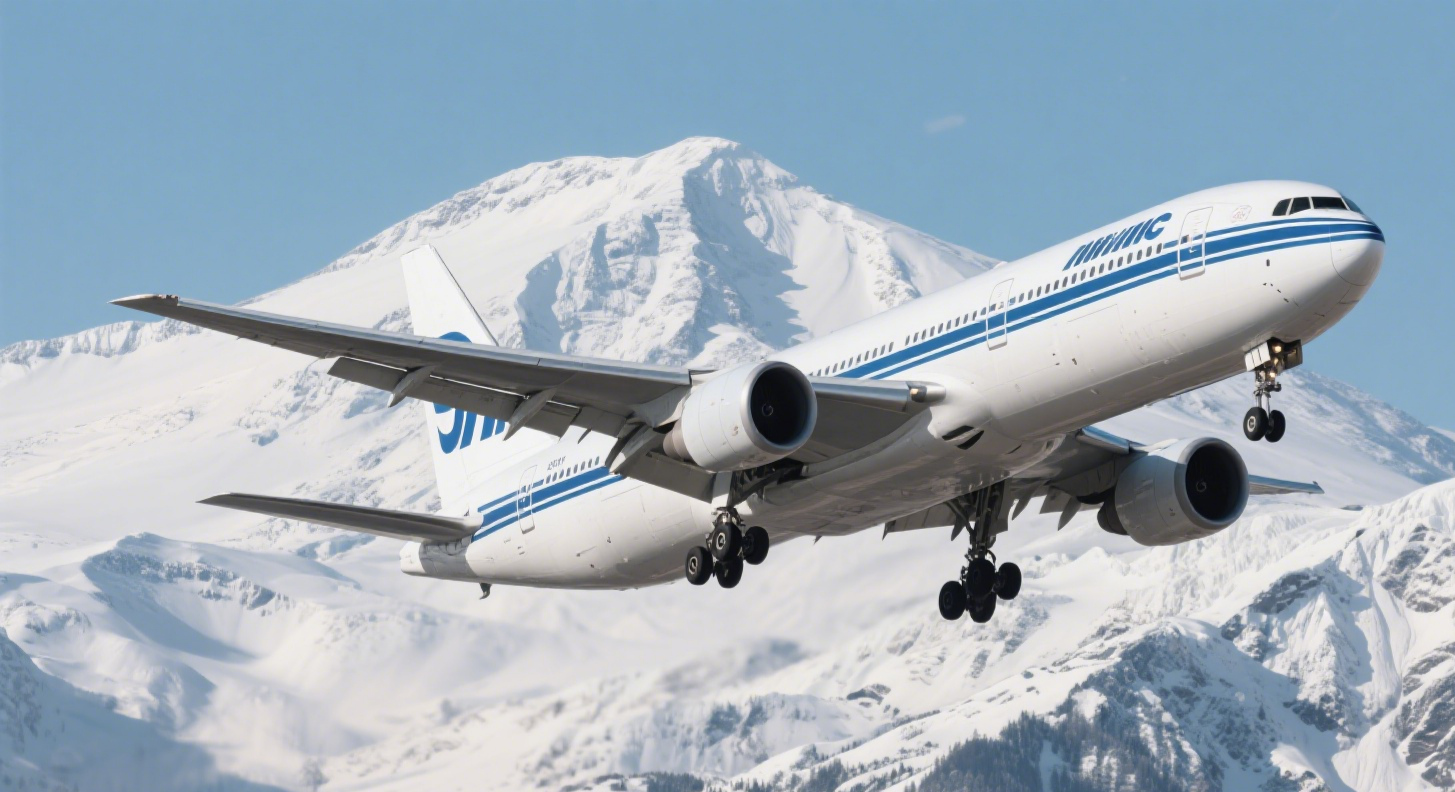
For urgent or high-value cargo, our China–Japan air freight service offers fast transit with strict operational control. We coordinate airline capacity, cargo security screening, export paperwork, and destination clearance support to ensure smooth and punctual delivery. This option is well suited for electronics, precision components, samples, medical supplies, and time-critical goods.
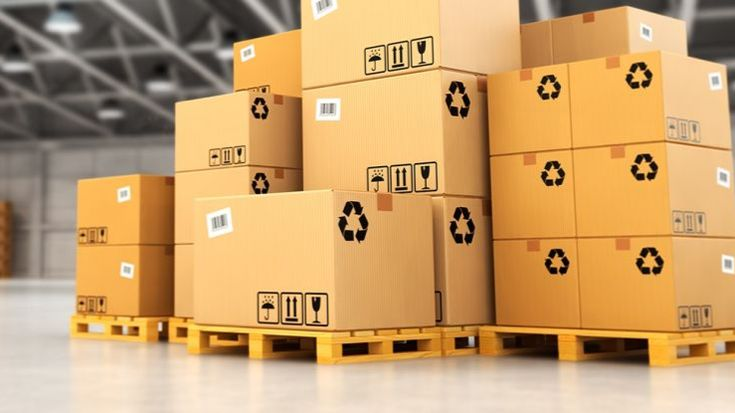
Our door-to-door service provides a fully managed logistics solution from supplier pickup in China to final delivery in Japan. Global China Forwarder integrates international transportation, Japanese customs coordination, and local inland delivery under one unified plan, reducing handovers, simplifying communication, and ensuring predictable timelines with a single point of responsibility.

Full Container Load shipping from China to Japan is the optimal solution for large-volume or dedicated cargo. Global China Forwarder arranges exclusive container usage, professional loading supervision, secure sealing, and continuous shipment tracking throughout the sea or multimodal journey. FCL shipping minimizes cargo handling risks, improves transit stability, and supports better cost control for manufacturers, distributors, and project shippers moving machinery, automotive components, or full production orders.
Less than Container Load shipping is a flexible and cost-effective option for smaller consignments moving from China to Japan. Global China Forwarder manages origin consolidation, accurate cargo segregation, compliant export documentation, and destination deconsolidation through reliable Japanese logistics partners. This service allows importers to reduce freight costs while maintaining professional handling standards, shipment transparency, and coordinated final delivery.
Global China Forwarder will provide most fuel efficient pickup service China
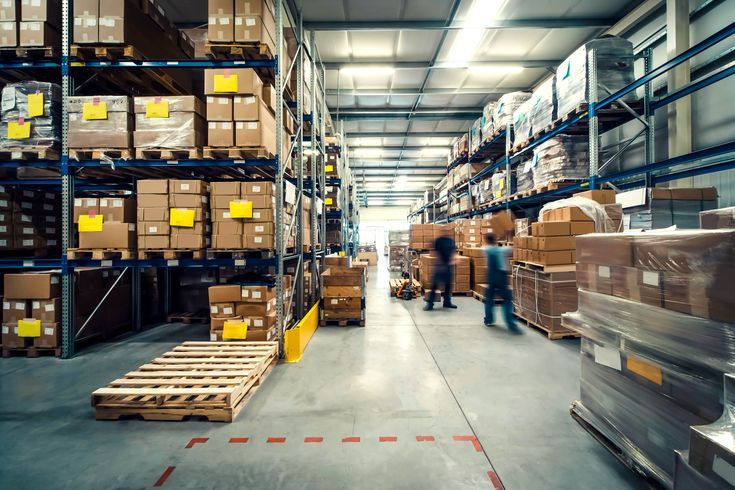
We provide free warehousing services for any of your goods.
The cargo insurance protects your goods all the way to any Any FBA Warehouse
We handle all paperwork and other details for you.

Ensure safe packaging and loading of goods in your suppliers' factory.

The most common shipping methods from China to Japan are sea freight and air freight. Sea freight is cost-effective for larger shipments and typically takes 4 to 8 days. Air freight, although more expensive, is faster, with delivery times ranging from 1 to 3 days. Each method has its advantages depending on the urgency and volume of the shipment.
Customs procedures can significantly affect shipping time from China to Japan. Proper documentation and compliance with both countries' regulations are crucial for smooth clearance. Delays in customs inspections, missing paperwork, or non-compliance can extend the shipping time. Working with experienced freight forwarders can help streamline this process.
Several factors influence the cost of shipping from China to Japan, including the shipping method (air or sea), the weight and volume of the shipment, and the distance between ports. Additional costs may include insurance, customs fees, and handling charges. Choosing the right freight forwarder can help optimize costs based on your specific needs.
Yes, shipping from China to Japan can be tracked. Most freight forwarders and carriers provide tracking services that allow you to monitor your shipment's progress in real time. This helps you stay informed about its location and estimated delivery time, enhancing transparency and allowing for prompt action if issues arise.
Air freight offers several advantages over sea freight, including faster delivery times, typically ranging from 1 to 3 days compared to 4 to 8 days by sea. It also reduces the risk of damage and theft due to less handling and transit time. However, air freight is more expensive, so it's ideal for urgent or high-value shipments.
The size and weight of a shipment can impact delivery time. Larger and heavier shipments may require more time for handling and transport, especially by air. Sea freight can accommodate larger volumes but might have longer transit times. For faster delivery, consider using air freight for smaller or urgent shipments.
If your shipment is delayed, first check the tracking information provided by your freight forwarder or carrier. Contact them to understand the reason for the delay and get updated estimates for delivery. Ensuring that all customs documentation and shipping instructions are accurate can also help resolve issues promptly.
To minimize shipping costs, consider consolidating shipments to reduce volume and weight, choose sea freight for non-urgent deliveries, and negotiate rates with your freight forwarder. Additionally, accurate documentation and avoiding last-minute changes can help prevent additional fees and charges.
Customs fees for shipping from China to Japan vary based on the value and nature of the goods. Fees can include import duties, taxes, and handling charges. To get an accurate estimate, consult with your freight forwarder or customs broker, who can provide detailed information based on your specific shipment.
Required documentation for shipping goods from China to Japan includes a commercial invoice, packing list, bill of lading or air waybill, and any necessary certificates of origin or compliance. Ensuring that all documents are complete and accurate helps facilitate smooth customs clearance and avoids delays.
The overall code quality of the international logistics system demonstrates a solid engineering foundation. The architecture is well-structured, with clear separation between freight management, customs clearance, tracking, and billing modules, which improves maintainability and scalability. Naming conventions are consistent and business-oriented, making complex logistics workflows such as multi-leg transportation, carrier allocation, and door-to-door delivery easier to understand and extend. Error handling and data validation are implemented thoughtfully, reducing risks in high-volume shipment processing. Overall, the codebase reflects a strong balance between performance, reliability, and long-term extensibility, which is critical for global freight operations.
Our customer support team delivers responsive and knowledgeable assistance throughout the entire international logistics process. From shipment booking and cargo tracking to customs clearance and final delivery, inquiries are handled promptly with clear, accurate communication. The team understands complex transportation routes, carrier schedules, and documentation requirements, ensuring potential issues are resolved before they impact delivery timelines. This high level of support builds trust and provides customers with confidence in every shipment.
The design quality of the international logistics platform emphasizes clarity, efficiency, and usability. The interface is clean and well-organized, allowing users to manage shipments, track cargo status, and access transportation details with minimal effort. Visual hierarchy and consistent layout improve navigation across freight booking, documentation, and delivery modules. The design effectively supports complex logistics operations while maintaining a professional and modern appearance.