Shipping from China to Norway

Services

What we do

Services

img

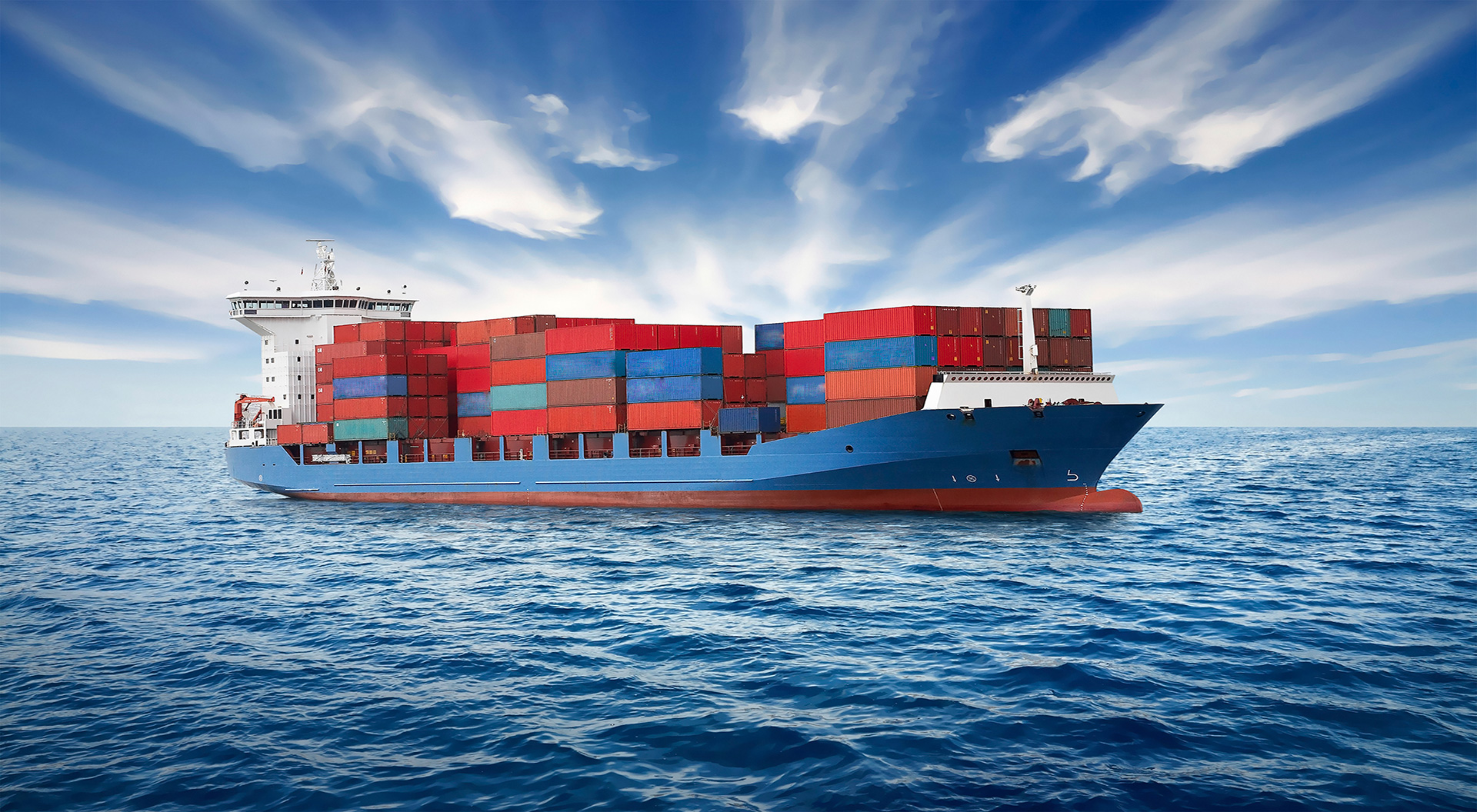
Sea Freight From China To Norway

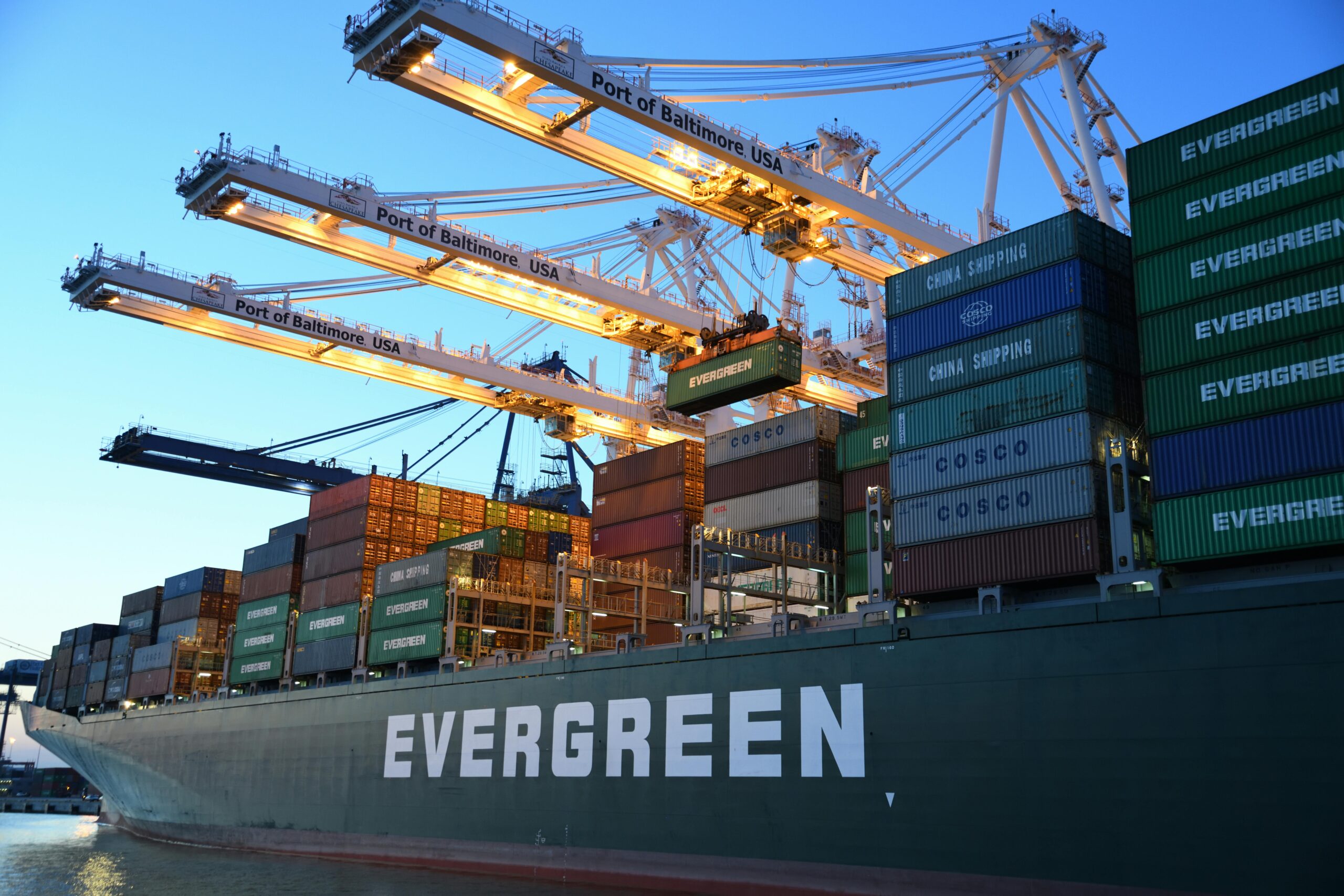
Our sea freight service from China to Norway is designed for cost efficiency and schedule stability. Global China Forwarder manages port-to-port and port-to-door shipments to major Norwegian gateways such as Oslo, Bergen, and Stavanger, coordinating vessel selection, container loading, export documentation, customs clearance, and onward inland transport. This service is ideal for heavy cargo, large volumes, and time-flexible commercial shipments requiring reliable ocean transportation.
img

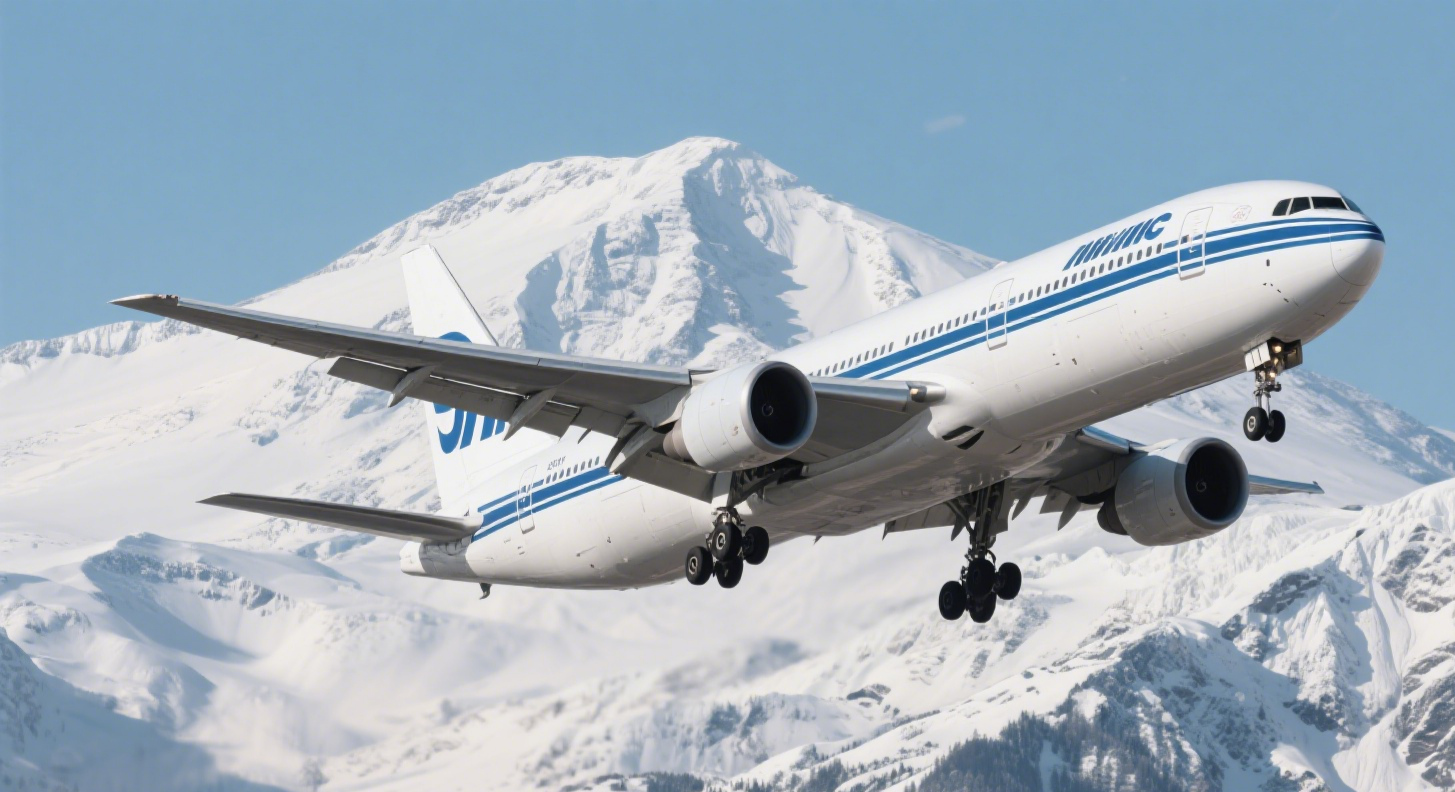
Air Freight From China To Norway

For urgent or high-value shipments, our China–Norway air freight service delivers fast transit with strict operational control. We coordinate airline capacity, cargo security screening, export paperwork, and Norwegian customs clearance to ensure smooth and timely delivery. This option is well suited for electronics, medical supplies, spare parts, samples, and other time-critical commercial goods.


img

Rail Freight from China To Norway

Our rail freight service provides a balanced alternative between cost and transit time for shipping from China to Norway. Leveraging the China–Europe Railway network, Global China Forwarder coordinates containerized rail transport to major European rail hubs, followed by seamless inland rail or truck connections into Norway. Rail freight is ideal for stable supply chains seeking faster transit than sea freight with lower costs than air freight.


FCL Shipping from China To Norway

Full Container Load shipping from China to Norway is the preferred solution for large-volume or dedicated cargo. Global China Forwarder arranges exclusive container usage, professional loading supervision, secure sealing, and continuous shipment tracking throughout sea or rail transportation. FCL shipping minimizes cargo handling risks, improves schedule stability, and enables better cost control for manufacturers, distributors, and project owners shipping machinery or full production orders.

LCL Shipping from China To Norway

Less than Container Load shipping offers a flexible and cost-effective option for smaller consignments moving from China to Norway. Global China Forwarder manages origin consolidation, accurate cargo segregation, compliant export documentation, and destination deconsolidation through trusted Nordic partners. This service allows importers to reduce freight costs while maintaining professional handling standards, shipment visibility, and coordinated final delivery.

Features

More Services Shipping from China To Norway

img

Pickup and Delivery

Global China Forwarder will provide most fuel efficient pickup service China
img

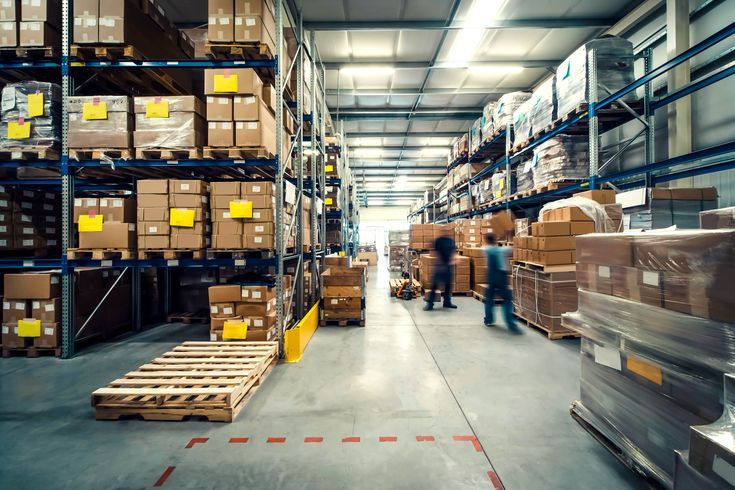
Warehousing

We provide free warehousing services for any of your goods.
img

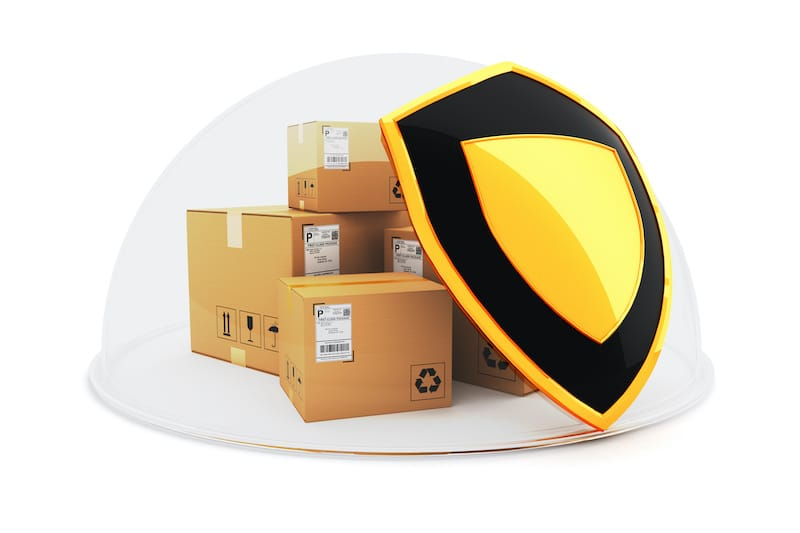
Cargo Insurance

The cargo insurance protects your goods all the way to any Any FBA Warehouse
img

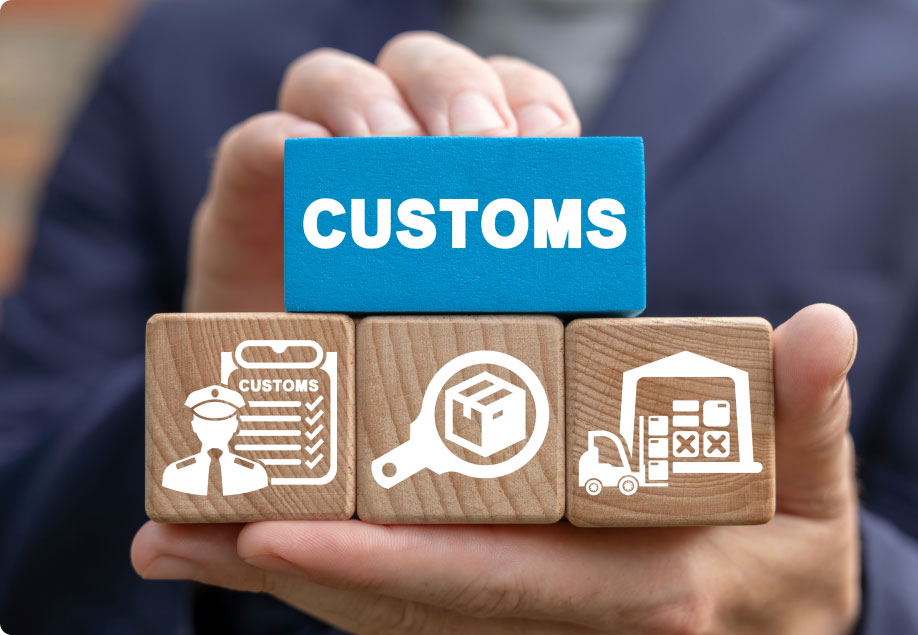
Custom Clearance

We handle all paperwork and other details for you.

img

Loading Inspection

Ensure safe packaging and loading of goods in your suppliers' factory.
Here We Are

GET ANYTYPE QUOTE FROM HERE.

Your Best Freight Forwarder from China to Norway

  • Provide the best ocean freight from China to Norway
  • Provide the competitive air freight from China to Norway
  • The professional work for customs clearance in China
  • Provide the free warehouse service and loading solution
  • The container loading supervision service
  • Pick up and delivery service in China
  • 24/7 online support
What customers also want to know

Professional Shipping from China to Norway: The Ultimate FAQ Guide

Shipping times from China to Norway are influenced by the chosen transport mode (air or sea), distance, customs clearance, and any potential delays in the logistics chain. Air freight is quicker but more expensive, while sea freight is cost-effective but slower. Other factors include the efficiency of the freight forwarder, weather conditions, and port congestion.

You can track your shipment from China to Norway using tracking numbers provided by your freight forwarder or carrier. Most carriers offer online tracking systems that allow you to monitor your shipment’s progress in real-time. Ensure to use the carrier’s website or app for accurate tracking information.

Essential documents include a commercial invoice, packing list, bill of lading, and certificate of origin. Depending on the nature of the goods, additional documents like certificates of conformity or import permits may be required. Ensure all documents are accurate and complete to facilitate smooth customs clearance.

Yes, customs duties and taxes may apply to shipments from China to Norway. The exact amount depends on the type of goods and their value. Norway’s customs authorities will assess duties based on the Harmonized System (HS) code of the goods. It’s advisable to check current rates and regulations to avoid surprises.

To ensure the safety of your goods, use high-quality packaging materials, choose a reliable freight forwarder, and secure adequate insurance coverage. Properly label and document your shipment, and comply with all regulations and safety standards. Regular tracking and clear communication with your freight partner also help in ensuring safe delivery.

Air freight offers faster shipping times compared to sea freight, with typical delivery times of 7 to 14 days. It is ideal for high-value, time-sensitive, or perishable goods. Air freight also provides better security and tracking capabilities, making it a reliable option for urgent shipments.

Sea freight is generally more cost-effective but slower, with delivery times ranging from 25 to 35 days. It is suitable for large, heavy, or non-urgent shipments. Air freight is faster, with delivery typically in 7 to 14 days, but is more expensive. It is best for urgent or high-value goods.

If your shipment is delayed, first contact your freight forwarder or carrier for information. They can provide updates on the delay and potential solutions. Check tracking systems and ensure all required documents are in order. In some cases, delays may be due to customs issues or logistical problems that need resolution.

Shipping costs depend on factors such as the mode of transport, weight, dimensions of the cargo, and destination. For accurate cost estimates, consult with your freight forwarder or use online shipping calculators provided by carriers. They will consider all these factors to provide a detailed cost breakdown.

Common challenges include customs clearance delays, fluctuating shipping rates, and potential damage or loss of goods. Other issues may include navigating complex regulations, dealing with unexpected costs, and managing logistical disruptions. Working with a reliable freight forwarder and preparing adequately can help mitigate these challenges.

Don’t Take Our Words for it

Listen to What Our Clients Say about Our Freight Forwarding Service

Design Quality

The design quality of the international logistics platform emphasizes clarity, efficiency, and usability. The interface is clean and well-organized, allowing users to manage shipments, track cargo status, and access transportation details with minimal effort. Visual hierarchy and consistent layout improve navigation across freight booking, documentation, and delivery modules. The design effectively supports complex logistics operations while maintaining a professional and modern appearance.

Jon D. William
Founder of Mixbix

Features Availability

The platform offers comprehensive feature availability to support end-to-end international logistics operations. Key functions such as freight booking, real-time shipment tracking, customs documentation management, carrier coordination, and delivery status updates are consistently accessible and reliable. These features ensure smooth handling of complex transportation workflows and provide users with full operational visibility at every stage of the supply chain.

Warleman Joliues
Co-Founder Carion ltd

Code Quality

The overall code quality of the international logistics system demonstrates a solid engineering foundation. The architecture is well-structured, with clear separation between freight management, customs clearance, tracking, and billing modules, which improves maintainability and scalability. Naming conventions are consistent and business-oriented, making complex logistics workflows such as multi-leg transportation, carrier allocation, and door-to-door delivery easier to understand and extend. Error handling and data validation are implemented thoughtfully, reducing risks in high-volume shipment processing. Overall, the codebase reflects a strong balance between performance, reliability, and long-term extensibility, which is critical for global freight operations.

Sakira K. Lilliam
Ceo of Axone