

Why African Customs Holds Imported China Cargo: An Operational Guide
Unclear all-in pricing frequently undermines sourcing decisions when evaluating Customs Clearance & Entry against incomplete rate cards. Hidden accessorials, duty assumptions, and mismatched service scopes quickly inflate the real landed cost. Collaborating with a dedicated partner like Global China Forwarder brings line-item clarity before you award the move. Explore service-boundary checks, documentation gates, and cost questions in this 2026 operational guide.

Key Takeaways
A standard 40HQ container typically accommodates 68–76 CBM, but shippers should target 65–70 CBM for optimal palletized loading to avoid weight-based inspection triggers.
Customs examinations often add 5–15 days to transit, potentially incurring daily storage fees ranging from $50 to $200 depending on the specific port terminal.
Partner-Government Agency (PGA) filings must be synchronized with the bill of lading to avoid secondary verification holds that can stall clearance for 72+ hours.
Discrepancies exceeding 5% between the commercial invoice value and the declared customs value are the most frequent triggers for mandatory valuation audits.
Which Importer-of-Record and POA Steps Must Be Locked Before First Entry?
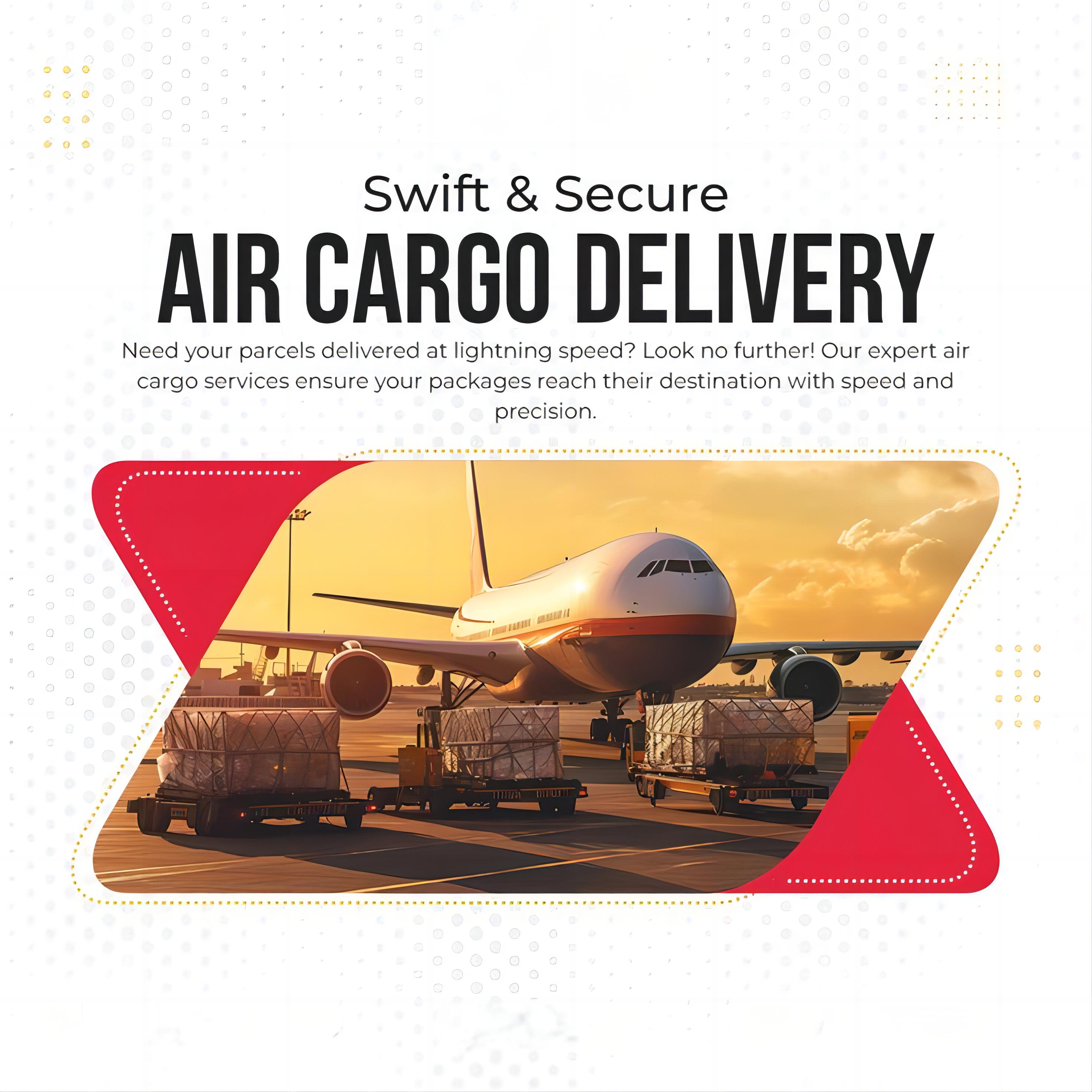
Establishing a clear Importer-of-Record (IOR) is the foundational step for any cross-border shipment, as this entity assumes full legal and financial liability for the goods upon entry. For shipments moving from China to major African hubs like Mombasa, Durban, or Lagos, the IOR must be duly registered with the national revenue authority to ensure valid tax identification. Failing to confirm these credentials before the arrival of the vessel often results in the immediate impoundment of cargo, as customs officials cannot process entries for unregistered or non-compliant parties.
The Power of Attorney (POA) document serves as the bridge between the consignee and the licensed customs broker, allowing the latter to act on behalf of the importer during the clearance process. Without a properly executed POA, brokers are legally prohibited from filing the necessary declarations, which leaves the shipment in a state of limbo at the terminal. Importers should secure this documentation during the initial onboarding phase with their logistics provider to prevent last-minute administrative bottlenecks that frequently threaten delivery schedules.
To mitigate risk, importers must conduct a thorough audit of their IOR status and ensure that all Power of Attorney filings are updated to reflect the most current business entities. This proactive verification process involves confirming that the tax ID matches the corporate registration and that the broker has the necessary authorization to interface with local authorities. By locking these steps early, companies can focus on supply chain throughput rather than administrative remediation during the critical days leading up to cargo arrival.
| Compliance Step | Risk Level | Owner | Failure Mode |
|---|---|---|---|
| IOR Registration | Critical | Importer | Cargo Impoundment |
| POA Execution | High | Broker/Importer | Filing Rejection |
| Tax ID Validation | High | Importer | Entry Delay |
| Broker SOW Agreement | Moderate | Broker | Billing Disputes |
Field note: Ensure your IOR is active in the national customs database before the vessel sails.
Common mistake: Waiting until the cargo has reached the port to initiate IOR registration.
Risk alert: Unregistered IORs often lead to extended storage fees and potential cargo seizure.
How Should HTS Classification and Valuation Be Documented to Survive Audit?
Accurate Harmonized Tariff Schedule (HTS) classification is the primary determinant of duty rates and regulatory requirements, making it a frequent focal point for customs audits. When importing general cargo from China, even a minor misclassification can result in significant underpayment of duties or, worse, accusations of import fraud. Importers must rely on precise technical data sheets and product descriptions to ensure that every SKU is mapped to the correct tariff code, leaving no room for subjective interpretation by inspectors.
Valuation documentation must be transparent and consistent with the commercial invoice, as customs authorities closely monitor the declared value against prevailing market pricing. If the declared value appears artificially low, auditors will likely issue a request for evidence of payment, such as bank transfer records or pro forma invoices. Maintaining a clean, digitized audit trail of every transaction is essential for responding efficiently to these inquiries and preventing the reassessment of duty obligations at a higher, punitive rate.
To survive an audit, the documentation package should include a comprehensive product catalog that details the material composition, intended use, and manufacturing origin. This level of detail allows customs brokers to provide a robust defense if the classification is questioned during the entry process. Importers should also work with their value-added logistics services provider to conduct periodic classification reviews, ensuring that their internal data remains aligned with the latest updates in national tariff regulations.
| Equipment Type | Internal Volume (CBM) | Max Payload (kg / lbs) | Optimal Commodity Fit |
|---|---|---|---|
| 20ft Standard (20GP) | 28–30 CBM (26 usable) | 21,800 kg / 48,000 lbs | Dense, heavy cargo (machinery, auto parts, metals) |
| 40ft Standard (40GP) | 58–60 CBM (54 usable) | 26,500 kg / 58,400 lbs | General packaged cargo, standard palletized loads |
| 40ft High Cube (40HQ) | 68–76 CBM (68 usable) | 26,500 kg / 58,400 lbs | Bulky, lightweight goods (furniture, textiles, electronics) |
| 45ft High Cube (45HQ) | 85–86 CBM (78 usable) | 27,500 kg / 60,600 lbs | High-volume consumer retail distribution |
Field note: Maintain a digital repository of all HTS classification rationales.
Common mistake: Using generic descriptions that do not match the HTS code requirements.
Risk alert: Incorrect valuation often triggers a secondary audit of all previous shipments.
What Happens During Customs Exams, Holds, and Detention Clocks?
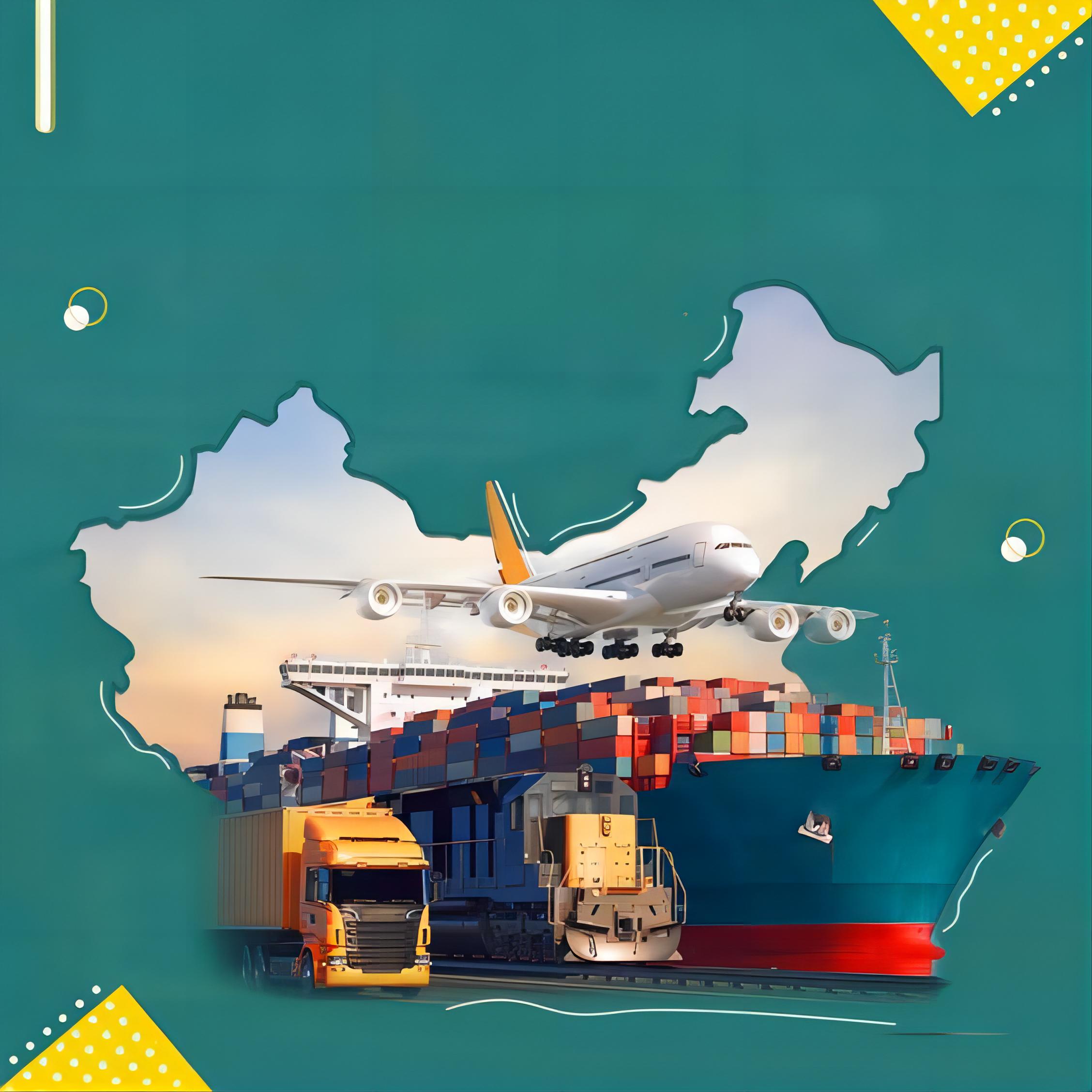
Customs examinations are designed to verify the accuracy of the declarations, but they often act as a significant drag on supply chain velocity. When a container is selected for inspection, it is moved from the regular terminal stack to a designated examination area, where the contents are physically inspected or scanned. This transition process inherently pauses the flow of the shipment and triggers a new set of fees, including container drayage to the inspection site and the labor costs associated with the physical offloading of goods.
The detention clock begins the moment the cargo is held, and importers are often surprised by the speed at which daily storage and demurrage charges accumulate. These costs are separate from the freight rate and are governed by the port terminal’s tariff schedules, which can be unforgiving during periods of high congestion. To manage this risk, importers must closely monitor their cargo status via real-time tracking systems and maintain open communication with their broker to facilitate the quickest possible resolution once the hold is cleared.
Mitigation relies heavily on the quality of the pre-arrival documentation and the accuracy of the shipping manifests. If the packing list and commercial invoice are flawlessly prepared, the likelihood of a random, risk-based inspection is significantly reduced. However, if a hold is unavoidable, the importer should immediately request an itemized breakdown of the expected storage fees to manage their internal budget. Working with a professional freight forwarding partner can also provide leverage in negotiating with terminal operators to minimize the duration of these disruptions.
| Event | Typical Duration | Trigger | Mitigation |
|---|---|---|---|
| Random Inspection | 3-7 Days | Risk-based selection | Flawless docs |
| Valuation Audit | 5-15 Days | Price discrepancy | Audit trail |
| PGA Security Hold | 2-4 Days | Missing permit | Advance filing |
| Terminal Storage | Continuous | Hold duration | Swift document response |
Field note: Request a daily status update from your broker during any hold period.
Common mistake: Ignoring the storage fee accumulation until the hold is lifted.
Risk alert: Extended holds can lead to abandonment if storage costs exceed cargo value.
When Do PGA and Partner-Government Agency Filings Run Parallel to Customs Entry?
Partner-Government Agency (PGA) filings—such as those for health, safety, or environmental sectors—must be synchronized with the primary customs entry to ensure a seamless release. Many products, particularly electronics, chemicals, or food products, require specific permits or certifications that must be lodged with the relevant authorities before the cargo is released from the port. If these filings are submitted sequentially rather than in parallel, the shipment will inevitably remain stuck at the terminal while the paperwork catches up, causing unnecessary delays.
The coordination of these filings requires a high level of expertise, as each agency has its own unique documentation standards and portal requirements. A comprehensive customs brokerage solution will manage these complex interactions, ensuring that all necessary data points are captured and submitted within the strict regulatory windows. Importers must provide their agents with all required certification documentation, such as Certificates of Analysis or safety compliance marks, well before the vessel arrival date to facilitate this parallel processing.
Effective synchronization also prevents the common issue of ‘missing data’ flags, which can freeze the entire entry process. When a PGA flag is raised, the customs system may automatically block the release of the cargo until the specific agency provides a ‘may proceed’ signal. By proactively identifying the need for agency involvement during the purchase order stage, businesses can avoid these bottlenecks and maintain a predictable timeline for their inventory replenishment cycles.
Field note: Identify all required PGA certifications at the time of order placement.
Common mistake: Submitting PGA applications only after the cargo has arrived at the port.
Risk alert: Non-compliance with agency requirements can lead to cargo destruction or mandatory re-export.
How Do Brokers Coordinate ISF, Entry Summary, and Delivery Authorization?
The coordination between the Entry Summary and the final delivery authorization is the final mile of the customs process, requiring tight integration between the broker, the carrier, and the drayage provider. The Entry Summary must be lodged with the correct valuation and duty payment information to secure the initial release from customs control. Once the release message is received, the broker must then coordinate with the terminal to ensure the container is made available for the assigned trucker, completing the chain of custody from port to warehouse.
Effective coordination relies on the timely exchange of data, especially regarding the status of duty payments and the release of hold messages. If the duty payment is delayed, the system will not generate the delivery authorization, even if the customs exam is cleared. For importers, this means ensuring that their payment accounts are sufficiently funded and that their brokers have the necessary financial instructions to settle these obligations on their behalf without delay.
To streamline this process, many shippers utilize integrated logistics platforms that provide real-time updates on each phase of the clearance cycle. By having a centralized view of the documentation and the physical movement of the cargo, the importer can anticipate and address any potential delays in the delivery authorization process. Maintaining a clear line of communication with the drayage team is equally vital to ensure that the container is picked up immediately upon release, thereby avoiding additional terminal storage fees.
Field note: Ensure your broker has standing instructions for duty payment to expedite release.
Common mistake: Failing to notify the drayage provider immediately upon customs release.
Risk alert: Delayed drayage after release can still incur significant terminal storage costs.
Which Invoice and Packing-List Mismatches Trigger Reconciliation Holds?
Reconciliation holds are almost exclusively triggered by discrepancies between the commercial invoice, the packing list, and the actual physical cargo discovered during an inspection. When the number of cartons, the weight, or the per-unit value listed on the documentation does not align with the physical reality, customs authorities are forced to initiate a reconciliation process. This process is time-consuming and can involve a complete audit of the shipment, which often results in fines and extended storage penalties.
To avoid these costly errors, importers must implement rigorous quality control measures at the origin point in China. This includes verifying that the packing list is generated based on the actual loading manifest rather than the initial purchase order, ensuring that any shortages or overages are clearly documented. Even minor variations can be seen as fraudulent intent, especially if they lead to an underpayment of duties or taxes, so accuracy in every line item is non-negotiable.
In cases where a mismatch is discovered, the importer should immediately notify their broker to discuss the most effective way to file a correction. Proactive disclosure is often viewed more favorably by customs authorities than the discovery of an error during an inspection. By maintaining strong relationships with their freight forwarding provider, importers can leverage expert guidance on how to navigate these reconciliation holds while minimizing the impact on their bottom line.
Field note: Conduct a pre-shipment audit of packing lists against the actual loaded cargo.
Common mistake: Relying on pro forma documents instead of final, verified packing lists.
Risk alert: Persistent documentation mismatches can lead to the importer being flagged for frequent, mandatory inspections.
How Should Importers Manage Duty, Tax, and Bond Exposure on Repeat Entries?
For importers with high-frequency shipping volumes, managing duty and tax exposure requires a strategic approach to bond management and deferred payment schemes. A continuous bond is generally more cost-effective and operationally efficient than single-entry bonds, as it provides a standing guarantee to the customs authority that duties will be paid. This eliminates the need for repeated filings and ensures that the broker has the security necessary to process entries without waiting for individual bond approvals.
Tax and duty management also involves understanding the specific trade agreements and preferential duty programs available for the trade lane. Importers should conduct periodic reviews of their supply chain to determine if their goods qualify for any duty reduction or exemption, which can significantly improve their margins. Integrating these findings into the standard operating procedure ensures that the benefits are realized on every shipment, rather than being missed due to administrative oversight or outdated classification data.
As part of a robust corporate logistics strategy, importers should maintain a clear overview of their financial exposure, including the potential for duty drawbacks or refunds on re-exported goods. By working with a knowledgeable forwarder, businesses can develop a comprehensive financial roadmap that covers all aspects of their import program. This proactive stance not only reduces the risk of sudden cash flow shocks but also positions the business to scale its international operations with confidence.
Field note: Review your bond coverage annually to ensure it matches your projected import volume.
Common mistake: Neglecting to apply for available duty drawback programs.
Risk alert: Underestimating tax liability can lead to significant cash flow issues at the time of entry.
What Is the Escalation Path When Clearance Delays Threaten Delivery Appointments?
When clearance delays reach a point where delivery appointments are at risk, a clear escalation path is essential to protect the integrity of the supply chain. The first step in this process is to establish a direct line of communication with the senior management at your brokerage firm, ensuring that the urgency of the situation is clearly understood. This escalation should involve a formal review of the current status, the specific cause of the delay, and the potential impact on downstream fulfillment operations.
If the delay is caused by a systemic issue at the port or with a government agency, the escalation may need to involve local port authorities or industry advocacy groups that can provide additional pressure. However, this should only be done in consultation with your logistics provider, as they will have the best insight into the local operational culture and the most effective channels for resolution. Keeping all stakeholders informed during this period is critical to managing expectations and minimizing the fallout of missed delivery windows.
Finally, the importer should document the entire escalation process and the resulting resolution, using this data to identify gaps in their existing import strategy. This post-mortem analysis is vital for preventing similar occurrences in the future, whether it requires changing a port of entry, adjusting documentation procedures, or selecting a different carrier. By treating every delay as an opportunity to refine the process, businesses can incrementally improve their resilience against the inherent uncertainties of international trade.
Field note: Build an escalation contact list into your logistics SOP before the peak season begins.
Common mistake: Failing to document the timeline of an escalation, which complicates future insurance claims.
Risk alert: Unresolved delays often lead to secondary charges from warehouse operators and retail partners.
Decision Framework
By volume: Capture CBM/kg first; under ~2 CBM often fits express/air, mid volumes need LCL/FCL comparison, and oversized lots require dedicated equipment quotes.
By speed: Urgent windows under ~7 days favor air/express; standard replenishment can use ocean, rail, or multimodal once cargo-ready timing and destination entry data are locked.
By cargo profile: Flag DG, temperature-control, or oversized handling before award — these change documentation and carrier acceptance. Use destination national filings only.
Real-World Corridor Case Studies
An importer moved mixed cartons on a scoped international lane. The forwarder aligned commercial invoice, packing list, and the destination national import declaration before mainhaul departure.
A distributor routed equipment components with early broker coordination so destination release and final-mile delivery stayed inside free-time windows.
Customs Entry Control Plan for Seamless Imports
Customs Clearance and Entry succeeds when classification, valuation, and agency filings are lodged as one timeline—not after containers hit storage. By proactively managing the importer-of-record status and ensuring that every document is cross-verified for accuracy, businesses can drastically reduce the occurrence of customs holds. A disciplined approach to documentation is the most effective tool for maintaining flow and controlling landed costs.
Write exam and detention cost ownership into your service level agreements before arrival pressure starts. Working with a dedicated partner allows you to navigate these risks with professional support, ensuring that your goods move efficiently from the factory floor in China to the final destination in Africa. Contact our team today to review your current entry readiness and fortify your international supply chain against avoidable disruptions.
Process and Checkpoints
IOR & Bond Setup
Confirm importer of record, continuous bond or single-entry bond, and power of attorney with the broker.
Classification & Valuation Pack
Align HTS, country of origin, and declared value with commercial invoice and any assist/additional charges.
Pre-Arrival Entry Lodgement
File entry summary and partner-agency data before cargo arrives to protect terminal free time.
Exam & Hold Management
If customs selects exam, coordinate container pull, sampling, and storage fee exposure with the broker.
Duty & Tax Settlement
Pay duties, MPF/HMF, and deferred tax lines; reconcile CBP release messages against delivery orders.
Post-Entry Corrections
Track PSCs, reconciliations, and audit responses for repeat importers.
Confirm the right route for your shipment
Need customs clearance support? Share HTS hints, commercial invoice, arrival port, and delivery deadline for an entry readiness review.
Request a route reviewFrequently Asked Questions
What is the most common reason for a customs hold on imports from China?
The most frequent cause is a discrepancy between the commercial invoice value and the declared customs value, often triggering a mandatory valuation audit.
How can importers avoid paying excessive demurrage during a customs hold?
Importers can minimize demurrage by ensuring all documentation is filed pre-arrival and by maintaining a proactive communication loop with their customs broker to resolve flags immediately.
Which documents must be verified prior to shipping to prevent classification holds?
You must verify the HTS code, product technical data sheets, and material composition to ensure they align perfectly with the declared classification on the commercial invoice.
When should an importer secure a continuous bond for repeat shipments?
A continuous bond should be secured as soon as the import volume exceeds a frequency where single-entry fees become cumulatively more expensive than the annual bond premium.
How do Partner-Government Agency (PGA) filings affect the overall clearance time?
PGA filings add a layer of complexity; if they are not submitted in parallel with the customs entry, they often force the cargo to remain on hold until the agency issues a release.
Where does the legal responsibility lie for customs exam fees?
The importer of record is legally responsible for all customs exam fees, including the costs associated with moving the container to the inspection bay and the labor for physical checks.
Rates and surcharges fluctuate; request an itemized quote.
Informational only; not binding legal/tax/customs advice.
Benchmarks reflect standard 2026 practice for this corridor.