

How to Prevent Customs Clearance Failure Africa: A Strategic Logistics Guide
Researching Customs Clearance & Entry often exposes buyers to opaque quotes where transit promises, fee lines, and compliance duties are blended together. The gap usually comes from missing Incoterm boundaries, incomplete shipment profiles, or mode advice never validated against cargo-ready timing. Working alongside a scoped specialist like Global China Forwarder turns fragmented quotes into auditable booking decisions. This 2026 handbook outlines practical checkpoints and landed-cost questions so corridor decisions stay comparable.

Key Takeaways
Ensure your Importer of Record (IOR) is fully registered in the destination country at least 14 days before arrival.
Validate HS codes against local tariff databases to avoid valuation disputes, which account for 40% of clearance delays.
Budget for a 5-10% buffer on top of estimated duties to cover incidental inspection fees or storage during extended exams.
Standard 40HQ containers should ideally be loaded to 65–70 CBM to optimize shipping costs while maintaining clear access for customs inspections.
Which Importer-of-Record and POA Steps Must Be Locked Before First Entry?

The Importer of Record (IOR) serves as the legal entity responsible for ensuring the goods comply with all local laws and regulations at the destination port. In many African jurisdictions, failing to establish a valid, locally recognized IOR before the cargo arrives can lead to immediate classification as abandoned freight. You must ensure that your Power of Attorney (POA) is signed, notarized, and filed with your designated customs broker well in advance of the vessel’s departure from the origin port. This foundational step prevents the legal paralysis that occurs when customs authorities lack a local party to hold accountable for duty payments and regulatory compliance.
Operational readiness requires verifying that your company’s tax identification and import permits are active and aligned with the specific cargo being imported. Many regional customs authorities have digitized their systems, requiring electronic signatures or biometric verification from the IOR to authorize the release of goods. If you are a foreign entity without a local branch, you may need to engage a third-party IOR service provider to act as your legal proxy. This role involves significant liability, as the IOR remains responsible for the accuracy of the declarations and the settlement of all applicable taxes, duties, and levies imposed by the customs authorities.
To mitigate risk, conduct a pre-import compliance audit that confirms your business registration status matches the documentation provided to the carrier and the broker. Ensure that your POA empowers the broker to act on your behalf for all aspects of the entry, including the payment of duties and the handling of any physical inspections. Maintain a digital repository of all registration documents, including your tax exemption certificates or trade licenses, to avoid delays during the verification stage. Taking these steps early effectively shifts the burden of compliance from a reactive crisis to a managed, predictable process that protects your bottom line.
| Compliance Factor | Risk Level | Owner | Failure Mode |
|---|---|---|---|
| Business Registration | Critical | Importer | Cargo Abandonment |
| Power of Attorney | High | Importer/Broker | Entry Rejection |
| Tax Compliance | High | Importer | Fines/Audit |
| Permit Validity | Moderate | Importer | Storage Accrual |
Field note: Verify the status of your import license 30 days before booking.
Common mistake: Assuming a foreign entity can serve as IOR without local tax registration.
Risk alert: Unregistered IORs frequently cause total loss of cargo in regional ports.
How Should HTS Classification and Valuation Be Documented to Survive Audit?
Accurate HTS classification is the cornerstone of successful customs clearance, as incorrect codes trigger automatic red flags and valuation audits. In the context of African trade lanes, customs authorities are increasingly using automated risk management systems to target shipments with inconsistent descriptions or values that deviate from regional market averages. You must ensure that your commercial invoice provides a granular breakdown of each SKU, including its exact material composition, intended use, and country of origin. Vague descriptions such as ‘parts’ or ‘industrial goods’ are primary drivers of customs delays and can result in the assessment of punitive duties.
Valuation must be supported by transparent records of the transaction price, including any ‘assists’ such as molds, dies, or engineering services provided to the supplier. If the declared value is significantly lower than the fair market value, customs officials may initiate an uplift, which forces the importer to pay additional duties and penalties based on the reassessed value. By maintaining a comprehensive ‘Classification Pack’—which includes technical data sheets, product photos, and manufacturer certifications—you provide the broker with the evidence needed to defend your entry during a secondary audit. Aligning your documentation with the specific nomenclature used by the local customs tariff schedule is essential for avoiding misclassification penalties.
To survive an audit, implement a standardized review process where every commercial invoice is vetted against the HTS database before the cargo is even loaded. If your products are subject to specific regional requirements, such as anti-dumping duties or mandatory quality inspections, these must be explicitly noted in the entry summary. Encourage your suppliers to provide detailed packing lists that mirror the invoice line items, as this consistency reduces the likelihood of manual verification errors at the destination. By treating documentation as a critical asset rather than an administrative burden, you significantly lower the risk of expensive hold periods and ensure that your goods move through the entry process with minimal interference.
| Equipment Type | Internal Volume (CBM) | Max Payload (kg / lbs) | Optimal Commodity Fit |
|---|---|---|---|
| 20ft Standard (20GP) | 28–30 CBM (26 usable) | 21,800 kg / 48,000 lbs | Dense, heavy cargo (machinery, auto parts, metals) |
| 40ft Standard (40GP) | 58–60 CBM (54 usable) | 26,500 kg / 58,400 lbs | General packaged cargo, standard palletized loads |
| 40ft High Cube (40HQ) | 68–76 CBM (68 usable) | 26,500 kg / 58,400 lbs | Bulky, lightweight goods (furniture, textiles, electronics) |
| 45ft High Cube (45HQ) | 85–86 CBM (78 usable) | 27,500 kg / 60,600 lbs | High-volume consumer retail distribution |
Field note: Ensure the commercial invoice matches the packing list line-by-line.
Common mistake: Using generic descriptions that do not match the HTS code requirements.
Risk alert: Customs valuation audits can hold containers for 30+ days while value is verified.
What Happens During Customs Exams, Holds, and Detention Clocks?
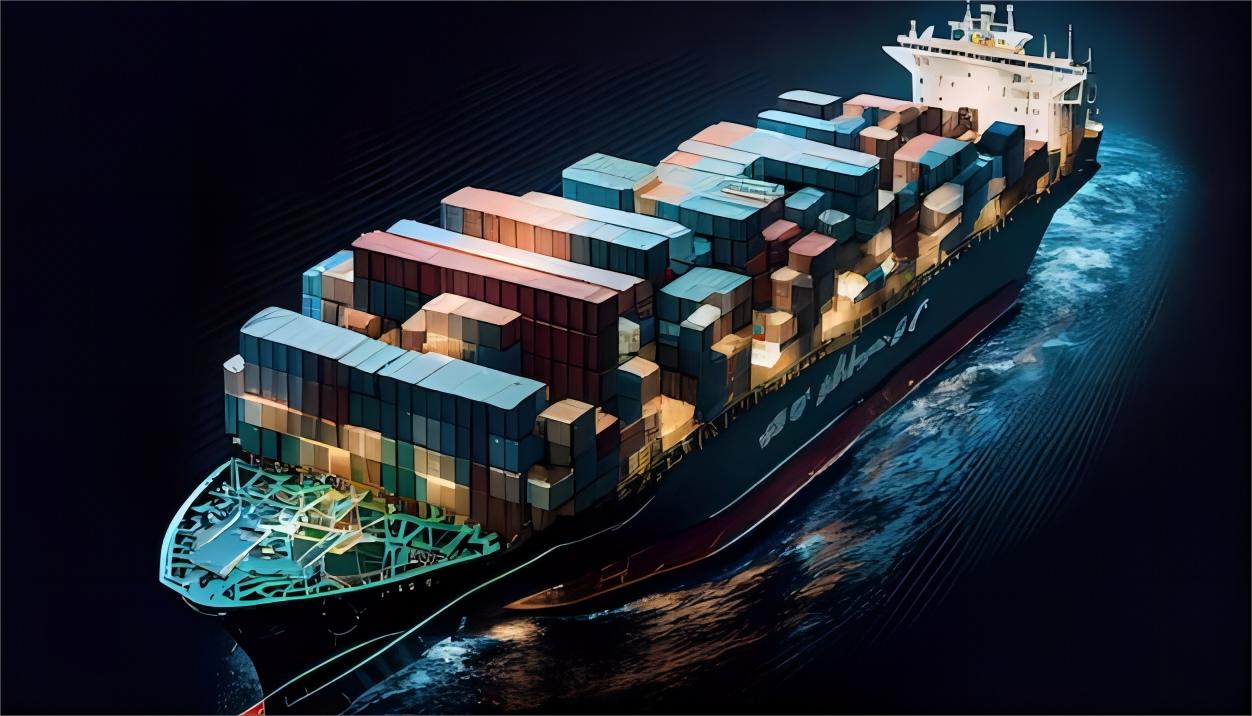
When customs authorities select a shipment for an examination, the container is diverted to a designated inspection area, effectively stopping your delivery clock and triggering immediate storage charges. These exams range from non-intrusive container scans to full physical unpacks, where every carton is inspected to verify quantity and compliance with import declarations. Understanding the detention and demurrage clock is vital, as these costs accrue daily once the free-time period at the terminal has expired. Proactive importers monitor the status of their cargo using integrated tracking systems to anticipate holds before the terminal operator issues an official detention notice.
During an exam, the coordination between your customs broker and the terminal operator is the most important factor in minimizing costs. If the broker is not prepared with the necessary documentation to facilitate the inspection, the container will languish in the yard, rapidly accumulating port storage fees that can quickly exceed the value of the cargo. You should establish a clear communication protocol with your broker that includes immediate notification of any ‘hold’ status messages from the customs portal. Having a pre-approved budget and a clear instruction set for the broker to initiate the exam process can save days of waiting time and reduce the total cost of the inspection.
To mitigate the financial impact of holds, always negotiate extended free time with your carrier whenever possible, especially for commodities prone to inspection. If a hold occurs, ensure that all auxiliary documents, such as original bills of lading and certificates of origin, are immediately available to the broker to expedite the release. After the exam is complete, conduct a post-mortem review to determine if the hold was caused by a specific documentation error and implement corrective actions for future shipments. By treating these events as operational risks to be managed rather than unavoidable disasters, you maintain better control over your landed costs and delivery schedules.
| Event | Typical Days | Trigger | Mitigation |
|---|---|---|---|
| Document Hold | 2–5 Days | Missing/Error | Pre-Audit |
| Physical Exam | 5–10 Days | Random/Risk | Clear Documentation |
| Valuation Audit | 10–20 Days | Price Discrepancy | Transaction Proof |
| Release Authorization | 1–2 Days | Payment/Clearance | Automated Pay |
Field note: Always maintain a 10% contingency fund for sudden exam fees.
Common mistake: Failing to provide the broker with original paperwork during an exam.
Risk alert: Storage fees at major African ports often double after 10 days.
When Do PGA and Partner-Government Agency Filings Run Parallel to Customs Entry?
Many goods entering African markets require clearance from Partner-Government Agencies (PGAs) alongside standard customs entry, such as health ministries for food products or environmental agencies for chemicals. These filings must be integrated into the primary customs entry to prevent ‘cascading delays,’ where the cargo is cleared by customs but held by the health authority for weeks. Managing these parallel processes requires a customs broker with specific expertise in the regulatory requirements for your product vertical. Relying on a generalist who lacks experience with these niche agencies often leads to secondary holds that are difficult to resolve after the initial entry has been lodged.
The timing of these filings is critical, as some agencies require pre-shipment certification or laboratory testing before the cargo arrives at the port of entry. If you fail to secure these certifications, the goods may be denied entry entirely, resulting in the need for expensive return shipping or destruction at the port. Coordinate with your suppliers to ensure that every required certificate—such as a phytosanitary certificate or a certificate of conformity—is attached to the shipping documents before the goods leave the origin. This ensures that when the broker lodges the entry, all necessary agency data is included, allowing for a synchronized release process.
To manage these complexities, create a ‘regulatory matrix’ for each product line that identifies which agencies must be satisfied and what documents are required for each. Periodically review these requirements, as local regulations regarding safety standards and import restrictions can change with little notice. By proactively managing the PGA filing process, you treat these requirements as standard operational milestones rather than unexpected obstacles. This level of preparation ensures that your supply chain remains resilient, even in markets with high regulatory hurdles and complex multi-agency oversight requirements.
Field note: Submit PGA documents at least 7 days before vessel arrival.
Common mistake: Assuming customs clearance automatically covers health/safety agency approvals.
Risk alert: Non-compliant PGA filings lead to immediate cargo sequestration.
How Do Brokers Coordinate ISF, Entry Summary, and Delivery Authorization?
The coordination between the Entry Summary and the final Delivery Authorization is a high-stakes process that relies on the broker’s ability to synchronize data across multiple stakeholders. In the African logistics landscape, this often involves bridging the gap between the shipping line’s manifest, the customs authority’s digital portal, and the local drayage provider’s schedule. The broker must ensure that the Entry Summary is accurate, as any error detected after submission can lead to a ‘Post-Entry Correction’ process that is both time-consuming and costly. Once the customs release message is received, the broker must immediately transmit the delivery authorization to the terminal operator to avoid unnecessary storage fees.
The broker acts as the central hub of this information flow, converting the commercial documentation into the technical format required by the customs system. They are responsible for ensuring that the ‘release’ status is communicated effectively so that the trucking company can pull the container the moment it becomes available. Delays at this stage often occur due to outstanding port charges or misaligned paperwork between the terminal and the broker. By using a sophisticated freight forwarding partner, you ensure that these technical handoffs are managed by professionals who understand the regional nuances of port operations and terminal workflows.
To optimize this phase, ensure that your broker has all the necessary information to file the entry summary as soon as the shipping manifest is available. Maintain a clear line of communication with your trucking partner to ensure they are ready to dispatch the moment clearance is granted. Any delay in the communication between the broker and the carrier results in ‘dwell’ time, where the container sits on the terminal floor despite being cleared for release. By standardizing these operational handoffs, you reduce the time your cargo spends in the port environment, thereby maximizing the efficiency of your supply chain and keeping your logistics costs within budget.
| Filing | Lead Time | Owner | Risk |
|---|---|---|---|
| Entry Summary | Prior to Arrival | Broker | High |
| Commercial Invoice | Pre-Departure | Shipper | High |
| Packing List | Pre-Departure | Shipper | Moderate |
| Delivery Order | Post-Release | Carrier | Low |
Field note: Always request a copy of the customs release message for your records.
Common mistake: Neglecting to pay port terminal charges before requesting delivery.
Risk alert: Failure to coordinate delivery authorization leads to ‘lost’ containers in port yards.
Which Invoice and Packing-List Mismatches Trigger Reconciliation Holds?
Reconciliation holds are almost always the result of discrepancies between the commercial invoice, the packing list, and the actual physical count of the goods within the container. When customs authorities perform a spot check and find that the number of cartons or the weight of the shipment does not match the documentation, the entire entry is suspended for reconciliation. This process requires a detailed review of all shipping documents and often involves the importer providing secondary evidence, such as factory production logs or purchase orders, to reconcile the differences. These holds are particularly damaging because they are entirely preventable through rigorous pre-shipment quality control.
The primary cause of these mismatches is often a lack of communication between the supplier’s warehouse team and the logistics department. If the warehouse packs more or fewer units than what was originally declared, the paperwork must be updated before the cargo reaches the port. In many cases, the packing list is generated based on the purchase order rather than the actual items loaded into the container, leading to a discrepancy that only becomes apparent during a customs inspection. By requiring the supplier to provide a ‘final’ packing list immediately after loading, you can update the entry summary before it is lodged with the customs authorities.
To prevent reconciliation issues, implement a ‘three-way match’ policy where the purchase order, the commercial invoice, and the packing list are verified against one another before the documents are sent to the broker. If a discrepancy is found, it is significantly cheaper and faster to correct the paperwork at the origin than to deal with a reconciliation hold at the destination port. Furthermore, ensure that the weights listed on the packing list are accurate, as significant weight variances are a common trigger for automated customs audits. By maintaining strict discipline in your documentation process, you ensure that your cargo clears customs without the need for manual reconciliation and avoids unnecessary delays.
Field note: Use weight-verified packing lists to prevent automated audit triggers.
Common mistake: Updating the packing list only after the container has been gated in.
Risk alert: Weight mismatches of >5% are a leading cause of physical inspections.
How Should Importers Manage Duty, Tax, and Bond Exposure on Repeat Entries?
For importers who engage in repeat entries, managing duty and tax exposure requires a strategic approach to capital allocation and compliance automation. Relying on single-entry bonds for every shipment is inefficient and expensive, whereas a continuous bond provides better coverage and lowers the administrative burden of each entry. Furthermore, understanding the regional tax landscape—including VAT, excise duties, and environmental levies—is essential for accurate landed-cost calculations. By centralizing your duty payment process, you can gain better visibility into your tax liabilities and identify opportunities for duty deferment or exemption programs that may be available in your target market.
Duty management also involves regular audits of your HTS classifications to ensure that you are not overpaying on duties due to outdated or overly cautious coding. Many importers find that they are paying higher duty rates than necessary because they have not updated their classification strategy as their product mix evolves. Partnering with a logistics provider that offers comprehensive customs brokerage allows you to benefit from their expertise in tariff engineering and compliance. This proactive management of your duty and bond portfolio ensures that your repeated entries are handled with maximum efficiency and minimal financial risk.
Finally, for repeat importers, maintaining a strong ‘compliance score’ with local customs authorities can lead to faster processing times and fewer manual inspections. This is achieved by consistently submitting error-free documentation and maintaining a clean record of duty payments. If your business volume justifies it, consider participating in authorized economic operator (AEO) programs, which provide expedited clearance lanes for compliant importers. By focusing on long-term compliance rather than just clearing the current shipment, you build a sustainable and cost-effective import program that supports your company’s growth in the African market.
Field note: Review your HTS strategy annually to capture any duty rate changes.
Common mistake: Failing to utilize duty exemption programs for qualified goods.
Risk alert: Poor bond management can lead to the freezing of all import activities.
What Is the Escalation Path When Clearance Delays Threaten Delivery Appointments?
When clearance delays threaten critical delivery appointments, having a pre-defined escalation path is essential for regaining control of your supply chain. The first step in this path is to engage your customs broker for a formal status report, identifying the specific cause of the delay—whether it is a missing document, an agency hold, or a system error. If the delay extends beyond 48 hours, escalate the issue to the branch manager or the account representative at your logistics provider to ensure that the problem is being prioritized at the appropriate level. This level of communication is vital for managing customer expectations and adjusting downstream distribution plans.
If the delay is due to a systemic issue at the port or with a government agency, you may need to leverage local networks or industry associations to seek updates or facilitate resolution. This is where the value of a reputable logistics partner becomes apparent, as they often have existing relationships with port authorities and customs officials that can be used to expedite urgent shipments. Maintain a clear record of all communication during the escalation process, as this will be required for any potential insurance claims or disputes regarding demurrage charges. Being proactive and organized during a crisis is the best way to minimize the impact on your delivery schedule.
Ultimately, if a delay is unavoidable, communicate the situation to your end customer as early as possible to minimize the impact on your reputation. Transparency is often rewarded with patience, whereas failing to communicate leads to broken trust and potential contract penalties. Use the ‘lessons learned’ from each escalation to improve your pre-arrival documentation and compliance protocols for future shipments. By treating each delay as a data point for supply chain optimization, you create a more resilient process that can withstand the inevitable challenges of international trade, ensuring that your business remains competitive and reliable.
Field note: Document every communication with the broker during an escalation.
Common mistake: Waiting until the last minute to communicate delays to customers.
Risk alert: Unresolved escalation paths lead to critical stock-outs and lost sales.
Decision Framework
By volume: Capture CBM/kg first; under ~2 CBM often fits express/air, mid volumes need LCL/FCL comparison, and oversized lots require dedicated equipment quotes.
By speed: Urgent windows under ~7 days favor air/express; standard replenishment can use ocean, rail, or multimodal once cargo-ready timing and destination entry data are locked.
By cargo profile: Flag DG, temperature-control, or oversized handling before award — these change documentation and carrier acceptance. Use destination national filings only.
Real-World Corridor Case Studies
A recurring shipment of automotive parts faced consistent delays due to valuation audits and HTS code mismatches. By working with our team to standardize the classification and ensure the IOR was fully registered with local tax authorities, the shipper successfully reduced average clearance times from 18 days to 5 days. We implemented a pre-check system for every invoice to ensure HTS compliance before the cargo arrived.
This project involved sensitive, time-critical equipment requiring specialized health ministry clearance. The shipment was initially held due to incomplete phytosanitary documentation. Our team coordinated with the local agent to secure the necessary permits while the goods were in transit, allowing for immediate clearance upon arrival. This proactive approach saved the client from significant storage fees and ensured the equipment reached the hospital on schedule.
Customs Entry Control Plan for Customs Clearance & Entry
Customs Clearance & Entry succeeds when classification, valuation, and agency filings are lodged as one timeline—not after containers hit storage. By treating compliance as a proactive operational step rather than an administrative afterthought, you create a resilient import framework that protects your business from the volatility of international trade.
Write exam and detention cost ownership into the broker SOW before arrival pressure starts. With a clear strategy and the right partners, you can navigate the complexities of African markets and ensure your cargo reaches its destination on time and within budget.
Process and Checkpoints
IOR & Bond Setup
Confirm importer of record, continuous bond or single-entry bond, and power of attorney with the broker.
Classification & Valuation Pack
Align HTS, country of origin, and declared value with commercial invoice and any assist/additional charges.
Pre-Arrival Entry Lodgement
File entry summary and partner-agency data before cargo arrives to protect terminal free time.
Exam & Hold Management
If customs selects exam, coordinate container pull, sampling, and storage fee exposure with the broker.
Duty & Tax Settlement
Pay duties, MPF/HMF, and deferred tax lines; reconcile CBP release messages against delivery orders.
Post-Entry Corrections
Track PSCs, reconciliations, and audit responses for repeat importers.
Confirm the right route for your shipment
Need customs clearance support? Share HTS hints, commercial invoice, arrival port, and delivery deadline for an entry readiness review.
Request a route reviewFrequently Asked Questions
What is the legal responsibility of the Importer of Record during a customs hold?
The IOR is legally responsible for all customs duties, taxes, and compliance with local laws. During a hold, the IOR must provide any requested information to customs and settle any additional fees incurred.
How can shippers control demurrage or terminal storage after a customs hold?
Shippers can control costs by negotiating extended free time with carriers, ensuring all documents are submitted pre-arrival, and maintaining a rapid response protocol with their customs broker.
Which documents are required to verify valuation during a customs audit?
You must provide the commercial invoice, proof of payment, purchase orders, and documentation for any ‘assists’ such as molds or engineering services provided to the supplier.
When should an importer initiate a pre-clearance audit?
Pre-clearance audits should be initiated at least 30 days before the first shipment of a new product line to ensure all HTS codes and permit requirements are correctly identified.
How do Partner-Government Agency (PGA) filings affect entry timeline?
PGA filings often run parallel to customs entry; if not synchronized, they can cause cascading delays where customs clears the goods but the agency holds them for inspection or testing.
Where can importers find current regional tariff and duty rates?
Importers should consult official customs authority websites, their customs broker, or use trade databases that provide up-to-date HTS classification and duty information for specific African nations.
Rates and surcharges fluctuate; request an itemized quote.
Informational only; not binding legal/tax/customs advice.
Benchmarks reflect standard 2026 practice for this corridor.