

DDP Shipping for Commercial Cargo: A 2026 Landed Cost Guide
Key Procurement Takeaways
- Under 2 CBM of cargo is typically most efficient via DDP air, whereas 15+ CBM favors DDP ocean consolidation.
- Importer of Record (IOR) status must be established prior to arrival to avoid cargo seizure or bonded warehouse storage fees.
- Duty and tax estimates should be calculated on the full commercial invoice value, including freight and insurance, to avoid customs under-valuation penalties.
- Effective 2026, air chargeable weight is calculated as the higher of actual weight or volumetric weight (L×W×H cm / 6000).
- Standard 40HQ containers maintain an optimal utilization of 65–70 CBM for consolidated commercial freight.
What Should Buyers Know First About DDP Shipping on This Lane?
DDP shipping for commercial cargo requires the seller to assume all costs and risks, including customs clearance and door-to-door delivery, until the goods reach the consignee.
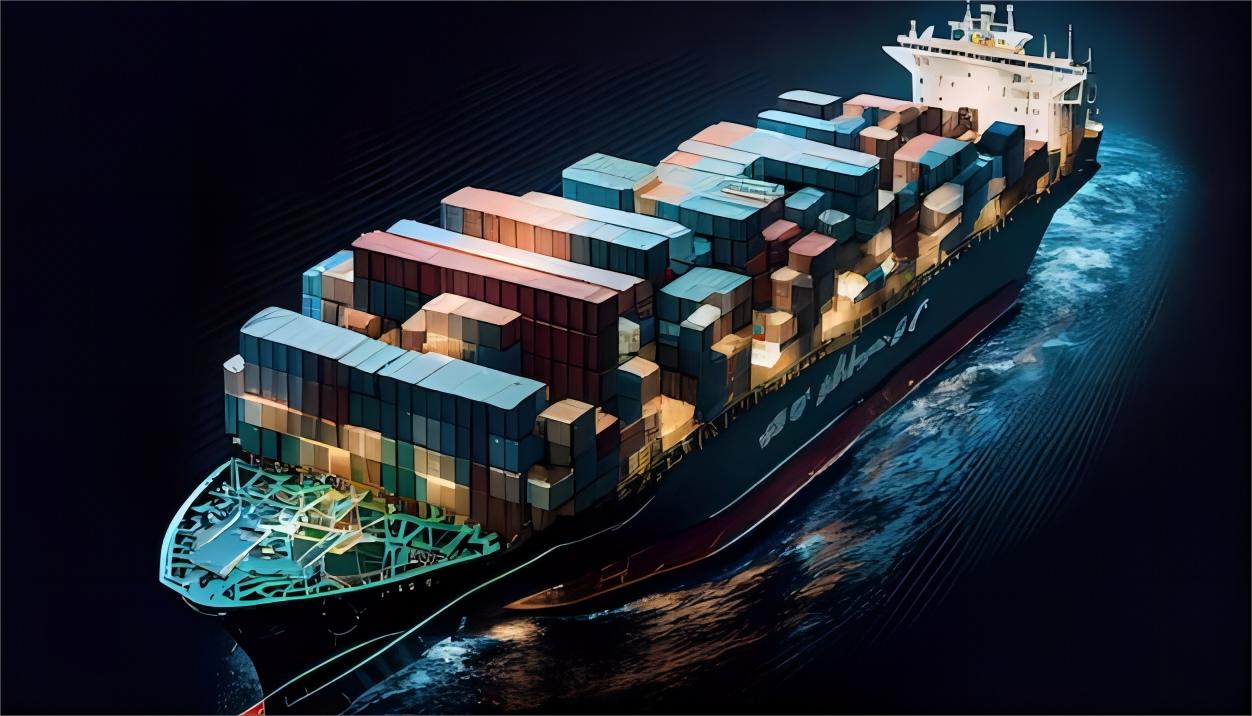
Unlike DAP terms, where the buyer manages the import clearance, DDP mandates that the seller or their appointed forwarder acts as the Importer of Record (IOR) or manages the duty payment process entirely. This shift significantly reduces the administrative burden on the buyer but increases the requirement for precise commercial documentation.
To ensure compliance, buyers should consult with experts in door to door services to verify that all destination-specific taxes and regulatory fees are accounted for in the landed cost.
Who Bears Duty, Tax, and IOR Liabilities Under DDP Terms?
Under DDP, the seller retains full liability for all duty, VAT, and customs-related taxes until the cargo is delivered to the final destination.
The Importer of Record (IOR) is the legal entity responsible for ensuring the goods comply with all local import regulations. When using DDP, the forwarder often facilitates this through a local customs broker, but the seller remains financially responsible for any discrepancies or additional levies assessed by customs authorities.
For complex entries, utilizing professional customs brokerage ensures that HS codes are classified correctly, minimizing the risk of duty overpayment or customs audits.
DDP vs DAP vs FOB: Which Trade Term Cuts Your True Landed Cost?
DDP offers the highest level of cost certainty by including all destination duties and taxes in the upfront freight quote, whereas FOB and DAP leave these costs variable for the buyer.
Choosing the right term depends on your internal capacity to handle import filings. If your team lacks an established customs bond or import license, DDP is the most secure path to prevent unexpected cost spikes at the port of entry.
For large-scale sea freight movements, comparing these terms is essential to determine if your company prefers total transparency or the flexibility of controlling the final-mile clearance process.

Illustrative Shipment Snapshots
Key metrics only — labeled illustrative scenarios for this corridor.
Electronics Consolidation (Shenzhen to Los Angeles)
A mid-sized retailer shipped 30 CBM of consumer electronics. We managed the IOR responsibilities and prepetitioned the duties.
Urgent Medical Components (Shanghai to Frankfurt)
A manufacturer required 150 kg of critical components. Using air freight with DDP terms, we synchronized the arrival with an on-site customs inspection.
What Transit Timelines and Dwell Windows Apply to DDP Cargo?
Total transit time for DDP shipments is defined by the mainhaul duration plus the mandatory 2–5 day dwell window required for customs clearance and duty payment processing.
Dwell time is often extended if the commercial invoice is missing critical details like the Country of Origin or accurate HS codes. Buyers should ensure all documentation is finalized before the vessel or aircraft departs the origin hub.
For time-sensitive goods, air freight provides the fastest transit, though it requires stricter adherence to documentation deadlines to avoid terminal storage charges.
| Mode | Mainhaul Transit | Customs Dwell | Total Lead Time |
|---|---|---|---|
| Air | 3-5 Days | 1-2 Days | 4-7 Days |
| Ocean LCL | 25-35 Days | 3-5 Days | 28-40 Days |
| Rail | 18-22 Days | 3-4 Days | 21-26 Days |
How Are All-Inclusive DDP Rates and Duty Surcharges Built?
All-inclusive DDP rates are constructed by aggregating the base freight rate, terminal handling charges (THC), documentation fees, and the estimated duty/tax liability based on the goods’ declared value.
Surcharges such as Peak Season Surcharges (PSS) or General Rate Increases (GRI) are often bundled into the DDP price to provide a fixed landed cost. This protects the buyer from market volatility after the shipment has been booked.
When planning your budget, remember that duty is calculated as a percentage of the CIF (Cost, Insurance, and Freight) value, not just the product cost, which is a common oversight when calculating landed costs.
What Documents and Filings Are Mandatory Under DDP?
The mandatory documents for DDP shipping include a detailed Commercial Invoice, a precise Packing List, and the transport document (Air Waybill or Bill of Lading), all of which must strictly match the cargo physically loaded.
Any inconsistency between the packing list and the physical goods can trigger a customs inspection, leading to significant delays and potential fines for the IOR.
Ensure your supplier provides these documents in the correct format before the cargo leaves the warehouse to allow for pre-clearance filings.
What Is the Step-by-Step DDP Workflow from Supplier to Door?
The DDP workflow begins with origin consolidation, where multiple supplier lots are verified and staged. Once ready, the export declaration is filed in the origin country, ensuring all HS codes align with the declared commercial value.
The cargo is then moved via the chosen mainhaul mode. Upon arrival at the destination, the forwarder or their authorized agent handles the duty and tax settlement with customs authorities.
Finally, once the cargo is released from customs, it is dispatched for last-mile delivery, and the shipment file is closed upon successful proof of delivery.
How Do You Avoid Hidden Surcharges and Misclassification on DDP?
Avoiding hidden surcharges requires full transparency in the initial quote, specifically regarding destination port fees, warehouse handling, and potential customs exam charges.
Misclassification of HS codes is the most common cause of duty disputes. By verifying your product’s classification with a licensed broker prior to shipping, you ensure that the duties collected are accurate.
Always request an itemized breakdown of the DDP quote to verify that the duty/tax estimate is distinct from the freight costs.
Decision Framework
Under 2 CBM often fits DDP air/express; 2–15 CBM favors DDP LCL with seller-side clearance; 15+ CBM may warrant DDP FCL when duty-paid door delivery is required.
Urgent door delivery under 7 days may require DDP air; standard replenishment runs on 25–40 day DDP ocean with tax/duty prepaid before last-mile.
High-duty HS chapters and regulated goods need IOR-ready commercial invoices; standard carton cargo still requires accurate declared value for duty calculation.
DDP Execution Plan: Duty-Paid Door Delivery in 2026
Reliable DDP Shipping for Commercial Cargo hinges on IOR clarity, declared-value accuracy, and prepaid duty settlement on DDP Shipping for Commercial Cargo.
Treat customs liability and last-mile delivery as one locked workflow—not separate afterthoughts.
Standard Operating Logistics Workflow
Origin Consolidation & Cargo Intake
Collect multi-supplier lots, verify packing lists, and stage cargo for export under DDP scope.
Export Customs Declaration
File China export declaration with commercial invoice, packing list, and HS codes aligned to declared value.
Mainhaul Transit (Air/Ocean)
Move freight on booked air or ocean service with DDP liabilities retained by seller/forwarder.
Destination Duty-Paid Clearance
Act as or appoint IOR, pay duties/taxes, and secure customs release before last-mile dispatch.
Bonded Hand-off & Tax Settlement
Reconcile duty receipts, release holds, and confirm tax settlement against the commercial invoice.
Final-Mile Door Delivery
Deliver duty-paid cargo to the consignee door and close the DDP shipment file.
Need an all-inclusive DDP quote? Share commercial invoice value, HS codes, gross weight, CBM, and destination zip/Tax ID for a duty-paid door proposal.
Talk to a specialist →