
China to Nigeria Freight Forwarder Cargo Shipping Container Logistics
Navigating the complexities of international trade requires a partner who understands the intricacies of the West African route. Global China Forwarder provides comprehensive solutions for your business needs through professional management. If you are searching for a China to Nigeria freight forwarder cargo shipping container logistics expert, this guide covers everything from costs to customs. Consequently, businesses can streamline their supply chains while maintaining high efficiency in 2026.
✦
The Role of a China to Nigeria Freight Forwarder Cargo Shipping Container Logistics Partner
International shipping involves managing multiple stages of movement and documentation. Furthermore, a specialized forwarder ensures that your cargo moves through the correct channels without unnecessary delays.
Reliable logistics providers handle the coordination between Chinese suppliers and Nigerian ports. However, choosing the wrong partner can lead to hidden costs and significant delivery setbacks in your operations.
Experienced agents understand the specific requirements of the Nigerian market. Therefore, they can offer tailored advice on container optimization and route selection for maximum cost-effectiveness.
Indeed, a professional logistics service acts as the bridge between two different regulatory environments. This relationship allows your business to focus on growth while the experts manage the physical movement of goods.
Primary Shipping Methods for the China-Nigeria Route
Selecting the right shipping method depends heavily on your budget and required speed. Additionally, the nature of your cargo determines whether sea or air transport is more appropriate for the journey.
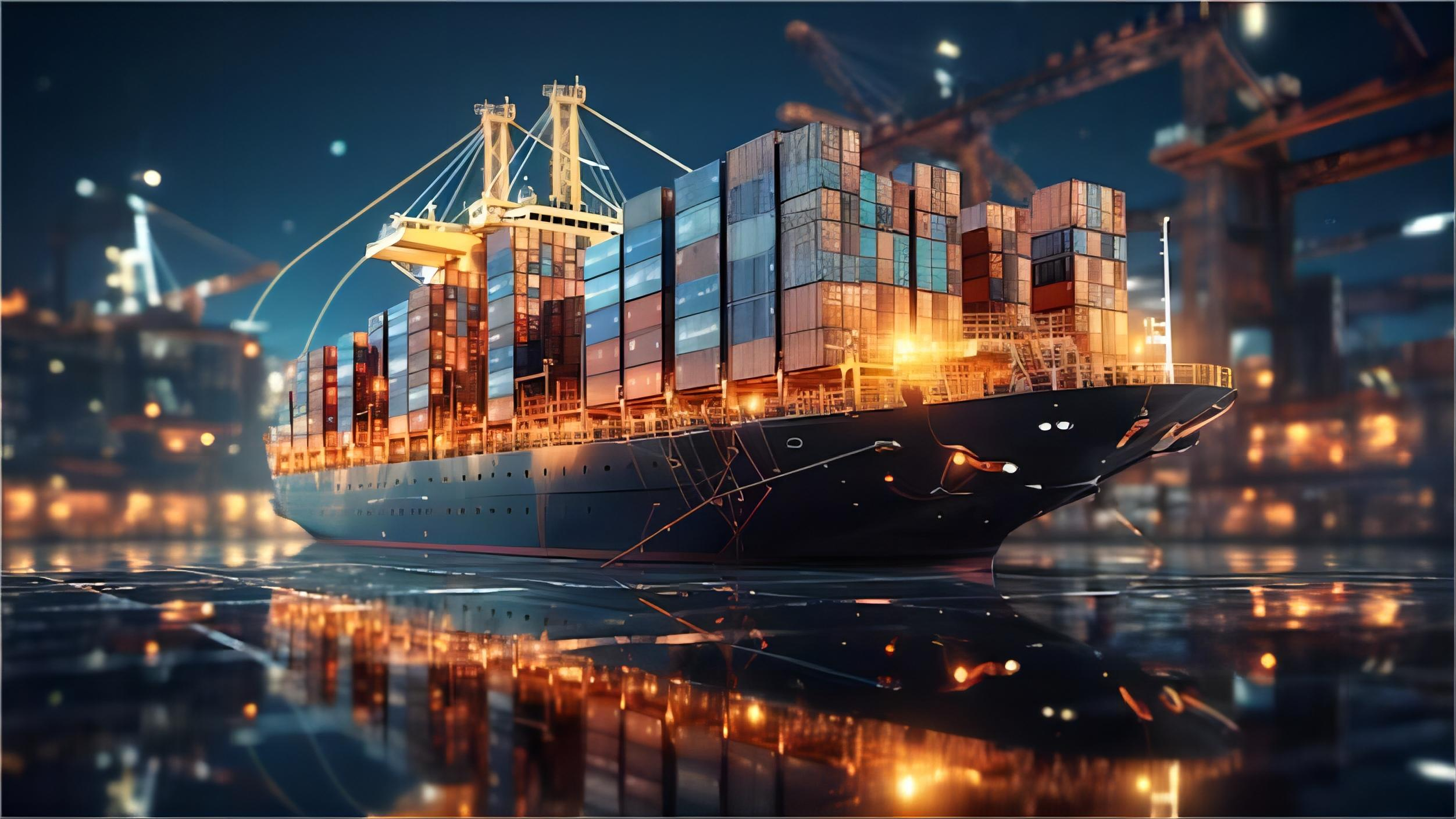
Most businesses choose sea freight because it offers the most economical rates for large volumes. Meanwhile, air transport remains the preferred choice for high-value or time-sensitive items.
Transit times vary significantly based on the chosen port of loading in China. For example, shipments from Shenzhen often arrive faster than those originating from northern Chinese ports like Tianjin.
Moreover, the choice between Full Container Load and Less than Container Load impacts your total landed cost. Each option serves different business sizes and shipping frequencies.
| Method | Average Cost | Transit Time | Best For |
|---|---|---|---|
| Sea Freight (FCL) | $4,500 – $6,500 | 35-45 Days | Bulk Goods |
| Sea Freight (LCL) | $120 – $180/CBM | 40-50 Days | Small Batches |
| Air Freight | $5.50 – $9.00/kg | 5-8 Days | Urgent Items |
| Express | $10.00 – $15.00/kg | 3-5 Days | Samples/Docs |
How Sea Freight Compares to Other Shipping Options
Analyzing the differences between transport modes is essential for strategic planning. While sea freight dominates the route, understanding the trade-offs helps in making informed decisions.
Sea freight remains the backbone of the China to Nigeria trade corridor due to its massive capacity. In contrast, air freight offers speed but comes with significantly higher price points per kilogram.
Rail freight is currently not a viable option for this specific route because there is no direct rail link between Asia and West Africa. Consequently, shippers must rely on maritime and aviation networks.
Hybrid solutions like sea-air combinations can sometimes offer a middle ground for certain regions. However, for direct China to Nigeria routes, standard sea freight remains the most practical alternative.
| Shipping Method | Cost Range | Transit Time | Limitations |
|---|---|---|---|
| Sea Freight | Lowest | 35-50 Days | Longer lead time |
| Air Freight | Highest | 5-10 Days | Weight limits |
| Sea-Air via Dubai | Medium | 20-25 Days | Complex handling |

Understanding Container Types: FCL vs LCL for Nigeria
Full Container Load (FCL) provides a dedicated space for your goods, which reduces the risk of damage. Furthermore, FCL is generally faster because the container does not need to be deconsolidated at the destination.
Less than Container Load (LCL) allows multiple shippers to share space within a single unit. Consequently, this is the most cost-effective solution for small businesses moving less than 15 cubic meters.
Choosing between these options requires a careful analysis of your inventory needs. For instance, if you have enough cargo to fill 70 percent of a 20ft container, FCL is usually cheaper than LCL.
Without a doubt, proper packing and palletizing are critical for LCL shipments to prevent damage during transit. Your forwarder should provide guidance on how to secure your cargo effectively.
Air Freight Logistics for Urgent Cargo
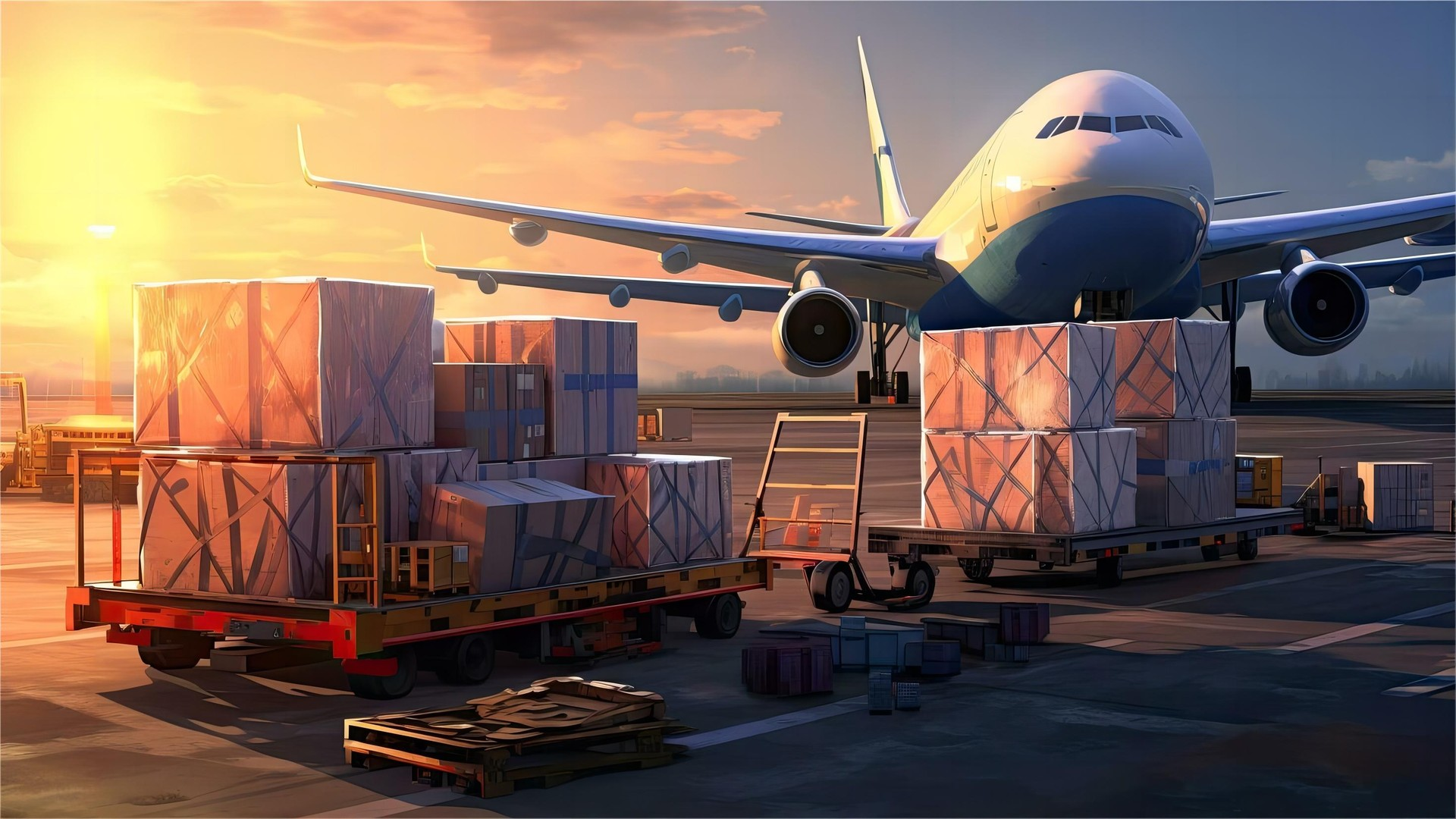
When time is the most critical factor, air freight becomes the essential choice for your supply chain. This method ensures that high-demand products reach the Nigerian market within a week.
Air cargo rates are calculated based on either actual weight or volumetric weight. Accordingly, shippers should optimize their packaging to reduce the volume and save on transport costs.
Major airports in Nigeria, such as Murtala Muhammed International in Lagos, handle the bulk of these shipments. Nevertheless, congestion at the airport can sometimes impact the final delivery schedule.
Specifically, electronics and fashion items are the most common goods moved via air. These products benefit from the high security and fast turnover that aviation logistics provides.
Navigating Customs and Regulatory Compliance in Nigeria
Customs clearance is often the most challenging part of the China to Nigeria freight forwarder cargo shipping container logistics process. Therefore, having a local expert to manage the paperwork is vital for success.
Using a professional customs brokerage service helps you avoid heavy fines and cargo seizures. They ensure that all documents, such as the Form M and SONCAP, are correctly filed.
Nigerian customs regulations are subject to frequent changes. For example, the government may update the list of prohibited items or change tariff codes without extensive prior notice.
Additionally, many businesses now prefer door to door services to simplify the entire process. This model includes customs clearance and final delivery to your warehouse in one single price.
| Document Name | Issued By | Purpose | Requirement |
|---|---|---|---|
| Form M | Central Bank | Import Approval | Mandatory |
| SONCAP | SON | Quality Standard | Most Goods |
| Bill of Lading | Carrier | Title of Goods | Mandatory |
| PAAR | Customs | Duty Assessment | Mandatory |
Real-World Case Studies: China to Nigeria Shipping 2026
Case Study 1: Large Scale Electronics Import
+———————————————————+
| Route: Shenzhen, China -> Lagos (Apapa), Nigeria
| Cargo: Consumer Electronics, 65 CBM, 15000 kg
| Container: 40HQ (FCL)
| Shipping Details:
| – Carrier: Major Ocean Carrier
| – Port of Loading: Shenzhen
| – Port of Discharge: Apapa, Lagos
| – Route Type: Direct
| Cost Breakdown:
| – Ocean Freight: $5,200
| – Origin Charges: $450
| – Destination Charges: $800
| – Customs & Duties: $3,500 (est.)
| – Total Landed Cost: $9,950
| Timeline:
| – Sea Transit: 38 days
| – Customs Clearance: 7 days
| – Total Door-to-Door: 50 days
| Key Insight: Early filing of Form M prevented port storage fees.
+———————————————————+
Case Study 2: Industrial Spare Parts LCL
+———————————————————+
| Route: Ningbo, China -> Onne Port, Nigeria
| Cargo: Industrial Pump Parts, 4 CBM, 1200 kg
| Container: LCL
| Shipping Details:
| – Service: Consolidated Sea Freight
| – Port of Loading: Ningbo
| – Port of Discharge: Onne
| Cost Breakdown:
| – Ocean Freight: $640 ($160/CBM)
| – Local Charges: $320
| – Total Landed Cost: $1,850 (inc. duties)
| Timeline:
| – Total Door-to-Door: 55 days
| Key Insight: LCL was 70% cheaper than air freight for this weight.
+———————————————————+
Note: Freight rates are subject to change based on fuel costs, carrier capacity, and seasonal demand. Contact us for a current quote tailored to your specific shipment.
Cost-Saving Strategies for Your Supply Chain
Reducing your logistics expenses requires a proactive approach to planning. For instance, booking your shipment at least three weeks in advance can help you secure lower rates from carriers.
Consolidating multiple small orders into one larger shipment is another effective way to save. Furthermore, optimizing your packaging to eliminate dead space reduces both weight and volume charges.
If your goods are not urgent, using express service should be reserved only for samples. For bulk inventory, sticking to sea freight is always the most economical strategy.
Consequently, monitoring market trends allows you to ship during off-peak seasons when demand is lower. Typically, rates are higher in the months leading up to the end-of-year holidays.
Which Shipping Option Should You Choose?
Budget priority: If your main goal is to minimize costs, choose sea freight FCL or LCL. This is the standard for most retail and industrial goods entering the Nigerian market.
Speed priority: When you need goods in less than 10 days, air freight is the only viable solution. This is ideal for seasonal trends or emergency replacement parts.
Cargo type considerations: Perishable goods or high-value jewelry require the speed and security of air transport. Conversely, heavy machinery and construction materials are best suited for containers.
Volume thresholds: Once your shipment exceeds 15 CBM, you should always check FCL prices. Often, the security and speed of a full container outweigh the small savings of LCL at that volume.
Mastering Your Nigeria Logistics Strategy
Successfully managing China to Nigeria freight forwarder cargo shipping container logistics requires a combination of planning and expert support. By understanding the differences between sea and air freight, you can make decisions that protect your profit margins.
Always ensure your documentation is in order before the cargo leaves China to avoid delays in Lagos or Onne. With the right partner, the complexities of West African trade become manageable and predictable.
As we move through 2026, staying informed about freight rates and customs changes will give your business a competitive edge. Start optimizing your shipping route today for a more efficient tomorrow.