

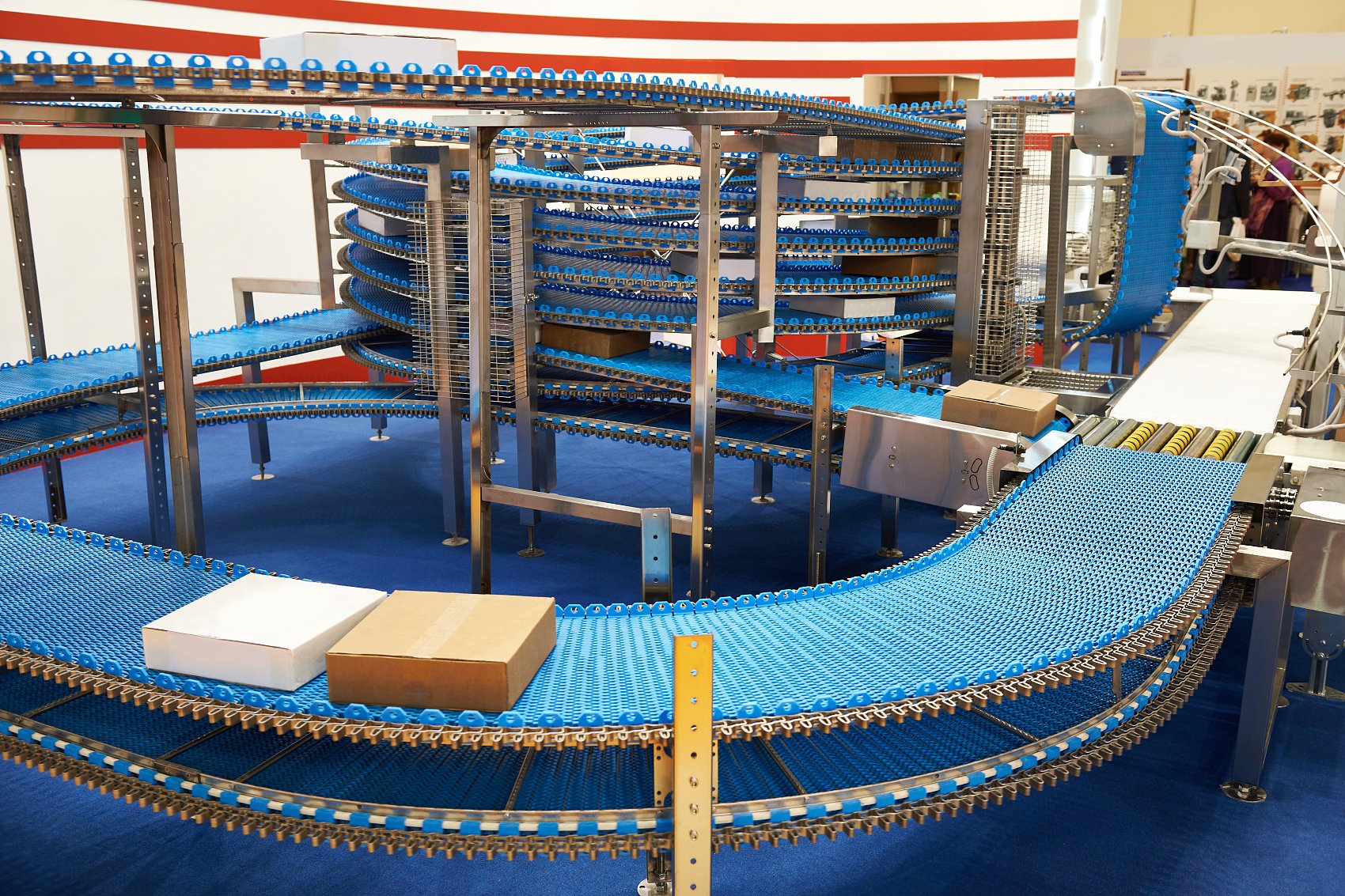
China sea freight logistics company container shipping international service: 2026 Guide
Navigating the complexities of global trade requires a reliable partner who understands the nuances of the modern supply chain. As businesses look to optimize their operations in 2026, choosing a professional Global China Forwarder ensures that your cargo moves efficiently across oceans. This guide explores the essential components of a China sea freight logistics company container shipping international service to help you make informed decisions for your business growth. We address common pain points like rising fuel surcharges and port congestion while providing actionable solutions for your logistics needs.

What defines a top-tier China sea freight logistics company container shipping international service?
A premier logistics provider does more than just move boxes from one port to another. They offer a comprehensive suite of services that includes cargo handling, real-time tracking, and expert advisory on international trade regulations. In the current 2026 market, technology integration has become a standard requirement for any reputable firm.
Moreover, the ability to handle various cargo types, from hazardous materials to temperature-sensitive goods, sets elite companies apart. You should look for a partner that maintains strong relationships with major carriers like Maersk, COSCO, and MSC. This ensures you receive competitive rates and priority space even during the peak August-October shipping season.
Effective communication serves as the backbone of successful international logistics. Consequently, a dedicated account manager who understands both Chinese export laws and destination import requirements is invaluable. They bridge the gap between complex local procedures and your specific business objectives.
Furthermore, top companies prioritize transparency in their pricing structures. Hidden fees can quickly erode your profit margins, so a detailed breakdown of ocean freight, local charges, and documentation costs is essential. Utilizing professional sea freight services allows you to focus on your core business while experts manage the transit.
How Does China sea freight logistics company container shipping international service Compare to Other Shipping Options?
Choosing the right transport mode depends heavily on your budget, timeline, and cargo volume. While sea freight remains the most cost-effective method for large shipments, alternatives like air or rail might be better suited for specific scenarios. In 2026, we see a growing trend toward hybrid solutions that balance speed and cost.
Specifically, sea freight is ideal for bulky items like machinery, furniture, and large-scale electronics. However, if you are moving high-value items with a short shelf life, air freight provides the speed necessary to meet tight deadlines. Rail freight serves as a middle ground for shipments heading to Europe, offering faster transit than sea but at a lower cost than air.
Without a doubt, the environmental impact is also a factor many businesses now consider. Sea freight generally has a lower carbon footprint per ton-mile compared to air transport. This makes it a preferred choice for companies aiming to meet sustainability goals in their 2026 corporate social responsibility reports.
| Shipping Method | Cost Range | Transit Time | Best For | Limitations |
|---|---|---|---|---|
| Sea Freight | $1,500 – $6,000 | 15 – 45 Days | Bulk / Heavy Goods | Slowest transit time |
| Air Freight | $5,000 – $25,000 | 3 – 7 Days | Urgent / High Value | Very expensive |
| Rail Freight | $3,000 – $8,000 | 18 – 25 Days | Mid-range urgency | Limited to Eurasia |
| Express | Premium Rates | 2 – 5 Days | Documents / Small | Weight restrictions |
Understanding Container Shipping Costs in 2026
Shipping costs are influenced by a variety of factors including fuel prices, seasonal demand, and geopolitical stability. As of early 2026, freight rates have stabilized following the disruptions seen in previous years. Nevertheless, it is crucial to stay updated on the latest market trends to avoid unexpected expenses.
For instance, a 40HQ container from Shanghai to Los Angeles currently ranges between $2,800 and $3,800. In contrast, shipping the same container to the US East Coast can cost between $4,500 and $6,000 due to the longer distance and canal fees. These rates often fluctuate based on the Bunker Adjustment Factor (BAF) which accounts for fuel price changes.
Additionally, port charges at both the origin and destination can add several hundred dollars to your total landed cost. Terminal Handling Charges (THC), documentation fees, and customs entry fees are standard components of a freight quote. Always ensure your quote includes these items to avoid surprises upon arrival at the destination port.
Note: Freight rates are subject to change based on fuel costs, carrier capacity, and seasonal demand. Contact us for a current quote tailored to your specific shipment.
| Route (from China) | 20GP Range | 40HQ Range | Transit (Days) |
|---|---|---|---|
| To USA West Coast | $1,500 – $2,200 | $2,800 – $3,800 | 14 – 18 |
| To USA East Coast | $2,500 – $3,500 | $4,500 – $6,000 | 30 – 35 |
| To Europe (Main) | $1,800 – $2,500 | $3,000 – $4,200 | 28 – 35 |
| To Australia | $800 – $1,200 | $1,400 – $2,000 | 12 – 18 |
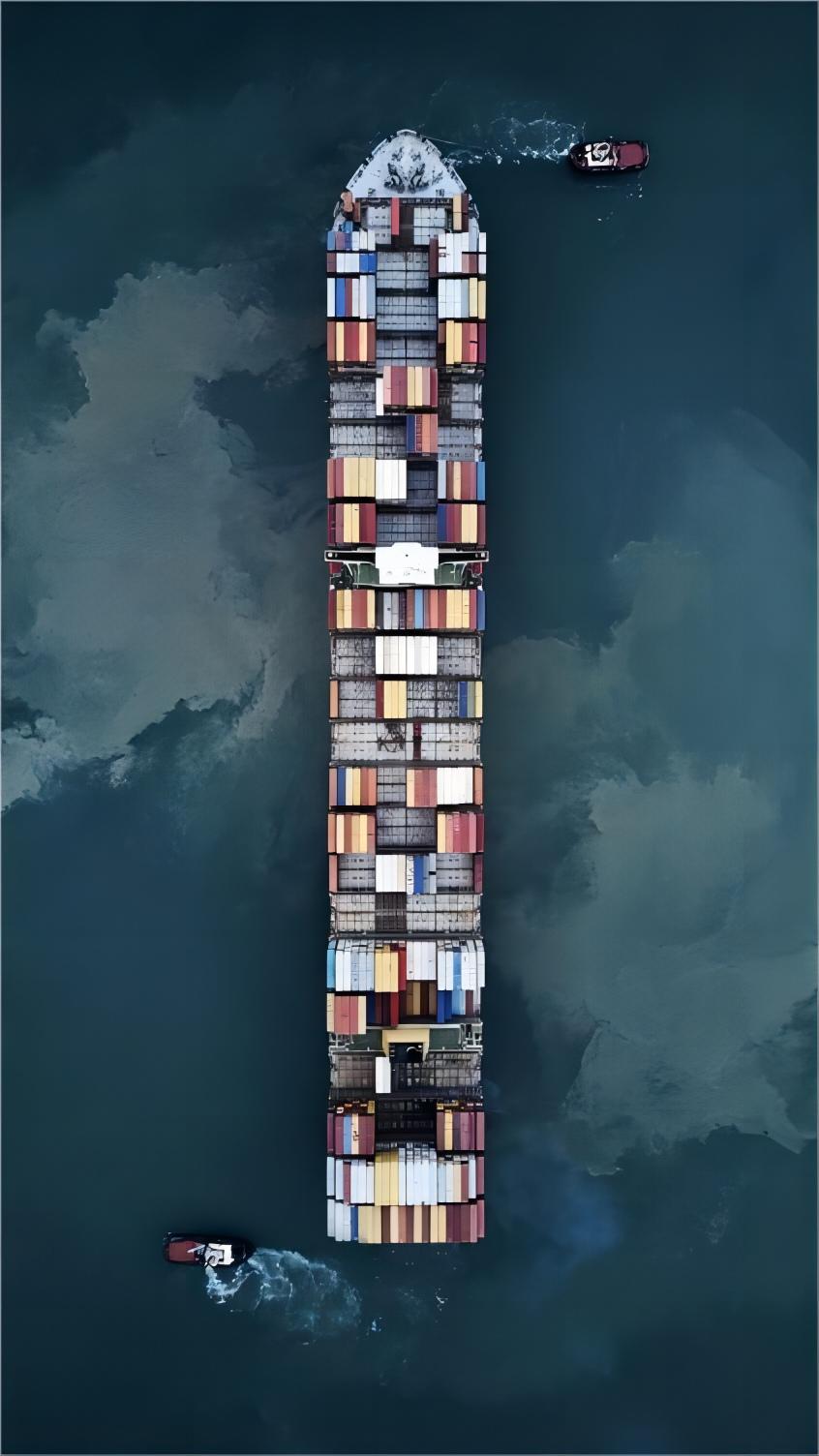
Key Benefits of Full Container Load (FCL) vs. Less Than Container Load (LCL)
When using a China sea freight logistics company container shipping international service, you must decide between FCL and LCL. FCL means you have exclusive use of a 20ft or 40ft container. This is often the safer and faster option because the container is sealed at the origin and only opened at the destination.
On the other hand, LCL involves sharing container space with other shippers. This is highly economical for smaller volumes, typically between 1 and 15 cubic meters (CBM). While LCL saves money on freight, it may involve longer transit times due to the consolidation and deconsolidation processes at the ports.
Indeed, the choice often comes down to a cost-benefit analysis of your specific volume. If your shipment exceeds 15 CBM, booking a full 20GP container is usually more cost-effective than paying for multiple LCL units. Furthermore, FCL reduces the risk of damage since your goods are not handled as frequently during transit.
Regardless of your choice, ensure your packaging meets international standards. Proper palletizing and shrink-wrapping are essential for protecting your cargo during the long ocean voyage. Many businesses utilize door to door services to simplify this entire process from warehouse to final destination.
Navigating Customs Brokerage and Compliance in China
Customs clearance is often the most complex part of international shipping. Every product entering or leaving China must have the correct HS Code and accompanying documentation. Failure to comply can lead to significant delays, fines, or even seizure of the cargo by authorities.
Therefore, hiring a professional Customs Brokerage service is highly recommended. These experts stay current with the latest 2026 trade regulations and tax incentives. They ensure that all paperwork, including the Bill of Lading, Commercial Invoice, and Packing List, is perfectly in order before the ship leaves the port.
In addition, certain goods require specialized permits or certificates of origin. For example, electronics might need CCC certification, while food products require health certificates. A knowledgeable logistics partner will guide you through these requirements well in advance of your shipping date.
Consequently, proactive compliance saves both time and money. By identifying potential issues early, you can avoid costly demurrage charges that accrue when containers sit idle at the port awaiting clearance. This level of detail is what makes a China sea freight logistics company container shipping international service truly effective.
Specialized Solutions for E-commerce and Amazon FBA
The rise of global e-commerce has created a high demand for specialized shipping routes. Many sellers now rely on Amazon FBA logistics to move inventory directly from Chinese factories to fulfillment centers worldwide. This requires strict adherence to Amazon’s labeling and packaging requirements.
Moreover, e-commerce logistics often involve smaller, more frequent shipments. Using a logistics company that offers specialized FCL and LCL routes for Amazon sellers can significantly reduce your lead times. They understand the specific delivery windows required by platforms and help you avoid out-of-stock scenarios during peak shopping events.
Additionally, some providers offer value-added services like quality inspections and re-labeling in China. This ensures that only perfect products reach the end consumer, reducing return rates and protecting your brand reputation. In 2026, these integrated services are vital for maintaining a competitive edge in the crowded online marketplace.
Case Studies: Real-World Shipping Success
Examining real-world examples provides clarity on how logistics companies solve complex problems. These cases reflect typical 2026 market conditions and pricing. They demonstrate the importance of choosing the right method for specific cargo types and destinations.
Case Study 1: Route: Shenzhen, China to London, UK. Cargo: Consumer Electronics, 65 CBM, 12,000 kg. Container: 1 x 40HQ. Shipping Details: Carrier: COSCO, Port of Loading: Shenzhen, Port of Discharge: Felixstowe, Route Type: Direct. Cost Breakdown: Ocean Freight: $3,850, Origin Charges: $450, Destination Charges: $600, Customs & Duties: $2,200, Total Landed Cost: $7,100. Timeline: Booking to Loading: 3 days, Sea Transit: 32 days, Customs Clearance: 2 days, Total Door-to-Door: 42 days. Key Insight: Choosing a direct route saved 6 days compared to transshipment via Singapore.
Case Study 2: Route: Ningbo, China to Los Angeles, USA. Cargo: Home Furniture, 25 CBM, 4,500 kg. Container: 1 x 20GP. Shipping Details: Carrier: Maersk, Port of Loading: Ningbo, Port of Discharge: Los Angeles, Route Type: Direct. Cost Breakdown: Ocean Freight: $1,950, Origin Charges: $380, Destination Charges: $550, Customs & Duties: $1,100, Total Landed Cost: $3,980. Timeline: Booking to Loading: 4 days, Sea Transit: 16 days, Customs Clearance: 3 days, Total Door-to-Door: 28 days. Key Insight: Utilizing a 20GP was more secure for fragile furniture than an LCL shipment.
Based on Q3 2025 and early 2026 market rates, these studies reflect typical costs for standard commodities. Always remember that seasonal spikes can impact these figures by up to 20%.
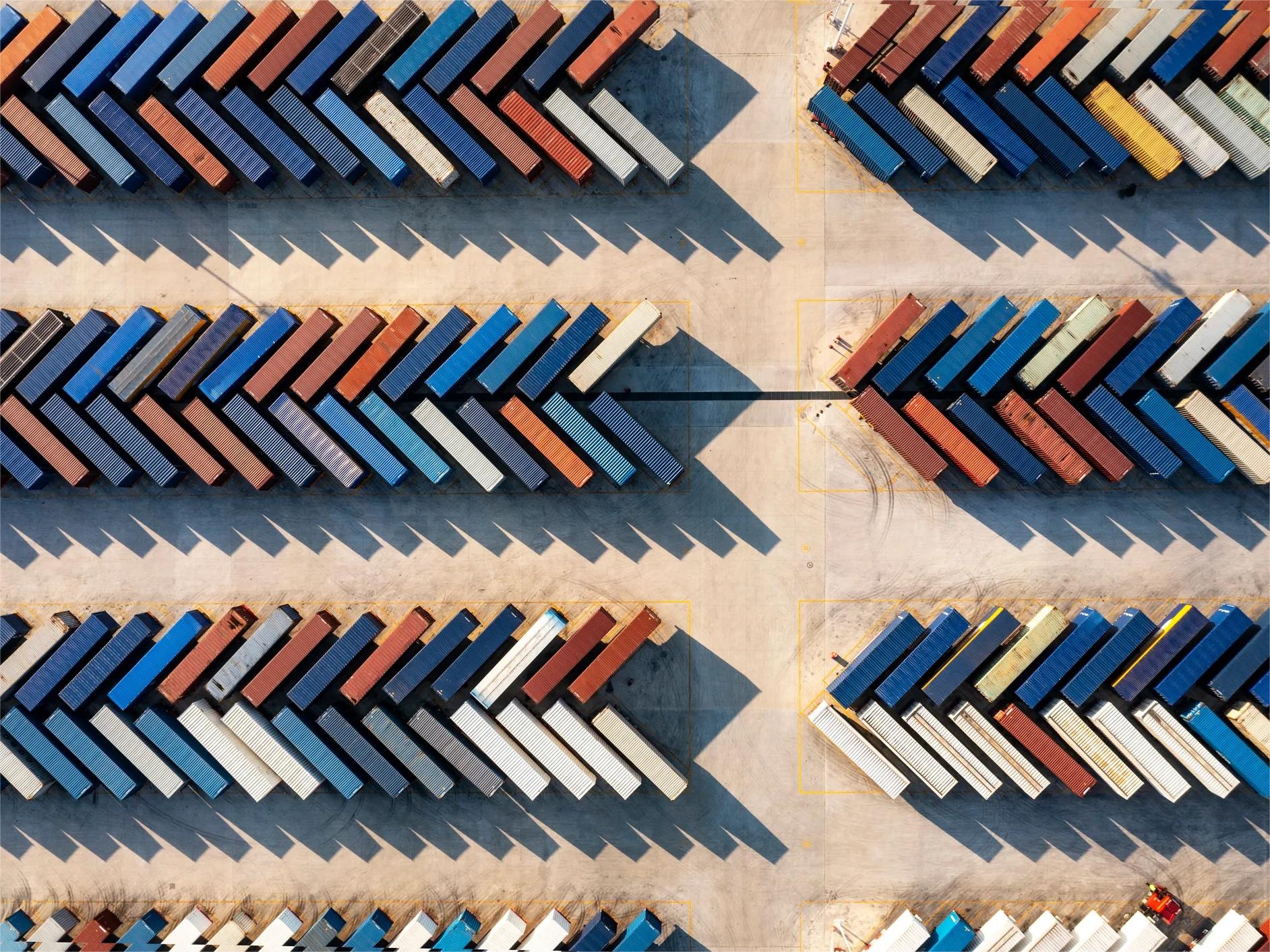
Which Option Should You Choose? Decision Framework
Selecting the best shipping strategy requires evaluating your specific priorities. If your primary goal is cost reduction, sea freight is almost always the winner for shipments over 2 CBM. However, if you are racing against a product launch date, you might consider a sea-air hybrid solution.
For budget priority, we recommend FCL for large volumes and LCL for smaller batches. Ensure you compare the total landed cost rather than just the ocean freight rate. Sometimes, a slightly higher freight rate includes better service and fewer destination fees.
For speed priority, look for carriers offering ‘premium’ sea freight services with guaranteed space and expedited discharge. These services are particularly popular on the China to USA West Coast route. They can shave 3-5 days off the standard transit time for a relatively small surcharge.
Cargo type considerations also play a role. Heavy machinery must go via sea, while high-value electronics might justify the cost of air freight. If you are shipping to landlocked regions in Europe, rail freight is a highly efficient alternative to consider.
Mastering Your International Shipping Strategy
In conclusion, finding the right China sea freight logistics company container shipping international service is a strategic investment in your business’s future. By understanding the differences between FCL and LCL, navigating customs with professional help, and staying informed about 2026 market rates, you can significantly reduce your overhead costs.
Furthermore, the transition to more sustainable and tech-driven logistics practices offers new opportunities for efficiency. Whether you are a small e-commerce seller or a large industrial manufacturer, the right forwarder will tailor solutions to your unique needs. Always prioritize transparency, compliance, and communication when selecting your logistics partner.
Ultimately, successful international trade is built on reliable partnerships. As you plan your 2026 shipments, use the insights from this guide to optimize your routes and protect your profit margins. We look forward to helping you navigate the high seas of global commerce with confidence.
Get Your Shipping Quote Today
Streamline your global supply chain today with a trusted partner. Our team at Global China Forwarder provides expert guidance and competitive rates for every China sea freight logistics company container shipping international service. Whether you are shipping to North America, Europe, or Australia, we ensure your cargo arrives safely and on time. Visit our website to request a personalized quote and experience seamless international logistics. Visit https://globalchinaforwarder.com/ to start your inquiry.
Frequently Asked Questions
How long does sea freight from China to the USA take in 2026?
Transit times typically range from 14 to 18 days for West Coast ports like Los Angeles and 30 to 35 days for East Coast ports like New York, depending on the carrier and route.
What is the difference between FCL and LCL shipping?
FCL involves renting an entire container for your goods, while LCL allows you to share space with other shippers, making it more affordable for smaller volumes under 15 CBM.
Are freight rates from China expected to rise in 2026?
While rates have stabilized, they typically increase by 15-25% during the peak season from August to October due to higher demand for holiday inventory.
What documents are required for China customs clearance?
Standard requirements include a Bill of Lading, Commercial Invoice, Packing List, and sometimes a Certificate of Origin or specific product permits.
Can I ship hazardous materials via sea freight from China?
Yes, but it requires specialized cargo handling, proper MSDS documentation, and compliance with international maritime dangerous goods (IMDG) regulations.
How can I reduce my sea freight shipping costs?
To save money, book shipments well in advance, optimize your packaging to fit more in a container, and choose LCL for smaller volumes when speed is not critical.
Does sea freight include door-to-door delivery?
Many logistics companies offer door-to-door services which include picking up goods from the factory, ocean transit, customs clearance, and final delivery to your warehouse.
What is a 40HQ container and how much does it hold?
A 40ft High Cube (40HQ) container is slightly taller than a standard 40ft container and holds approximately 76 cubic meters of cargo.